

Savannah Hemorrhoid Treatment Options That Work
September 24, 2026
How to Prevent Hemorrhoid Straining and Pain
September 28, 2026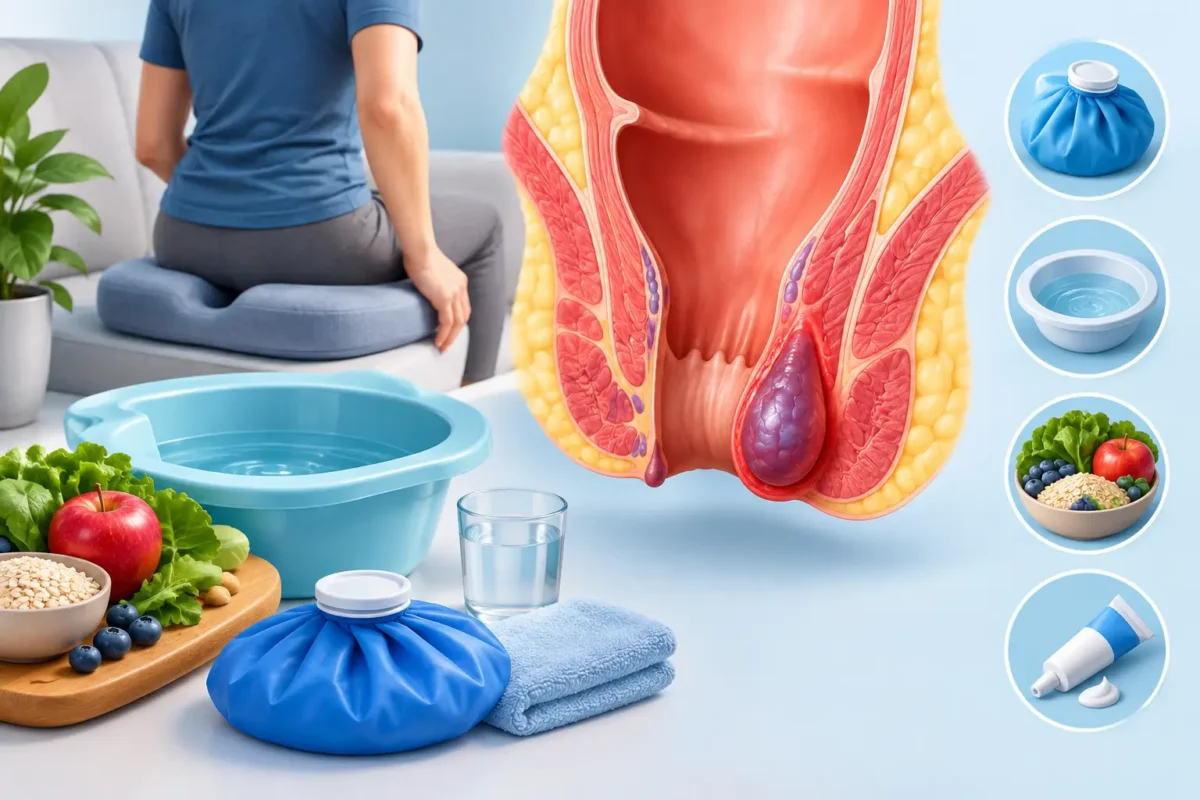
A thrombosed hemorrhoid can cause sudden, intense pain that makes sitting, walking, working, or using the bathroom feel overwhelming. If you are searching for how to manage thrombosed hemorrhoids, the first goal is to control discomfort safely while making sure the painful lump is correctly diagnosed. Prompt care can make a meaningful difference, particularly when pain is severe or symptoms are new.
A thrombosed hemorrhoid is not usually dangerous, but it should not be dismissed. Some conditions, including an anal abscess, can cause similar symptoms and need different treatment. You do not have to wait in pain or assume traditional surgery is your only option.
What Is a Thrombosed Hemorrhoid?
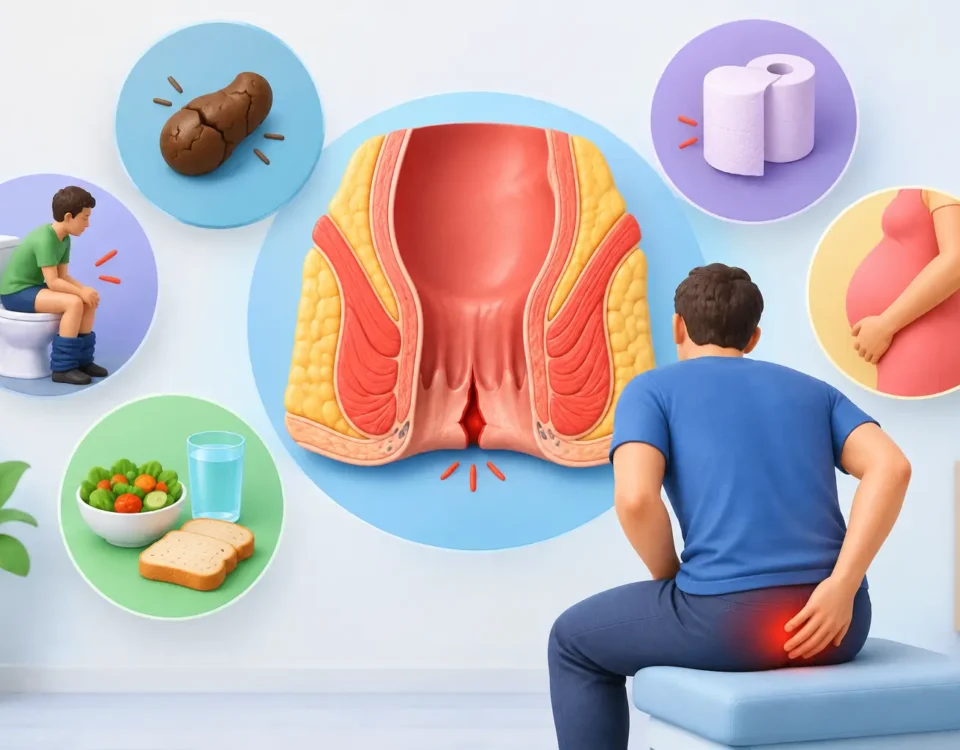
Hemorrhoids are swollen veins in or around the anus. A thrombosed hemorrhoid occurs when a blood clot forms inside an external hemorrhoid, creating a firm, often bluish or purple lump near the anal opening. The clot stretches the surrounding tissue, which is why the pain can be sharp and immediate.
Unlike many internal hemorrhoids, which may cause painless bleeding or prolapse, thrombosed external hemorrhoids tend to be painful to the touch. Some people also notice swelling, itching, minor bleeding, or difficulty cleaning after a bowel movement.
The pain commonly peaks during the first 48 to 72 hours. After that, the body may gradually reabsorb the clot, though the swelling or a small skin tag can remain after the pain improves. Waiting it out is reasonable for some people, but it is not always the most comfortable or appropriate path.
How to Manage Thrombosed Hemorrhoids at Home
Home care can reduce pain and protect the area while you arrange an evaluation or recover from a mild episode. It will not remove every clot immediately, and it should not replace medical care when symptoms are severe.
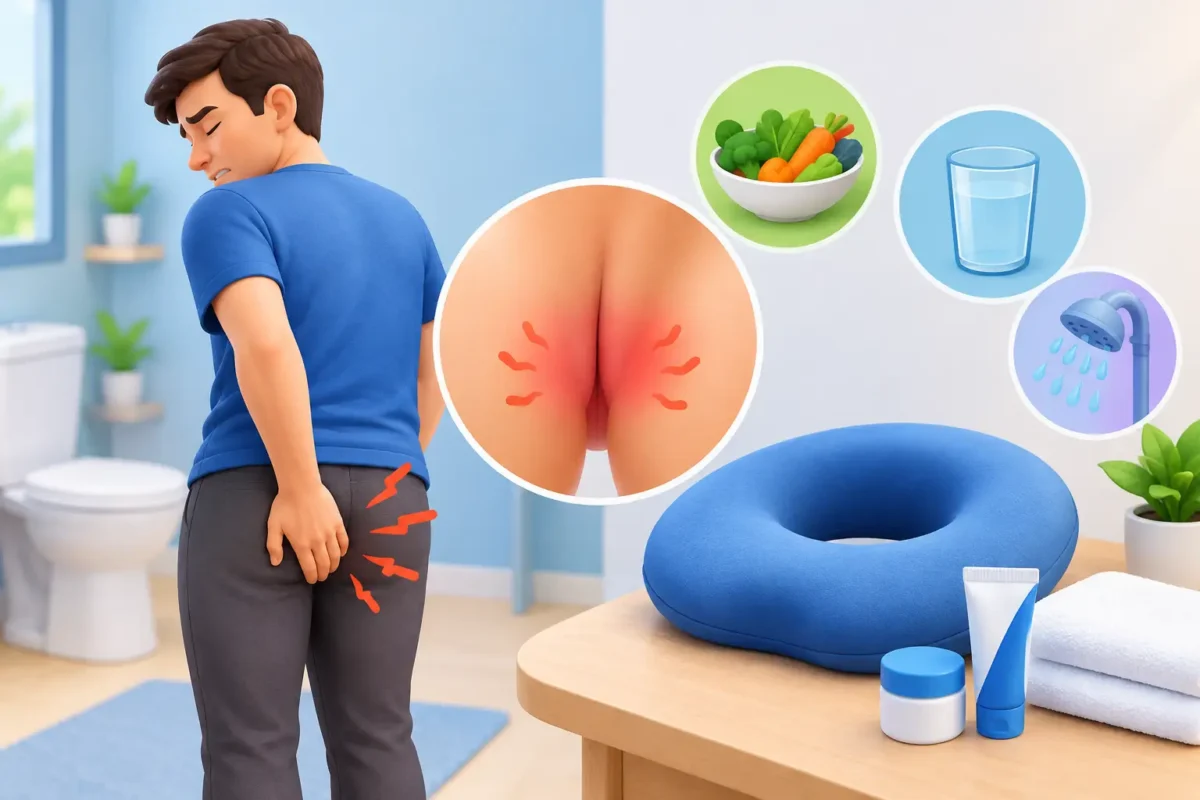
Start by keeping stools soft. Straining increases pressure on hemorrhoidal veins and can worsen pain. Drink adequate water, eat fiber-rich foods such as vegetables, fruit, beans, and whole grains, and consider a fiber supplement if your clinician says it is appropriate for you. The goal is a soft, formed bowel movement that passes without prolonged pushing.
Warm sitz baths can also be soothing. Soak the anal area in plain warm water for 10 to 15 minutes, several times a day and after bowel movements if helpful. The water should be comfortably warm, not hot. Avoid harsh soaps, fragranced wipes, or products that can sting and irritate already sensitive skin.
A wrapped cold pack applied briefly to the outside of the area may help with swelling and discomfort. Use a cloth barrier and limit application to about 10 to 15 minutes at a time. Do not place ice directly on the skin.
Over-the-counter pain medicine may be useful, but the best choice depends on your health history. Acetaminophen is an option for many people. Anti-inflammatory medicines may help some patients, but they are not right for everyone, especially people with kidney disease, stomach ulcers, certain heart conditions, or medications that affect bleeding. Ask a healthcare professional or pharmacist if you are unsure.
Topical products may provide short-term comfort, but they are not a cure for a thrombosed hemorrhoid. Some numbing creams, protective ointments, or short courses of hydrocortisone can ease irritation. Using steroid creams too long can thin the skin, so follow label instructions or your provider’s guidance. Avoid repeatedly applying multiple products at once, which can make irritation worse.
Just as important, change the habits that keep pressure on the area. Do not sit on the toilet scrolling for long periods, and avoid straining. If sitting at work is painful, take short standing or walking breaks when you can. Gentle activity is usually better than prolonged pressure, although strenuous lifting may aggravate symptoms in the short term.
When Prompt Treatment Can Bring Faster Relief
A clinician can examine the area and confirm whether the lump is truly a thrombosed hemorrhoid. This matters because anal fissures, abscesses, skin conditions, and other anorectal concerns can produce pain that patients may mistake for hemorrhoids.
When a thrombosed external hemorrhoid causes substantial pain and symptoms began within roughly the past two to three days, a qualified clinician may discuss removing the clot through a small office-based procedure. In appropriate cases, this can provide faster relief than waiting for the clot to resolve on its own. The decision depends on timing, pain level, the size and location of the hemorrhoid, your medical history, and your preferences.
This is different from hemorrhoid banding. Banding is a common non-surgical treatment for certain internal hemorrhoids, particularly those causing bleeding or prolapse. It is not used to treat a thrombosed external hemorrhoid. A specialized evaluation helps match the treatment to the actual source of your symptoms rather than relying on a one-size-fits-all approach.
If symptoms have already begun improving, conservative care may be the better choice. An office procedure still has trade-offs, including local tenderness during healing and a small risk of bleeding or infection. Your provider can explain what recovery is likely to look like and whether treatment can help you return to normal activity sooner.
Do Not Ignore These Warning Signs
Seek urgent medical evaluation if you have symptoms that could point to a problem beyond a thrombosed hemorrhoid. These include:
- Fever, chills, or feeling generally ill
- Pus, drainage, or increasing redness around the anus
- Severe or rapidly worsening pain, especially with a deep throbbing sensation
- Heavy rectal bleeding, dizziness, fainting, or black stools
- Trouble passing urine or stool because of severe swelling or pain
Rectal bleeding should never be automatically attributed to hemorrhoids, particularly if it is new, recurring, heavy, or accompanied by changes in bowel habits, unexplained weight loss, or abdominal pain. Adults who are due for colorectal cancer screening should stay current with screening recommendations even if hemorrhoids are present.
Preventing Another Painful Flare
A thrombosed hemorrhoid can happen once and never return, but recurring pressure and straining raise the likelihood of future flares. Prevention is less about perfection and more about creating consistent bowel habits.
Aim for daily fiber, enough fluids, and regular movement. Respond when you feel the urge to have a bowel movement rather than delaying it. If constipation is frequent, do not rely only on occasional laxatives without discussing the pattern with a clinician. Persistent constipation, diarrhea, or time spent straining may need a more individualized plan.
Weightlifting, pregnancy, long periods of sitting, and chronic coughing can all increase pressure in the pelvic and rectal area. That does not mean you must avoid normal life. It means adjusting technique, treating constipation or coughs, and getting care early when symptoms begin can reduce the chance that a small irritation becomes a painful episode.
Expert Care Without Delaying Your Life
Many people delay an exam because they feel embarrassed or worry that treatment will automatically mean surgery. A focused hemorrhoid evaluation is typically straightforward, private, and designed to identify the fastest appropriate path to relief. Board-certified providers can determine whether you need conservative treatment, an office-based procedure, or evaluation for another cause of pain.
Hemorrhoid Centers of America focuses on non-surgical treatment pathways for hemorrhoid symptoms, including treatment plans tailored to the type and severity of the condition. For the right patient, care can often be handled without anesthesia or a major disruption to daily responsibilities.
Pain near the anus is difficult enough without uncertainty. If a lump is suddenly painful, swollen, or not improving, getting an expert assessment can replace guesswork with a clear plan and help you move comfortably through your day again.