

How to Identify Hemorrhoid Bleeding Safely
October 24, 2026
Seeing blood on toilet paper, feeling a tender lump, or dealing with persistent itching can make even a routine bathroom visit stressful. Internal and external hemorrhoids are common, but they do not always feel the same or require the same treatment. Knowing which symptoms point to each type can help you move beyond temporary relief and get the right care sooner.
What Are Internal and External Hemorrhoids?
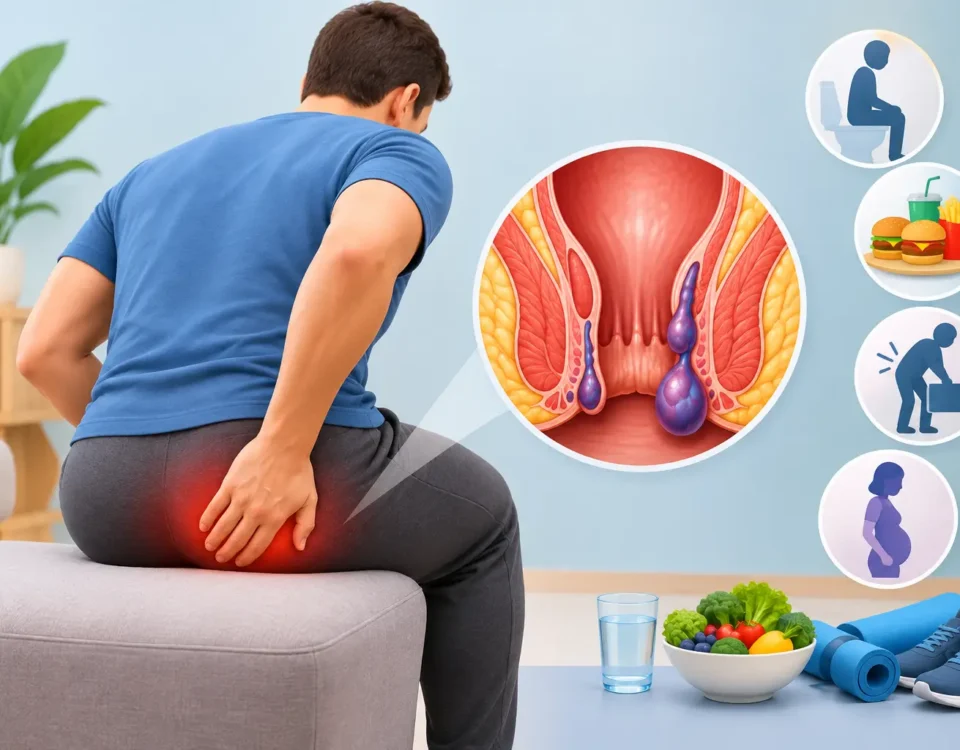
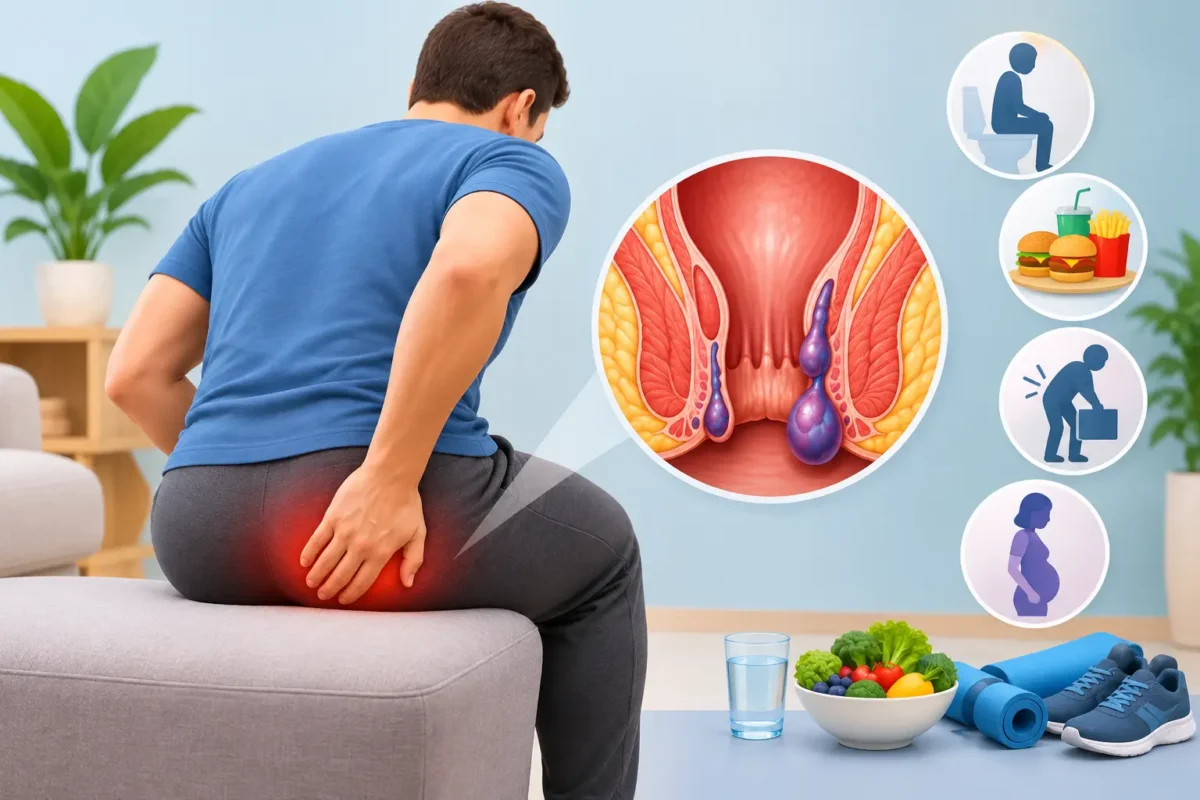
Hemorrhoids are swollen veins in and around the anus and lower rectum. They can develop when pressure increases in these tissues, often from straining during bowel movements, constipation, prolonged sitting on the toilet, pregnancy, heavy lifting, or chronic diarrhea.
The main difference is location. Internal hemorrhoids develop inside the rectum, above the area with many pain-sensitive nerves. External hemorrhoids form beneath the skin around the anal opening, where the nerve supply is much more sensitive.
A person can have one type or both at the same time. That is why symptoms may seem to change from day to day. For example, painless bleeding may occur with an internal hemorrhoid, while a sore or swollen lump may come from an external hemorrhoid.
Internal Hemorrhoid Symptoms
Internal hemorrhoids are often not painful, particularly in the early stages. The most common sign is bright red blood on toilet paper, in the toilet bowl, or on the outside of stool after a bowel movement. Bleeding may be intermittent, which leads many people to wait and hope it resolves on its own.
Internal hemorrhoids can also cause a feeling of fullness, mucus drainage, mild itching, or the sensation that you still need to have a bowel movement after you are finished. As an internal hemorrhoid enlarges, it can prolapse, meaning it pushes downward and extends outside the anus during a bowel movement.
A prolapsed hemorrhoid may go back inside on its own, need gentle manual repositioning, or remain outside. Once it stays outside, it can become irritated, swollen, and more uncomfortable. Still, severe anal pain is not typical of a straightforward internal hemorrhoid. Significant pain may point to a clot, an anal fissure, an abscess, or another condition that needs evaluation.
Why Internal Hemorrhoids Bleed
The surface tissue over an internal hemorrhoid can be easily irritated by hard stool, straining, or repeated bowel movements. Small amounts of bleeding can occur even when the hemorrhoid itself does not hurt. While hemorrhoids are a common cause of rectal bleeding, bleeding should never be automatically self-diagnosed. A focused exam helps confirm the source and rule out other concerns.
External Hemorrhoid Symptoms
External hemorrhoids are more likely to cause pain, tenderness, itching, and visible swelling near the anal opening. Some people notice a soft bump that is bothersome during wiping or sitting. Skin tags can also remain after a previous external hemorrhoid has healed. They are usually harmless, but they may make hygiene more difficult or cause irritation.
An external hemorrhoid can become thrombosed, which means a blood clot forms inside it. A thrombosed external hemorrhoid often causes sudden, intense pain and a firm blue-purple lump. The pain can be especially pronounced during the first few days.
Not every painful lump is a thrombosed hemorrhoid, and not every hemorrhoid needs a procedure. The right approach depends on the severity of pain, the timing of symptoms, the appearance of the area, and your medical history. An experienced provider can distinguish between a thrombosed hemorrhoid, fissure, abscess, or other cause of anal pain.
Internal External Hemorrhoids: Why Diagnosis Matters
It is understandable to assume every episode of rectal bleeding, irritation, or pain is hemorrhoid-related. But several conditions can cause similar symptoms, including anal fissures, inflammatory bowel disease, infections, polyps, and colorectal cancer. A proper diagnosis is the first step toward effective treatment and peace of mind.
A hemorrhoid evaluation is typically straightforward and discreet. Your provider will review your symptoms, bowel habits, medications, and relevant medical history. Depending on your symptoms, the exam may include a visual examination and a brief internal evaluation. This allows the provider to identify whether hemorrhoids are internal, external, prolapsed, thrombosed, or accompanied by another condition such as an anal fissure.
You should seek prompt medical care for heavy bleeding, black or tarry stools, dizziness, fever, drainage, worsening pain, or a painful swelling that appears suddenly. Adults with new rectal bleeding, especially those with a personal or family history of colon polyps or colorectal cancer, should not delay evaluation.
When At-Home Care May Help
Mild hemorrhoid symptoms may improve with changes that reduce straining and irritation. The goal is to keep stool soft and bowel movements easier to pass. Drinking adequate water, gradually increasing dietary fiber, staying physically active, and avoiding long periods of sitting on the toilet can make a meaningful difference.
Warm baths may temporarily ease discomfort, while gentle cleansing can reduce irritation. Over-the-counter creams, wipes, and suppositories can provide short-term symptom relief for some people. They do not remove the underlying internal hemorrhoid, however, and frequent use of certain medicated products can irritate delicate skin.
At-home measures are most useful for mild, occasional symptoms. If bleeding keeps returning, a hemorrhoid prolapses, pain interferes with daily life, or you are relying on creams week after week, it is time for a more definitive evaluation.
Non-Surgical Treatment for Internal Hemorrhoids
For many symptomatic internal hemorrhoids, office-based banding is an effective non-surgical option. During hemorrhoid banding, a small band is placed around the base of the internal hemorrhoid. This cuts off its blood supply so the tissue shrinks and eventually falls away. Because the treatment is performed above the pain-sensitive area, most patients experience pressure rather than sharp pain.
Banding is not a treatment for external hemorrhoids. It is used for appropriate internal hemorrhoids, particularly those causing recurrent bleeding or prolapse. The treatment plan may involve more than one banding session, depending on how many hemorrhoids are present and how advanced they are.
At Hemorrhoid Centers of America, care is centered on identifying the source of symptoms and recommending a treatment path that avoids traditional surgery whenever appropriate. Office-based care can often be completed without anesthesia, and many patients return to normal daily activity the same day.
Medication may also play a role when inflammation, irritation, or an anal fissure is contributing to symptoms. A custom medication protocol can be useful in selected cases, but it works best when matched to an accurate diagnosis rather than chosen through trial and error.
What Recovery Usually Looks Like
Recovery depends on the type of hemorrhoid and treatment provided. After internal hemorrhoid banding, patients may feel mild pressure, fullness, or a dull ache for a short period. Some light spotting can occur when the treated tissue separates. Most people can resume regular routines quickly, though providers may recommend avoiding heavy lifting or strenuous activity briefly.
External hemorrhoid symptoms can take longer to settle if there is substantial swelling or a clot. Comfort measures and stool-softening habits remain part of recovery because they reduce pressure during bowel movements and help prevent repeat irritation.
The trade-off with delaying care is that symptoms may become more disruptive over time. What begins as occasional bleeding or itching can progress to repeated prolapse, chronic irritation, or anxiety around every bowel movement. Early evaluation gives you more non-surgical options and a clearer path to relief.
Do Not Let Embarrassment Delay Relief
Hemorrhoid symptoms are personal, but they are also extremely common. Specialized providers discuss bleeding, itching, swelling, and anal pain every day. There is no need to keep guessing, tolerate symptoms that disrupt your work or sleep, or assume surgery is your only option.
If your symptoms are recurring or getting in the way of daily life, a focused evaluation can replace uncertainty with a practical plan for relief.