
Fast Relief for Painful Hemorrhoids
March 14, 2026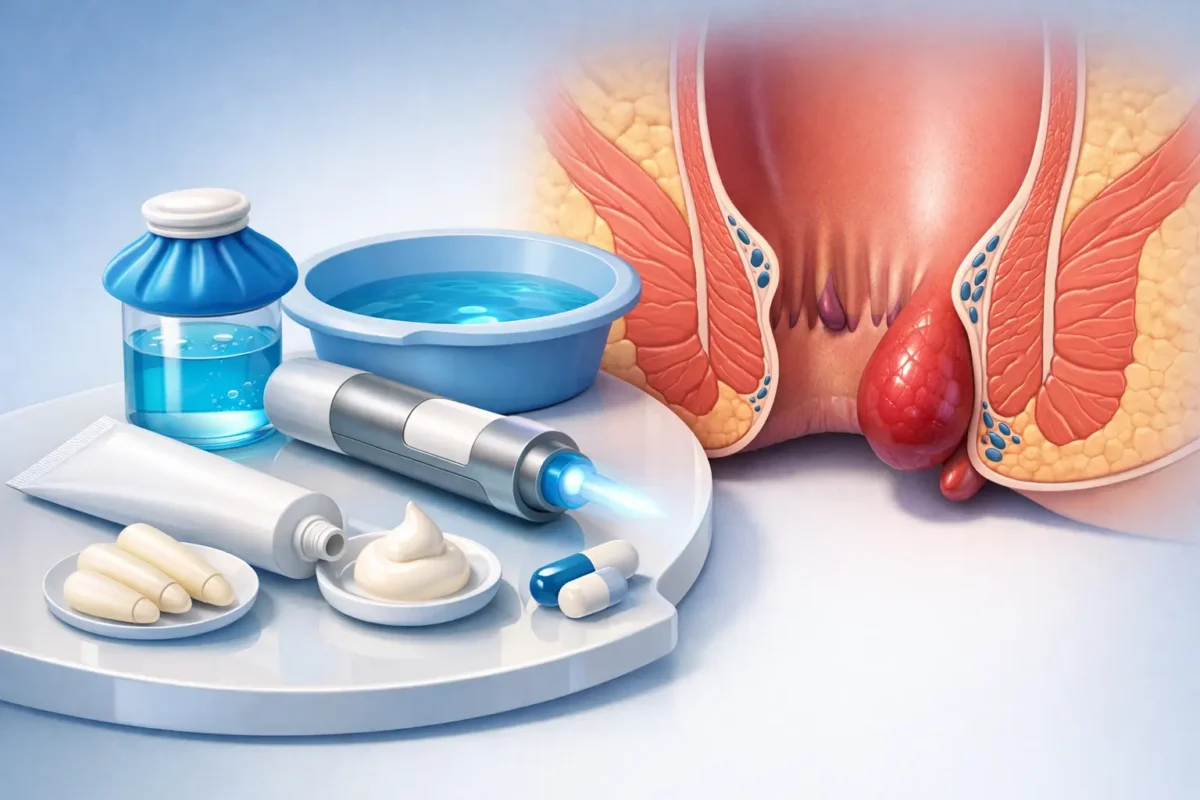
That sharp, swollen, irritated lump at the edge of the anus tends to get your attention fast. For many people, the real question is not whether it is an external hemorrhoid. It is how to make it stop hurting as quickly as possible.
The best treatment for external hemorrhoids depends on what kind of symptoms you have, how long they have been present, and whether the problem is truly an external hemorrhoid or something else. Mild cases often improve with conservative care. Severe pain, significant swelling, or ongoing bleeding may need prompt medical evaluation, especially when symptoms are not improving.
What external hemorrhoids actually are
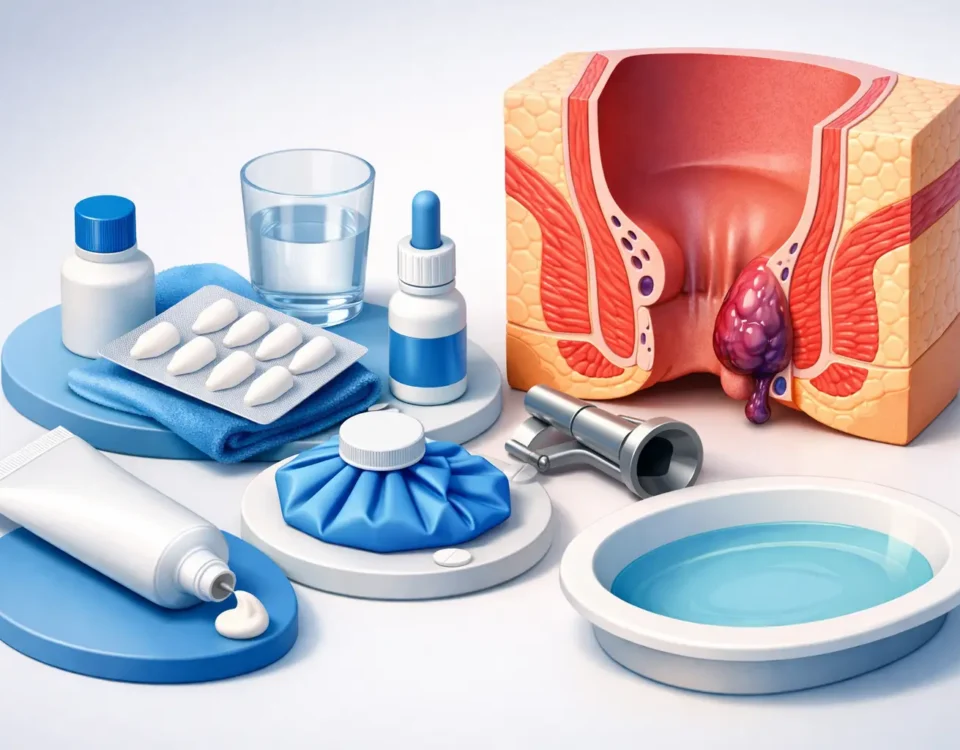
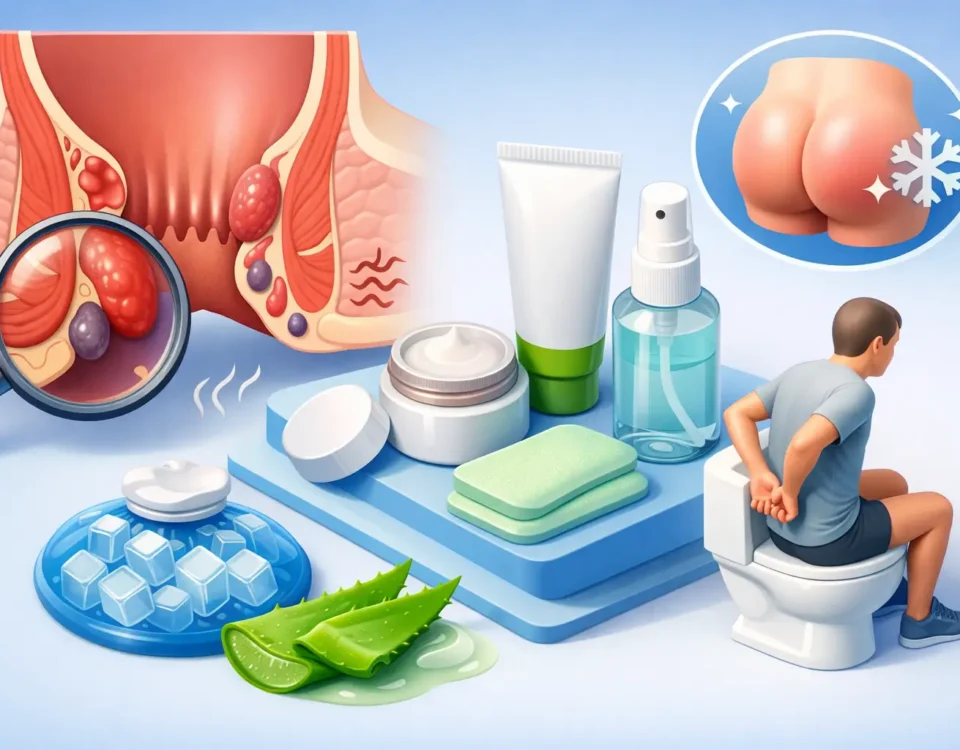
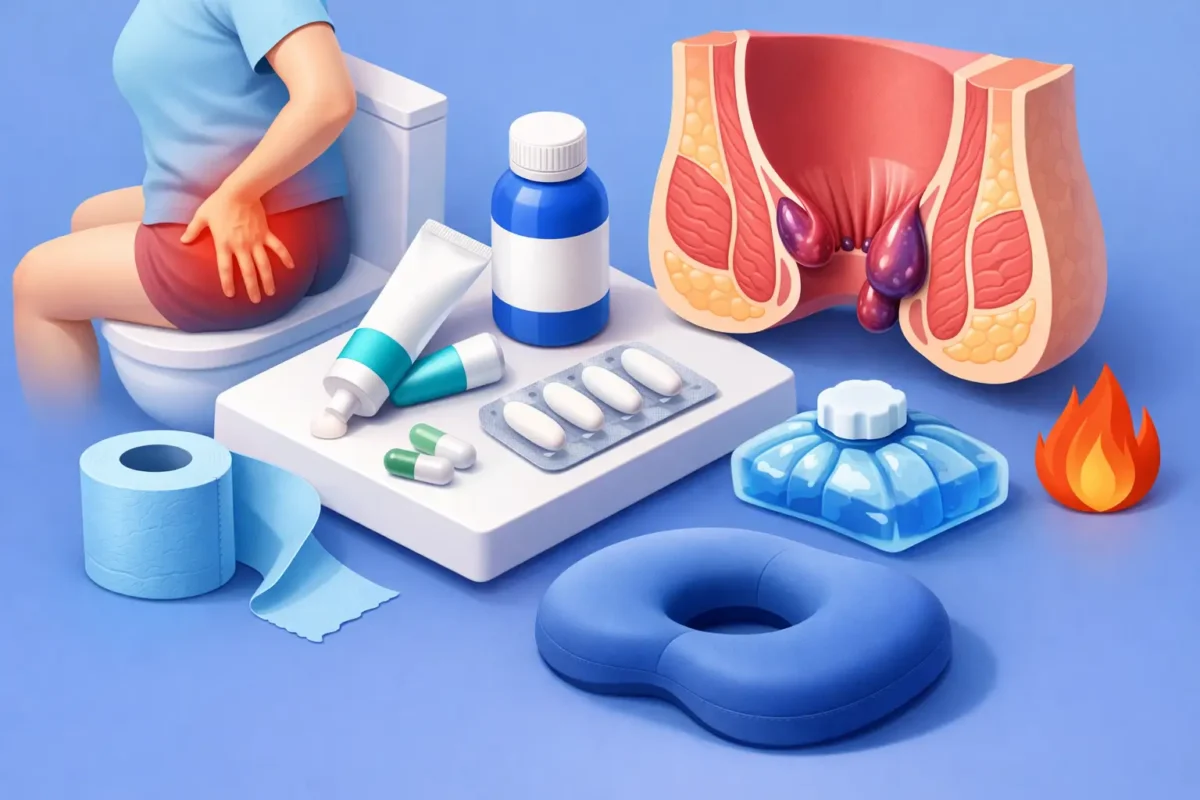
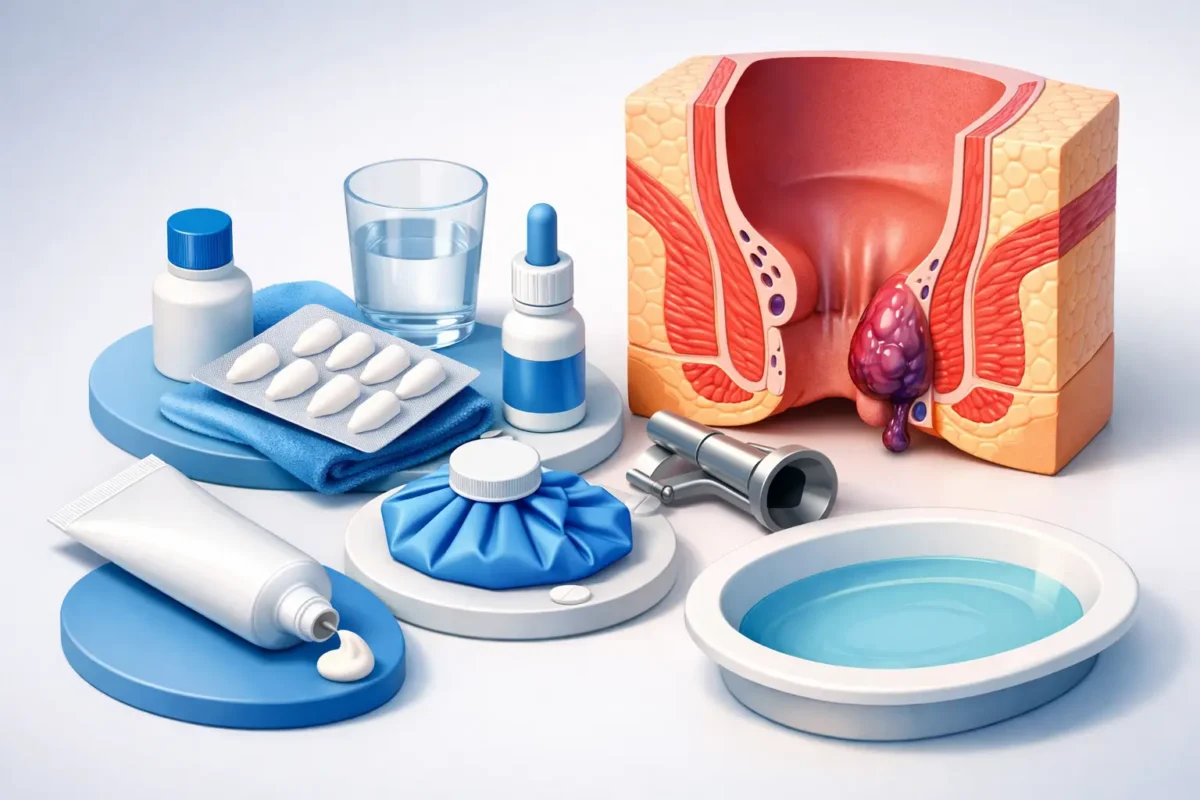
External hemorrhoids are enlarged veins under the skin around the anus. Unlike internal hemorrhoids, which form inside the rectum, external hemorrhoids are located where the skin is more sensitive. That is why they are more likely to cause pain, burning, itching, and irritation.
Sometimes an external hemorrhoid becomes thrombosed, which means a blood clot forms inside it. This can cause sudden, intense pain and a firm, tender lump. A thrombosed external hemorrhoid is one of the most uncomfortable forms of hemorrhoidal disease, and it often drives people to seek care quickly.
Best treatment for external hemorrhoids at home
If symptoms are mild to moderate, home treatment is often the first step. The goal is to reduce pressure, calm inflammation, and avoid making the area more irritated.
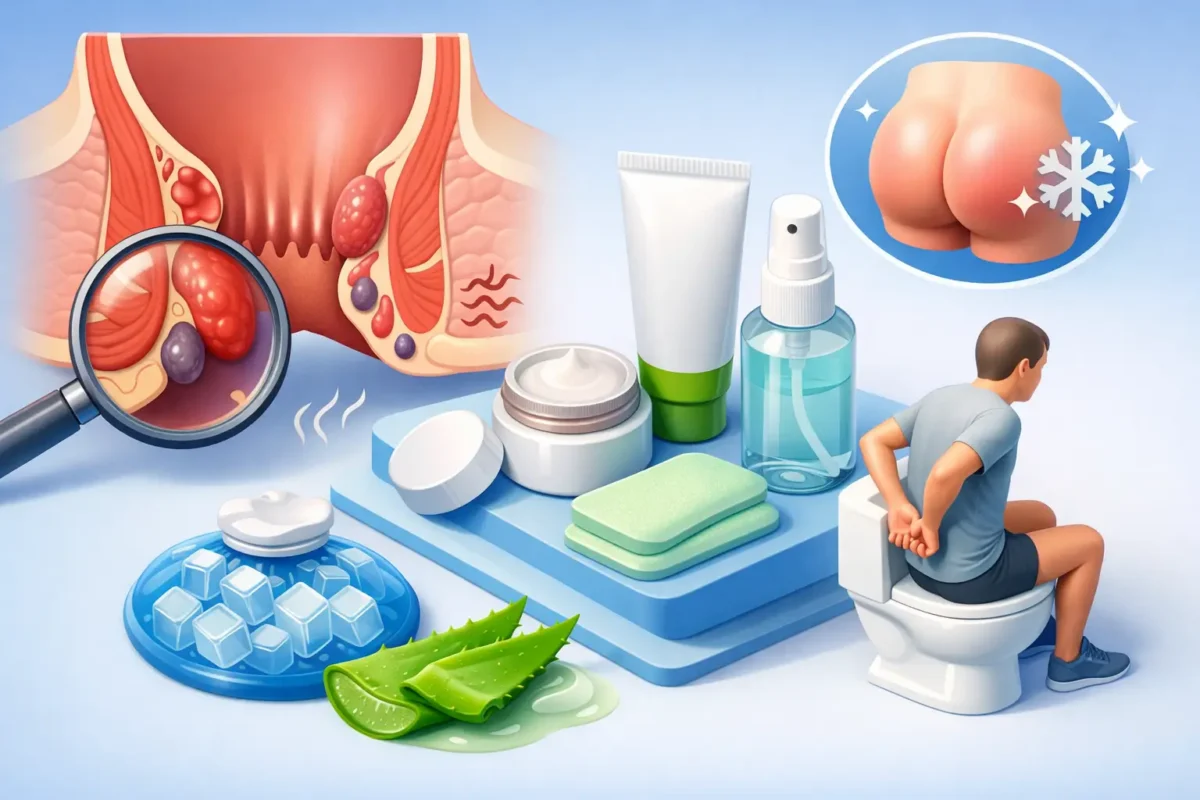
Warm sitz baths can be very effective for short-term relief. Sitting in warm water for 10 to 15 minutes a few times a day may help relax the area and reduce discomfort. This does not remove the hemorrhoid itself, but it can make daily life much more manageable while healing occurs.
Stool softening is another key part of treatment. Straining is one of the most common reasons hemorrhoids worsen. Drinking more water, increasing fiber intake gradually, and using a stool softener when appropriate can reduce repeated trauma to the area. If bowel movements are hard or you find yourself pushing, even a good cream is unlikely to solve the larger problem.
Over-the-counter creams, wipes, and suppositories can also help, but their role is often limited. Products with witch hazel may calm irritation. Hydrocortisone creams may reduce itching for a short period. Numbing agents can provide temporary relief. The trade-off is that these products usually treat symptoms, not the underlying swollen vein, and overuse can irritate the skin further.
Cold compresses can help bring down swelling, especially during flare-ups. This is a simple option, but it should be done gently. Ice should never be placed directly on the skin.
Pain relievers such as acetaminophen or ibuprofen may also help, assuming they are safe for you to take based on your medical history. If bleeding is part of the picture, it is wise to ask a medical provider before routinely using medications that may affect clotting.
When home care is enough and when it is not
Many external hemorrhoids improve within days to a couple of weeks with conservative treatment. That is the good news. The harder truth is that not every painful lump near the anus is a hemorrhoid, and not every hemorrhoid should be managed at home for too long.
If symptoms are improving steadily, home care may be enough. If pain is getting worse, the swelling is becoming more pronounced, or bleeding continues, it is time to be evaluated. The same is true if you have recurrent flare-ups that keep coming back. Repeating the same home remedy cycle every few months may delay a more effective solution.
You should also seek care sooner if you have heavy rectal bleeding, fever, drainage, severe pain that began suddenly, or symptoms that do not clearly fit a hemorrhoid pattern. Anal fissures, abscesses, skin tags, and other anorectal conditions can overlap with hemorrhoid symptoms.
The best treatment for external hemorrhoids in severe cases
When an external hemorrhoid is thrombosed and very painful, the best treatment may be an in-office procedure rather than another round of creams. Timing matters here. In some cases, a clinician may be able to treat the thrombosed hemorrhoid directly and provide faster relief than watchful waiting alone.
This is one reason specialized evaluation can make such a difference. A board-certified provider can determine whether the pain is coming from an external hemorrhoid, an internal hemorrhoid that has prolapsed, an anal fissure, or another condition entirely. That distinction matters because the treatment path is different.
For example, hemorrhoid banding is a highly effective office-based treatment for internal hemorrhoids, but banding is not used for true external hemorrhoids. Patients often use the term hemorrhoids broadly, even when the real source of bleeding or prolapse is internal. In those situations, a specialist can identify the actual problem and recommend the right non-surgical option instead of guessing.
Custom medication protocols may also be part of treatment when the area is inflamed, irritated, or complicated by overlapping conditions such as fissures. The best plan is often not one-size-fits-all. It depends on where the hemorrhoid is located, whether a clot is present, and which symptoms are driving the problem.
Why some treatments fail
A common reason treatment fails is that the wrong condition is being treated. People often assume itching means hemorrhoids, but persistent itching can also come from skin irritation, hygiene issues, fissures, or other anorectal problems. Bright red blood on toilet paper may be caused by internal hemorrhoids rather than external ones. A painful lump could be a thrombosed external hemorrhoid, but it could also be something else.
Another reason is that symptom relief gets mistaken for resolution. A cream may reduce burning for a few hours, but that does not mean the underlying issue is gone. If bowel habits, straining, constipation, or prolonged sitting are still part of daily life, symptoms may return quickly.
There is also the issue of delay. Many people wait longer than they should because they are embarrassed or worried that any office visit will lead to surgery. In reality, many anorectal conditions can be diagnosed quickly and treated with office-based, non-surgical approaches that involve little downtime.
What to expect from a specialist visit
For patients who want fast, clear answers, a focused hemorrhoid evaluation is often the most efficient next step. The visit is designed to identify the source of pain, bleeding, swelling, or itching and match it to the least invasive treatment that is likely to work.
That may mean reassurance and a conservative plan. It may mean treatment for internal hemorrhoids if those are contributing to the problem. It may mean recognizing that an anal fissure is actually the main cause of pain. The point is precision. When the diagnosis is right, treatment tends to be faster and more effective.
At Hemorrhoid Centers of America, care is centered on non-surgical treatment pathways that help patients avoid unnecessary hospital-based procedures and get back to normal activity quickly. For many adults balancing work, family, and daily obligations, that speed and convenience matter just as much as symptom relief.
How to reduce the chance of another flare-up
Even after symptoms improve, prevention matters. The most helpful long-term changes are usually simple: keep stools soft, avoid straining, do not sit on the toilet longer than necessary, and respond to the urge to have a bowel movement rather than waiting.
If your job keeps you seated most of the day, brief movement breaks can help reduce pressure. If constipation is a pattern, fixing that pattern is often more valuable than trying new topical products every few weeks. And if symptoms keep returning despite doing everything right, that is a good reason to get evaluated instead of managing it indefinitely on your own.
The best treatment for external hemorrhoids is the one that matches the actual cause and severity of your symptoms. Sometimes that is warm baths, fiber, and time. Sometimes it is prompt evaluation and targeted, office-based care. If the pain is persistent, the bleeding continues, or you are tired of guessing, getting expert help can be the fastest way back to feeling normal.