

Top Causes of Anal Fissures and What to Do
October 4, 2026
What Helps Hemorrhoids From Sitting Too Long?
October 8, 2026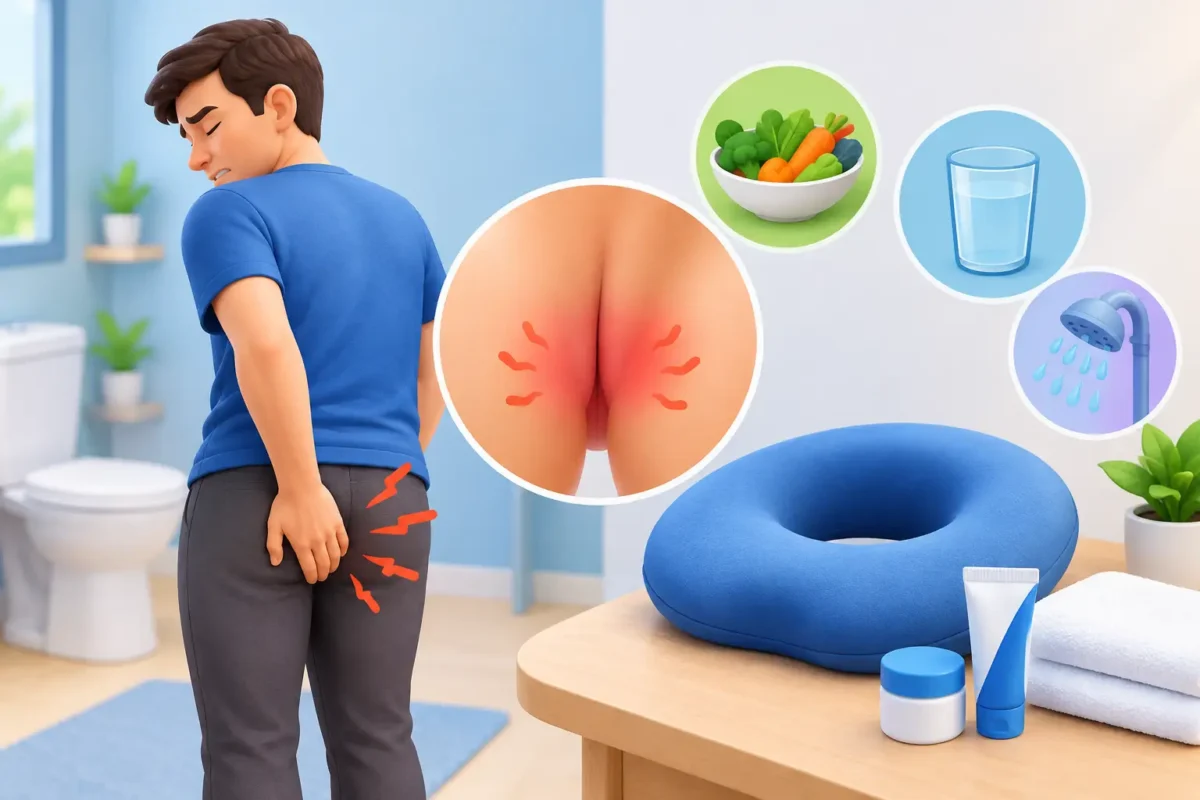
A persistent itch can be more disruptive than people expect. Anal itching may interrupt sleep, make sitting through a workday uncomfortable, and leave you wondering whether a minor irritation has become something more. It is also a symptom many people put off discussing because of embarrassment. You do not have to guess or live around it. The cause is often treatable, and the right care can bring meaningful relief.
肛门瘙痒的原因是什么?
Anal itching, medically called pruritus ani, is not a diagnosis by itself. It is a symptom with several possible causes, ranging from simple skin irritation to hemorrhoids, an anal fissure, infection, or an underlying skin condition. The details matter: when the itch began, whether it is worse at night, and whether there is pain, bleeding, swelling, or drainage can help identify the source.
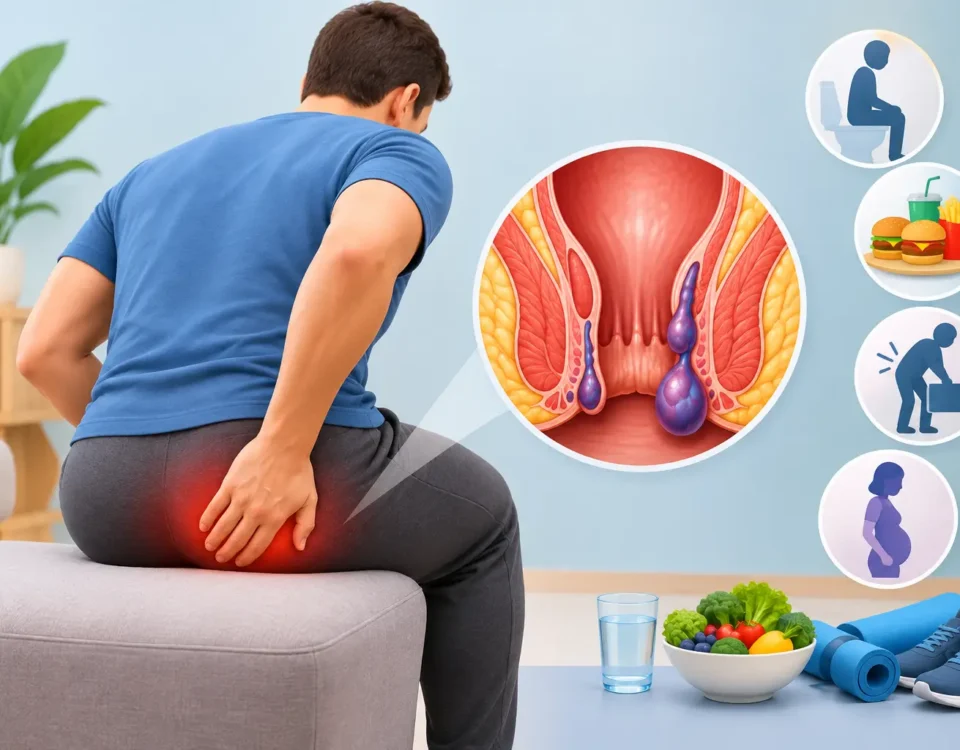
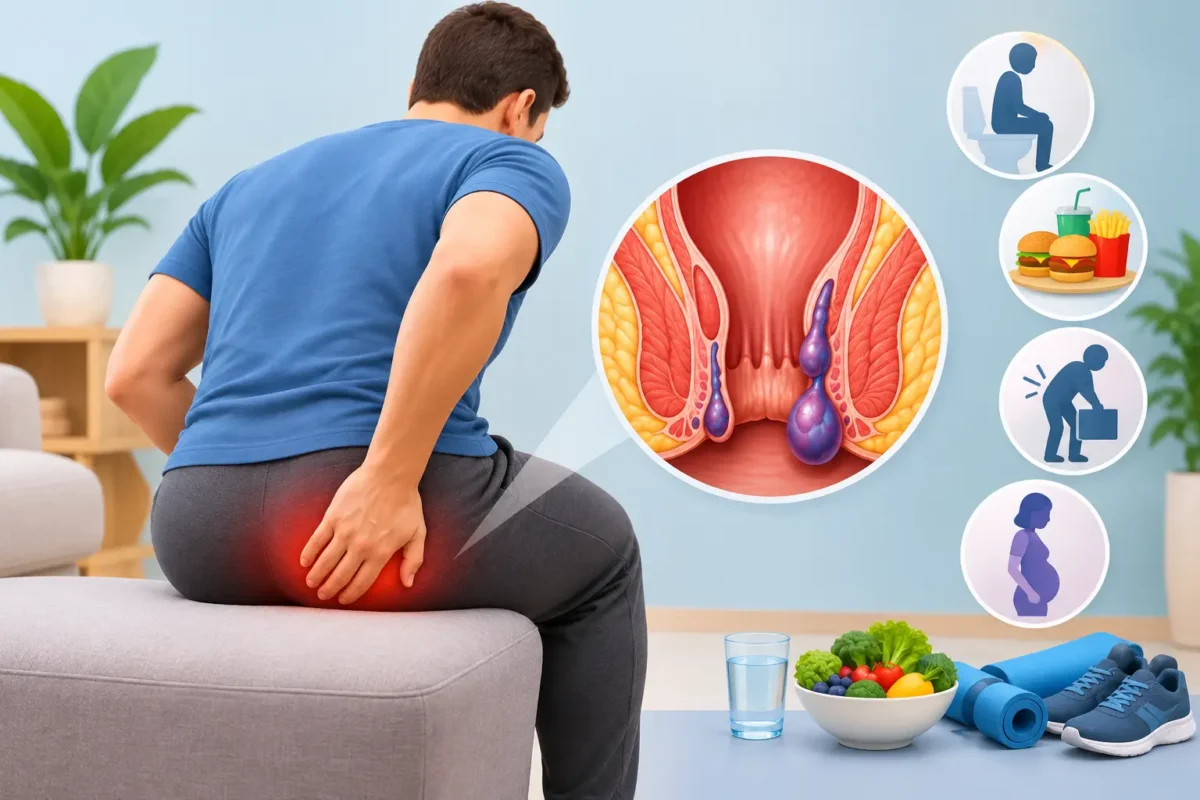
Hemorrhoids are a common reason for itching. Internal hemorrhoids can produce mucus that irritates the surrounding skin, while external hemorrhoids may cause swelling, inflammation, and difficulty cleaning the area comfortably. Itching may occur with bleeding during bowel movements, a sense of fullness, or tissue that protrudes from the anus.
An anal fissure, or small tear in the anal lining, is another possible cause. Fissures more often cause sharp pain during or after a bowel movement, but irritation and itching can develop as the area heals or remains inflamed. Constipation, hard stools, repeated straining, and frequent diarrhea can contribute to both hemorrhoids and fissures.
Sometimes the culprit is not an anorectal condition at all. Sweat, moisture, fragranced wipes, soaps, scented toilet paper, tight clothing, or over-cleaning can irritate sensitive skin. Certain foods and drinks may make symptoms worse for some people, particularly coffee, spicy foods, alcohol, and acidic foods. Skin conditions such as eczema or psoriasis, yeast or bacterial infections, medications, and less commonly parasites may also be involved.
Why Scratching Often Makes Anal Itching Worse
The urge to scratch is understandable, but it can create a frustrating cycle. Scratching damages the delicate skin around the anus. That damage increases inflammation and sensitivity, which leads to more itching and a stronger urge to scratch. Over time, the skin can become thickened, tender, or broken.
This is why aggressive cleaning can backfire too. Repeated wiping, scrubbing with soap, or using multiple medicated products without guidance can strip the skin’s protective barrier. Relief usually comes from reducing irritation, not treating the area more forcefully.
What You Can Try at Home
For mild symptoms without significant pain or bleeding, a few careful changes may help. Keep the area clean using lukewarm water, then gently pat it dry rather than rubbing. If toilet paper is irritating, choose plain, unscented paper and avoid fragranced wipes. A hair dryer on a cool setting can help dry the area without friction.
Wear breathable cotton underwear and change out of damp workout clothes or swimsuits promptly. Avoid tight garments that trap heat and moisture. If bowel movements are hard or require straining, focus on softer, easier-to-pass stools through adequate fluids, dietary fiber, and a routine that does not involve sitting on the toilet for long periods.
A short course of an over-the-counter protective ointment may calm irritated skin. Low-strength hydrocortisone can sometimes reduce inflammation, but it should not be used for extended periods unless a clinician advises it. Prolonged steroid use can thin the skin and mask a condition that needs different treatment.
It is also worth paying attention to triggers. If itching began after a new body wash, detergent, wipe, cream, or dietary change, stop the suspected irritant and see whether symptoms improve. The goal is not to eliminate every possible trigger at once. It is to give the skin a chance to recover while identifying patterns that may be contributing.
When Anal Itching May Be a Hemorrhoid Symptom
Hemorrhoid-related itching often comes with other clues. You may see bright red blood on toilet paper or in the bowl, notice swelling or a lump near the anus, or feel incomplete cleaning after a bowel movement. Internal hemorrhoids can leak mucus, which keeps the surrounding skin damp and irritated. External hemorrhoids may itch because the skin is stretched or inflamed.
Over-the-counter creams may temporarily reduce discomfort, but they do not remove the underlying hemorrhoid. If symptoms recur, interfere with daily life, or continue despite careful home care, an evaluation can clarify whether hemorrhoids are the problem and which treatment is appropriate.
For many patients, treatment does not mean traditional surgery. Office-based options such as hemorrhoid banding can treat qualifying internal hemorrhoids without anesthesia or a hospital stay. The right approach depends on the type, location, and severity of the hemorrhoid, as well as whether another condition is causing the symptoms. A focused exam helps prevent treating the wrong problem.
When You Should See a Specialist
Make an appointment if anal itching lasts longer than a week or two, keeps returning, or does not improve after avoiding common irritants. Seek prompt medical attention if you have rectal bleeding, notable pain, a new lump, drainage, fever, unexplained weight loss, or a change in bowel habits. While hemorrhoids are common, not every symptom around the anus is caused by hemorrhoids.
A specialist can evaluate the area discreetly and identify whether the issue is hemorrhoids, an anal fissure, dermatitis, infection, or another condition. This is especially valuable when symptoms overlap. For example, itching plus bleeding may point to hemorrhoids, but pain with bowel movements may suggest a fissure. Some patients have more than one source of irritation at the same time.
At Hemorrhoid Centers of America, board-certified providers focus on identifying the cause of hemorrhoid and fissure symptoms and recommending non-surgical care when appropriate. The aim is straightforward: relieve symptoms effectively while minimizing disruption to your schedule.
What to Expect From an Evaluation
Most visits begin with a conversation about your symptoms, bowel habits, medical history, and products you use around the area. A provider may perform a visual exam and, when needed, an internal exam to assess for hemorrhoids or other concerns. These exams are typically brief, and they provide information that cannot be confirmed by symptoms alone.
If hemorrhoids are contributing to the itch, your provider may recommend changes to bowel habits along with office-based treatment. If a fissure is present, treatment may include medication designed to relax the anal muscle and support healing. If the skin itself is irritated, the plan may focus on removing triggers and using a targeted topical treatment. The best treatment is specific to the cause, which is why repeated trial-and-error with creams is often frustrating.
There is no need to wait until itching becomes severe to ask for help. Early treatment can protect the skin from further irritation, address hemorrhoids or fissures before symptoms escalate, and help you get back to work, exercise, sleep, and everyday routines with less discomfort.