

Anal Fissure Healing and When to Get Care
November 13, 2026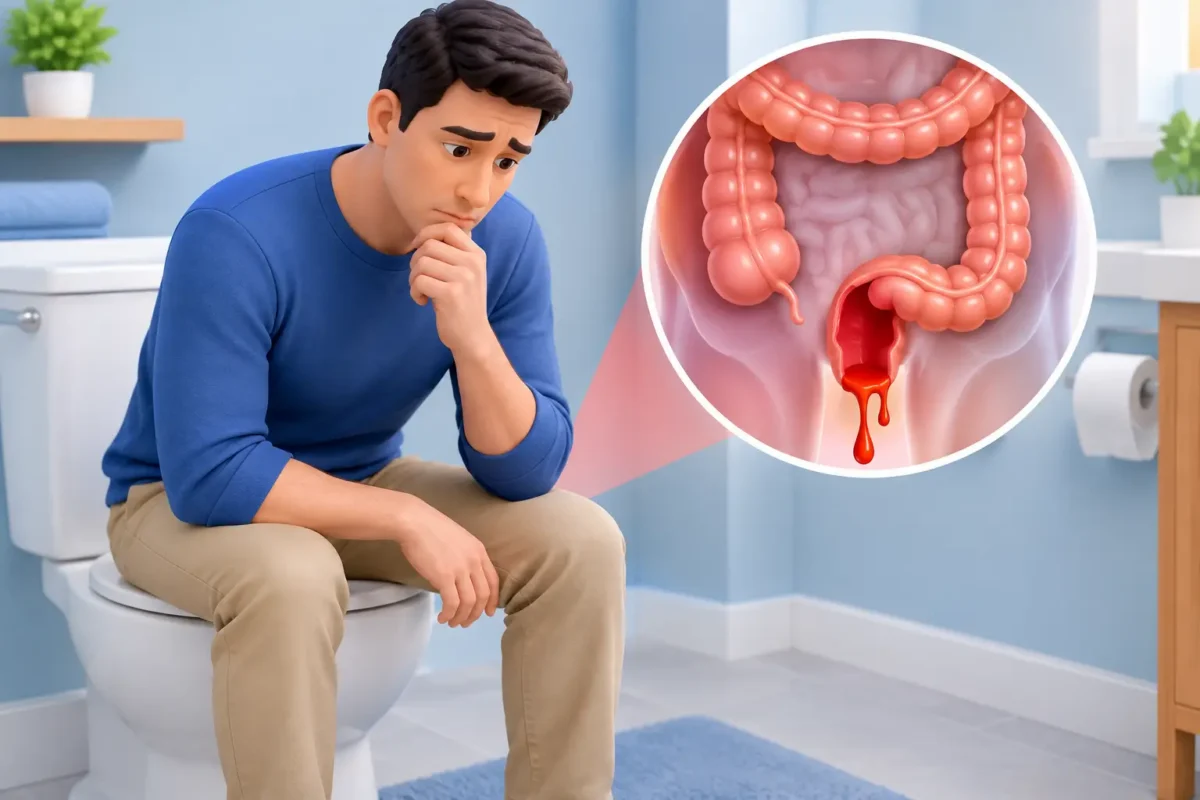
Seeing blood after a bowel movement can be alarming, even when the amount is small. When people search for warning signs rectal bleeding, they often want to know whether the cause is a hemorrhoid, an anal fissure, or something that needs more urgent attention. The answer depends on the pattern of bleeding and the symptoms that come with it. The safest approach is not to guess or wait for the problem to become disruptive.
When Rectal Bleeding Needs Emergency Care
Some bleeding requires immediate medical attention. Go to an emergency room or call 911 if bleeding is heavy, continuous, or accompanied by fainting, severe dizziness, confusion, shortness of breath, chest pain, or a rapid heartbeat. These can be signs of significant blood loss or another serious medical issue.
Urgent evaluation is also appropriate when rectal bleeding occurs with severe or worsening abdominal pain, a swollen or rigid abdomen, vomiting, black tar-like stools, or maroon-colored stool. Black or tarry stool can indicate bleeding higher in the digestive tract rather than bleeding from hemorrhoids or a fissure.
A single small streak of bright red blood is not always an emergency. Still, it deserves attention if it recurs, increases, or comes with other changes in your health. Embarrassment is understandable, but it should not delay care.
Warning Signs of Rectal Bleeding That Need Prompt Evaluation
Bright red blood on toilet paper, in the bowl, or on the outside of stool is commonly associated with hemorrhoids or an anal fissure. Both conditions are very treatable, often without traditional surgery. But no one can reliably diagnose the source of bleeding based on appearance alone.
Schedule a medical evaluation promptly if you notice any of the following warning signs:
- Bleeding that lasts more than a few days or returns repeatedly
- Blood mixed throughout the stool rather than only on the paper or surface
- A noticeable change in bowel habits, such as new constipation, diarrhea, narrow stools, or a persistent feeling that you cannot fully empty your bowel
- Unexplained fatigue, weakness, paleness, or reduced exercise tolerance, which can occur with anemia
- Unintentional weight loss, reduced appetite, fever, or night sweats
- New rectal bleeding after age 45, or at any age if you have a personal or family history of colorectal polyps, colorectal cancer, inflammatory bowel disease, or other digestive conditions
These symptoms do not automatically mean cancer or another serious disease. They do mean the bleeding should be evaluated instead of attributed to hemorrhoids without an examination.
What Hemorrhoid Bleeding Usually Feels Like
Internal hemorrhoids are swollen veins inside the lower rectum. They often cause painless, bright red bleeding during or after bowel movements. You may see blood on the toilet paper or a few drops in the toilet. Some people also notice itching, irritation, mucus, swelling, or tissue that protrudes during a bowel movement.
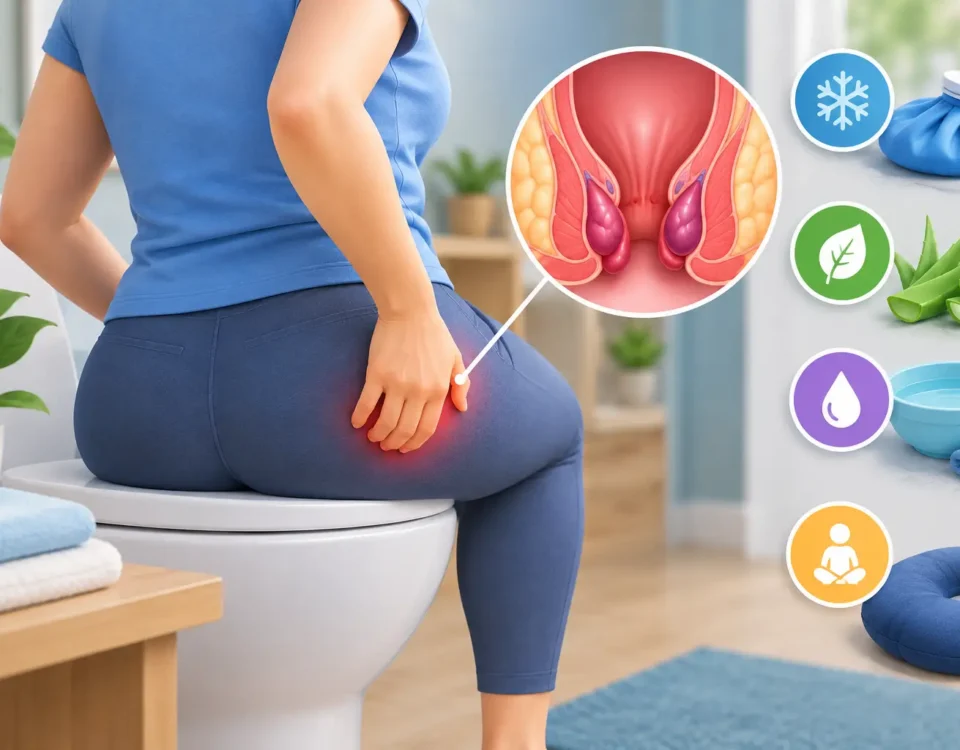
External hemorrhoids can cause a tender lump near the anus, itching, and swelling. They may bleed, particularly after straining or wiping aggressively. A thrombosed external hemorrhoid, which contains a blood clot, can be especially painful and may appear suddenly.
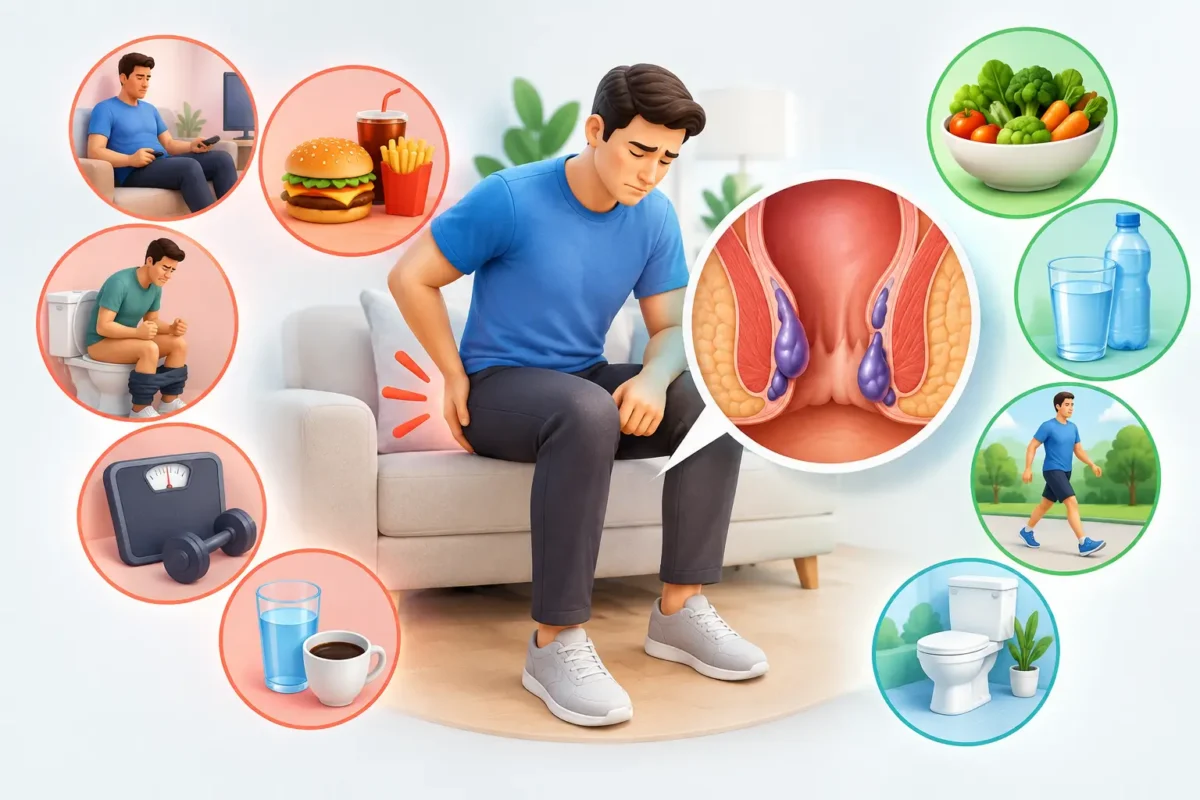
Hemorrhoid symptoms can flare when constipation, straining, prolonged sitting on the toilet, pregnancy, heavy lifting, or chronic diarrhea puts extra pressure on the area. Over-the-counter creams and home measures may provide temporary comfort, but persistent bleeding is a reason to see a specialist. Repeated flare-ups often mean the underlying hemorrhoid needs more targeted treatment.
Could It Be an Anal Fissure?
An anal fissure is a small tear in the lining of the anal canal. It commonly causes sharp, cutting, or burning pain during a bowel movement, followed by pain that can continue for minutes or hours. A small amount of bright red blood on toilet paper is also common.
Constipation and hard stools are frequent triggers, although diarrhea and childbirth can contribute as well. Because fissure pain can make people avoid bowel movements, the problem can become a frustrating cycle: stool becomes harder, bowel movements hurt more, and the tear has less chance to heal.
A fissure may improve with stool-softening strategies, hydration, dietary changes, and prescribed topical medication. If symptoms continue, specialized treatment can help promote healing without the recovery demands of traditional surgery.
Why You Should Not Self-Diagnose Rectal Bleeding
Hemorrhoids and fissures are common, but they are not the only possible causes of rectal bleeding. Inflammation, infections, diverticular disease, polyps, inflammatory bowel disease, medication effects, and colorectal cancer can also cause bleeding. The right next step depends on your age, medical history, family history, medications, the amount and color of blood, and whether other symptoms are present.
For example, someone with a known history of hemorrhoids may still need an evaluation if their bleeding pattern changes. Similarly, a painful bowel movement with a few drops of bright red blood may be consistent with a fissure, but persistent pain or bleeding should not be managed indefinitely at home.
A focused exam can identify many anorectal causes quickly and discreetly. Your clinician may recommend additional testing when your symptoms, risk factors, or routine screening schedule call for it. This is not about assuming the worst. It is about identifying the actual cause so you can receive the right treatment without unnecessary delay.
What to Do While You Wait for an Appointment
If you have mild bleeding and no emergency warning signs, avoid straining during bowel movements. Drink adequate water, increase dietary fiber gradually if it is appropriate for you, and do not sit on the toilet for extended periods. A warm sitz bath may ease discomfort around the anal area.
Be cautious with repeated use of over-the-counter hemorrhoid products. Some topical medications can irritate sensitive skin or mask symptoms without addressing the cause. Do not use aspirin, ibuprofen, anticoagulants, or other medications differently without first speaking with the clinician who prescribed them. Blood-thinning medications can affect bleeding, but they should never be stopped on your own.
Keep track of what you see: whether the blood is bright red, dark red, or black; how often it happens; whether it is on the paper, in the bowl, or mixed with stool; and whether pain, itching, bowel changes, or fatigue are present. These details help your provider assess the situation efficiently.
Relief for Hemorrhoids and Fissures Does Not Have to Mean Surgery
When hemorrhoids or anal fissures are confirmed, treatment should match the condition and its severity. Mild symptoms may respond to medication and bowel-habit changes. More persistent internal hemorrhoids may be treated with office-based banding, a procedure designed to address the hemorrhoid without traditional surgery or general anesthesia.
The advantage of specialized care is not simply convenience. It is the ability to distinguish between conditions that can feel similar and to recommend a focused plan. For many patients, non-surgical treatment can be completed in an office setting with minimal downtime, allowing them to return to normal daily activities quickly.
At Hemorrhoid Centers of America, board-certified providers focus specifically on diagnosing and treating hemorrhoids and anal fissures with non-surgical options whenever appropriate. If bleeding has become a recurring concern, a timely evaluation can replace uncertainty with a clear path toward relief.
Rectal bleeding is not a symptom to ignore or normalize. Getting it checked is a practical, private step that can protect your health and help you get back to feeling comfortable sooner.