
How to Stop Hemorrhoid Itching and Get Relief
November 9, 2026
Anal Fissure Healing and When to Get Care
November 13, 2026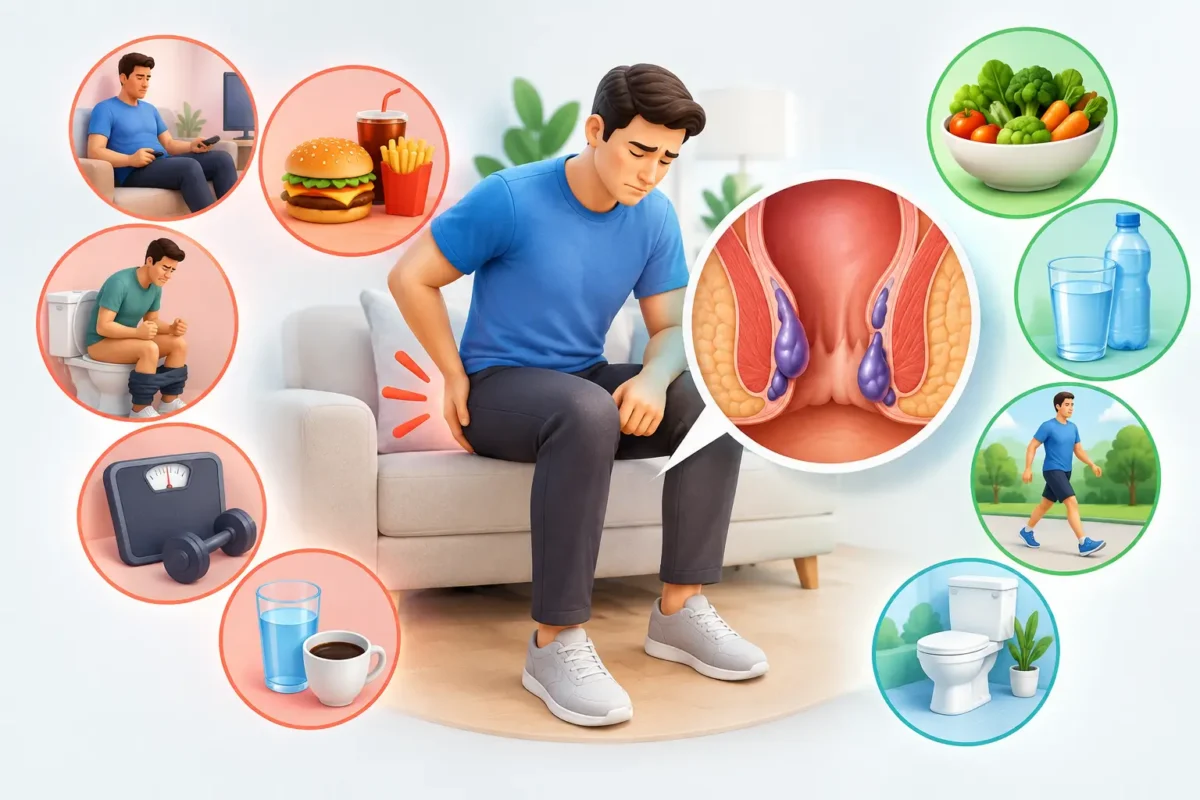
A flare-up often starts with something ordinary: a few days of constipation, a long drive, a heavy workout, or repeated trips to the bathroom with diarrhea. Knowing the top hemorrhoid triggers can help you make small changes before itching, swelling, pain, or bleeding interrupts your routine. It can also help you recognize when home measures are no longer enough and specialized care is the right next step.
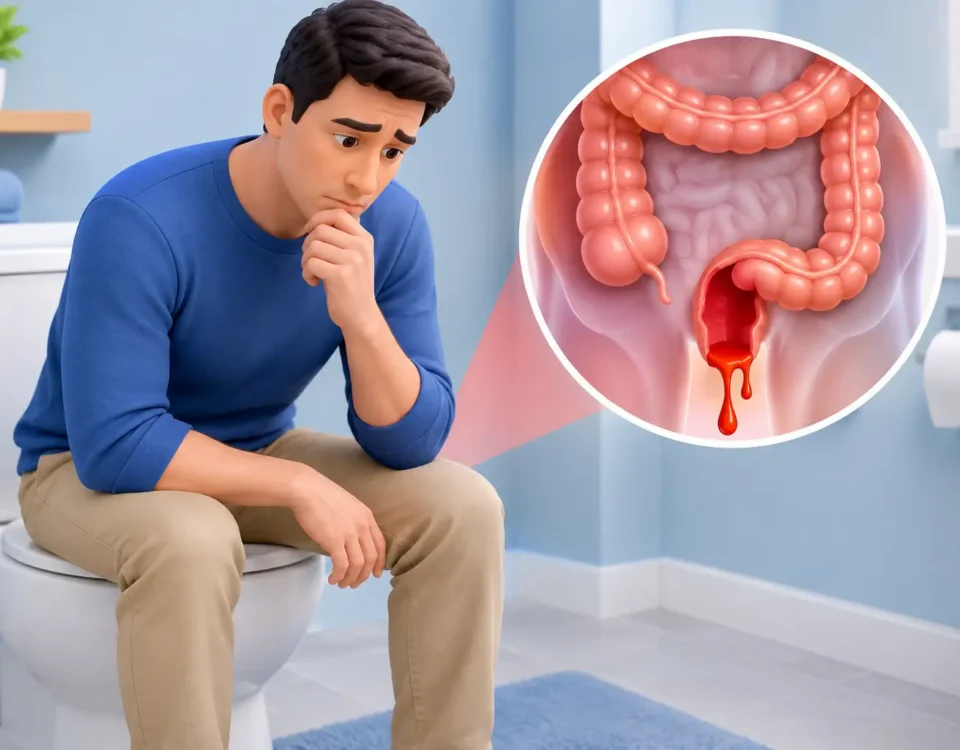
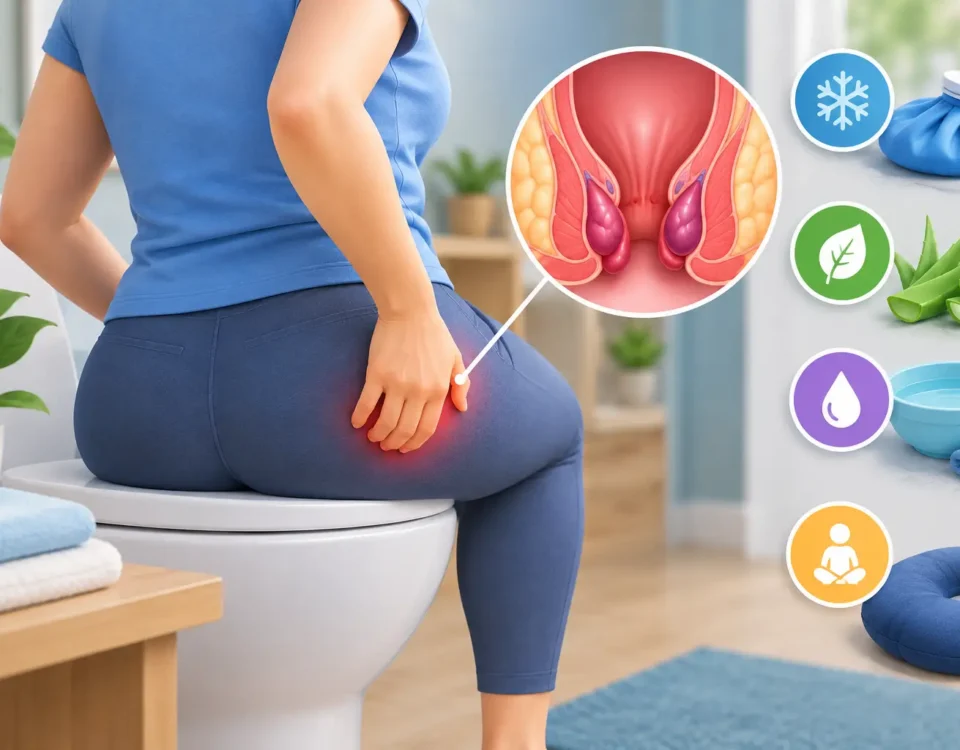
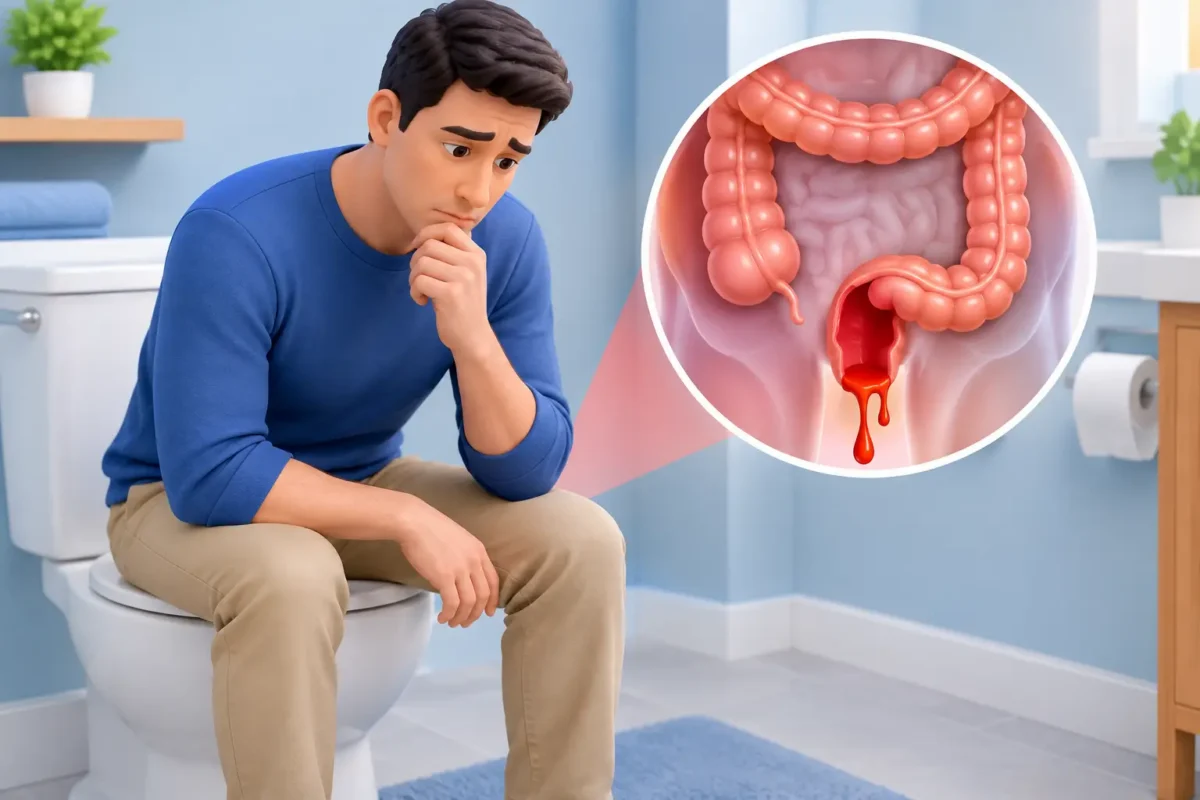
Hemorrhoids are swollen blood vessels in and around the anus and lower rectum. They can be internal, external, or both. Symptoms vary, but bright red blood on toilet paper, a lump or swelling, itching, burning, pressure, and pain are common reasons patients seek care. Not every symptom is caused by hemorrhoids, which is why persistent or recurrent symptoms deserve a proper evaluation.
The Top Hemorrhoid Triggers to Know
Most hemorrhoid flare-ups are related to pressure. Anything that increases pressure on the veins around the rectum, irritates the tissue, or makes bowel movements difficult can worsen symptoms.
便秘和排便费力
Constipation is one of the most common triggers. Hard, dry stool stretches the anal canal, and straining increases pressure in the hemorrhoidal veins. The result may be new swelling, bleeding, or a painful flare-up of an existing hemorrhoid.
The goal is not to force a bowel movement. Give yourself time, but avoid sitting and pushing for long periods. Drinking enough water, eating fiber-rich foods, and staying active can help keep stool easier to pass. Some people also benefit from a fiber supplement or a stool-softening plan recommended by a medical provider.
If constipation is frequent, it is worth looking beyond one difficult day. Changes in diet, travel, stress, certain medications, and low fluid intake can all contribute. Addressing the pattern is more effective than repeatedly treating the discomfort after it starts.
Sitting on the toilet too long
Your phone can turn a two-minute bathroom visit into 15 minutes. That extra time matters. Sitting on the toilet places sustained pressure on the rectal area, especially when combined with straining.
Try to go when you feel the urge, then get up when you are finished. If a bowel movement is not happening within a few minutes, do not keep pushing. Return later rather than turning the bathroom into a waiting room.
Diarrhea and frequent bowel movements
Hemorrhoids are not only a constipation problem. Loose stools, diarrhea, and frequent wiping can irritate sensitive tissue and make itching, burning, and swelling worse. Repeated urgent trips to the bathroom can also lead to straining, even when stool is loose.
Short-term diarrhea from a stomach illness may resolve on its own. But recurring diarrhea, ongoing urgency, or changes in your usual bowel habits should be discussed with a clinician. The right treatment depends on the cause, and simply using hemorrhoid cream may not address the underlying issue.
Pregnancy and postpartum changes
Pregnancy puts added pressure on the pelvic veins as the uterus grows. Hormonal changes can slow digestion and contribute to constipation, while labor can involve substantial pushing. For many women, hemorrhoid symptoms appear or worsen during late pregnancy or after delivery.
Gentle bowel habits, hydration, and approved pregnancy-safe treatments may provide relief. Symptoms do not always disappear immediately after childbirth, however. If bleeding, pain, or protruding tissue continues, a specialist can help determine what is happening and discuss appropriate treatment once it is safe to do so.
Prolonged sitting or a sedentary routine
A desk job does not directly cause hemorrhoids in every person, but long stretches of sitting can aggravate symptoms by increasing pressure and limiting movement. Long commutes, flights, and recovery periods after illness can have a similar effect.
You do not need an intense exercise program to make a difference. Standing up regularly, taking short walks, and avoiding hours of uninterrupted sitting can support regular bowel function and reduce pressure. If sitting is unavoidable, change positions often and avoid spending additional unnecessary time on the toilet.
Heavy lifting and breath-holding
Lifting weights, moving furniture, or doing physical work is not automatically off-limits when you have hemorrhoids. The issue is often how the lift is performed. Holding your breath and bearing down during exertion can sharply increase abdominal pressure, much like straining during a bowel movement.
Use proper technique, breathe through the movement, and reduce the load if symptoms are active. For someone with a painful external hemorrhoid or significant bleeding, it may be sensible to pause heavy lifting until they have been evaluated. A clinician can give more personalized guidance based on your symptoms and activity level.
Low fiber, low fluids, and disrupted routines
A diet that lacks fiber can lead to hard stool and irregular bowel movements. Dehydration can make the problem worse. These issues often show up during travel, busy workweeks, holiday meals, or periods when routines change.
Fiber is helpful because it adds bulk and can help stool hold water, but increasing it too quickly may cause gas or bloating. Gradual changes usually work better. Pair fiber with adequate fluids, since adding fiber without enough water may not improve constipation.
Reducing Triggers Without Overcorrecting
The practical approach is consistency, not perfection. Aim for bowel movements that are soft and easy to pass, without urgency, prolonged sitting, or straining. Regular meals, daily movement, water intake, and a gradual increase in dietary fiber can make a meaningful difference over time.
Be careful with aggressive self-treatment. Frequent use of some over-the-counter creams can irritate the skin, and relying on stimulant laxatives without medical guidance can create another set of bowel problems. Sitz baths and gentle cleansing may soothe symptoms temporarily, but they do not remove a persistent internal hemorrhoid or resolve every source of rectal pain.
Also, avoid excessive wiping. Use soft, unscented toilet paper or gently rinse with water, then pat dry. Fragranced wipes, harsh soaps, and vigorous scrubbing can worsen itching and irritation around the anus.
When a Hemorrhoid Flare-Up Needs Medical Care
Do not assume rectal bleeding is “just hemorrhoids,” particularly if it is new, heavy, recurrent, or accompanied by abdominal pain, unexplained weight loss, fever, fatigue, or a change in bowel habits. These symptoms need timely medical evaluation.
Pain deserves attention as well. Internal hemorrhoids often bleed without severe pain, while a painful lump near the anus may be an external hemorrhoid, a clot within an external hemorrhoid, or another condition such as an anal fissure. An anal fissure is a small tear in the anal lining that can cause sharp pain during and after bowel movements. The treatment plan can be very different.
For hemorrhoids that continue to bleed, protrude, or interfere with daily life despite conservative measures, non-surgical office treatment may offer more definitive relief. Office-based hemorrhoid banding is commonly used for appropriate internal hemorrhoids and does not require traditional surgery or general anesthesia. A focused examination determines whether banding, medication, another treatment, or further testing is the best fit.
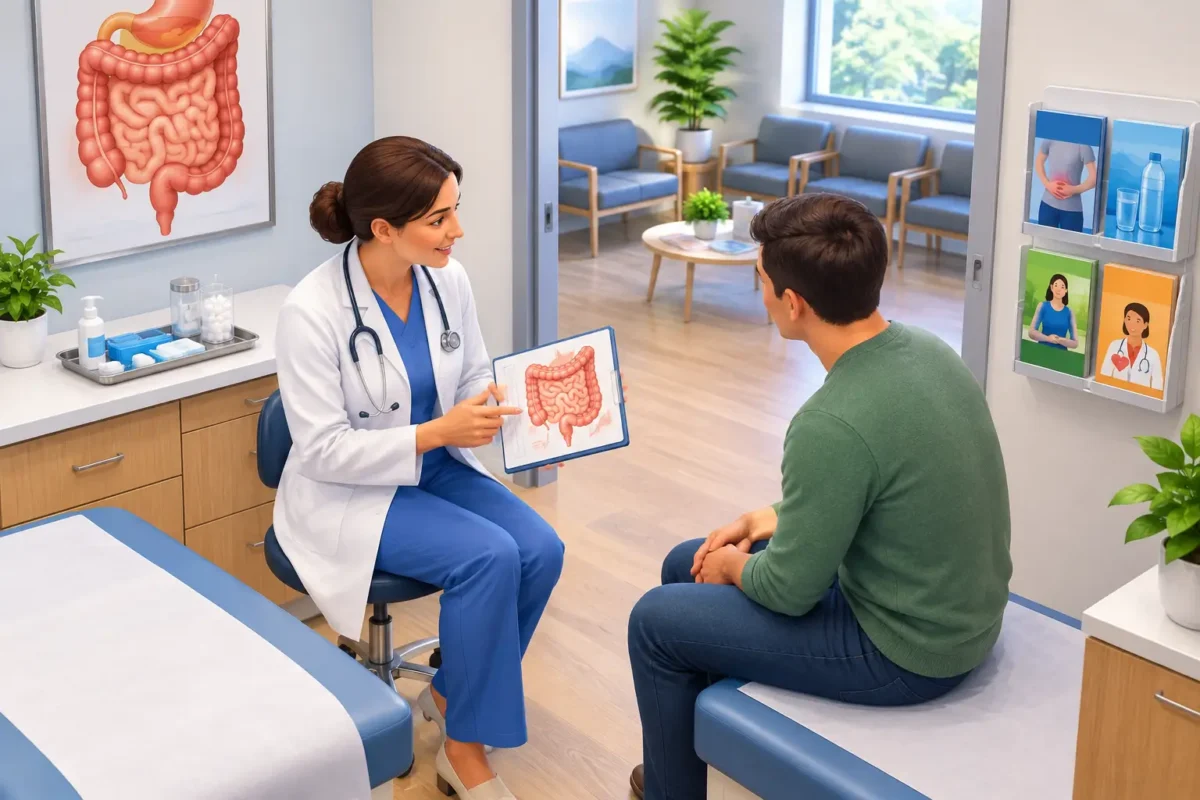
At Hemorrhoid Centers of America, patients can be evaluated by board-certified providers who focus specifically on hemorrhoids and anal fissures, with treatment designed to minimize disruption to work and daily life.
Embarrassment keeps many people waiting longer than they need to. If symptoms are recurring or affecting how you sit, work, exercise, or use the bathroom, getting clear answers is a practical step toward feeling comfortable again.