

Hemorrhoids After Failed Creams: Next Steps
August 11, 2026
Best Questions Before Banding Hemorrhoids
August 15, 2026
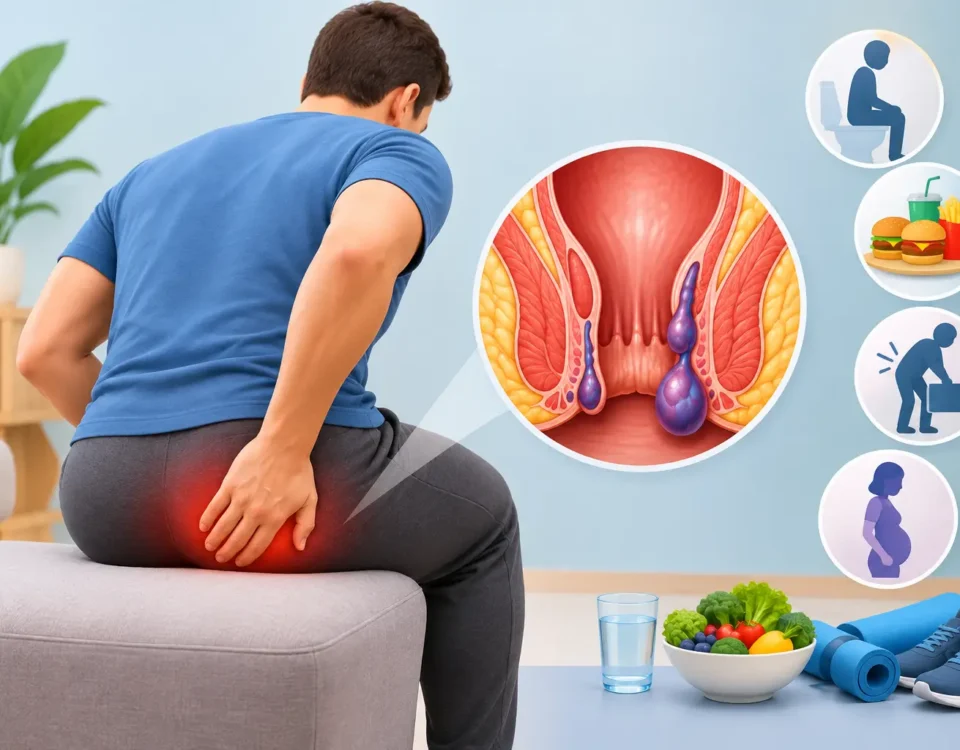
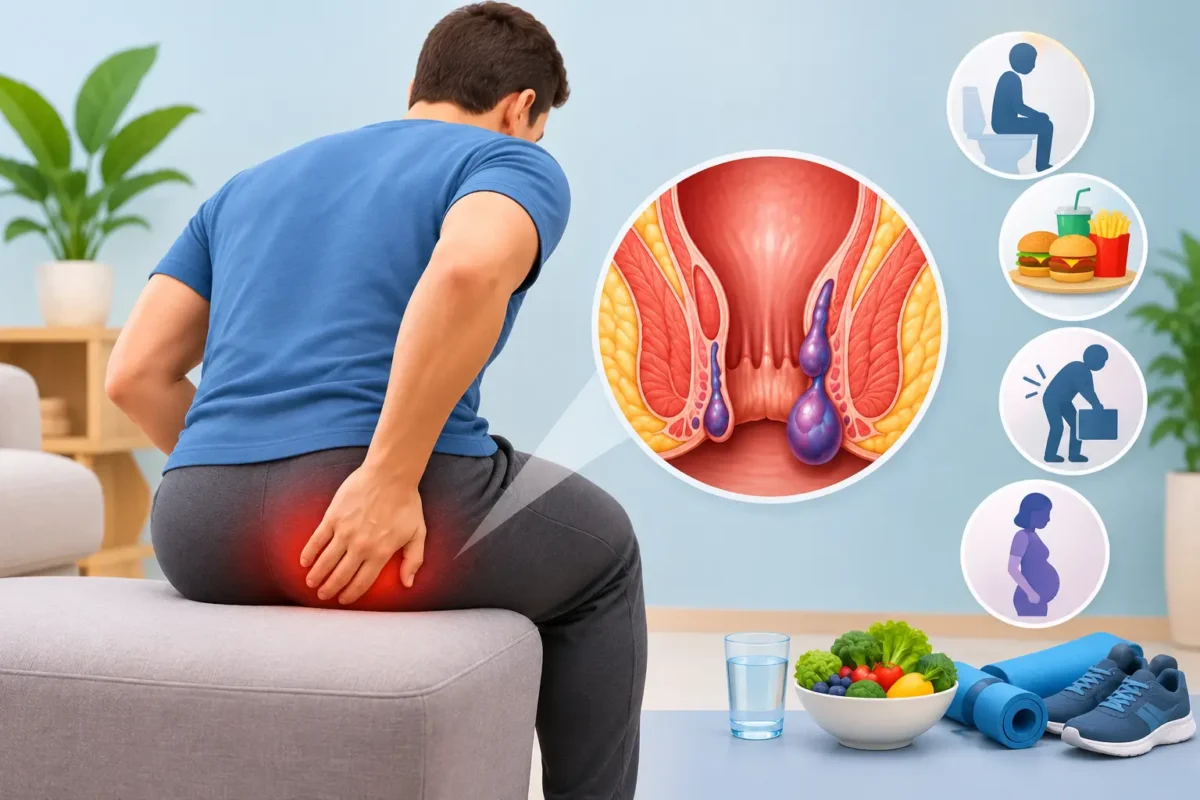
Seeing blood on toilet paper can be alarming, especially when it comes with sharp pain during or after a bowel movement. Can anal fissures cause bleeding? Yes. A fissure is a small tear in the lining of the anus, and that tear can bleed when stool passes over it. The bleeding is often bright red and may appear on the paper, on the surface of the stool, or as a few drops in the toilet.
A fissure can be painful, but it is also treatable. The key is getting the right diagnosis early, because bleeding from the rectal area is not always caused by the same condition. A focused evaluation can identify whether symptoms point to an anal fissure, hemorrhoids, or another issue that needs attention.
Why anal fissures can cause bleeding
The anal canal is lined with delicate tissue. When that tissue tears, usually from a hard, large, or difficult bowel movement, the exposed area can bleed. Even a small tear may bleed repeatedly because the area is stretched each time you have a bowel movement.
For many people, pain is the symptom that stands out most. It is often described as cutting, tearing, or burning pain during a bowel movement, followed by discomfort that can last minutes or hours. Some people also notice itching, irritation, or a small skin tag near the fissure after symptoms have been present for a while.
Constipation is a common trigger, but it is not the only one. Ongoing diarrhea, frequent straining, childbirth, dehydration, and changes in bowel habits can all contribute. Once a fissure develops, pain may cause a person to avoid bowel movements. That can lead to harder stool and more straining, creating a cycle that makes healing more difficult.
What fissure bleeding usually looks like
Bleeding from an anal fissure is commonly bright red because it comes from tissue close to the opening of the anus. It is usually a small amount rather than heavy or continuous bleeding. You may see it when wiping or notice a streak of blood on the outside of the stool.
The pattern matters. A fissure is more likely when bright red bleeding occurs with intense pain during bowel movements. Hemorrhoids can also cause bright red blood, but internal hemorrhoids often bleed without significant pain. External hemorrhoids may be tender, swollen, or itchy, particularly if a blood clot forms.
Symptoms can overlap, and it is possible to have both a fissure and hemorrhoids. That is why self-diagnosis can be misleading. Treatment that helps one condition may not fully address the other.
Bleeding is not something to ignore
Small amounts of bright red blood are often caused by a fissure or hemorrhoid, but rectal bleeding should not automatically be assumed to be harmless. Blood that is dark red, black, tar-like, mixed throughout the stool, or accompanied by dizziness, weakness, fainting, fever, unexplained weight loss, or abdominal pain requires prompt medical attention.
You should also schedule an evaluation if bleeding keeps returning, pain is severe, bowel habits have changed, or over-the-counter care has not helped. Adults who are due for colorectal cancer screening should stay current with screening, even if a fissure or hemorrhoid seems likely. A proper exam is the safest way to determine the source of bleeding.
Acute vs. chronic anal fissures
An acute fissure is a recent tear that may improve with early treatment and softer, easier bowel movements. However, some fissures do not heal within several weeks. These are often considered chronic fissures.
Chronic fissures can be harder to resolve because the internal anal sphincter muscle may tighten or spasm. Reduced blood flow to the torn tissue can then slow healing. The fissure becomes more than a simple surface injury – it can turn into a persistent pain-and-spasm cycle.
This does not mean surgery is automatically necessary. Many chronic fissures respond to a targeted, non-surgical treatment plan. A specialist may recommend custom topical medication designed to relax the muscle, reduce spasm, and improve blood flow so the tear can heal. The right approach depends on your symptoms, medical history, and exam findings.
What you can do while waiting for care
Home measures can reduce irritation and support healing, especially when symptoms are new or mild. The goal is not to force a bowel movement or simply mask pain. It is to make stool easier to pass and reduce strain on the affected tissue.
Start with consistent hydration, fiber from food or an appropriate supplement, and gentle bowel habits. Avoid prolonged sitting and straining on the toilet. A warm sitz bath may ease muscle spasm and discomfort after a bowel movement. Some people benefit from a stool softener, but medication choices should be discussed with a clinician, particularly if you have ongoing symptoms or take other prescriptions.
Be cautious with frequent use of harsh wipes, scented products, or strong topical creams. They can irritate sensitive skin and may not treat the underlying fissure. If bleeding and pain persist, do not keep cycling through home remedies for months. Early expert care may help prevent a short-term problem from becoming chronic.
How an anal fissure is diagnosed
A clinician usually begins by discussing your symptoms, bowel habits, and the appearance of the bleeding. In many cases, a careful external examination is enough to identify a fissure. If pain is severe, the exam should be handled gently. The goal is to get clear answers without creating unnecessary discomfort.
Further evaluation may be recommended when the bleeding pattern is unusual, the fissure is not in a typical location, symptoms do not improve, or there are risk factors for other digestive conditions. This is not meant to create alarm. It is how experienced providers make sure treatment matches the diagnosis.
At a specialized practice such as Hemorrhoid Centers of America, patients can be evaluated for both hemorrhoid and fissure symptoms in a discreet office setting. The focus is on identifying the source of pain and bleeding, then recommending the least invasive effective option.
Treatment can be effective without traditional surgery
For anal fissures, treatment often begins with a plan to reduce constipation, prevent straining, and calm muscle spasm. Prescription topical medications can be particularly useful for fissures that are not healing with basic measures alone. These medications are formulated to help the anal muscle relax, giving the tear a better chance to heal.
If symptoms continue, a specialist can discuss next steps based on the type and duration of the fissure. The best treatment is not always the same for every patient. Someone with a new fissure related to temporary constipation may need a different plan than someone with months of pain, recurring bleeding, and muscle spasm.
For hemorrhoid-related bleeding, office-based procedures such as banding may be appropriate for certain internal hemorrhoids. Banding treats hemorrhoids, not fissures, which is another reason a precise diagnosis matters. Patients deserve care that addresses the actual cause rather than a one-size-fits-all solution.
When to make an appointment
Make an appointment if you have repeated rectal bleeding, pain that makes bowel movements difficult, symptoms lasting more than a few days, or a problem that keeps returning. You do not need to wait until symptoms disrupt every part of your day. Addressing a fissure early can mean less pain, less anxiety, and a simpler path to relief.
If bleeding is heavy, you feel lightheaded, stools are black or maroon, or you have severe abdominal symptoms, seek urgent medical care. Those signs need timely evaluation.
There is no need to be embarrassed by anal pain or bleeding. These conditions are common, and focused care is designed to help you get answers, relieve symptoms, and return to normal routines with as little disruption as possible.