

Return to Work After Banding: What to Expect
July 22, 2026
When hemorrhoid symptoms keep returning, it can feel like every improvement is temporary. A hemorrhoid specialist for recurring flareups can identify what is driving the cycle of bleeding, swelling, itching, pressure, or pain, then recommend treatment that addresses the problem rather than asking you to keep managing it at home.
Recurring symptoms are common, and they are not a sign that you have failed at self-care. Over-the-counter creams, wipes, and dietary changes can calm irritation for some people, but they do not always treat the enlarged hemorrhoid tissue responsible for repeated flareups. Focused evaluation can provide clarity and a path toward relief without traditional surgery.
Why hemorrhoid flareups keep coming back
Hemorrhoids are swollen vascular cushions in and around the anal canal. They may become symptomatic when pressure, straining, or irritation causes them to enlarge, prolapse, bleed, or become inflamed. A flareup may settle down, yet the underlying tissue can remain enlarged and prone to becoming irritated again.
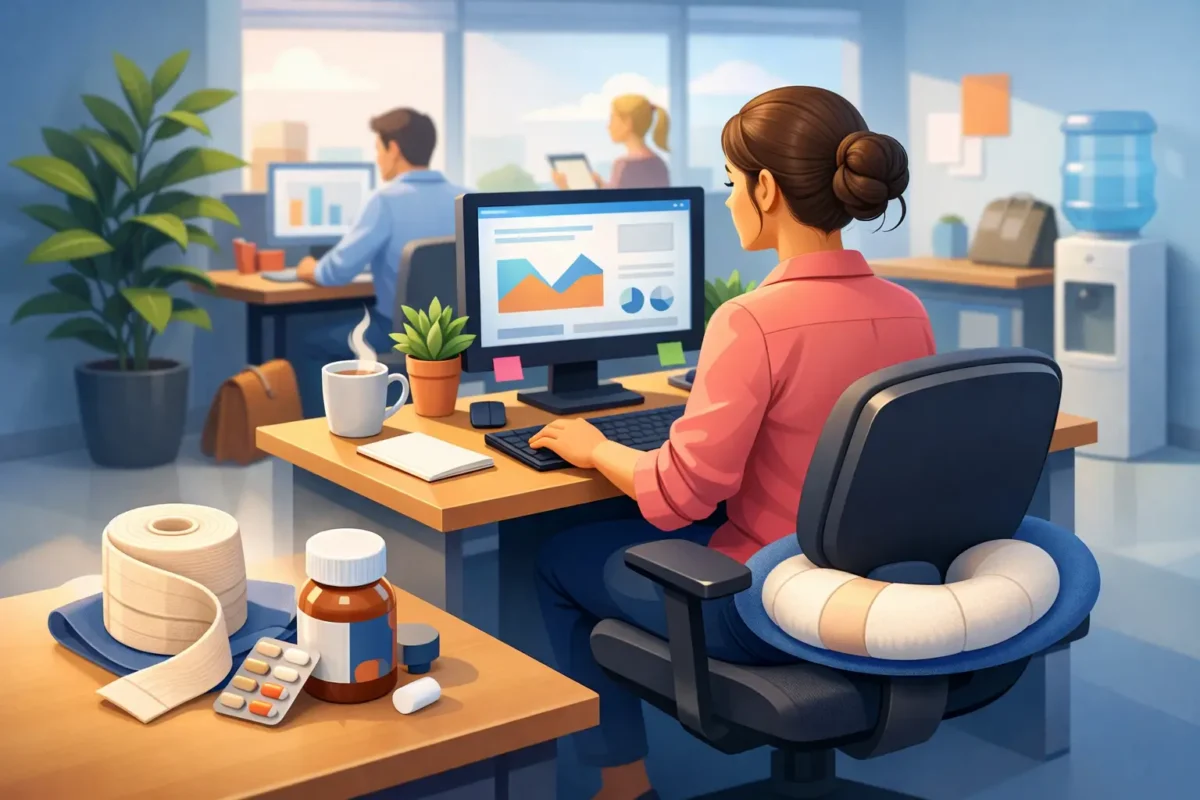
Constipation is one frequent contributor. Hard stools and straining place repeated pressure on hemorrhoidal tissue. But constipation is not the only issue. Loose stools, frequent bowel movements, prolonged sitting on the toilet, heavy lifting, pregnancy, a low-fiber diet, and long periods of sitting at work can all contribute.
Some people have symptoms only after a specific trigger, such as travel or a change in routine. Others notice bleeding or prolapse every few weeks despite careful habits. That difference matters. A specialist looks at the pattern, severity, and type of symptoms to determine whether lifestyle changes alone are likely to be enough or whether an office-based procedure would be more appropriate.
When to see a hemorrhoid specialist for recurring flareups
If symptoms resolve quickly and happen rarely, conservative care may be reasonable. Fiber, hydration, regular physical activity, and avoiding straining can reduce future irritation. However, recurring symptoms deserve medical attention when they interrupt your routine or leave you uncertain about what is happening.
Schedule an evaluation if you have repeated rectal bleeding, pain that does not improve, a lump that persists, recurrent swelling, itching that continues despite home care, or tissue that protrudes during bowel movements. These symptoms may be caused by hemorrhoids, but anal fissures and other conditions can cause similar discomfort. A proper exam is the safest way to identify the source.
Rectal bleeding should never be automatically assumed to be hemorrhoids. Bright red blood on toilet paper or in the bowl is often associated with hemorrhoids, but a clinician should assess new, frequent, or unexplained bleeding. Seek prompt medical care for heavy bleeding, black or tarry stools, dizziness, fainting, severe pain, fever, or symptoms that worsen quickly.
Embarrassment delays care for many patients. That is understandable, but recurrent flareups are exactly why specialized care exists. The visit is focused, private, and designed to answer practical questions: What is causing these symptoms? Can it be treated without surgery? How soon can normal activities resume?
What a focused hemorrhoid evaluation involves
A hemorrhoid evaluation begins with your symptom history. Your provider will ask when flareups occur, whether bleeding is present, how your bowel habits have changed, and what treatments you have already tried. These details help distinguish between internal hemorrhoids, external hemorrhoids, fissures, and other causes of anorectal symptoms.
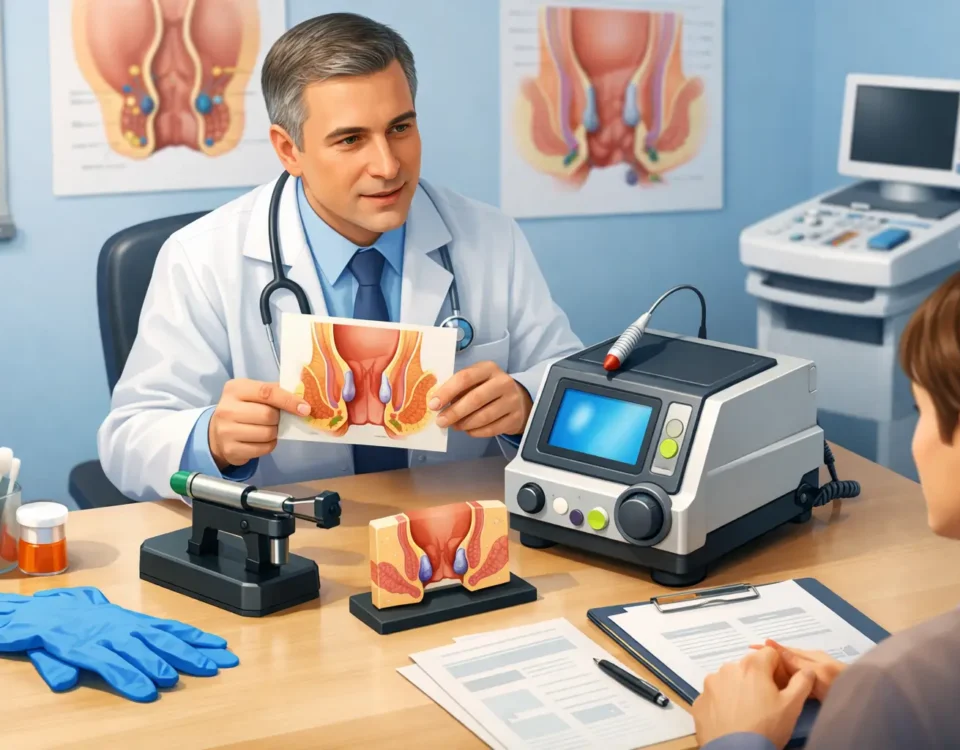
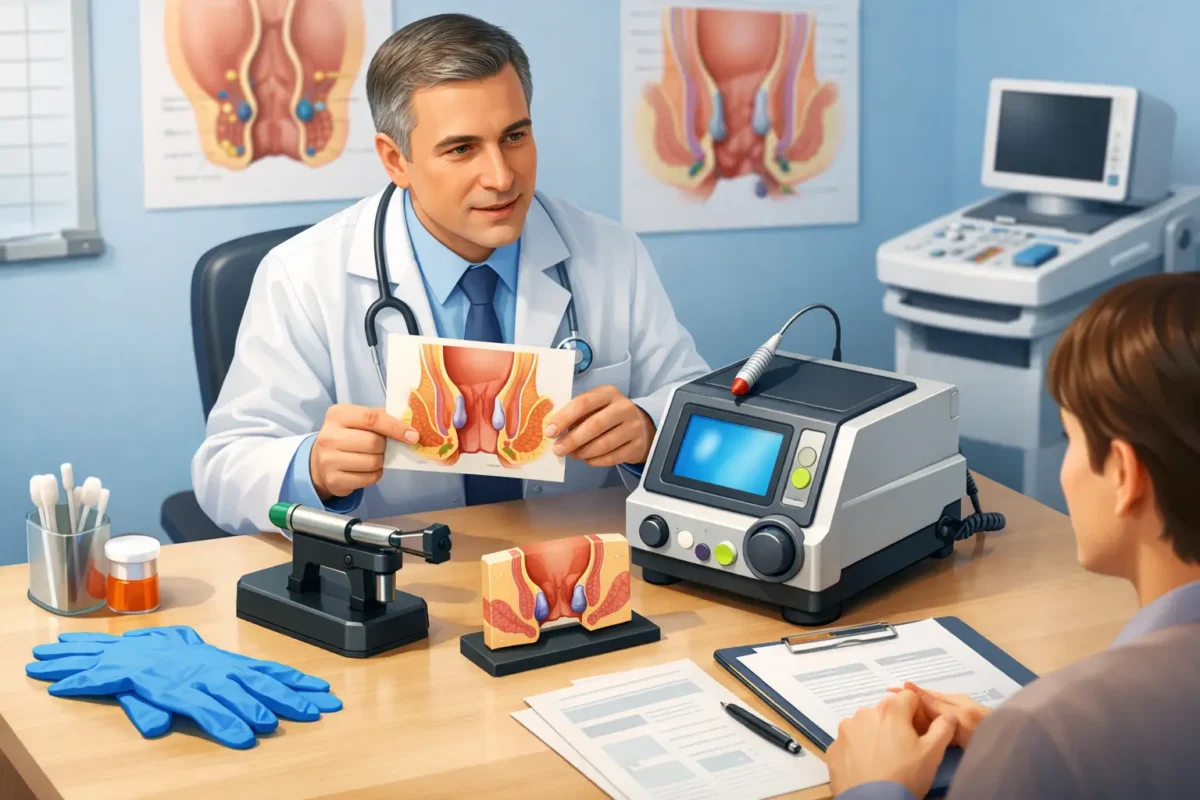
The exam is usually brief. Depending on your symptoms, it may include an external examination and an internal assessment of the anal canal. While patients understandably worry that this will be painful, a careful evaluation is typically quick and provides information that cannot be obtained from symptoms alone.
A specialist also considers whether you need additional testing based on your age, personal history, family history, bleeding pattern, or other warning signs. Not every patient needs the same workup. The goal is not to overcomplicate care. It is to make sure recurring symptoms are treated accurately.
Non-surgical treatment can address the source
For many people with recurring internal hemorrhoid symptoms, office-based hemorrhoid banding is an effective non-surgical option. During banding, a small band is placed at the base of the internal hemorrhoid. This cuts off its blood supply so the tissue shrinks over time. Internal hemorrhoids are located above the area with pain-sensitive nerve endings, which is why banding is generally well tolerated when performed correctly.
The procedure is typically completed in the office without anesthesia or a hospital stay. Many patients return to normal daily activities the same day, although your provider may advise avoiding strenuous exercise or heavy lifting for a short period. You may feel pressure, fullness, or a mild urge to have a bowel movement afterward. Severe pain is not expected and should be reported promptly.
Not every recurring flareup calls for banding. External hemorrhoids, thrombosed hemorrhoids, skin irritation, and anal fissures require different approaches. Anal fissures, for example, are small tears in the lining of the anal canal that can cause sharp pain during and after bowel movements. They may be treated with targeted medication protocols and bowel habit changes rather than hemorrhoid banding.
That is the advantage of seeing a provider whose practice is centered on these conditions. Treatment should match the diagnosis, not simply the symptom you happen to notice most.
What happens after treatment
Relief can begin as irritation and swelling improve, but healing is not always immediate. The timing depends on the type and extent of hemorrhoids, the procedure used, and whether constipation or straining continues. Some patients need more than one treatment session because hemorrhoids can occur in multiple areas.
After office treatment, the most useful step is protecting the area from repeated pressure. Keep stools soft, avoid prolonged sitting on the toilet, and respond to the urge to have a bowel movement rather than delaying it. Your provider may recommend fiber, stool-softening strategies, or other measures based on your bowel habits and medical history.
Do not rely on numbing creams or medicated wipes as a long-term answer without medical guidance. Some products can irritate sensitive skin when used repeatedly, and they may mask symptoms that need evaluation. Gentle cleansing with water, patting rather than rubbing, and following your treatment plan are usually better choices for irritated tissue.
就诊时值得提出的问题
A good consultation should leave you with a clear plan. Ask whether your symptoms are from internal hemorrhoids, external hemorrhoids, a fissure, or another condition. Ask what treatment is recommended, whether it can be performed in the office, what discomfort to expect, and how much downtime is likely.
It is also reasonable to ask whether recurrence is likely in your case and what habits will best protect your results. Hemorrhoid treatment can address the tissue causing current symptoms, but bowel patterns and daily habits still affect long-term comfort. The right plan balances procedural treatment with prevention strategies you can realistically maintain.
Relief should not have to wait for another flareup
Repeated bleeding, itching, swelling, or pain can make work, travel, exercise, and even ordinary bathroom routines feel stressful. You do not need to wait until symptoms become unbearable to seek care. Board-certified providers at Hemorrhoid Centers of America focus on diagnosing and treating hemorrhoids and anal fissures with efficient, non-surgical options designed around real life.
A recurring flareup is useful information: it is a sign that your body may need more than temporary relief. Getting a focused evaluation can replace guesswork with a treatment plan that helps you get back to your day with greater comfort and confidence.