

Who Is the Best Specialist for Anal Fissure?
September 4, 2026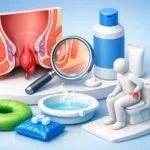
Hemorrhoid Prolapse Guide for Fast Relief
September 8, 2026
Swelling from hemorrhoids can make sitting through a meeting, driving home, or using the bathroom feel far more difficult than it should. Knowing how to reduce hemorrhoid swelling starts with calming irritated tissue, avoiding habits that add pressure, and recognizing when home care is no longer enough.
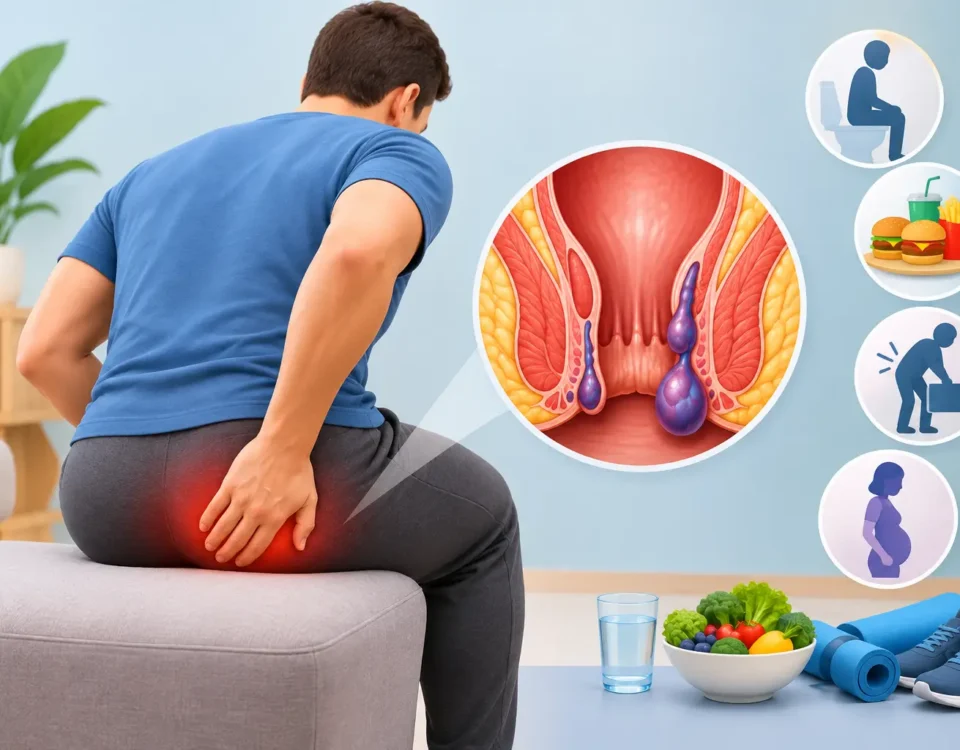
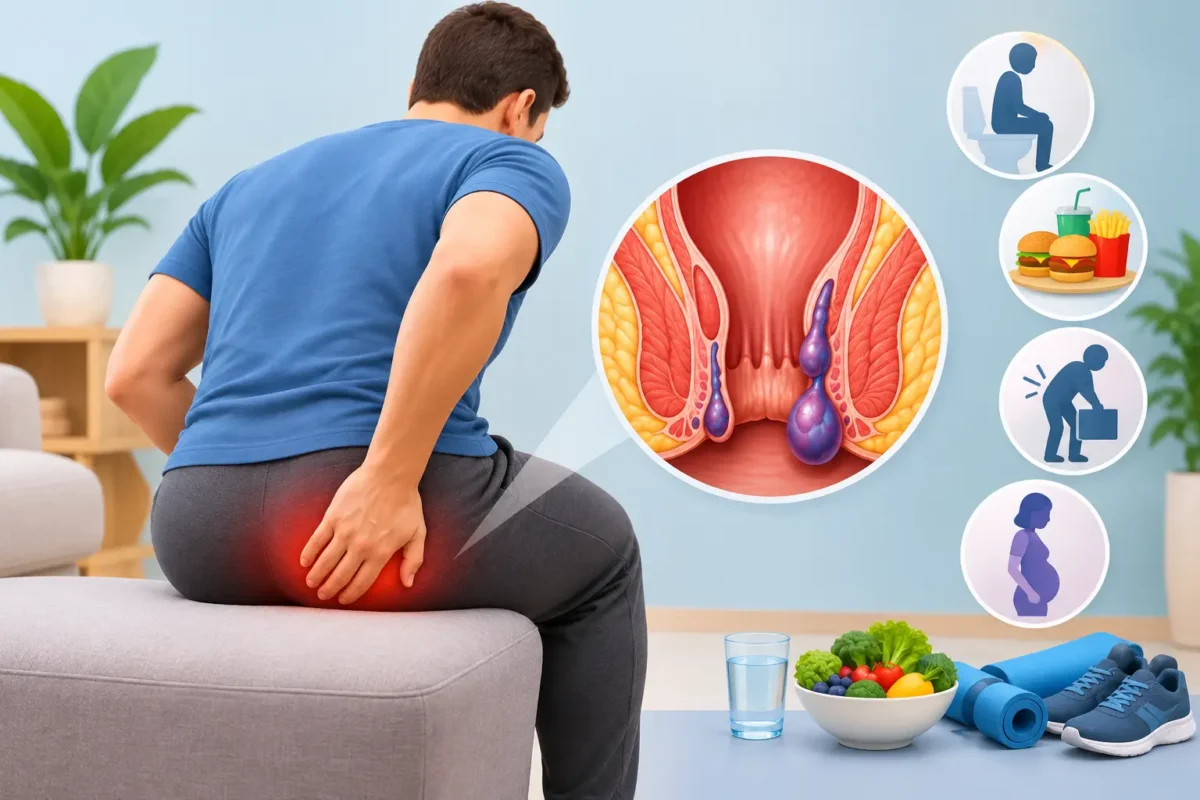
Hemorrhoids are swollen veins in or around the anus and lower rectum. They can be internal, external, or both. A flare-up may cause a tender lump, itching, pressure, burning, bleeding with bowel movements, or the feeling that you still need to go after using the restroom. The good news is that many flare-ups improve with the right measures, and effective office-based treatment is available when symptoms persist.
How to Reduce Hemorrhoid Swelling at Home
For mild swelling, the goal is simple: reduce inflammation, keep bowel movements soft, and give the area time to recover. The measures below can provide meaningful relief, particularly when started early in a flare-up.
Use cold therapy for short periods
A cold pack wrapped in a thin cloth can reduce swelling and numb discomfort. Apply it to the outside of the anal area for about 10 to 15 minutes at a time, then remove it. Never place ice directly on the skin, as this can cause tissue injury.
Cold therapy tends to help most with external hemorrhoids or external swelling. If pain becomes severe, especially if a firm blue or purple lump develops suddenly, seek prompt medical evaluation. That can indicate a thrombosed hemorrhoid, which may require more than home treatment.
Take warm sitz baths
Warm water can relax the muscles around the anus and ease irritation. Soak the area in a clean bathtub or sitz bath for 10 to 15 minutes, two or three times daily and after bowel movements if possible. Use plain warm water rather than heavily scented soaps, bath products, or salts that may sting sensitive skin.
A sitz bath does not remove hemorrhoids, but it can make a painful flare-up more manageable while swelling settles.
Keep stools soft and easy to pass
Straining is one of the most common reasons hemorrhoids swell and remain swollen. Increasing fiber gradually can help create softer, more regular stools. Many adults benefit from fiber-rich foods such as beans, vegetables, fruit, oats, and whole grains. A fiber supplement may also be useful for people who struggle to reach their daily needs through food alone.
Drink enough water as you increase fiber. Without adequate fluid, adding fiber too quickly may lead to bloating or firmer stools. If constipation is already a problem, a clinician may recommend a short-term stool softener or other bowel regimen based on your health history.
Change your bathroom habits
Do not ignore the urge to have a bowel movement, but do not force one either. Sitting on the toilet for long periods increases pressure in the rectal veins. Put away the phone, avoid reading on the toilet, and aim to finish within a few minutes.
Try not to strain or hold your breath while passing stool. A small footstool can position the knees slightly higher than the hips, which may make bowel movements easier for some people. Gentle wiping with soft, unscented toilet paper or rinsing with water can also prevent further irritation. Pat dry rather than rubbing.
Consider short-term over-the-counter relief
Over-the-counter creams, ointments, suppositories, or witch hazel pads may temporarily ease itching and discomfort. Products containing hydrocortisone should generally be used only briefly, unless a clinician directs otherwise, because prolonged use can thin and irritate the skin.
Pain relievers may help, but the right option depends on your medical history. Acetaminophen is often an option for pain. Anti-inflammatory medicines may not be appropriate for everyone, especially people taking blood thinners, those with kidney disease, ulcers, or certain bleeding concerns. Ask a healthcare professional or pharmacist if you are unsure.
Habits That Help Prevent Swelling From Returning
A hemorrhoid flare-up often improves, then returns when the underlying pressure remains. Prevention is not about perfection. It is about making bowel movements more predictable and reducing repeated strain.
Regular movement supports healthy bowel function. A walk, light exercise, or simply getting up regularly during a desk-bound day can help. If your job requires prolonged sitting, take brief standing or walking breaks and consider a supportive cushion. Avoid donut-shaped cushions when possible, as they can concentrate pressure around the anal area for some people.
Heavy lifting can also aggravate hemorrhoids if you hold your breath and bear down. Exhale during exertion and use proper lifting technique. Pregnancy, chronic coughing, diarrhea, and constipation can all contribute to swelling, so treating the contributing issue matters as much as treating the hemorrhoid itself.
When Home Care Is Not Enough
Home remedies can calm symptoms, but they do not always address enlarged internal hemorrhoids that continue to bleed, prolapse, or flare repeatedly. If symptoms are not improving after about a week, if they keep returning, or if they interfere with work and daily life, it is time for an examination.
Rectal bleeding should not automatically be assumed to be hemorrhoids. Hemorrhoids are common, but bleeding can also come from anal fissures, inflammatory conditions, polyps, or other causes that need different care. A focused evaluation provides clarity and helps avoid treating the wrong problem.
Seek urgent medical care for heavy bleeding, black or tar-like stool, dizziness, fainting, fever, drainage, severe or worsening pain, or an inability to pass stool or urine. These symptoms need prompt assessment.
Non-Surgical Treatment Can Reduce Swelling at the Source
For internal hemorrhoids that cause recurrent bleeding, swelling, or prolapse, office-based hemorrhoid banding is often an effective non-surgical option. During banding, a small band is placed around the base of an internal hemorrhoid, cutting off its blood supply. The treated tissue shrinks over time, addressing the hemorrhoid rather than only masking symptoms.
Banding is typically performed in an office setting and does not require traditional surgery or general anesthesia. Many patients return to normal activity the same day, although individual recovery and treatment plans vary. Not every hemorrhoid is best treated with banding. External hemorrhoids, thrombosed hemorrhoids, fissures, and other anorectal conditions require an accurate diagnosis before treatment is chosen.
At Hemorrhoid Centers of America, board-certified providers focus specifically on non-surgical care for hemorrhoids and anal fissures, including office-based procedures and customized medication protocols when appropriate. This specialized approach can be especially helpful for patients who have tried creams, dietary changes, and home remedies without getting lasting relief.
What Not to Do During a Flare-Up
Avoid trying to pop, cut, drain, or push on a painful hemorrhoid yourself. This can cause bleeding, infection, and additional injury. Be cautious with unproven products that promise to shrink hemorrhoids overnight, particularly if they contain strong ingredients or cause burning.
It is also wise to avoid repeated use of laxatives without guidance. Some types can be helpful in the short term, but frequent or improper use may lead to diarrhea, dehydration, or dependence. The best bowel plan is one that produces soft, formed stools without urgency or strain.
Hemorrhoid swelling is common, but you do not have to keep planning your day around pain, itching, or bleeding. Start with measures that reduce pressure and irritation, then seek specialized care if symptoms linger or return. Getting a clear diagnosis is often the fastest step toward feeling comfortable and confident again.