

Fissure Healing Timeline Guide for Lasting Relief
October 16, 2026
Hemorrhoid Causes Explained for Lasting Relief
October 20, 2026
A sharp pain during a bowel movement, lingering burning afterward, or a tender swollen area can make even ordinary routines feel difficult. Rectal pain is common, but it is not something you should have to simply tolerate. The cause may be as straightforward as an anal fissure or hemorrhoid, yet the right treatment depends on an accurate diagnosis.
Many people wait because they feel embarrassed or assume the problem will resolve on its own. That delay can turn a short-term problem into weeks or months of discomfort. A focused evaluation can identify what is causing the pain and help you get relief without automatically moving toward surgery.
What Can Cause Rectal Pain?
Pain felt in or around the rectum is often actually coming from the anus or the tissue just outside it. Hemorrhoids and anal fissures are two frequent causes, but they do not always feel the same.
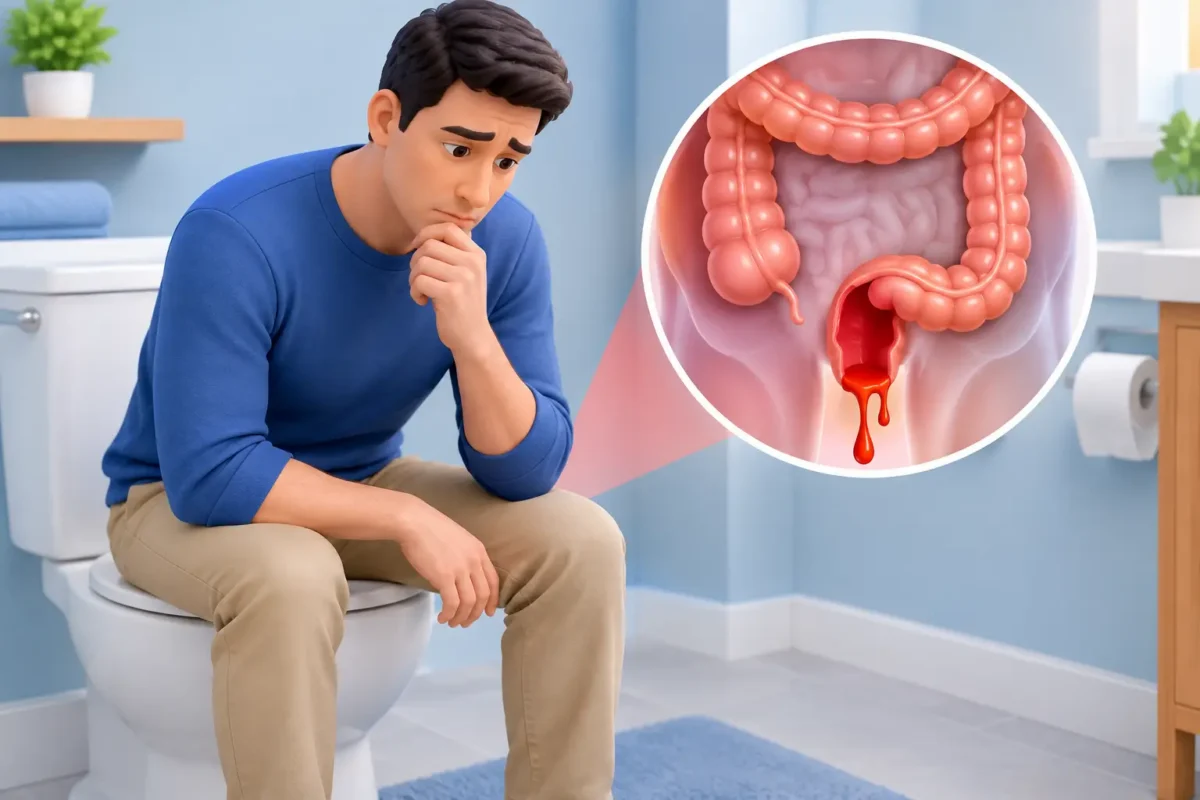
An anal fissure is a small tear in the anal lining. It commonly causes a cutting, tearing, or intense burning pain during a bowel movement, followed by pain that can last minutes or hours. Constipation, hard stool, straining, and repeated diarrhea can all contribute. Some patients also see a small amount of bright red blood on toilet paper.
External hemorrhoids can be painful when the vein under the skin around the anus becomes swollen or develops a clot. This may cause a tender lump, pressure, itching, or sudden severe pain. Internal hemorrhoids more often cause painless bleeding, but they can become uncomfortable if they prolapse, or protrude, during a bowel movement.
Other possible causes include irritation from frequent diarrhea, skin conditions, an abscess or infection, muscle spasms, inflammatory bowel disease, and less commonly, conditions that require more urgent medical attention. Symptoms alone cannot confirm the cause, especially when pain is new, severe, or accompanied by bleeding.
Rectal Pain Symptoms That Need Prompt Care
Not every episode requires an emergency visit, but certain symptoms should not be managed with home remedies alone. Seek urgent medical attention for severe or rapidly worsening pain, fever, chills, drainage of pus, a new painful swelling, heavy rectal bleeding, black or tar-like stool, dizziness, or fainting.
A painful, red, warm lump with fever can indicate an abscess. This requires prompt treatment and is not the same as a routine hemorrhoid flare. Significant bleeding also deserves evaluation, particularly if you take blood thinners, have anemia, notice changes in bowel habits, or have a personal or family history of colorectal cancer.
Even without emergency symptoms, schedule an examination when pain lasts more than a few days, keeps returning, interferes with work or sleep, or does not improve with basic measures. Rectal bleeding should not automatically be assumed to be hemorrhoids. A clinician can determine whether hemorrhoids or a fissure are responsible and rule out other concerns.
Why Fissures and Hemorrhoids Can Be So Painful
The anal area contains sensitive nerves, so even a small fissure can cause disproportionate discomfort. After the initial tear, the internal anal muscle may tighten or spasm. This reduces blood flow to the area and makes healing harder, creating a frustrating cycle of pain, fear of bowel movements, and constipation.
Hemorrhoid pain has a different pattern. An external hemorrhoid may feel like pressure, throbbing, or a tender bump. When a clot forms in an external hemorrhoid, the pain may begin suddenly and be intense. Internal hemorrhoids are located higher in the anal canal, where there are fewer pain-sensitive nerves, but prolapse and irritation can still cause discomfort, moisture, itching, and swelling.
Knowing the pattern matters because treatments that help one condition may not fully address the other. Over-the-counter creams may provide temporary relief, but they generally cannot correct a chronic fissure, remove a clot, or treat internal hemorrhoids that continue to bleed or prolapse.
What You Can Do While Waiting for an Evaluation
Gentle measures can reduce irritation and make bowel movements easier. The goal is not to force a quick fix, but to avoid making the area more inflamed while you arrange care.
Keep stool soft by drinking enough water and gradually increasing dietary fiber if it is appropriate for you. A fiber supplement may help some people, although adding too much too quickly can cause gas or bloating. Avoid straining and avoid sitting on the toilet for long periods. If a bowel movement does not happen easily, get up and try again later rather than pushing.
Warm sitz baths for 10 to 15 minutes can relax the area and ease discomfort. Gentle cleansing with water or unscented wipes can be less irritating than dry, rough toilet paper. Avoid fragranced products, harsh soaps, and repeated use of topical products that cause burning or rash.
Pain relievers may be appropriate for some patients, but check with a medical professional if you have kidney disease, stomach ulcers, liver disease, take blood thinners, or have other medication concerns. Do not use rectal products longer than directed without guidance. Prolonged use of certain creams can irritate thin anal skin or mask symptoms that need evaluation.
Non-Surgical Treatment for Hemorrhoids and Fissures
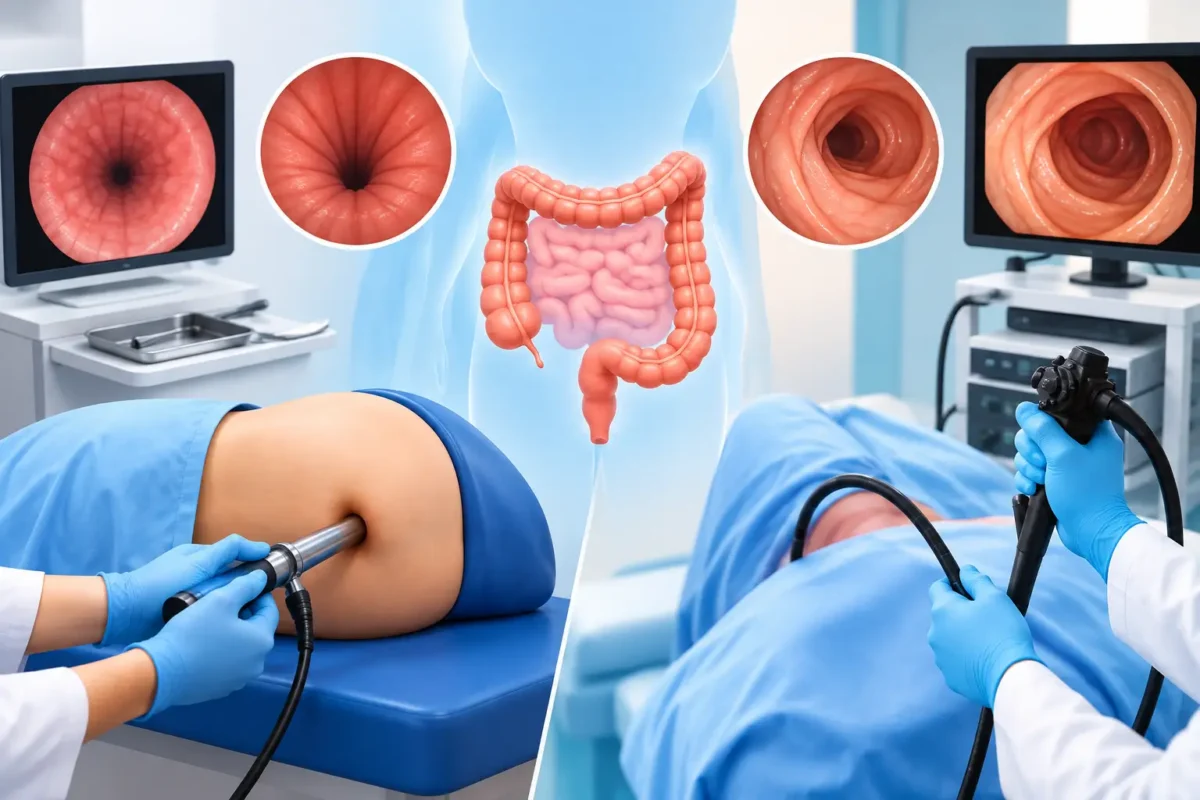
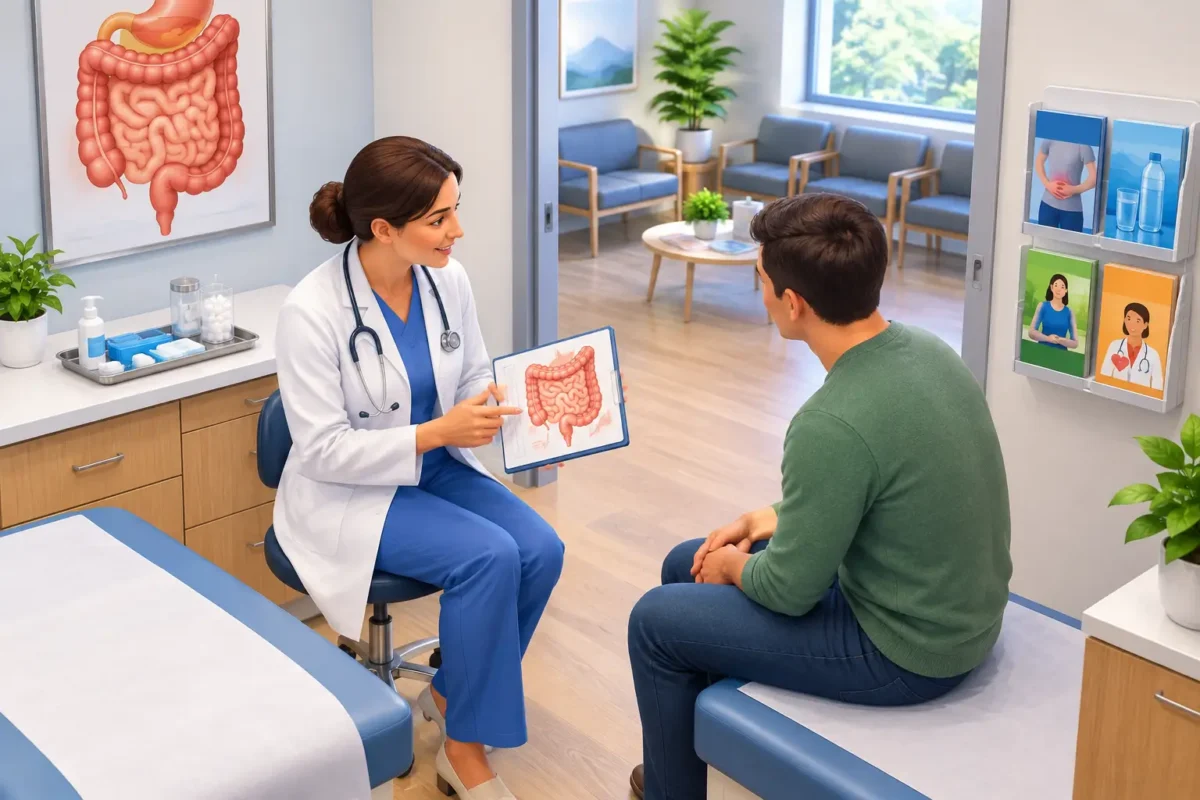
A specialized office evaluation begins with a discussion of your symptoms and a careful exam. This helps distinguish between hemorrhoids, fissures, and other causes of rectal pain. The treatment plan should fit the condition, the severity of symptoms, and your medical history.
For anal fissures, treatment often focuses on breaking the spasm-and-pain cycle. Custom topical medication may relax the internal anal muscle, improve blood flow, and support healing. Stool-softening strategies are usually part of the plan because a healed fissure can reopen if constipation and straining continue.
For symptomatic internal hemorrhoids, office-based hemorrhoid banding can be an effective non-surgical option. During banding, a small band is placed at the base of the internal hemorrhoid, cutting off its blood supply so the tissue shrinks over time. The procedure is typically performed without anesthesia and is designed to allow patients to return to regular daily activity quickly.
Not every hemorrhoid is best treated with banding, and not every painful lump needs a procedure. External hemorrhoids, thrombosed hemorrhoids, fissures, and infections each require a different approach. That is why a diagnosis from a provider experienced in anorectal conditions is more useful than guessing based on internet photos or symptoms alone.
What to Expect From a Focused Office Visit
The thought of an anorectal exam can be uncomfortable, but patients are often relieved once they have clear answers. A focused specialty visit is private, efficient, and centered on the specific symptoms that are disrupting your life.
Your provider will ask when the pain began, whether it occurs with bowel movements, whether you have bleeding or swelling, and what treatments you have already tried. Be prepared to mention constipation, diarrhea, pregnancy or recent delivery, medications, prior colonoscopy results, and any changes in stool habits. These details help guide safe care.
If a procedure is recommended, ask what it treats, what you may feel during recovery, and what signs would require a call to the office. The best plan is one that addresses the source of your pain while respecting your schedule and minimizing unnecessary downtime.
Relief Starts With the Right Diagnosis
Rectal pain can be disruptive, but it is also treatable. You do not need to wait until symptoms become unbearable or assume surgery is your only option. At Hemorrhoid Centers of America, board-certified providers focus on non-surgical care for hemorrhoids and anal fissures, helping patients pursue effective relief with an office-based approach.
If pain, bleeding, itching, or swelling is keeping you from feeling like yourself, a timely evaluation can replace uncertainty with a clear path forward. Getting answers is a practical first step toward more comfortable days and easier routines.