

Hemorrhoid Itching Relief That Works
March 12, 2026
Fast Relief for Painful Hemorrhoids
March 14, 2026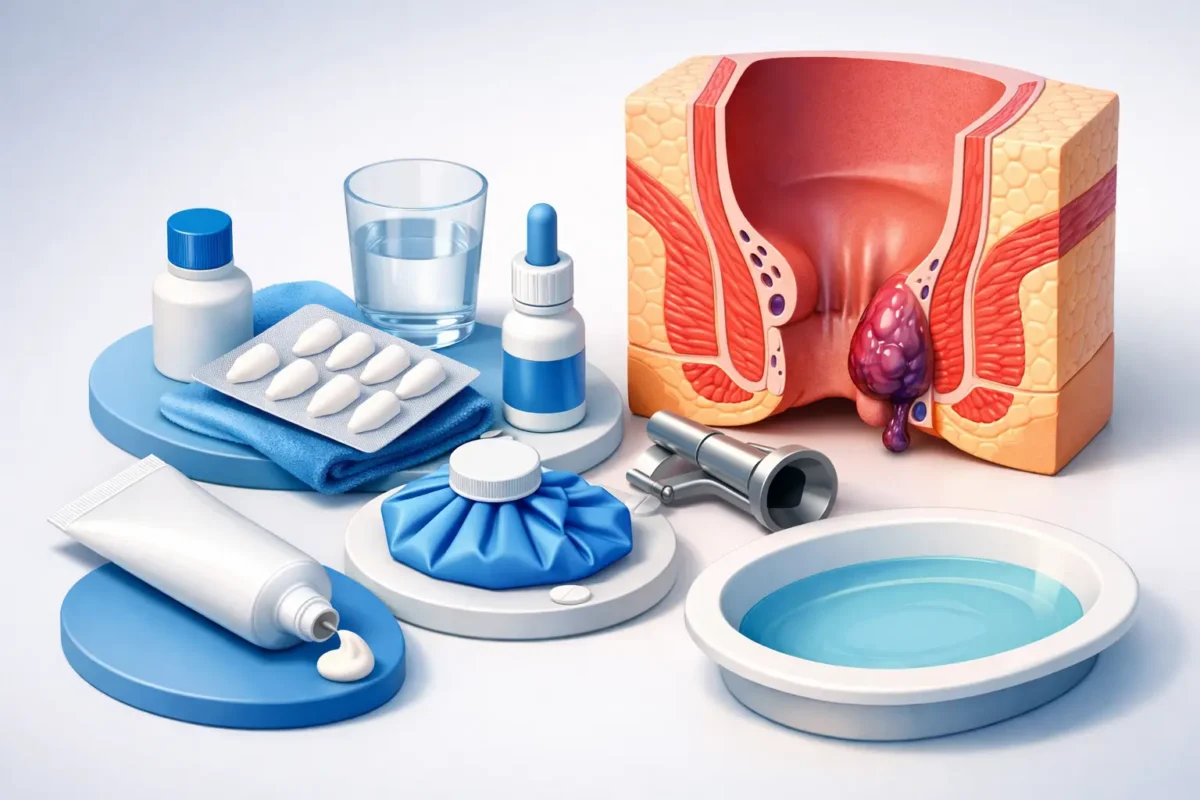
That sudden pressure, burning, or painful swelling can make sitting through work, driving home, or even using the bathroom feel like a much bigger problem than it should. When a hemorrhoid becomes swollen, most people want the same thing – relief that works quickly and does not turn into a major medical ordeal.
The good news is that there are several swollen hemorrhoid treatment options, and the right one depends on how severe your symptoms are, how long they have lasted, and whether the hemorrhoid is external or internal. Some cases improve with conservative care. Others need in-office treatment to stop the cycle of swelling, bleeding, and irritation.
What causes a hemorrhoid to become swollen?
Hemorrhoids are enlarged veins in or around the rectum and anus. They can swell when pressure builds up in that area, often from constipation, straining, prolonged sitting, pregnancy, heavy lifting, or frequent diarrhea. Once irritated, they may enlarge further and become painful, itchy, or prone to bleeding.
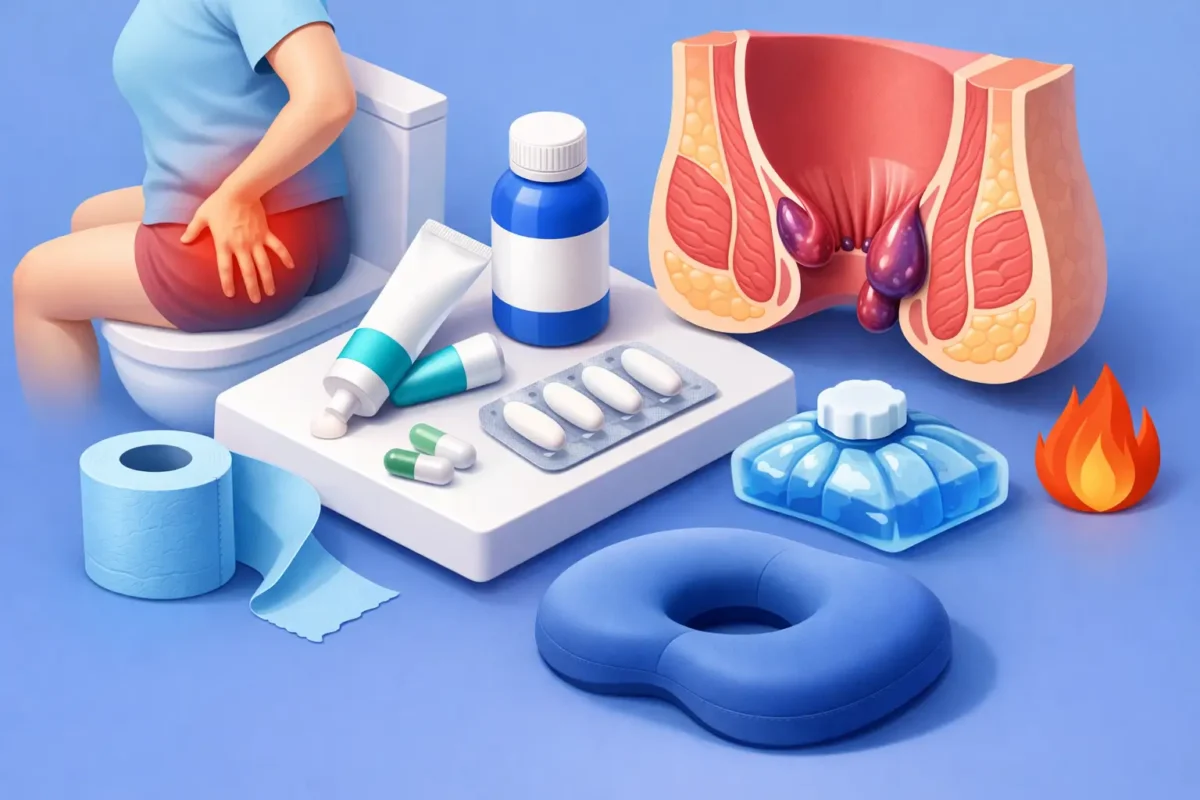
External hemorrhoids tend to cause pain, tenderness, and a noticeable lump near the anus. Internal hemorrhoids are often less painful at first but can bleed, protrude, and create a feeling of fullness or irritation. In some cases, a swollen external hemorrhoid can form a clot, called a thrombosed hemorrhoid, which usually causes more intense pain and rapid swelling.
This distinction matters because treatment is not one-size-fits-all. What helps mild irritation may not be enough for ongoing bleeding or significant swelling.
Swollen hemorrhoid treatment options at home
For mild symptoms or a first-time flare, home care may reduce swelling and make you more comfortable. The goal is to calm inflammation and avoid more pressure on the area.
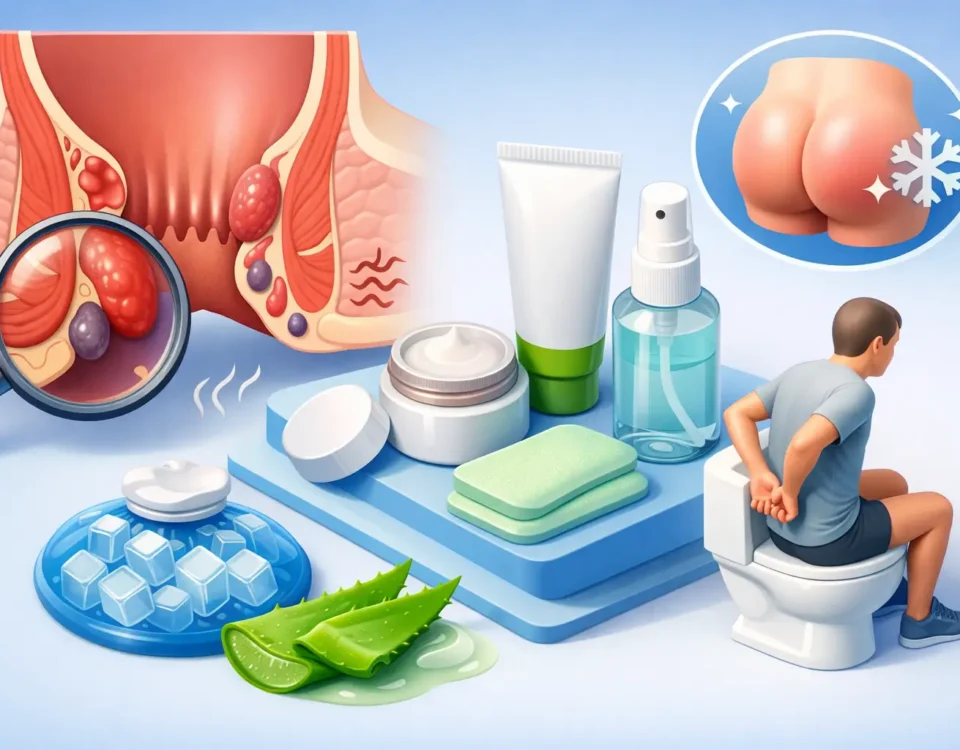
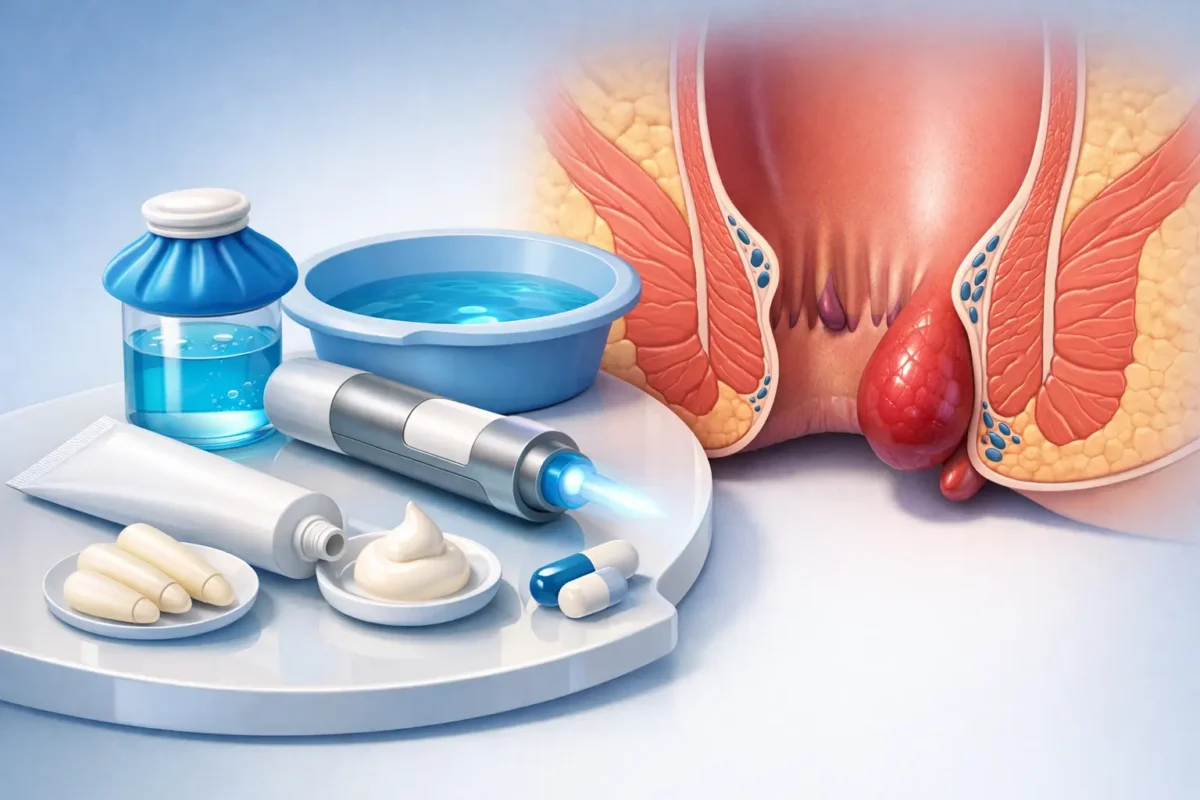
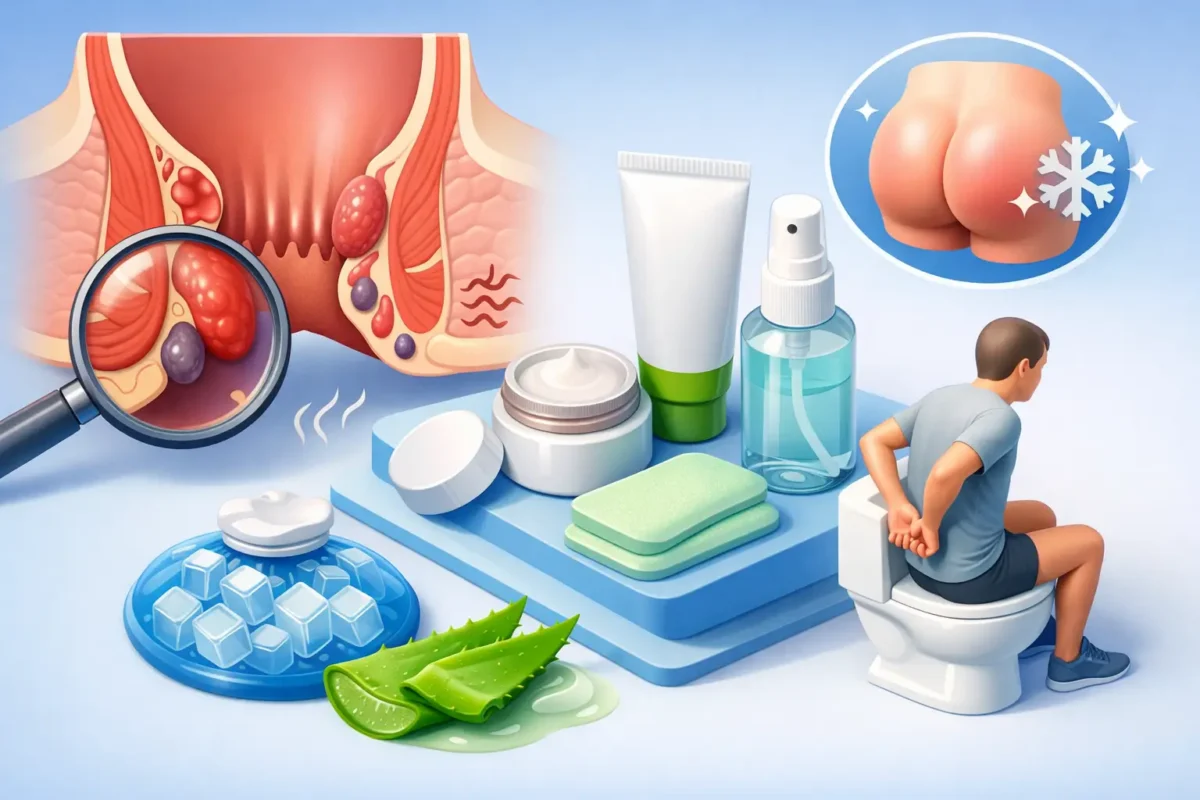
Warm sitz baths can be helpful, especially after bowel movements. Soaking the area in warm water for 10 to 15 minutes may ease muscle tension and reduce irritation. Cold compresses can also help with swelling, particularly for external hemorrhoids.
Over-the-counter creams, suppositories, or witch hazel pads may provide temporary relief from itching and discomfort. These products can be useful for short-term symptom control, but they do not fix the underlying problem if hemorrhoids are enlarged enough to keep recurring.
Stool softening is another major part of home care. If bowel movements are hard or require straining, hemorrhoid swelling tends to persist. Drinking more water, increasing fiber gradually, and using a fiber supplement when appropriate can make bowel movements easier and less traumatic.
It also helps to change a few daily habits. Spending less time on the toilet, avoiding straining, and getting up from long periods of sitting can reduce pressure on swollen hemorrhoids. These changes sound simple, but they often make a meaningful difference.
Still, home treatment has limits. If symptoms keep returning, if bleeding continues, or if swelling becomes severe, it is usually time for a more definitive plan.
When medication may help
Some patients benefit from prescription treatment, especially when inflammation and irritation are persistent. A specialist may recommend a custom medication approach designed to reduce swelling, calm tissue irritation, and improve comfort while a longer-term treatment plan is being considered.
Medication can be useful, but it works best when matched to the specific type of hemorrhoid problem you have. That is one reason self-treatment can drag on longer than it should. Many people assume all rectal pain or swelling is just a hemorrhoid, when in reality the issue could be an anal fissure, a thrombosed external hemorrhoid, or another anorectal condition entirely.
An accurate diagnosis matters because the most effective treatment depends on what is actually causing your symptoms.
Office-based procedures for swollen hemorrhoids
When hemorrhoids are enlarged, recurrent, or bleeding regularly, office-based treatment is often the most effective next step. This is especially true for internal hemorrhoids that have not responded to creams, diet changes, or other conservative measures.
Hemorrhoid banding
Banding is one of the most common non-surgical treatments for internal hemorrhoids. During the procedure, a small band is placed around the base of the hemorrhoid to cut off its blood supply. The hemorrhoid then shrinks and resolves over time.
For many patients, banding offers a practical middle ground between doing nothing and going through surgery. It is typically performed in an office setting, does not require the kind of hospital-based recovery many people fear, and is designed to get patients back to normal activity quickly.
Banding is not the answer for every swollen hemorrhoid. It is generally used for internal hemorrhoids, not external ones. But when internal hemorrhoids are the source of swelling, bleeding, or prolapse, it can be a highly effective option.
Procedure-based care without traditional surgery
One of the biggest misunderstandings about hemorrhoid care is the assumption that seeing a specialist automatically leads to surgery. In reality, many patients are candidates for minimally invasive, non-surgical treatment that targets the source of symptoms without anesthesia or a long recovery.
That matters if you have been putting off care because you cannot afford to miss work, manage a difficult recovery, or deal with a hospital setting. Specialized centers focused on hemorrhoid treatment can often offer procedure-based care that is faster and more streamlined than patients expect.
Which treatment is best depends on the symptoms
Not all swollen hemorrhoids need the same level of care. Mild swelling after constipation may settle with home treatment and bowel habit changes. Recurrent bleeding or prolapse usually points to internal hemorrhoids that need professional treatment. Severe pain with a tender lump may suggest a thrombosed external hemorrhoid, which deserves prompt evaluation.
This is where nuance matters. Waiting a few days can be reasonable if symptoms are mild and improving. Waiting weeks or months while relying on creams over and over is less likely to help if the hemorrhoid remains enlarged.
If your symptoms are interfering with daily life, treatment should be focused on more than temporary relief. It should address why the swelling keeps happening.
When to see a specialist for swollen hemorrhoid treatment options
A medical evaluation is a good idea if you have ongoing bleeding, recurrent swelling, pain that is getting worse, tissue bulging outside the anus, or symptoms that do not improve after a week of home care. Bleeding should never be dismissed automatically as a hemorrhoid, especially if it is new or persistent.
Seeing a specialist can also save time if you have already tried over-the-counter products without success. A focused anorectal exam can usually identify whether you are dealing with internal hemorrhoids, external hemorrhoids, an anal fissure, or another issue that needs a different approach.
For patients who want to avoid traditional surgery, this is often the key step. A specialist can tell you whether your symptoms are likely to respond to office-based treatment and what recovery should realistically look like.
What to expect from treatment and recovery
Most patients want the same practical answers. How uncomfortable is treatment? How long will recovery take? When can normal life resume?
The answer depends on the treatment used, but many non-surgical options are designed around minimal downtime. That is a major advantage for people who have busy schedules and want effective care without putting life on hold.
Home treatment may improve symptoms within a few days, but it requires consistency and does not always prevent recurrence. Office-based procedures can offer more definitive relief, particularly when hemorrhoids are repeatedly inflamed or bleeding. Some discomfort is possible after treatment, but the recovery is often far easier than patients expect when compared with traditional surgery.
That is why specialized care can make such a difference. The focus is not just on diagnosing hemorrhoids. It is on matching the least disruptive effective treatment to the patient in front of you.
Getting relief without waiting too long
Embarrassment keeps many people in a cycle of self-treatment long after it stops working. That is understandable, but swollen hemorrhoids can become harder to manage when symptoms are allowed to continue unchecked.
If the swelling is mild and improving, home care may be enough. If it keeps coming back, bleeds often, or causes significant pain, it is worth looking at more effective swollen hemorrhoid treatment options with a provider who treats these conditions every day. Hemorrhoid Centers of America focuses on non-surgical care designed to relieve symptoms quickly and help patients get back to normal life without unnecessary disruption.
You do not need to keep arranging your day around pain, pressure, or fear of the next bowel movement. The right treatment should make relief feel realistic, not complicated.