

Guide to Same Day Hemorrhoid Procedures
April 23, 2026
A Guide to External Hemorrhoid Symptoms
April 27, 2026
If you are searching for a Scottsdale hemorrhoid banding clinic, chances are you are not casually browsing. You may be dealing with bleeding after bowel movements, itching that will not settle down, swelling, or that persistent pressure that makes sitting through work, driving, or even sleeping more uncomfortable than it should be. Most patients wait longer than they want to admit before getting help. Usually, it is because they hope the problem will go away on its own or they worry treatment will mean surgery, anesthesia, and days off their feet.
That is exactly why hemorrhoid banding gets so much attention. For the right patient, it offers a non-surgical treatment done in the office, without the hospital-based process many people want to avoid. The goal is simple – treat the source of internal hemorrhoid symptoms efficiently and help you get back to normal life with as little disruption as possible.
What a Scottsdale hemorrhoid banding clinic actually treats
A specialized clinic does more than confirm that hemorrhoids are present. It helps determine whether your symptoms are actually caused by internal hemorrhoids, external hemorrhoids, an anal fissure, or another anorectal condition that can look similar at first. That distinction matters because the best treatment depends on what is really going on.
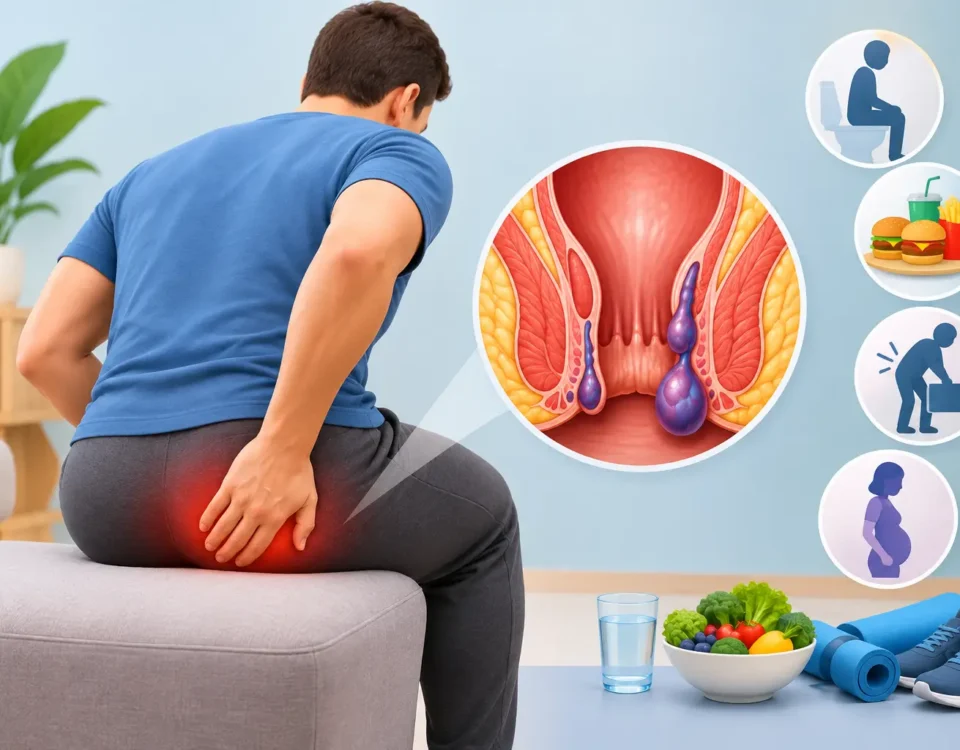
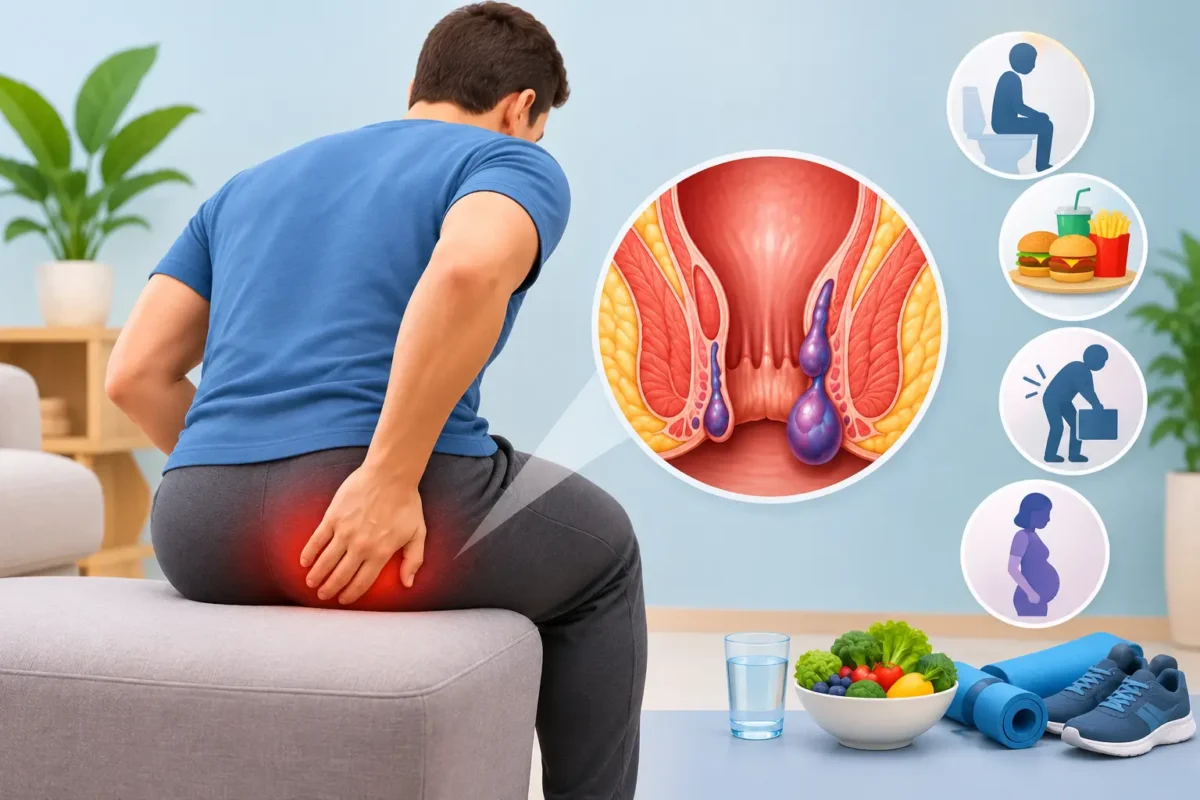
Internal hemorrhoids are often associated with bleeding, prolapse, irritation, and a feeling of incomplete relief after a bowel movement. External hemorrhoids tend to cause more pain and swelling near the outside of the anal area, especially if a clot forms. Anal fissures can create sharp pain and bleeding that patients often mistake for hemorrhoids. A clinic focused on these conditions is built to sort through those differences quickly and recommend a treatment plan that fits the actual diagnosis.
Hemorrhoid banding is primarily used for internal hemorrhoids. If your symptoms come from another issue, a good specialist will say so and guide you toward the better option rather than forcing a one-size-fits-all procedure.
How hemorrhoid banding works
Banding is a procedure that places a small band around the base of an internal hemorrhoid. That cuts off the blood supply to the targeted tissue. Over time, the hemorrhoid shrinks and the treated tissue falls away naturally. The body then heals in that area, which can reduce bleeding, prolapse, and irritation.
What many patients want to know is whether this means a major procedure. It does not. In an office-based setting, banding is typically performed without the operating room, without general anesthesia, and without the kind of recovery period people associate with traditional surgery. That is a major reason patients seek it out.
There is still some nuance here. Banding is highly effective for many internal hemorrhoids, but not every case is identical. Some patients need one treatment. Others need treatment in stages, especially if multiple hemorrhoids are involved or symptoms have been going on for a long time. The right clinic will set realistic expectations from the start.
Why patients often prefer a hemorrhoid banding clinic in Scottsdale
Patients are usually not looking for a complicated medical journey. They want the shortest path between symptoms and relief. A focused hemorrhoid banding clinic is designed around that goal.
The main advantage is specialization. When a practice centers its care on hemorrhoids and fissures, the evaluation tends to be more efficient and the treatment recommendations more targeted. Instead of entering a broad surgical pathway, patients can often be seen, diagnosed, and treated with a non-surgical option that fits neatly into daily life.
Convenience also matters. Many adults dealing with hemorrhoids are balancing work, family responsibilities, travel, and packed schedules. They do not want unnecessary delays, extensive pre-op steps, or days of downtime unless there is no other reasonable option. Office-based treatment appeals to people who want expert care but need a practical solution.
What to expect at your visit
A first appointment usually begins with a discussion of symptoms, how long they have been happening, and whether you have tried home remedies or over-the-counter treatments. Bleeding, pain, itching, swelling, tissue prolapse, constipation, straining, and bowel habits all help shape the evaluation.
From there, the provider performs an exam to identify the cause of your symptoms. This part is often what patients dread most, but in a specialty setting it is handled with discretion and efficiency. The purpose is not just to confirm hemorrhoids. It is to make sure nothing important is missed and to decide whether banding is the right treatment.
If banding is recommended, many patients are relieved to learn how brief the procedure can be. You may feel pressure or fullness, but the experience is generally much more manageable than people fear. Because internal hemorrhoids are treated above the area with more pain-sensitive nerve endings, the procedure is often well tolerated when performed appropriately.
Recovery after hemorrhoid banding
One of the biggest reasons patients choose banding is recovery. Most want to know one thing – how fast can I get back to normal?
For many patients, normal activity resumes quickly, sometimes the same day. That does not mean every person feels exactly the same. Mild pressure, an urge to have a bowel movement, or temporary discomfort can happen. These symptoms are usually short-lived, but the experience varies depending on how sensitive you are, how many hemorrhoids are treated, and whether you also have other issues such as constipation or an anal fissure.
Recovery also depends on what happens after you leave the office. If you continue straining, sit on the toilet for long periods, or ignore chronic constipation, symptoms may persist or return. The procedure treats hemorrhoids, but long-term improvement also depends on bowel habits, hydration, and stool consistency.
When banding is a strong option and when it may not be
Banding is often an excellent choice for internal hemorrhoids that bleed, prolapse, or keep flaring despite conservative care. It is especially appealing for patients who want to avoid traditional surgery and who are looking for an office-based treatment with minimal downtime.
That said, it is not the answer for every hemorrhoid problem. If a patient has severe external hemorrhoids, a thrombosed external hemorrhoid, another anorectal condition, or disease advanced enough to require a different approach, banding may not be the best fit. This is where specialized evaluation matters. Good care is not about pushing one procedure. It is about choosing the least invasive treatment that is likely to work well.
Patients sometimes ask whether they should keep trying creams and wipes first. That depends on the situation. Mild irritation from a short-term flare may improve with conservative measures. But if you are seeing repeated bleeding, ongoing prolapse, worsening discomfort, or symptoms that are interfering with daily life, waiting too long can mean more frustration and more time spent managing a problem that needs procedural treatment.
Choosing the right Scottsdale hemorrhoid banding clinic
Not every clinic offering anorectal care takes the same approach. If you are comparing options, the most meaningful question is whether the practice is structured around non-surgical hemorrhoid care or whether banding is just one occasional service among many others.
A Scottsdale hemorrhoid banding clinic should offer a clear diagnosis, direct recommendations, and treatment from experienced providers who understand the difference between hemorrhoids and other causes of rectal pain or bleeding. Board-certified surgeons with focused experience in office-based hemorrhoid treatment can provide the kind of care patients are usually looking for – efficient, discreet, and grounded in clinical judgment rather than unnecessary escalation.
It also helps to look for a care model that respects the realities of your schedule. Fast access, office-based procedures, and a treatment plan designed to minimize downtime are not small conveniences. For many patients, they are the reason treatment finally feels possible.
Hemorrhoid Centers of America is built around that focused model of care, helping patients get evaluated quickly and treated with non-surgical options when appropriate.
Signs it is time to stop waiting
A lot of people normalize hemorrhoid symptoms for months or even years. They adapt to bleeding, carry wipes everywhere, sit carefully, and keep promising themselves they will make an appointment later. The problem with that approach is not just discomfort. It is that persistent symptoms deserve a proper diagnosis.
If you have recurrent rectal bleeding, swelling that keeps returning, tissue prolapse, itching that does not improve, or pain that is disrupting your day, it is time for a specialist evaluation. Even if the cause does turn out to be hemorrhoids, you should not have to keep guessing or self-treating indefinitely.
The right clinic visit can replace uncertainty with a plan. And for many patients, that is the biggest relief of all – knowing the problem is understood, knowing surgery may not be necessary, and knowing treatment can often happen without putting life on hold.
You do not need to keep organizing your day around hemorrhoid symptoms or waiting for the next flare to decide for you. If your symptoms have moved from occasional annoyance to recurring problem, getting expert care is a practical next step, not an overreaction.