
Top Hemorrhoid Remedies That Actually Help
October 12, 2026
Fissure Healing Timeline Guide for Lasting Relief
October 16, 2026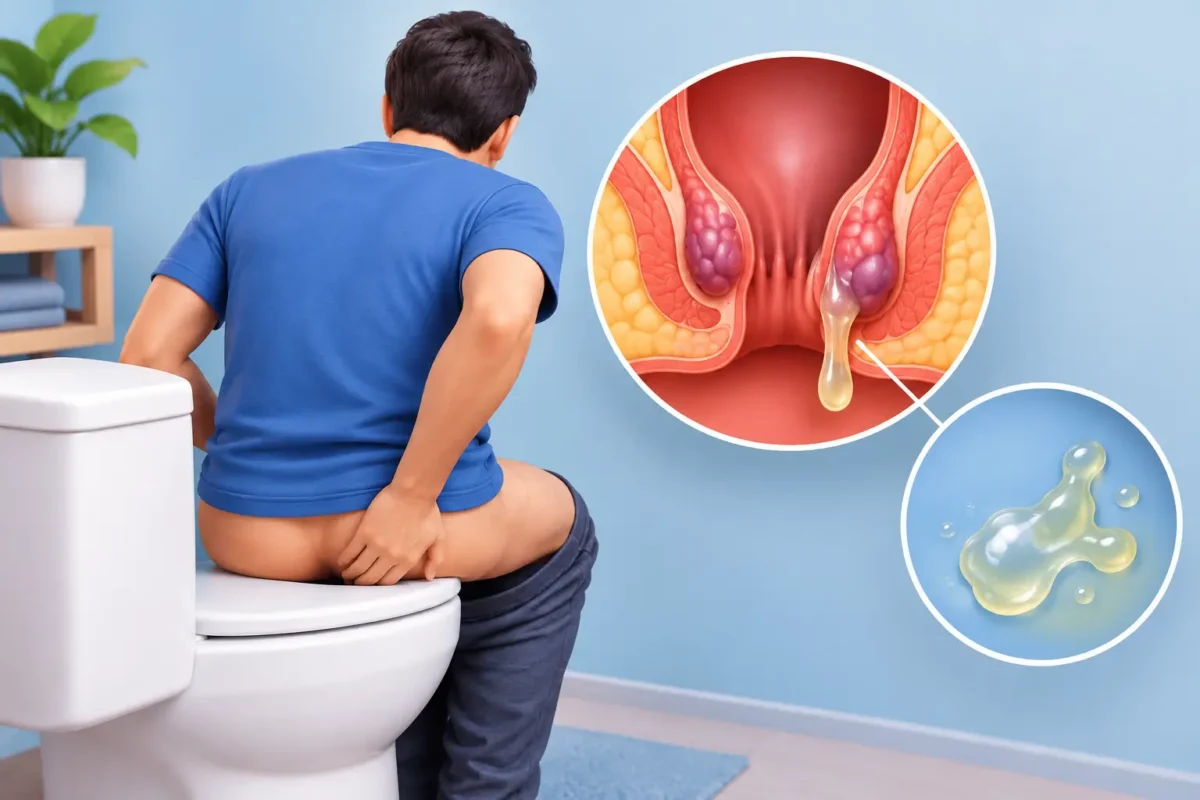
Mucus leakage can be uncomfortable, embarrassing, and easy to dismiss as simple sweating or incomplete cleaning. But if you are asking, can hemorrhoids cause mucus leakage, the answer is yes – particularly when internal hemorrhoids are irritated, enlarged, or prolapsing. It is still worth getting evaluated, because mucus can also occur with other conditions that need a different approach.
How Hemorrhoids Can Cause Mucus Leakage
The rectum normally produces a small amount of mucus. This clear or slightly yellowish substance helps stool pass more easily through the anal canal. Most people never notice it.
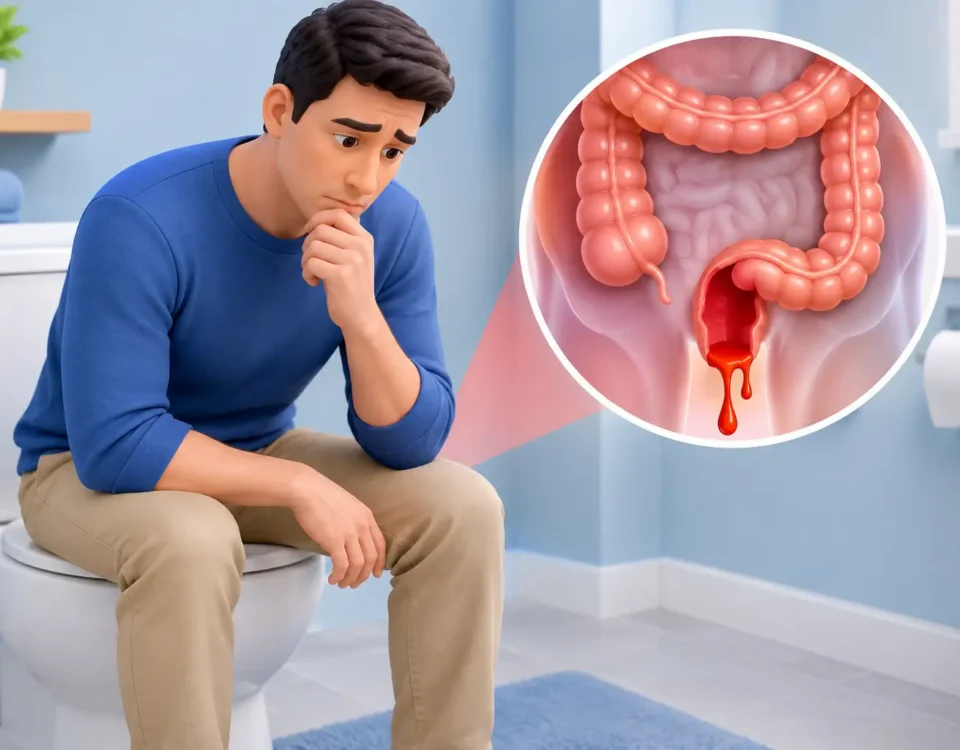
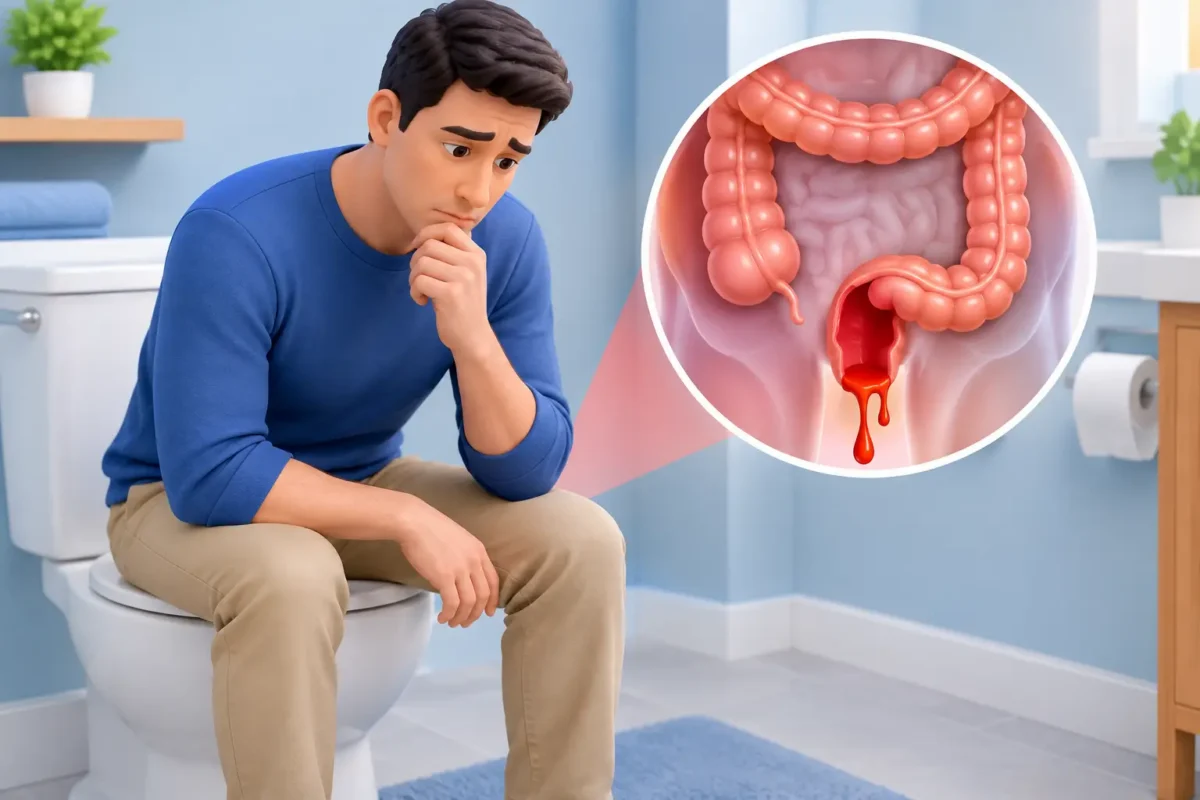
Internal hemorrhoids can change that. These swollen blood vessels develop inside the lower rectum, where they are not usually painful. When they become inflamed or begin to protrude through the anal opening, they can stimulate extra mucus production. The mucus may remain on toilet paper after a bowel movement, stain underwear, or create a persistent damp feeling around the anus.
Prolapsing internal hemorrhoids are a common reason this happens. A prolapse means hemorrhoidal tissue slips downward, sometimes outside the anal opening, especially with straining. That tissue can interfere with the anus closing completely and can irritate the surrounding skin. Small amounts of mucus, and occasionally traces of stool, may leak out as a result.
Mucus leakage may also contribute to itching, burning, redness, and skin irritation. Many patients assume the itching is the primary problem, when ongoing moisture from an internal hemorrhoid is actually keeping the skin irritated.
What Hemorrhoid-Related Mucus Usually Looks Like
Mucus associated with hemorrhoids is often clear, whitish, or pale yellow. It may be slippery or jelly-like, and it is most noticeable after a bowel movement or during periods of increased hemorrhoid swelling. You may also notice other familiar hemorrhoid symptoms, such as bright red bleeding on toilet paper, a feeling of fullness, anal itching, swelling, or tissue that bulges during a bowel movement.
Mucus alone does not confirm hemorrhoids. The pattern matters. Leakage that occurs alongside prolapse, bleeding, or a sensation that you cannot get fully clean is more suggestive of an internal hemorrhoid problem.
A small amount of mucus after straining may not be urgent. Persistent leakage, worsening symptoms, or any uncertainty about the cause deserves a medical examination. A focused evaluation can identify whether hemorrhoids are responsible and rule out conditions that should not be treated as hemorrhoids.
When Mucus Leakage May Be Something Else
Hemorrhoids are common, but they are not the only explanation for anal moisture or discharge. Anal fissures, inflammatory bowel disease, infections, rectal prolapse, polyps, and certain skin conditions can cause similar symptoms. Changes in bowel habits, diarrhea, constipation, or fecal leakage can also make the area feel wet and irritated.
Bloody mucus, pus-like drainage, fever, severe pain, unexplained weight loss, a new change in bowel habits, or black stools should not be assumed to be hemorrhoids. These symptoms call for prompt medical assessment. The same is true if you have a family or personal history of colorectal cancer, inflammatory bowel disease, or colon polyps.
For adults over 45, staying current with recommended colorectal cancer screening remains important, even when hemorrhoids seem likely. Hemorrhoids and other conditions can exist at the same time. An accurate diagnosis protects you from treating the wrong problem and prolonging discomfort.
Why Over-the-Counter Care May Not Be Enough
Witch hazel pads, topical creams, warm baths, and fiber supplements can temporarily ease irritation. They may reduce swelling and make bowel movements more comfortable, especially when symptoms are mild. But these measures do not always resolve enlarged or prolapsing internal hemorrhoids that continue to produce mucus.
Frequent wiping can make matters worse. Friction and scented products may damage already sensitive skin, leading to more burning and itching. Instead, gently rinse with water or use unscented, alcohol-free wipes, then pat the area dry. A thin barrier ointment may help protect irritated skin while you arrange an evaluation.
It also helps to reduce straining. Drink enough water, increase dietary fiber gradually, avoid sitting on the toilet for long periods, and respond to the urge to have a bowel movement rather than waiting. These changes support healthier bowel habits, but they should not become a reason to delay care when leakage, bleeding, or prolapse continues.
Can Hemorrhoids Cause Mucus Leakage Without Pain?
Yes. Internal hemorrhoids often cause little or no pain because they occur above the area of the anal canal that senses sharp pain. A person may have mucus leakage, bleeding, itching, or prolapse without significant discomfort.
That is one reason patients may wait longer than they should. They may think the problem is hygiene-related, or they may be reluctant to discuss a symptom that feels personal. Persistent mucus leakage is not something you need to simply manage around. It is a reason to seek a clear diagnosis and discuss treatment options designed for the actual source of the problem.
Pain becomes more likely when an external hemorrhoid is swollen or thrombosed, when prolapsed tissue becomes severely irritated, or when an anal fissure is also present. Severe or sudden pain should be assessed promptly rather than self-treated indefinitely.
Treatment That Addresses the Source
The right treatment depends on the type, size, and severity of the hemorrhoids. External hemorrhoids, internal hemorrhoids, fissures, skin irritation, and rectal conditions can cause overlapping symptoms but require different care plans.
For many patients with symptomatic internal hemorrhoids, office-based hemorrhoid banding can be an effective non-surgical option. During banding, a small device places a band at the base of the internal hemorrhoid. The band cuts off its blood supply so the tissue shrinks over time. Because the treatment is performed above the pain-sensitive area, many patients experience pressure rather than sharp pain.
Banding is not appropriate for every symptom or every patient, and it does not treat external hemorrhoids in the same way. That is why a focused examination comes first. When hemorrhoids are the cause of mucus leakage, treating the enlarged internal tissue can reduce prolapse, moisture, irritation, and related bleeding.
At Hemorrhoid Centers of America, patients are evaluated by board-certified surgeons who focus on non-surgical treatment for hemorrhoids and anal fissures. Care is designed to be discreet and efficient, with office-based options that typically do not require anesthesia or a long recovery. Many patients return to normal activity the same day, depending on their individual treatment plan.
What to Expect at an Evaluation
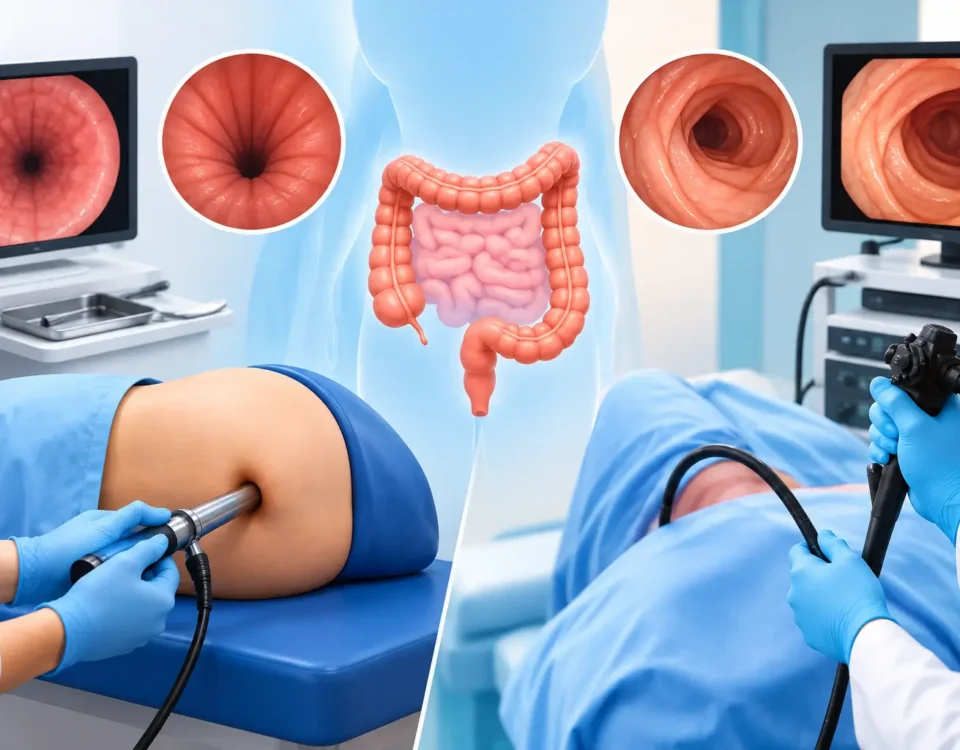
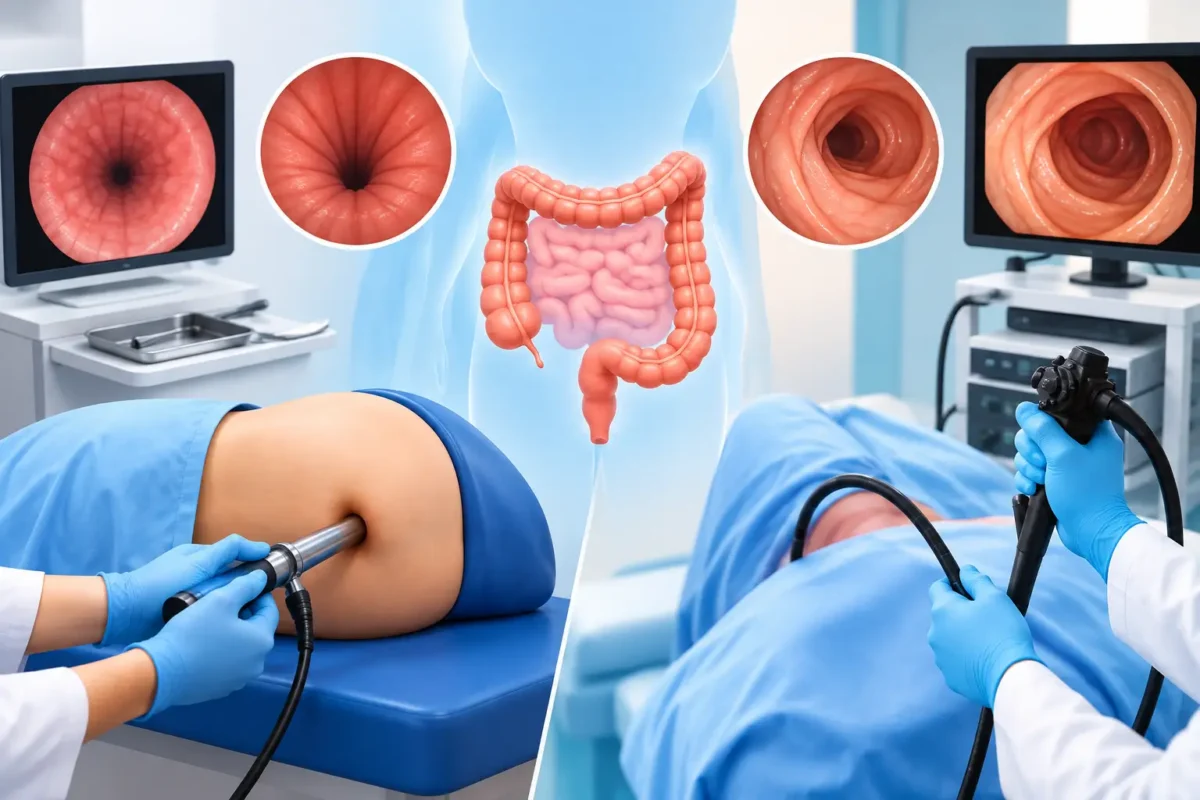
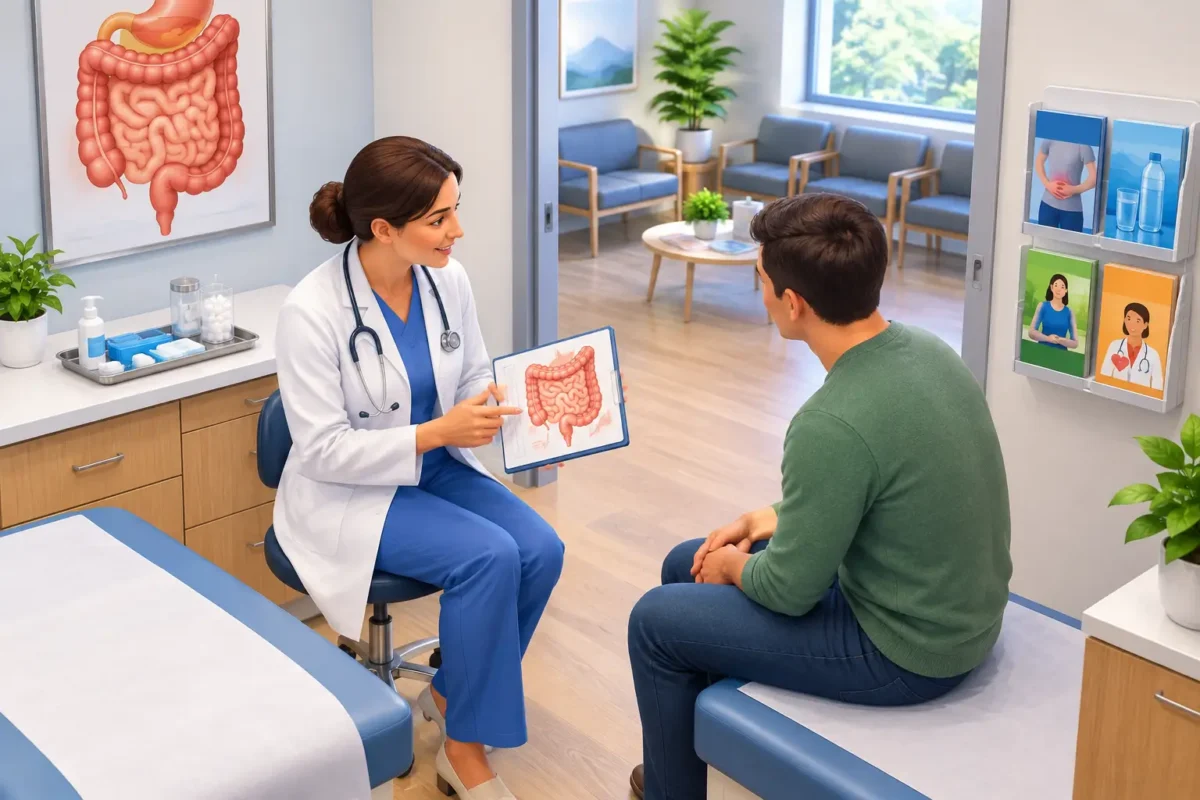
A hemorrhoid evaluation is usually straightforward. Your provider will ask about bleeding, bowel habits, leakage, itching, pain, prior treatments, medications, and relevant health history. A brief examination helps determine whether internal hemorrhoids, external hemorrhoids, an anal fissure, or another condition is present.
Be specific about what you are seeing. Mention the color and frequency of the mucus, whether you see blood, whether tissue protrudes, and whether you have urgency or stool leakage. Those details help your provider distinguish hemorrhoid-related mucus from other forms of discharge.
You do not have to wait until symptoms become severe to seek care. Getting an answer early can prevent ongoing skin irritation and help you move forward with treatment that fits your schedule. A short, specialized evaluation can replace uncertainty with a practical plan for relief.