

Can Fissures Recur After Healing? What to Know
October 10, 2026
Can Hemorrhoids Cause Mucus Leakage? What It Means
October 14, 2026
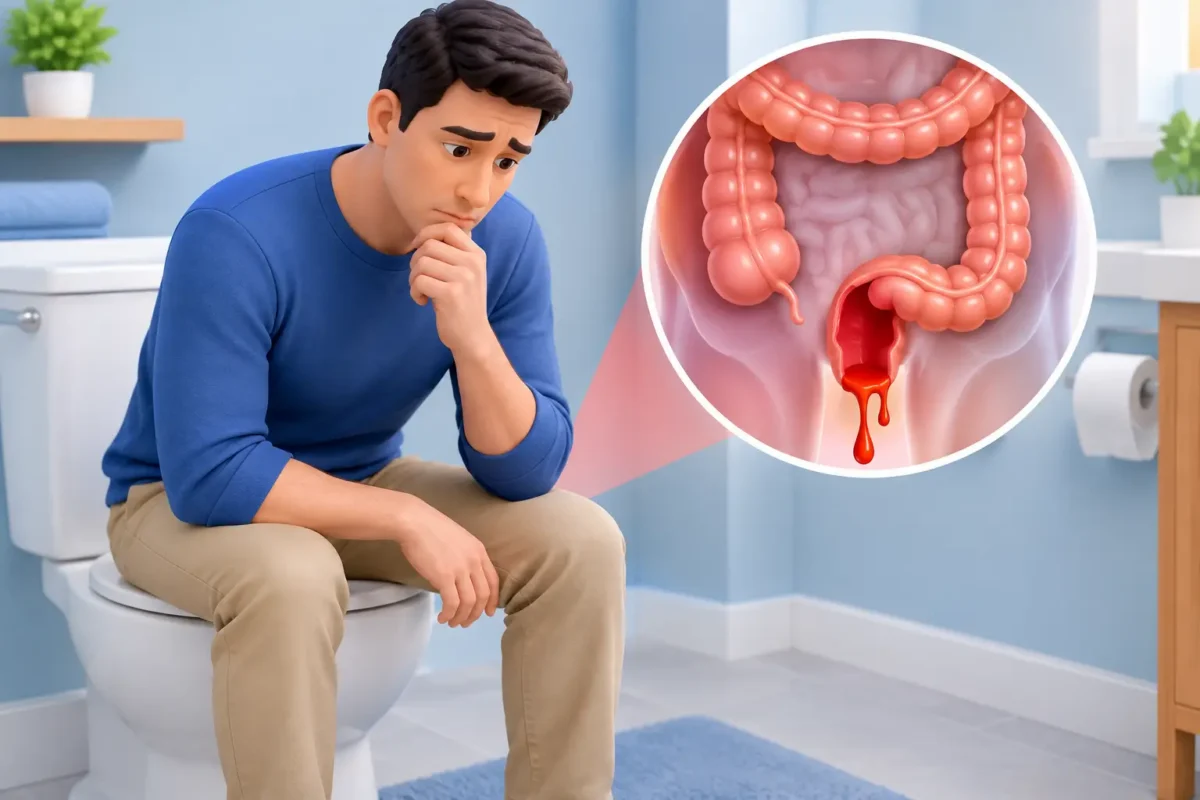
Pain with sitting. Bright red blood on the toilet paper. Itching that will not settle down. These symptoms can make even a normal workday feel difficult, yet many people wait too long to seek help because hemorrhoids are uncomfortable to discuss. The top hemorrhoid remedies depend on what is causing your symptoms, how severe they are, and whether simple measures have given you meaningful relief.
Some hemorrhoids improve with short-term home care and better bowel habits. Others continue to bleed, swell, or prolapse despite over-the-counter products. Knowing the difference can save you weeks of frustration and help you get the right treatment without assuming that surgery is your only option.
Start by Knowing What You Are Treating
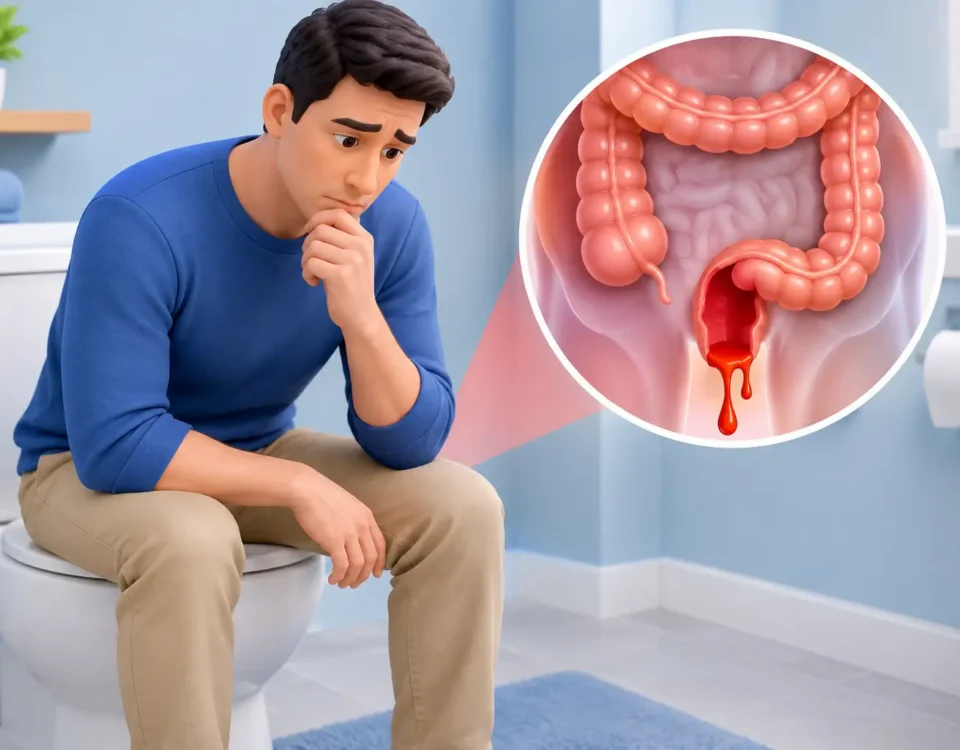
Hemorrhoids are swollen veins in or around the anus and lower rectum. Internal hemorrhoids form inside the rectum and often cause painless bright red bleeding, pressure, or tissue that comes out during a bowel movement. External hemorrhoids occur under the skin around the anus and may cause itching, swelling, tenderness, or sharp pain when a clot forms.
Not every rectal symptom is a hemorrhoid. Anal fissures, which are small tears in the anal lining, often cause severe cutting or burning pain during and after a bowel movement. Bleeding also deserves medical attention, especially if it is new, persistent, heavy, or accompanied by changes in bowel habits, unexplained weight loss, abdominal pain, dizziness, or fatigue.
A focused examination gives you clarity. It also prevents you from repeatedly treating the wrong problem with creams that are not designed to fix it.
Top Hemorrhoid Remedies for Mild Symptoms
For mild, recent symptoms, the goal is to reduce irritation while making bowel movements easier to pass. These measures work best when used consistently for several days to a few weeks, not just when symptoms flare.
Soften the Stool, Not Just the Symptoms
Straining and hard stool are major reasons hemorrhoids become irritated. A gradual increase in dietary fiber can help create softer, more regular bowel movements. Fruits, vegetables, beans, whole grains, and a fiber supplement can all be useful. Increase fiber slowly and drink adequate fluids to avoid gas or bloating.
Try not to sit on the toilet for long periods or force a bowel movement. Bringing a phone into the bathroom may seem harmless, but extended sitting can increase pressure on hemorrhoidal tissue. Go when you feel the urge, avoid pushing, and give yourself time without lingering.
Use Warm Water for Comfort
A warm sitz bath or a warm bath for 10 to 15 minutes may relax the area and temporarily ease soreness or spasm. Plain warm water is usually enough. Avoid heavily scented soaps, bubble baths, and harsh cleansers, which can worsen itching and irritation.
After a bowel movement, clean gently. Unscented moistened wipes or water may feel more comfortable than dry toilet paper, but avoid products containing alcohol or fragrance. Pat dry rather than rubbing.
Try Short-Term Over-the-Counter Relief Carefully
Topical hemorrhoid creams, ointments, suppositories, witch hazel pads, and numbing products can reduce itching or discomfort for some people. They are symptom relievers, not a cure for enlarged internal hemorrhoids or persistent prolapse.
Products containing hydrocortisone should generally be used only for a short period unless a clinician advises otherwise. Extended use can thin and irritate sensitive skin. If a product burns, causes a rash, or does not help after several days, stop using it and seek guidance rather than adding more products.
Cold packs wrapped in a clean cloth can also temporarily reduce external swelling. Apply them briefly, never directly to the skin, and allow the area to warm between applications.
Address Habits That Keep Hemorrhoids Inflamed
Constipation is not the only trigger. Repeated diarrhea, heavy lifting, pregnancy, prolonged sitting, and frequent straining can all contribute. Regular movement, a consistent bathroom routine, and managing diarrhea or constipation can reduce repeated irritation.
If your job requires long periods of sitting, standing up and walking briefly throughout the day may help. The goal is not to avoid normal activity. In fact, gentle activity often supports regular bowel function. It is to limit the pressure and straining that keep symptoms active.
When Home Remedies Are Not Enough
At-home care is reasonable for mild symptoms, but it has limits. Persistent bleeding, recurring swelling, a lump that will not go back in, or pain that interferes with daily life should not become a long-term self-treatment project.
You should arrange an evaluation promptly if bleeding continues beyond a few days, symptoms return repeatedly, or you have tried conservative measures without progress. Sudden severe pain with a firm external lump may indicate a thrombosed external hemorrhoid. While not always dangerous, it can be very painful and is best assessed quickly.
Seek urgent medical care for heavy rectal bleeding, black or tar-like stool, fainting, severe weakness, fever, or severe abdominal pain. These symptoms can point to conditions other than hemorrhoids and should not be managed at home.
Non-Surgical Treatment Can Offer More Definitive Relief
Many people assume the next step after creams is traditional surgery. For many internal hemorrhoids, that is not the case. Office-based, minimally invasive treatments can address the hemorrhoid directly without the recovery associated with hospital-based surgery.
Rubber band ligation, often called hemorrhoid banding, is a common option for eligible internal hemorrhoids. During this office procedure, a small band is placed around the base of the hemorrhoid, cutting off its blood supply. The treated tissue shrinks over time. Because internal hemorrhoids are located above the area with sharp pain sensation, the procedure is often well tolerated and typically does not require general anesthesia.
The right approach depends on the hemorrhoid type, its size, whether it prolapses, your symptoms, and your medical history. A specialist may also recommend custom medication protocols when anal fissures or related irritation are contributing to pain. The most effective care plan treats the actual source of symptoms rather than relying on a one-size-fits-all product.
At Hemorrhoid Centers of America, board-certified providers focus on non-surgical treatment pathways designed to help patients address hemorrhoid symptoms efficiently and return to normal routines with minimal disruption.
What to Expect From an Evaluation
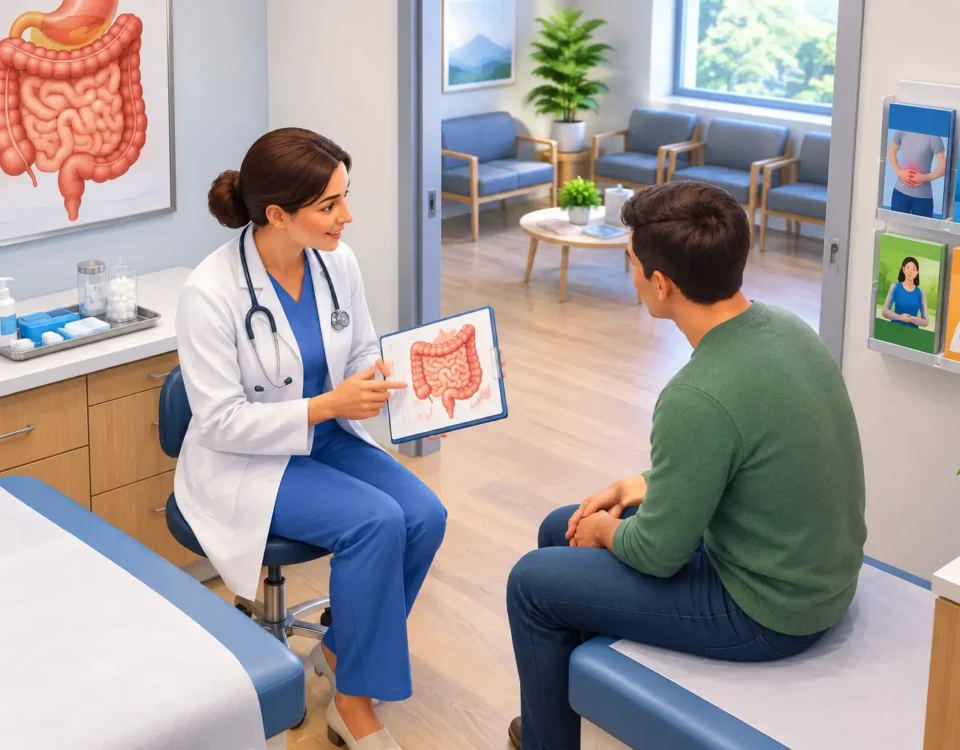
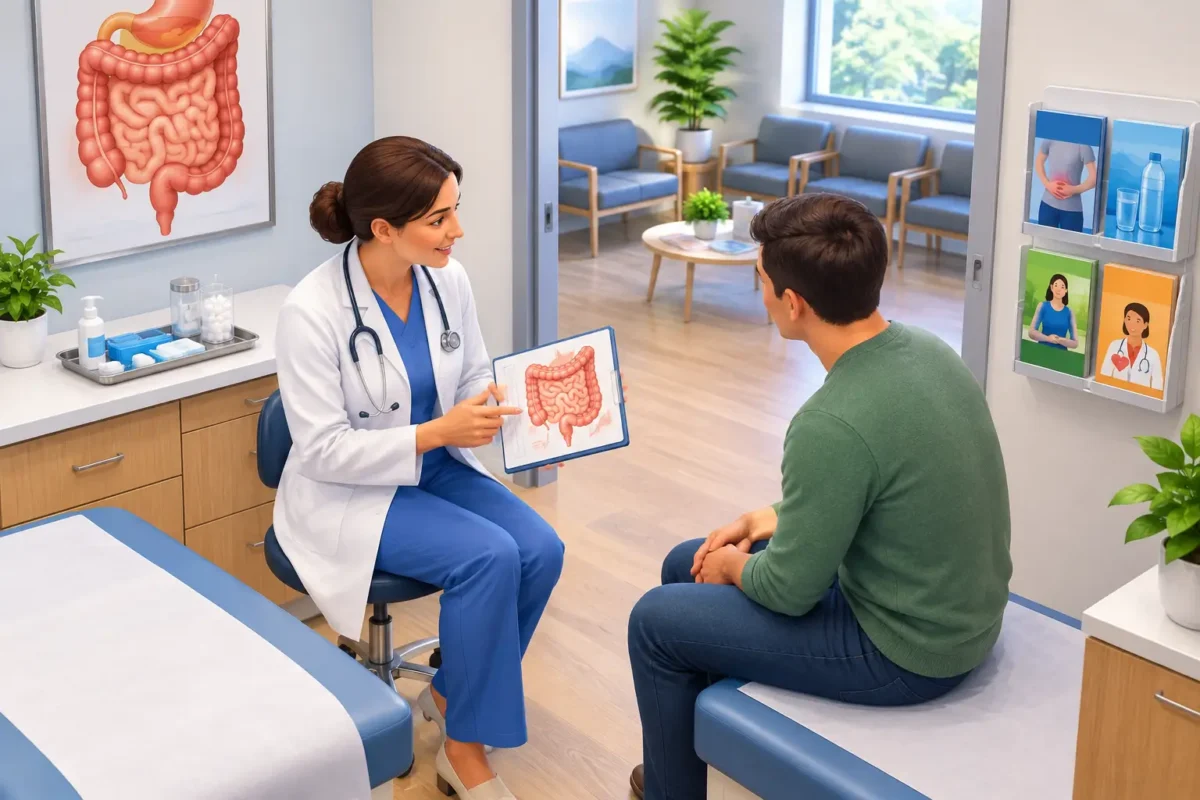
A hemorrhoid visit is generally more straightforward than people expect. Your provider will ask about bleeding, pain, bowel habits, medications, prior treatments, and any family history that may matter. A focused exam can identify whether hemorrhoids, a fissure, or another condition is likely causing the symptoms.
Be open about what you have tried and how long symptoms have been present. Mention blood thinners, pregnancy, immune conditions, and previous colonoscopy results when relevant. This information helps your provider recommend treatment safely.
There is no prize for tolerating bleeding, itching, or pain in silence. The best remedy is the one that matches the problem, relieves your symptoms, and lets you get back to living comfortably.