

Your Guide to Hemorrhoid Treatment Costs
September 10, 2026
Questions About Hemorrhoid Banding Safety Answered
September 14, 2026
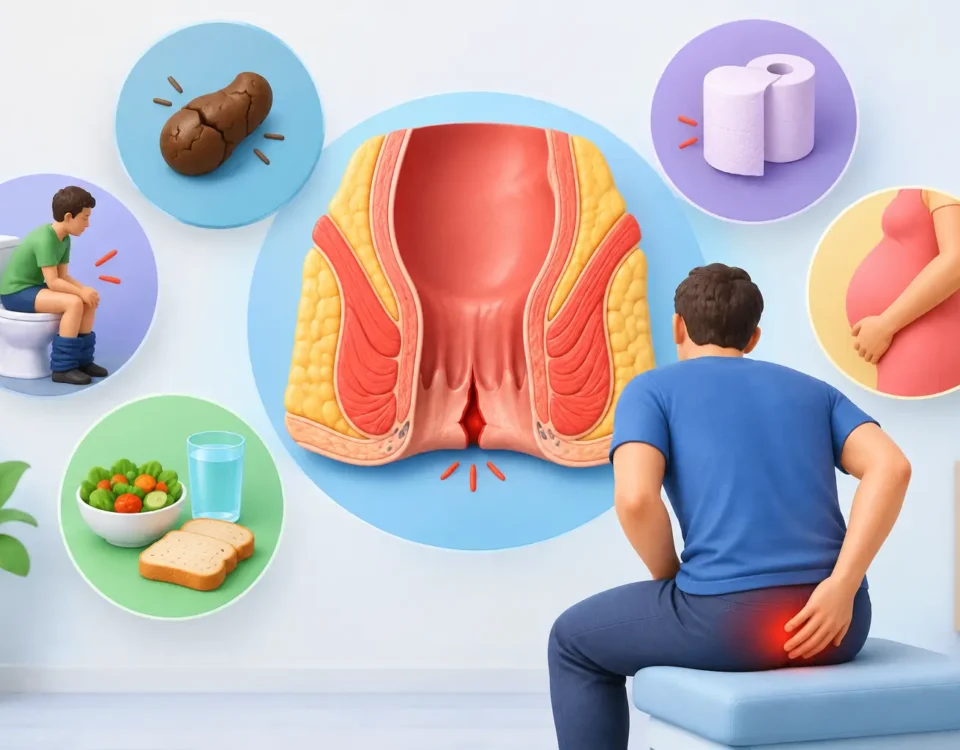
That persistent feeling of fullness, heaviness, or pressure near the rectum can be distracting – especially when sitting at work, driving, or trying to have a bowel movement. So, can hemorrhoids cause pressure? Yes. Enlarged hemorrhoidal tissue can create pressure in and around the anal canal, particularly when internal hemorrhoids swell, prolapse, or become irritated.
Pressure is a common hemorrhoid symptom, but it is not one to dismiss automatically. Similar sensations can also occur with constipation, anal fissures, pelvic floor problems, inflammation, or less common conditions that need a different type of care. A focused evaluation can identify what is causing the discomfort and help you move toward relief without unnecessary surgery.
How Hemorrhoids Create Pressure
Hemorrhoids are swollen veins and supporting tissue in the lower rectum or around the anus. Everyone has hemorrhoidal tissue – it helps with bowel control. Problems begin when that tissue becomes enlarged, inflamed, or stretched.
Internal hemorrhoids occur inside the rectum, where there are fewer pain-sensitive nerves. They may not cause sharp pain, but they can cause a noticeable sense of pressure, fullness, or the feeling that you still need to have a bowel movement after you have finished. This sensation can be more pronounced after straining, sitting on the toilet for a long time, or passing a hard stool.
External hemorrhoids develop under the skin around the anus. They can cause pressure along with swelling, tenderness, itching, and discomfort while sitting. If a blood clot forms in an external hemorrhoid, known as a thrombosed hemorrhoid, pressure can become sudden and painful, often with a firm lump near the anal opening.
Prolapsed hemorrhoids can feel especially uncomfortable
As internal hemorrhoids enlarge, they can bulge downward and extend outside the anus during a bowel movement. This is called prolapse. A prolapsed hemorrhoid may retract on its own, need to be gently pushed back in, or remain outside.
When tissue is prolapsed, patients may describe a constant “something is there” feeling. They may also experience moisture, itching, mucus, irritation, and difficulty getting clean after a bowel movement. The degree of pressure depends on the size of the hemorrhoid, how often it prolapses, and whether it is swollen or trapped outside the anal canal.
What Hemorrhoid Pressure May Feel Like
Pressure does not feel the same for every patient. For some, it is mild rectal fullness that comes and goes. For others, it feels like a lump, heaviness, or an urge to have another bowel movement even when the rectum is empty.
Hemorrhoid-related pressure often occurs with one or more familiar symptoms: bright red blood on toilet paper or in the bowl, itching, burning, swelling, mucus, or a protruding lump. Symptoms may flare after constipation, diarrhea, heavy lifting, pregnancy, prolonged sitting, or a period of straining.
A key detail is timing. Pressure that worsens during bowel movements and improves afterward may fit with irritated hemorrhoids. Pressure that is constant, severe, or accompanied by escalating pain deserves prompt medical attention. The location also matters. Deep rectal pressure can have different causes than a painful, swollen lump at the anal opening.
When Pressure May Be Something Other Than Hemorrhoids
Hemorrhoids are common, but they are not the only explanation for anal or rectal pressure. Self-diagnosis can delay appropriate treatment, especially when bleeding or pain is involved.
An anal fissure, which is a small tear in the anal lining, commonly causes sharp or burning pain during and after bowel movements. Some people also experience muscle spasm and a tight, pressured sensation. Constipation can create pressure simply because stool remains hard, dry, or difficult to pass. Incomplete evacuation can leave patients feeling as though they still need to go.
Inflammation, infection, abscesses, rectal prolapse, and pelvic floor dysfunction may also produce pressure or fullness. In some cases, bleeding or a change in bowel habits requires evaluation to rule out colon or rectal conditions that should not be attributed to hemorrhoids.
This is why an exam matters. A specialist can determine whether hemorrhoids are present, assess their severity, and identify other conditions that may be contributing to your symptoms. The right treatment depends on the actual cause, not just the symptom.
When to Seek Care for Hemorrhoid Pressure
You do not need to wait until symptoms become unbearable. If pressure keeps returning, interrupts daily activities, or has not improved with basic home measures, a medical evaluation can provide clarity and a more effective path forward.
Seek prompt care if you have heavy bleeding, black or tar-like stool, fever, drainage, severe pain, a rapidly enlarging lump, dizziness, or weakness. These symptoms may not be caused by routine hemorrhoids and should be assessed without delay.
It is also wise to schedule an evaluation if you are over 45 and develop new rectal bleeding, have a personal or family history of colorectal cancer or inflammatory bowel disease, or notice unexplained weight loss or a persistent change in bowel habits. Hemorrhoids and other conditions can occur at the same time, so bleeding should never be assumed to be harmless without proper assessment.
Can Hemorrhoid Pressure Improve Without Surgery?
Mild symptoms sometimes improve when the triggers are addressed. Drinking enough water, increasing fiber gradually, avoiding straining, and limiting extended time on the toilet can make stools easier to pass and reduce irritation. Warm baths may temporarily soothe external discomfort. Over-the-counter creams can offer short-term symptom relief, but they do not remove internal hemorrhoids or correct prolapse.
If pressure persists, office-based treatment may be a better option than continuing to manage repeated flares at home. Internal hemorrhoid banding is a common non-surgical procedure that places a small band around the hemorrhoid. The band cuts off its blood supply so the tissue shrinks over time. For appropriate patients, this can reduce bleeding, prolapse, fullness, and pressure without traditional surgery or general anesthesia.
Not every hemorrhoid should be treated the same way. Small internal hemorrhoids, larger prolapsing hemorrhoids, external swelling, thrombosed hemorrhoids, and anal fissures each require a tailored approach. A provider should also consider medications, bowel habits, pregnancy status, blood thinners, and the source of any bleeding before recommending a procedure.
At Hemorrhoid Centers of America, board-certified providers focus on diagnosing and treating hemorrhoids and anal fissures with efficient, office-based options designed to minimize downtime. Many patients can return to normal daily activities the same day, depending on the treatment performed and their individual symptoms.
What to Expect at an Evaluation
A hemorrhoid evaluation is usually straightforward and discreet. Your provider will ask about pressure, bleeding, pain, bowel habits, medications, and previous treatments. A brief examination may include an inspection of the area and an internal assessment to determine whether hemorrhoids, fissures, or another concern is present.
The goal is not to make the visit more complicated than it needs to be. It is to get an accurate diagnosis so you are not stuck cycling through temporary remedies while pressure, irritation, or bleeding continues. If treatment is recommended, your provider can explain what it involves, how quickly symptoms may improve, and what recovery typically looks like.
Persistent rectal pressure can be uncomfortable and unsettling, but it is a symptom with answers. Getting a focused evaluation can help you understand whether hemorrhoids are the cause and choose a treatment plan that gets you back to feeling comfortable in your routine.