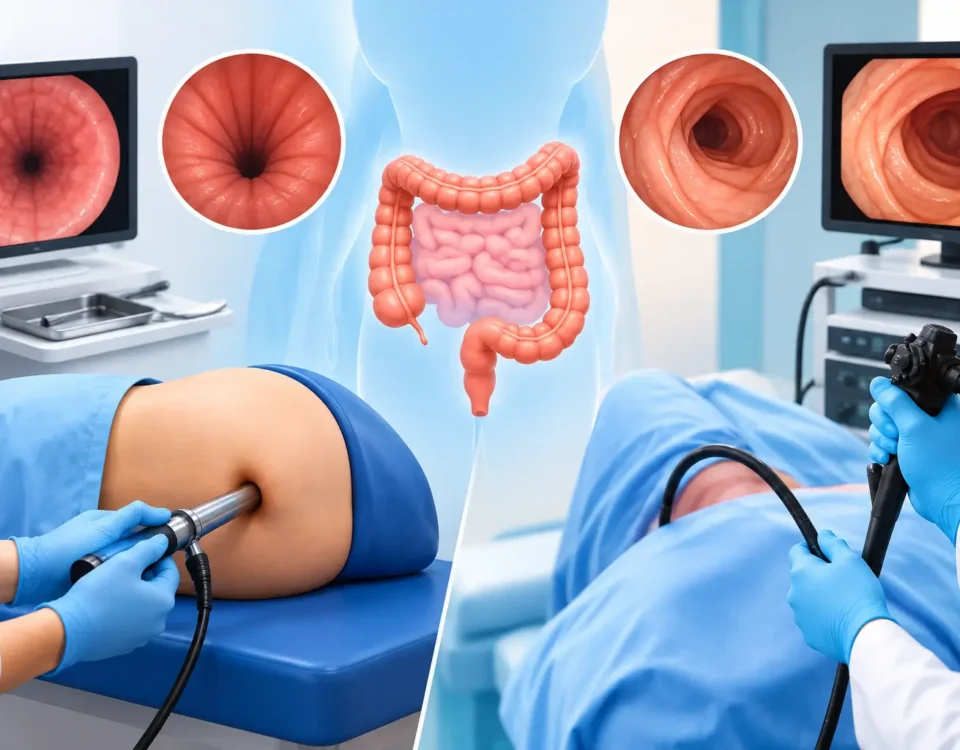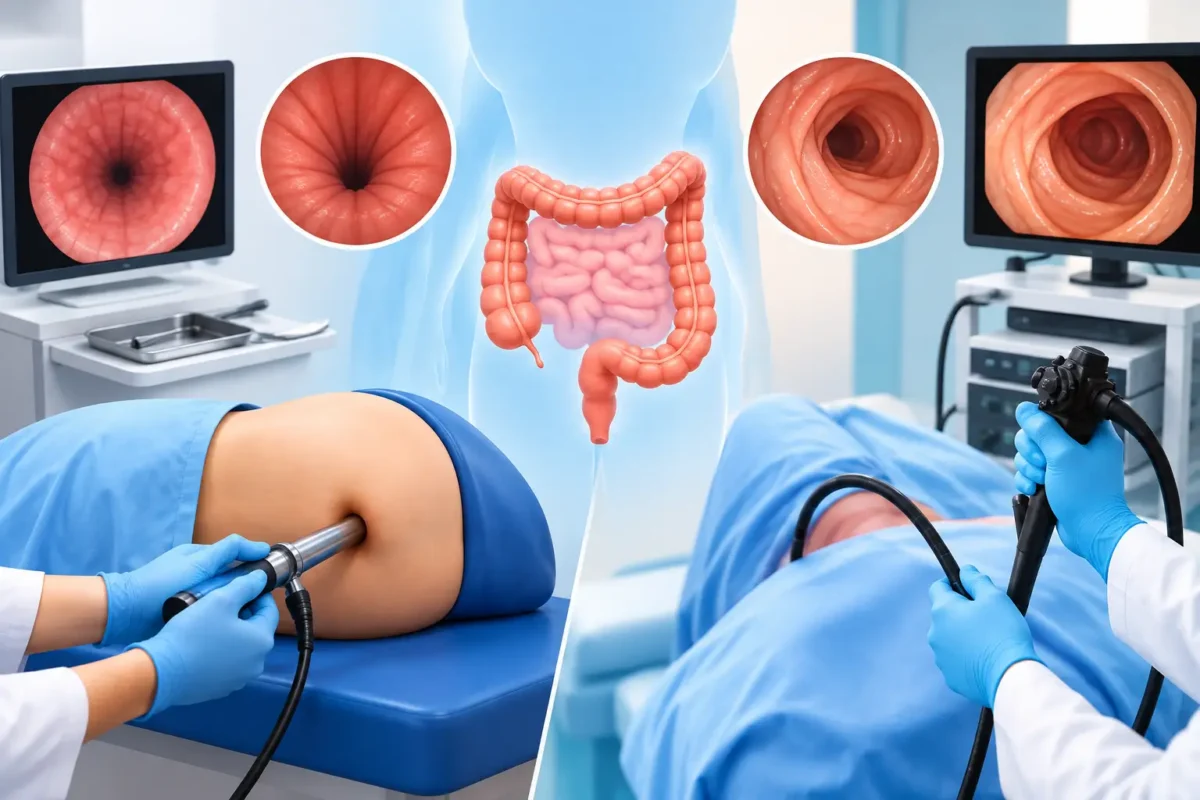


Anoscopy Versus Colonoscopy: Which Test Fits?
November 17, 2026
A client meeting, a long commute, and a calendar with no open space can make it easy to dismiss rectal bleeding, itching, or discomfort for another week. But hemorrhoid treatment for busy professionals does not have to mean hospital visits, major surgery, or a lengthy recovery. With the right diagnosis and a focused non-surgical plan, many patients can receive care in an office setting and return to normal daily activity the same day.
Hemorrhoids are common, but the disruption they cause is personal. Sitting through presentations can become painful. Travel can feel stressful. Even a quick trip to the restroom may come with burning, swelling, or bleeding. You do not need to keep organizing your workday around symptoms that can be evaluated and treated.
Why Busy Professionals Often Delay Care
Work responsibilities are only part of the reason people wait. Symptoms in this area can feel embarrassing to discuss, and many patients worry that an appointment will lead straight to surgery. Others try over-the-counter creams, wipes, or dietary changes for months, hoping the problem will settle down.
Those measures can help with mild, temporary irritation. They may reduce discomfort while you increase fiber and fluid intake or avoid straining. However, they do not always address enlarged internal hemorrhoids that continue to bleed, prolapse, or cause recurring pressure. They also cannot confirm whether symptoms are actually caused by hemorrhoids.
That distinction matters. Rectal bleeding should be evaluated by a qualified medical provider rather than assumed to be hemorrhoids. Anal fissures, skin irritation, inflammatory conditions, polyps, and other concerns can create similar symptoms. A specialized examination provides clarity, which is often the fastest path to appropriate relief.
What Efficient Hemorrhoid Care Can Look Like
A specialty hemorrhoid visit is designed around a straightforward question: what is causing the symptoms, and what treatment is most likely to resolve them without unnecessary surgery? The answer depends on the type, size, and location of the hemorrhoids, as well as whether an anal fissure or another condition is involved.
For many patients with internal hemorrhoids, office-based hemorrhoid banding is an effective non-surgical option. During banding, a small band is placed around the base of the internal hemorrhoid. This cuts off its blood supply so the tissue shrinks over time. Because internal hemorrhoids are located above the pain-sensitive area of the anal canal, the procedure is generally well tolerated when performed for the appropriate condition.
The appointment itself is typically brief. No general anesthesia is required, and patients commonly return to work, driving, and other regular activities the same day. There may be a sensation of fullness or mild pressure afterward, and your provider will explain what to expect based on your treatment plan.
Not every hemorrhoid should be treated the same way. External hemorrhoids, thrombosed hemorrhoids, advanced prolapse, and symptoms caused by an anal fissure may call for a different approach. A provider may recommend medication protocols, dietary adjustments, a staged treatment plan, or, in selected cases, a surgical consultation. Efficient care is not about rushing to one procedure. It is about choosing the least invasive option that fits the diagnosis.
Hemorrhoid Treatment for Busy Professionals: What to Expect
The most useful treatment plan is one that respects both your health and your schedule. At a specialized clinic, the process generally begins with a focused conversation about bleeding, pain, itching, bowel habits, past treatments, medications, and any changes in your symptoms. A clinical examination then helps identify the source of the problem.
If banding is appropriate, treatment may be performed during the office visit or scheduled promptly. Some patients need more than one treatment session, particularly when multiple hemorrhoids are present. Spacing sessions can allow tissue to heal properly and gives the provider an opportunity to monitor your response.
Before you leave, you should receive clear instructions about activity, bowel movements, diet, and symptoms that warrant a call to the office. Most people can maintain their normal routine, but it is wise to avoid heavy lifting or strenuous exercise for the period recommended by the provider. Planning treatment around a lighter workday can provide extra peace of mind, especially if you travel frequently or have a demanding commute.
A short procedure does not mean aftercare is optional. Preventing constipation and straining is central to long-term comfort. Your provider may recommend fiber, adequate water intake, and changes to bathroom habits, such as avoiding prolonged sitting on the toilet. These practical steps support healing and can reduce the chance of recurrent symptoms.
When Home Remedies Are No Longer Enough
A warm bath, topical products, and a better fiber routine can be reasonable first steps for minor symptoms. The trade-off is that self-care can become a cycle of temporary relief and recurring discomfort when the underlying issue needs procedural treatment.
Consider scheduling an evaluation if bleeding keeps returning, pain interferes with sitting or working, swelling persists, or symptoms have not improved with conservative measures. You should also seek prompt medical attention for significant bleeding, severe pain, dizziness, fever, or symptoms that worsen quickly.
There is no benefit to pushing through symptoms simply because your schedule is full. In fact, delaying care can turn an inconvenience into a larger interruption, especially when symptoms flare during travel, deadlines, or important events. A focused office visit can replace weeks of uncertainty with a specific diagnosis and a practical plan.
Questions to Ask Before Choosing a Provider
For a condition that affects comfort, confidence, and work performance, specialized experience matters. Ask whether the provider routinely diagnoses and treats hemorrhoids and anal fissures, what non-surgical options are available, and whether treatment can be completed in an office setting.
It is also reasonable to ask what recovery is typically like for your recommended procedure, whether you may need follow-up sessions, and what symptoms should prompt you to contact the clinic. Clear answers help you arrange care around meetings, family responsibilities, and travel without guessing about downtime.
Hemorrhoid Centers of America focuses specifically on non-surgical treatment pathways for hemorrhoids and anal fissures. Care is delivered by board-certified surgeons who understand that patients want effective treatment without the disruption of a traditional surgical experience.
Make Room for Relief
You make time for work obligations because they have consequences when left unresolved. Persistent rectal discomfort, itching, swelling, or bleeding deserves the same practical attention. A discreet evaluation can determine whether non-surgical treatment is right for you and help you move forward with more comfort and less disruption.
The right appointment is not another burden on your calendar. It can be the step that lets you stop planning your day around hemorrhoid symptoms.