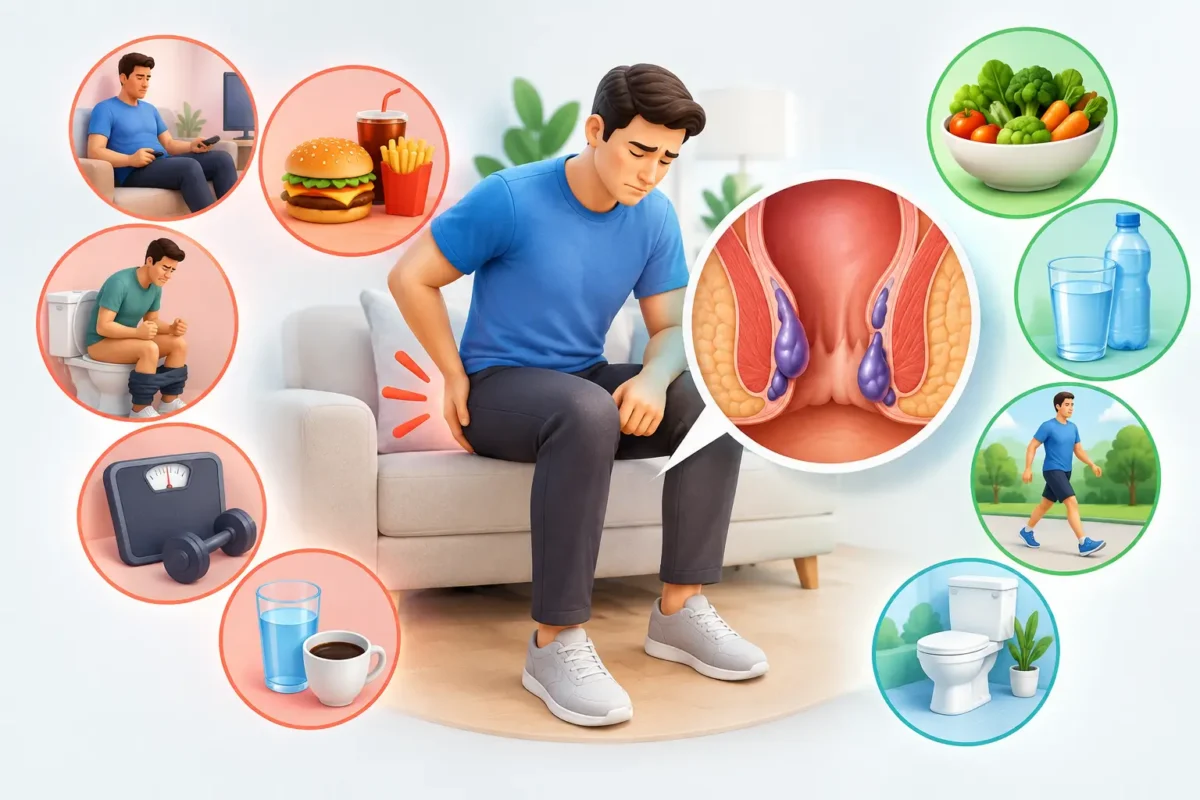

Top Hemorrhoid Triggers and How to Reduce Them
November 11, 2026
Warning Signs of Rectal Bleeding to Watch For
November 15, 2026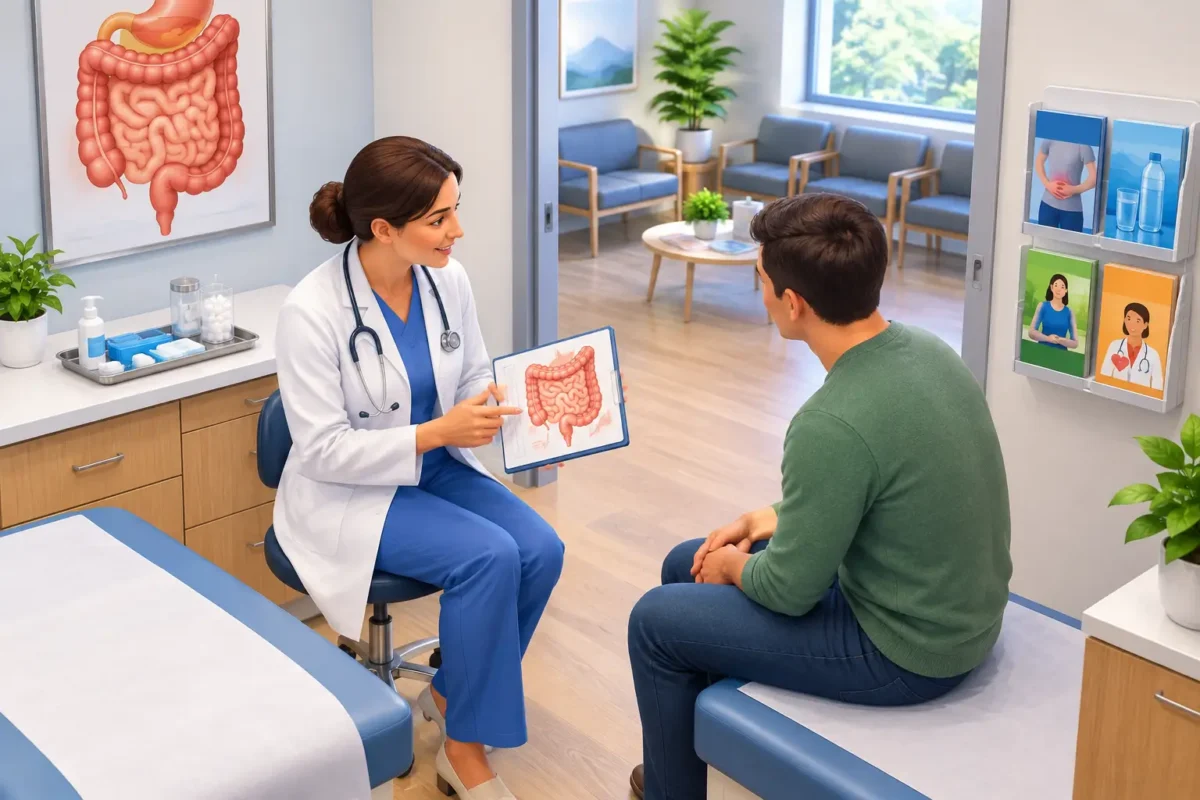
A sharp, tearing pain during a bowel movement that lingers for minutes or hours afterward is more than a minor inconvenience. It can make sitting at work, exercising, and even anticipating the next trip to the bathroom stressful. Anal fissure healing often begins with reducing strain and protecting the delicate tissue, but persistent pain deserves medical attention rather than endless trial and error at home.
An anal fissure is a small tear in the lining of the anus. It is common, treatable, and nothing to feel embarrassed about. The challenge is that the area is repeatedly irritated by bowel movements. If stool remains hard or the muscles around the anal canal stay tight, the tear may struggle to close.
What supports anal fissure healing?
Most new fissures, often called acute fissures, can improve with conservative care when the underlying trigger is addressed. For many people, that trigger is constipation, straining, or passing a large, hard stool. Frequent loose stools and irritation from diarrhea can also cause or prolong a fissure.
The goal is simple: keep bowel movements soft, regular, and easy to pass. Drinking adequate fluids, gradually increasing dietary fiber, and avoiding prolonged straining can reduce repeated trauma to the area. Some patients benefit from a stool softener or fiber supplement, but the right approach depends on your usual bowel pattern, medications, and medical history.
Warm sitz baths can relax the area and provide short-term comfort, especially after a bowel movement. Gentle cleansing matters, too. Avoid aggressive wiping, fragranced products, and harsh soaps that can further irritate sensitive tissue. Patting dry or using plain water is often more comfortable than repeated rubbing.
Over-the-counter creams may temporarily soothe symptoms, but they do not always address the muscle spasm that can keep a fissure from healing. This is one reason symptoms can improve briefly and then return.
Why some fissures do not heal on their own
A fissure can create a frustrating cycle. Pain causes the internal anal sphincter muscle to tighten. That tightening decreases blood flow to the area, making healing more difficult. Then the next bowel movement reopens or aggravates the tear.
When a fissure lasts longer than several weeks, recurs repeatedly, or causes significant pain after every bowel movement, it may be considered chronic. Chronic fissures may develop features such as a small skin tag or thickened tissue around the tear. At that point, diet changes alone may not be enough.
This does not automatically mean surgery is necessary. Specialized treatment can often focus on relaxing the tight muscle and improving blood flow with prescription medication protocols. A clinician may prescribe a topical medication designed for this purpose, with instructions tailored to minimize side effects and support healing.
How long does anal fissure healing take?
The timeline varies. A new fissure may begin feeling better within days once bowel movements become softer and less painful. Complete healing can take several weeks. If symptoms are not steadily improving, or if they return as soon as home care stops, it is time for an evaluation.
Pain level is not the only measure of recovery. Some people have less discomfort but continue to see bright red blood on toilet paper. Others have intermittent pain that seems manageable until constipation triggers another flare. Ongoing bleeding, pain, or a change in bowel habits should be assessed rather than assumed to be a fissure.
It is also worth recognizing that hemorrhoids and fissures can produce overlapping symptoms. Both may cause rectal bleeding and discomfort, but their treatment plans are different. A focused exam helps identify the actual source of symptoms so treatment is not delayed by self-diagnosis.
When to seek specialized care
You should schedule an evaluation if pain is severe, symptoms have lasted more than a few weeks, or you have tried common home measures without meaningful improvement. Care is also appropriate sooner if the discomfort is disrupting sleep, work, exercise, or normal daily routines.
Seek prompt medical attention for heavy bleeding, black or tarry stools, fever, abdominal pain, unexplained weight loss, or dizziness. These symptoms may point to a condition other than a fissure and should not be managed with home remedies alone.
A specialized provider can examine the area carefully, confirm whether a fissure is present, and rule out other causes of rectal pain or bleeding. This step is particularly valuable for patients who have had recurring symptoms or who are unsure whether hemorrhoids, a fissure, or another condition is responsible.
Non-surgical treatment options for chronic fissures
For a chronic anal fissure, treatment is often designed to break the pain-spasm cycle without traditional surgery. Prescription topical medications may relax the internal sphincter muscle, increase blood flow, and give the tear a better chance to close. These medications require consistent use and specific instructions, since some can cause effects such as headache or lightheadedness.
Another option for certain patients is Botox treatment of the sphincter muscle. By temporarily reducing muscle tension, Botox can support healing while avoiding an incision. Whether this is appropriate depends on the fissure’s duration, your symptoms, prior treatments, and your individual health history.
Surgery can be effective for carefully selected cases, but it is not the first choice for every patient. The trade-off is that surgical treatment may involve more recovery considerations and potential risks. A non-surgical pathway may be preferable when it can provide relief without anesthesia, hospital-based care, or extended downtime.
At Hemorrhoid Centers of America, patients can receive evaluation and non-surgical treatment pathways from board-certified surgeons who focus on anorectal conditions. The purpose is not simply to manage discomfort for a few days. It is to identify what is preventing healing and provide a practical plan that fits real life.
Preventing another fissure after healing
Once symptoms improve, keeping stool consistently soft remains the most effective prevention strategy. Many patients make the mistake of stopping fiber, fluids, or bowel routine changes immediately after they feel better. That can allow constipation to return and place the healing tissue under stress again.
Pay attention to your body’s timing. Do not ignore the urge to have a bowel movement, but do not sit and strain for long periods either. If constipation is frequent despite dietary changes, discuss it with a clinician. The cause may be related to medications, pelvic floor function, thyroid issues, or another condition that needs a more targeted solution.
For patients prone to diarrhea, prevention looks different. The priority may be identifying food triggers, reviewing medications, or treating an underlying digestive condition. The best plan depends on whether the fissure developed from hard stool, loose stool, or both at different times.
Relief should not require endless waiting
Anal fissures can be intensely painful, but pain does not have to become your routine. Early supportive care may be enough for a new tear, while persistent or recurring symptoms often respond best to a focused medical plan. Getting examined can replace uncertainty with a clear diagnosis and a path toward comfortable bowel movements again.
If pain, bleeding, or fear of the bathroom is continuing to shape your day, it is reasonable to seek specialized care now. Prompt treatment can help protect your comfort, your schedule, and your confidence in returning to normal life.