

Atlanta Hemorrhoid Banding Specialist Guide
April 7, 2026
How to Avoid Hemorrhoid Surgery
April 11, 2026
That sharp, tearing pain during or after a bowel movement is often the moment people realize this is not just “irritation.” When patients start looking for anal fissure treatment without surgery, they are usually dealing with real pain, repeated bleeding, and the growing worry that every trip to the bathroom will make things worse.
An anal fissure is a small tear in the lining of the anal canal. Small does not mean minor. Fissures can cause intense pain, burning, bleeding on the toilet paper, and muscle spasm that keeps the area from healing. That cycle matters because the tear causes pain, the pain triggers spasm, and the spasm reduces blood flow, which makes healing harder.
The good news is that surgery is not the starting point for most patients. In many cases, non-surgical treatment is the right first step, especially when the goal is fast relief, minimal downtime, and avoiding a hospital-based procedure.
When anal fissure treatment without surgery makes sense
Non-surgical care is often appropriate for acute fissures and for many chronic fissures that have not healed with home remedies alone. If you have tried fiber supplements, sitz baths, stool softeners, or over-the-counter creams and the pain keeps returning, that does not automatically mean you need surgery. It usually means you need a more targeted treatment plan.
The best approach depends on how long the fissure has been present, how severe the muscle spasm is, whether constipation is still triggering re-injury, and whether another condition is contributing to symptoms. A specialized exam matters because hemorrhoids, fissures, skin tags, and other anorectal conditions can overlap.
For many adults, the appeal of office-based treatment is simple. They want relief that works, they want privacy, and they do not want anesthesia or a long recovery.
What non-surgical treatment usually includes
Anal fissure treatment without surgery is not one single remedy. It is usually a combination of medical therapy and bowel habit support designed to stop the pain-spasm-reinjury cycle.
Prescription medications to relax the muscle
One of the most effective non-surgical strategies is using prescription medication to relax the internal anal sphincter. When that muscle stays overly tight, blood flow to the fissure drops and healing slows down. Carefully selected topical medications can reduce resting pressure, improve circulation, and make bowel movements less painful.
This is one reason specialized care can make a difference. Patients often come in after trying generic creams that soothe the surface but do not address the underlying spasm. A custom medication protocol is more focused on the actual mechanism that keeps fissures from healing.
These medications can work well, but there are trade-offs. Some can cause headaches, local irritation, or lightheadedness in certain patients. Others may be better tolerated but take time and consistency to show results. That is why treatment should be tailored rather than copied from a general online checklist.
Stool management to prevent repeat tearing
Even the best medication has a hard time working if every bowel movement reopens the tear. Treatment usually includes steps to make stools soft, formed, and easier to pass.
That may involve increasing fiber, adjusting hydration, and using stool softeners when needed. The goal is not diarrhea. Loose, frequent stools can irritate the area too. The target is predictable, easy bowel movements that reduce strain and friction.
This is also where timing matters. Some patients improve quickly once constipation is controlled. Others need a more structured plan because they have years of straining, irregular bowel habits, or medication-related constipation.
Local care that supports healing
Warm baths, gentle cleansing, and avoiding prolonged straining still have a role. These measures are supportive, not curative on their own in more stubborn cases, but they can reduce irritation and help patients stay more comfortable while the fissure heals.
It also helps to avoid cycles of over-treatment. Using multiple over-the-counter products at once can sometimes make the area more irritated, not less. If the skin is already inflamed, simpler care is often better.
Why some fissures do not heal with home treatment
A common reason is that the fissure has become chronic. Chronic fissures often develop thicker edges, persistent spasm, and a pattern of tearing that repeats for weeks or months. At that stage, home care may ease symptoms temporarily but fail to fully resolve the problem.
Another issue is misdiagnosis. Patients may assume they have hemorrhoids because they notice bleeding, when the main source of pain is actually a fissure. Or they may have both conditions at the same time. If treatment is aimed at the wrong problem, symptoms linger.
There is also the reality that many people delay care because they are embarrassed or worried about surgery. By the time they come in, the fissure may be more established and less responsive to basic measures. That still does not mean surgery is inevitable. It means the treatment plan should be more precise.
Office-based care for fissures
When conservative care at home is not enough, office-based treatment may offer a better path than continuing to wait and hope. Specialized anorectal practices can evaluate the fissure, identify contributing factors, and prescribe targeted non-surgical therapy designed around symptom severity and healing stage.
This kind of care is different from a trial-and-error approach. The focus is on fast symptom relief, reducing muscle spasm, and helping patients return to normal daily activity without the disruption of surgery.
For many working adults, that matters as much as the diagnosis itself. They are not looking for a complicated care pathway. They want an effective plan that fits their life.
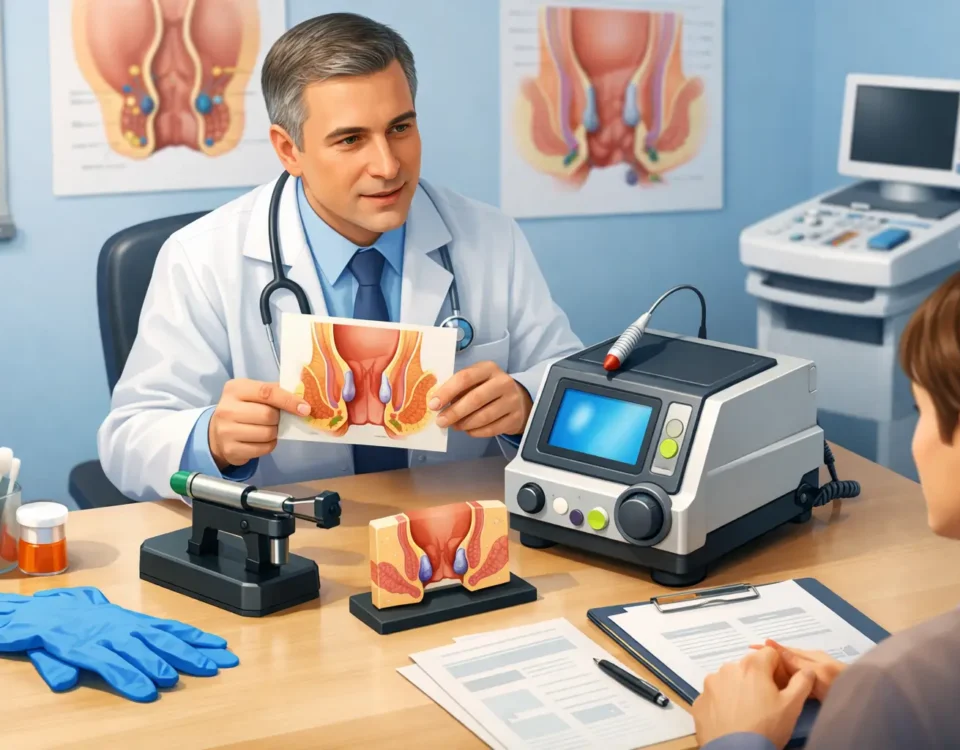
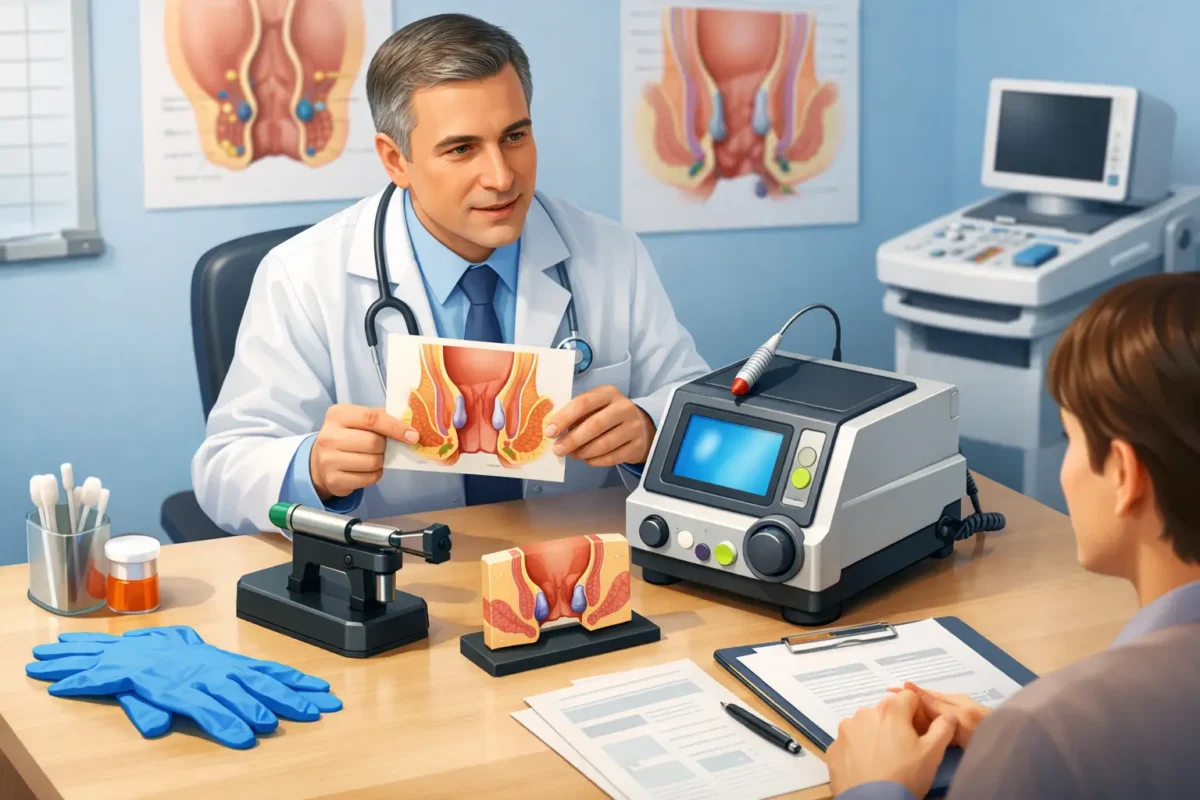
At Hemorrhoid Centers of America, patients are evaluated by board-certified surgeons who focus on non-surgical treatment pathways for hemorrhoids and anal fissures. That kind of specialization can be especially helpful when symptoms have persisted despite self-care.
When surgery may still be discussed
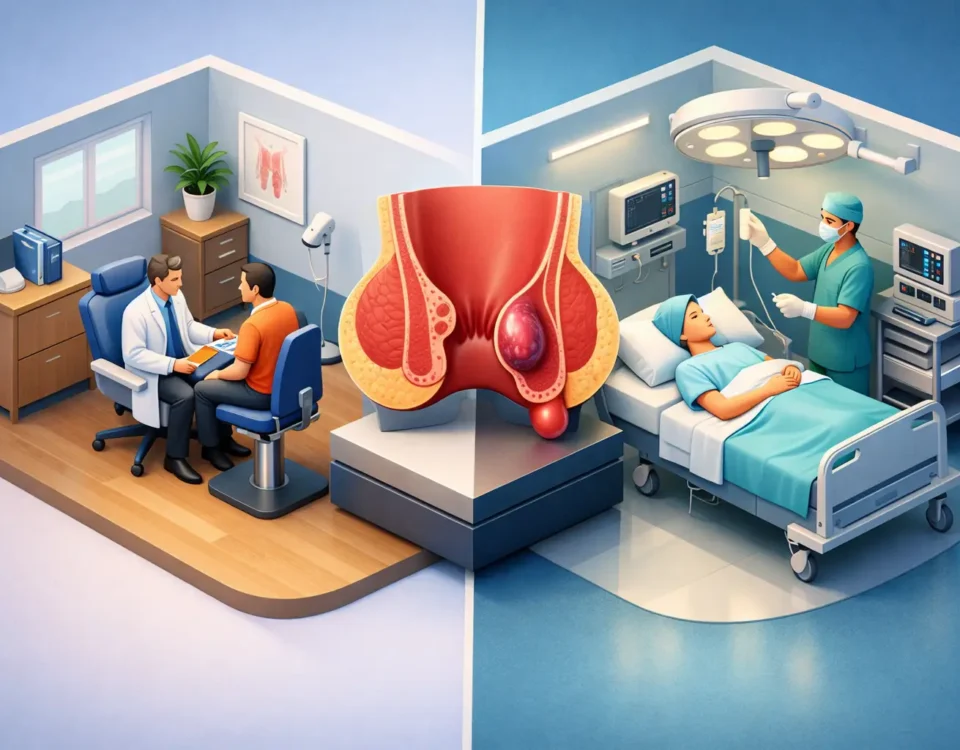
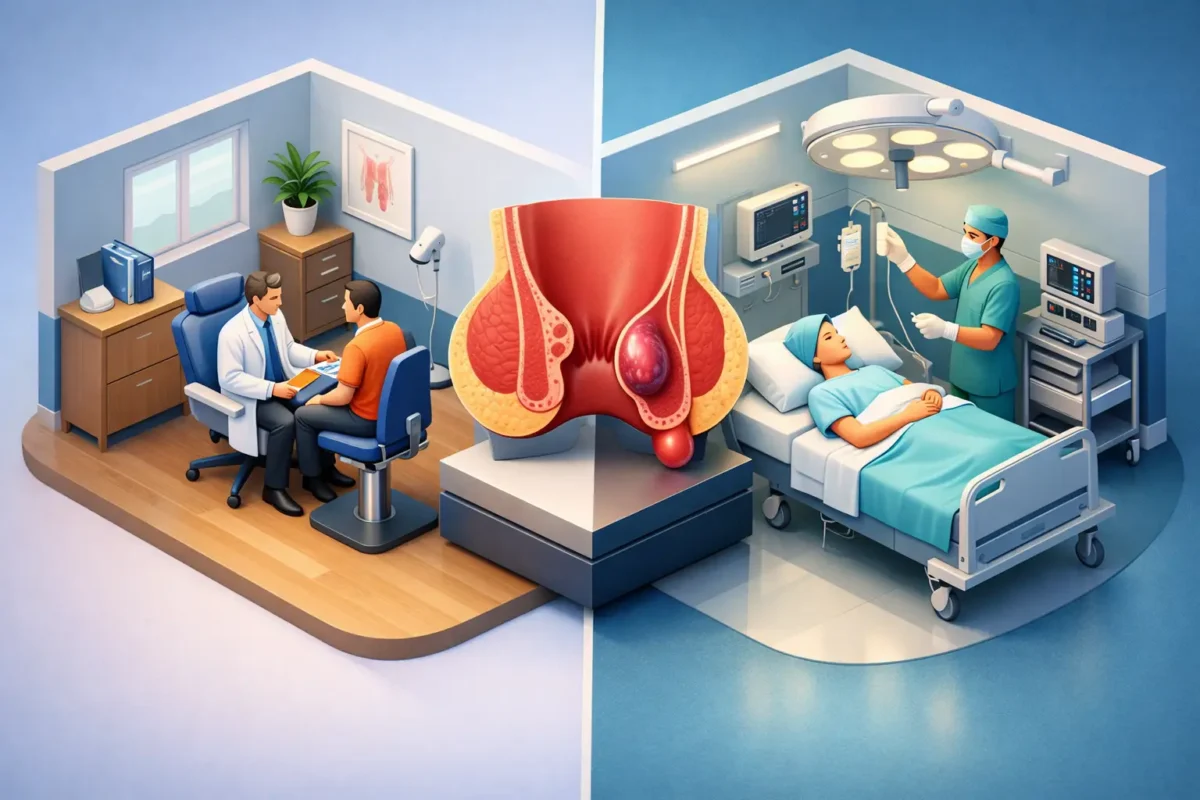
Non-surgical treatment is often highly effective, but it is not the answer in every case. Some chronic fissures do not heal despite appropriate medication and bowel management. Others recur frequently or remain severe enough that a procedural or surgical option may need to be considered.
That is not a failure. It is simply part of choosing the right level of care for the condition in front of you. The key is that surgery should usually come after a proper attempt at non-surgical treatment, not before.
There are also cases where a fissure-like symptom pattern points to something else, such as inflammatory bowel disease, infection, or another anorectal disorder. If symptoms are unusual, severe, or not responding as expected, further evaluation is important.
Signs it is time to get evaluated
If pain is lasting for hours after bowel movements, if you are seeing repeated bright red bleeding, or if symptoms have continued for more than a few weeks, it is reasonable to stop guessing and get examined. The same is true if you have already adjusted your diet and tried common home remedies without meaningful improvement.
Many patients also seek care because they are changing their routine to avoid pain. They skip meals, delay bowel movements, or dread using the bathroom at work. That level of disruption is a sign that the problem deserves medical attention.
Prompt care can help you avoid months of unnecessary discomfort. It can also reduce the chance that an acute fissure becomes a chronic one.
What patients usually want to know most
Most people are not asking for a long lecture on anorectal anatomy. They want to know whether treatment will work, whether it will hurt, and how quickly they can get back to normal life.
In many cases, non-surgical treatment can significantly reduce pain and spasm without anesthesia, without hospital scheduling, and without the downtime associated with surgery. Results depend on the chronicity of the fissure, bowel habits, and how consistently the treatment plan is followed. But for the right patient, this approach is effective, practical, and far less disruptive than many expect.
There is no benefit in suffering through a condition that often responds to focused care. Anal fissures are common, treatable, and nothing to be embarrassed about. If the pain keeps coming back, the next step does not have to be surgery – it may just be the right non-surgical treatment plan.