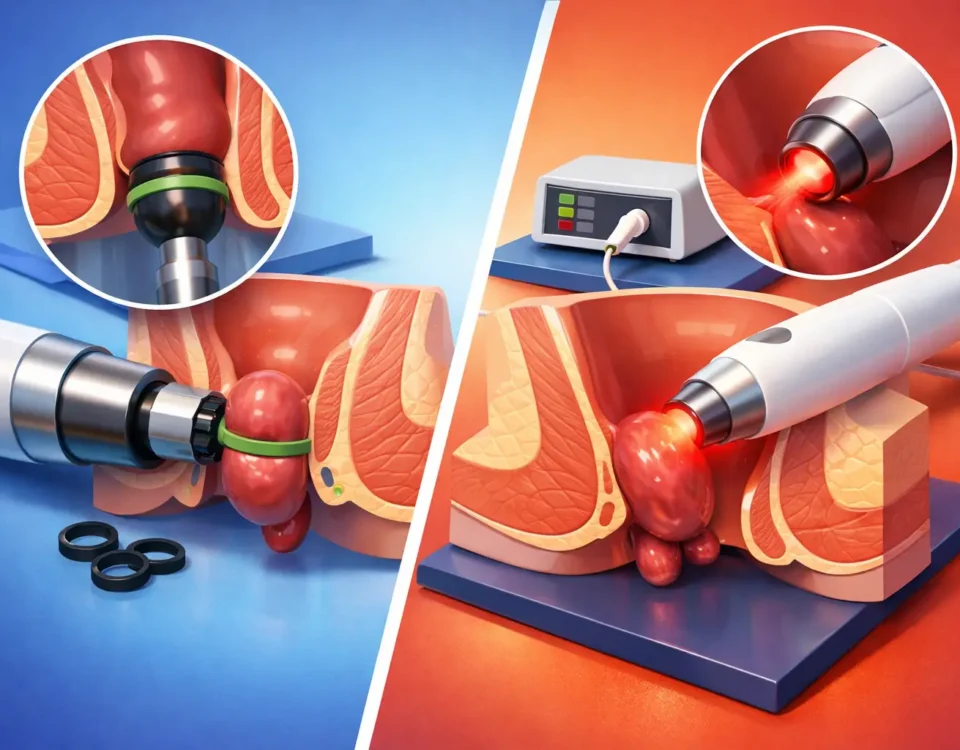


Non Surgical Hemorrhoid Treatment Review
May 3, 2026
Guide to Internal Hemorrhoid Treatment
May 7, 2026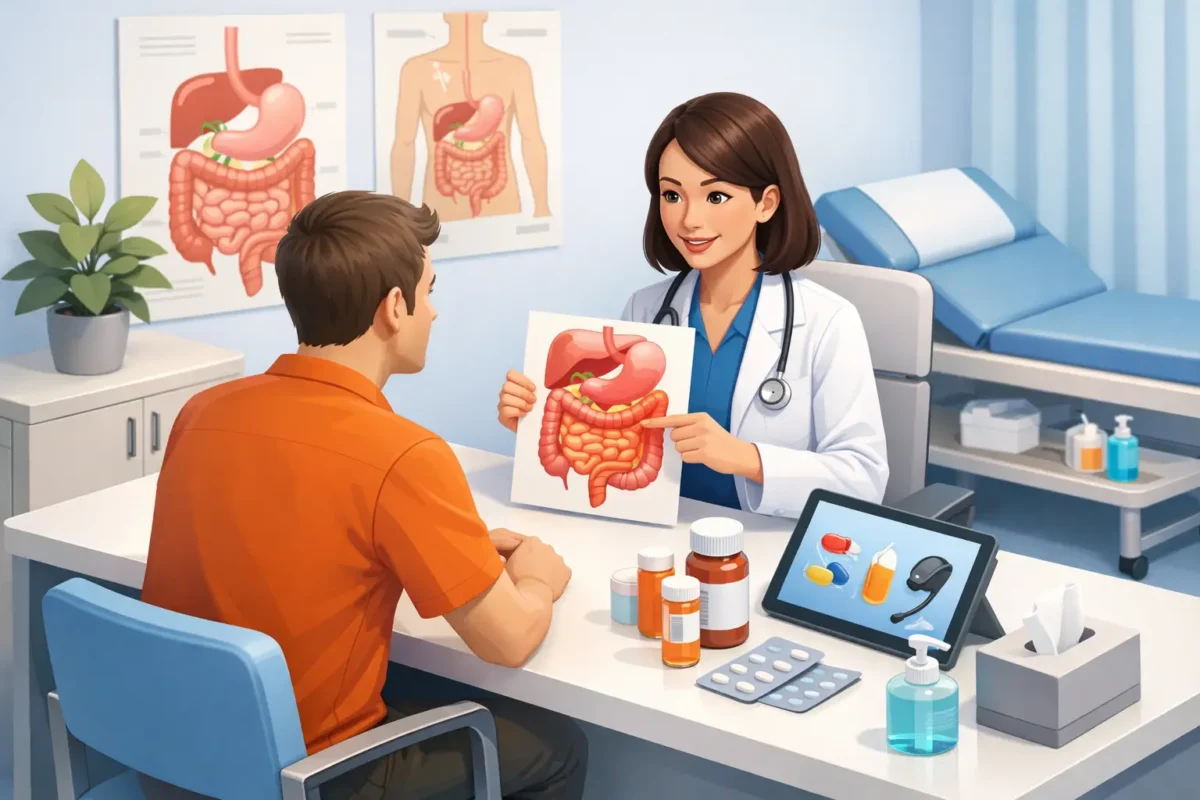
That sharp, tearing pain after a bowel movement usually gets your attention fast. If you are searching for how to heal anal fissure fast, the goal is not just pain relief today. It is helping the tear calm down, keeping stools easy to pass, and avoiding the cycle that keeps the fissure reopening.
An anal fissure is a small tear in the lining of the anus. It can cause pain, bleeding on the toilet paper, burning, and spasm of the anal sphincter. That spasm matters because it reduces blood flow to the area, which makes healing slower. The fastest path to relief usually combines home care that reduces strain with medical treatment when symptoms are severe, persistent, or recurring.
How to heal anal fissure fast at home
If the fissure is new and mild, home care can help it settle. The most important step is making bowel movements soft and predictable. Hard stool and straining are the main reasons a fissure keeps getting irritated.
Start with hydration and fiber, but do it thoughtfully. Drinking more water can help if you have been dehydrated, and adding fiber can improve stool consistency. Still, fiber is not always a quick fix if you add too much too fast. In some people, that leads to bloating and more pressure. A gentler approach works better – increase fiber gradually through food or a supplement, and pair it with enough fluids so stool stays soft instead of bulky and hard to pass.
A stool softener can also help in the short term, especially if bowel movements have already become painful and you are starting to avoid them. That avoidance often makes constipation worse, which delays healing. The goal is simple: reduce friction and prevent another tear.
Warm sitz baths are another useful step. Sitting in warm water for 10 to 15 minutes, especially after a bowel movement, can relax the sphincter muscle and reduce pain. It will not close the fissure by itself, but it can break the pain-spasm cycle enough to make healing more likely.
Keep the area clean, but avoid overdoing it. Harsh soaps, aggressive wiping, and heavily fragranced products can irritate sensitive tissue. Gentle rinsing and patting dry is usually better than scrubbing.
For pain control, some patients use over-the-counter creams or ointments, but this is an area where more is not always better. Products marketed for hemorrhoids may soothe irritation, yet they do not necessarily treat the underlying fissure. If symptoms are clearly from a fissure, temporary comfort is helpful, but persistent pain means you may need a treatment that actually improves blood flow and relaxes the muscle.
What helps an anal fissure heal faster
Speed matters when you are in pain, but so does choosing the right treatment for the type of fissure you have. Acute fissures, which are newer tears, often respond to stool management, warm baths, and time. Chronic fissures, which have lasted several weeks or keep returning, usually need more than home remedies.
One reason is that chronic fissures often involve ongoing muscle spasm. When the sphincter stays tight, blood flow drops and the tissue struggles to repair itself. That is why prescription treatment can make a real difference. Medications used for anal fissures are designed to relax the muscle and support healing, not just numb the area.
This is also why trying random products for too long can cost you time. If pain is severe, bleeding continues, or the fissure keeps reopening, waiting it out may not be the fastest route. A specialist can confirm the diagnosis and recommend treatment that is more targeted.
When home care is not enough
Many patients delay care because they assume the problem is hemorrhoids, or because they worry treatment will mean surgery. In reality, anal fissures and hemorrhoids can cause overlapping symptoms, but they are not the same condition and they should not be managed exactly the same way.
A fissure tends to cause intense pain during and after a bowel movement, sometimes with bright red blood. Hemorrhoids can bleed too, but they often cause pressure, swelling, itching, or a different type of discomfort. If you are not sure which one you have, that uncertainty alone is a reason to get checked. Treating the wrong problem can prolong your symptoms.
You should seek medical care sooner rather than later if pain is significant, if you see ongoing bleeding, if symptoms have lasted more than a few weeks, or if the fissure keeps returning. Constipation, chronic diarrhea, childbirth, and repeated straining can all contribute, but persistent symptoms still deserve an expert evaluation.
Medical treatment for faster relief
If you want to know how to heal anal fissure fast when home care has not worked, medical treatment is often the turning point. A specialist can examine the area, confirm the diagnosis, and prescribe medication aimed at the cause of slow healing.
Topical prescription medications are commonly used to relax the internal anal sphincter and improve blood supply to the fissure. For many patients, this brings down pain and gives the tear a better chance to close. These treatments are especially helpful when the fissure has become chronic or when spasm is driving the pain.
Treatment is not one-size-fits-all. Some patients mainly need a medication protocol and bowel habit correction. Others need a more structured plan because the fissure has been present longer or symptoms are more severe. The advantage of seeing a specialized provider is speed and accuracy. Instead of cycling through over-the-counter options, you get a focused diagnosis and a plan designed for this specific condition.
At Hemorrhoid Centers of America, that approach centers on non-surgical care when appropriate, with the goal of relieving symptoms quickly and helping patients return to normal activity with minimal disruption.
What can slow healing down
Even with good treatment, a few habits can keep a fissure from improving. Straining is the biggest one. Sitting on the toilet for long periods, pushing hard, or delaying bowel movements when you feel the urge can all make the tear worse.
Diet also matters, but not in an extreme way. You do not need a perfect diet overnight. What helps most is consistency – enough fluids, enough fiber, and fewer patterns that leave you alternating between constipation and loose stools. Diarrhea can irritate a fissure just as much as constipation, so the goal is stable, soft stool rather than dramatic changes.
Physical activity can help support regular bowel function, but intense exertion that increases pressure or aggravates pain may not feel good during a flare. This is one of those situations where it depends on your symptoms. Gentle walking is usually well tolerated. Heavy lifting may not be.
Stress can play a role too. It does not directly cause a fissure, but it can affect bowel habits, muscle tension, and hydration patterns. If symptoms keep flaring during stressful periods, that pattern is worth paying attention to.
How long does fast healing usually take?
A mild, acute fissure may start feeling better within days once bowel movements become easier and irritation is reduced. Full healing can still take several weeks. Chronic fissures often take longer and are less likely to resolve with home care alone.
This is where expectations matter. Fast healing does not always mean instant healing. It usually means reducing pain quickly, preventing repeated tearing, and using the right treatment early enough that the fissure does not turn into a long-term problem.
If you improve for a few days and then symptoms come back with the next hard bowel movement, the fissure has probably not fully healed yet. That is common. It is also a sign to stay consistent with treatment rather than stopping as soon as pain eases.
When to stop waiting
There is a difference between a fissure that is healing and one that is simply being managed day to day. If you are still planning your schedule around pain, avoiding bowel movements, or seeing blood regularly, it is time for a more definitive plan.
Prompt care can shorten the course of the problem and spare you weeks or months of discomfort. It can also rule out other causes of rectal pain or bleeding, which is important if your symptoms are not following the usual pattern.
The good news is that getting help does not have to mean a hospital setting, anesthesia, or a long recovery. For many patients, the fastest relief comes from specialized, non-surgical treatment combined with practical changes that protect the area while it heals.
If you are dealing with ongoing pain, do not assume you have to tough it out or figure it out alone. Anal fissures are common, treatable, and often much easier to improve once the right plan is in place.