

Best Fissure Creams: What Helps and What Doesn’t
August 5, 2026
How to Apply Fissure Ointment the Right Way
August 9, 2026
Bleeding on the toilet paper, painful bowel movements, itching that will not settle down, or a new lump near the anus can disrupt far more than your comfort. Yet many people wait weeks or months before seeking help because they assume treatment means surgery, anesthesia, or an extended recovery. This guide to non surgical anorectal care explains what happens next, what treatment may involve, and when prompt evaluation is the right move.
Hemorrhoids and anal fissures are common, treatable conditions. They can also cause similar symptoms, which is why an accurate diagnosis matters. The right office-based treatment can often relieve the problem without traditional surgery and with little interruption to work, family responsibilities, or daily routines.
Start With the Symptoms, Not the Assumptions
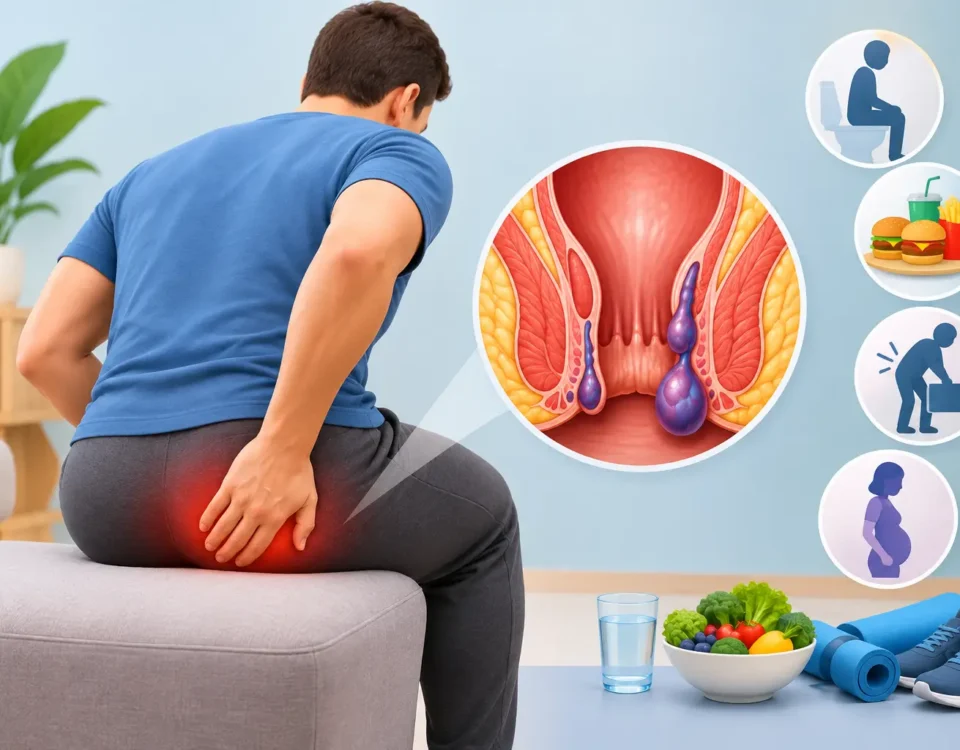
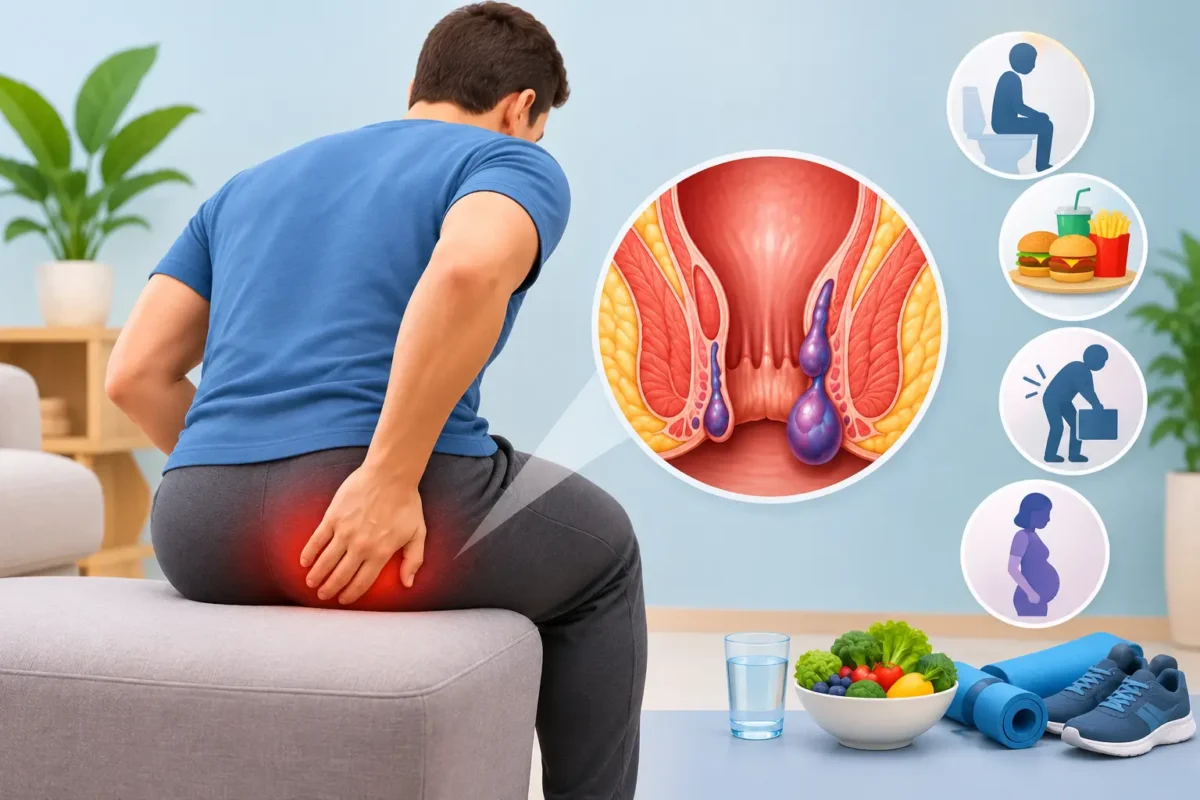
Hemorrhoids are swollen blood vessels in and around the anus. Internal hemorrhoids commonly cause bright red bleeding with bowel movements and may cause a feeling of fullness or tissue that protrudes. External hemorrhoids can cause tenderness, itching, swelling, or a painful lump, especially if a clot forms.
An anal fissure is a small tear in the lining of the anal canal. It often causes sharp, cutting pain during or after a bowel movement, sometimes followed by burning that lasts for hours. A small amount of bright red blood may appear as well.
Symptoms can overlap, and not every case of rectal bleeding is caused by hemorrhoids or a fissure. Conditions affecting the colon, rectum, or digestive tract can also cause bleeding or changes in bowel habits. A specialist evaluation is the safest way to identify the cause and choose a treatment plan that fits it.
Seek urgent medical attention for heavy bleeding, black or tarry stools, dizziness or fainting, fever with severe anal pain, or rapidly worsening swelling. These symptoms need timely assessment.
What Non-Surgical Anorectal Care Means
Non-surgical care does not mean ignoring symptoms or relying indefinitely on over-the-counter products. It means using focused treatments that address the diagnosed condition without an operating room procedure, general anesthesia, or the typical recovery associated with traditional surgery.
For some patients, the first step is changing the factors that keep the area irritated. Constipation, hard stools, straining, prolonged sitting on the toilet, diarrhea, pregnancy, heavy lifting, and low fiber intake can all contribute to hemorrhoid symptoms. Fissures are often linked to a hard or large bowel movement, although frequent loose stools can also irritate the anal canal.
A care plan may include bowel habit adjustments, fiber and hydration guidance, stool-softening strategies, topical medication, or an office procedure. The best approach depends on the diagnosis, the severity and duration of symptoms, and whether conservative care has already failed.
Lifestyle Measures That Support Healing
Regular, soft bowel movements reduce pressure and friction in a sensitive area. For many adults, that begins with gradually increasing dietary fiber, drinking adequate fluids, and responding when the body signals the need for a bowel movement rather than delaying it.
Avoid straining and avoid extended phone time on the toilet. Both can increase pressure on hemorrhoidal tissue. Warm baths may ease discomfort for some people, while gentle cleansing and patting dry can help prevent additional irritation. Fragranced wipes and harsh soaps can worsen itching or burning in sensitive skin.
These measures are useful, but they have limits. If bleeding, significant pain, or prolapse continues, it is reasonable to move beyond self-care rather than repeatedly trying another cream.
Office-Based Hemorrhoid Treatment
For many internal hemorrhoids, rubber band ligation, often called hemorrhoid banding, is an effective non-surgical option. During this office procedure, a provider places a small band at the base of the internal hemorrhoid. The band reduces blood flow to the tissue, allowing it to shrink and separate over time.
Banding is performed in the office and generally does not require anesthesia. Most patients can return to normal activity the same day, though providers may recommend avoiding strenuous lifting for a short period. Mild pressure, fullness, or cramping can occur afterward. Severe pain is not expected and should be reported promptly.
Banding is designed for internal hemorrhoids. It is not the right treatment for every hemorrhoid type, and external hemorrhoids or other anal conditions may require a different approach. A focused examination determines whether banding is appropriate and whether more than one treatment session is likely to be needed.
The goal is not simply to reduce a symptom temporarily. It is to treat the hemorrhoidal tissue responsible for bleeding, swelling, or prolapse while helping the patient avoid unnecessary traditional surgery.
Non-Surgical Care for Anal Fissures
Anal fissures require a different strategy because the central issue is a tear in the anal canal, often combined with spasm of the surrounding muscle. When that muscle remains tight, blood flow to the fissure can be reduced, making healing more difficult.
A provider may recommend a custom topical medication protocol to relax the muscle and promote healing. The medication is used exactly as directed, often alongside steps to keep stools soft and easy to pass. This is more targeted than simply using a general over-the-counter hemorrhoid cream, which may not address the cause of fissure pain.
Healing time varies. A recent fissure may respond relatively quickly once bowel movements are easier and irritation is reduced. A chronic fissure, particularly one that has been present for several weeks or keeps returning, may take longer and needs close follow-up. Persistent pain should not be accepted as something you simply have to live with.
What to Expect at a Specialty Visit
A discreet office visit usually begins with a conversation about your symptoms. Expect questions about bleeding, pain, itching, bowel habits, constipation or diarrhea, medications, prior treatment, and family history. Clear answers help the provider distinguish between hemorrhoids, fissures, and conditions that need additional evaluation.
The examination is typically brief and focused. Depending on your symptoms, it may include an external inspection, a gentle digital examination, or anoscopy, which allows the provider to view the anal canal. While the idea can feel uncomfortable, the purpose is straightforward: determine the source of the symptoms and avoid treating the wrong problem.
If an office procedure is appropriate, your provider will explain the expected benefits, possible side effects, recovery instructions, and warning signs. Ask practical questions. Can you drive afterward? When can you exercise? What degree of discomfort is normal? When should you call? Good care includes clear answers, not vague reassurance.
When Home Remedies Are No Longer Enough
Home treatment may be reasonable for mild, short-lived symptoms, but there are clear reasons to schedule an evaluation. Ongoing bleeding, recurrent hemorrhoid flares, pain that interferes with sitting or bowel movements, a prolapsing hemorrhoid, or symptoms that do not improve after a week or two of reasonable self-care should be assessed.
It is also wise to seek care if you are unsure what is causing the symptoms. Assuming every episode of rectal bleeding is a hemorrhoid can delay diagnosis of another condition. Adults with new bleeding, a personal or family history of colorectal disease, unexplained weight loss, fatigue, or a lasting change in bowel habits may need further testing in addition to anorectal treatment.
Choosing Care That Fits Your Life
The practical value of non-surgical treatment is not only that it avoids an operating room. It can reduce the time between living with symptoms and taking effective action. For people balancing work, caregiving, travel, or simply the desire for privacy, an office-based plan can offer a direct path to relief.
Look for a provider who routinely evaluates and treats hemorrhoids and anal fissures, explains the diagnosis clearly, and does not assume surgery is the first answer. At Hemorrhoid Centers of America, board-certified providers focus on non-surgical pathways designed around these specific conditions.
You do not need to wait until discomfort becomes unbearable to discuss anorectal symptoms. A focused evaluation can replace uncertainty with a clear plan and help you get back to comfortable, normal days sooner.