

Rectal Pain Causes and Non-Surgical Relief
October 18, 2026
Fissure Ointment Reviews: What Actually Matters
October 22, 2026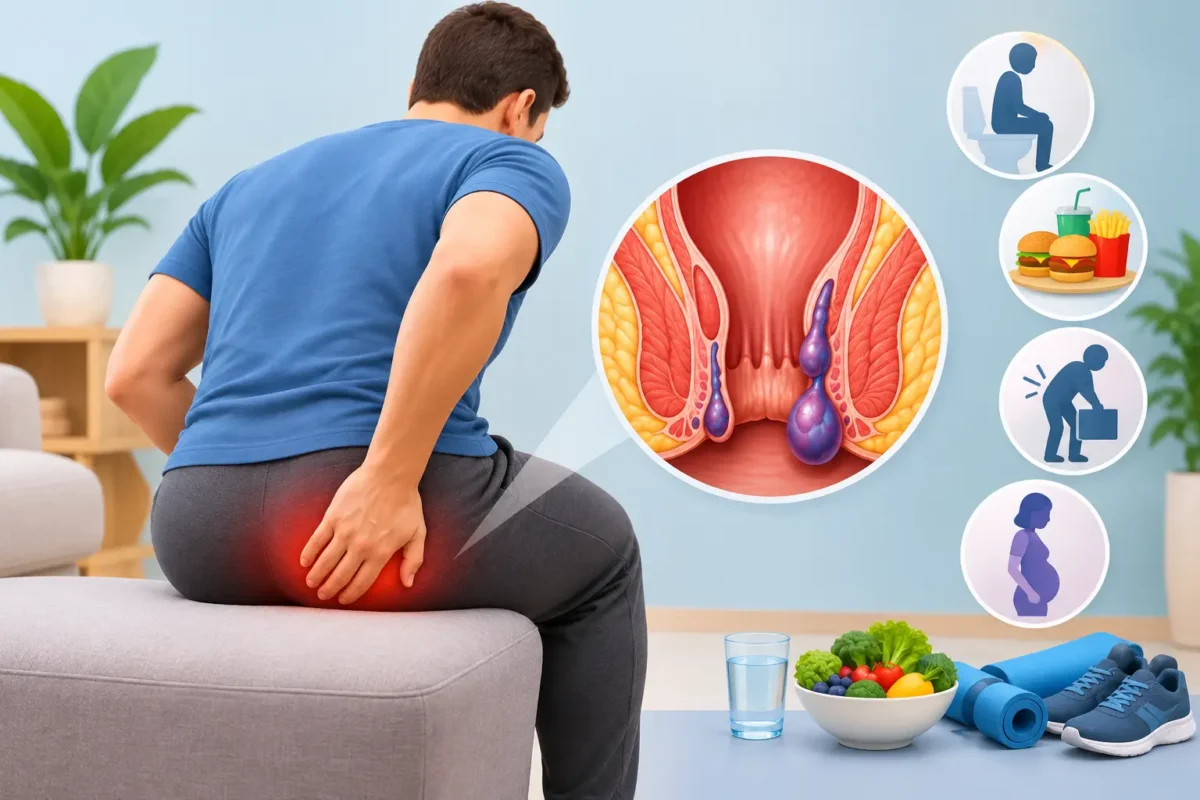
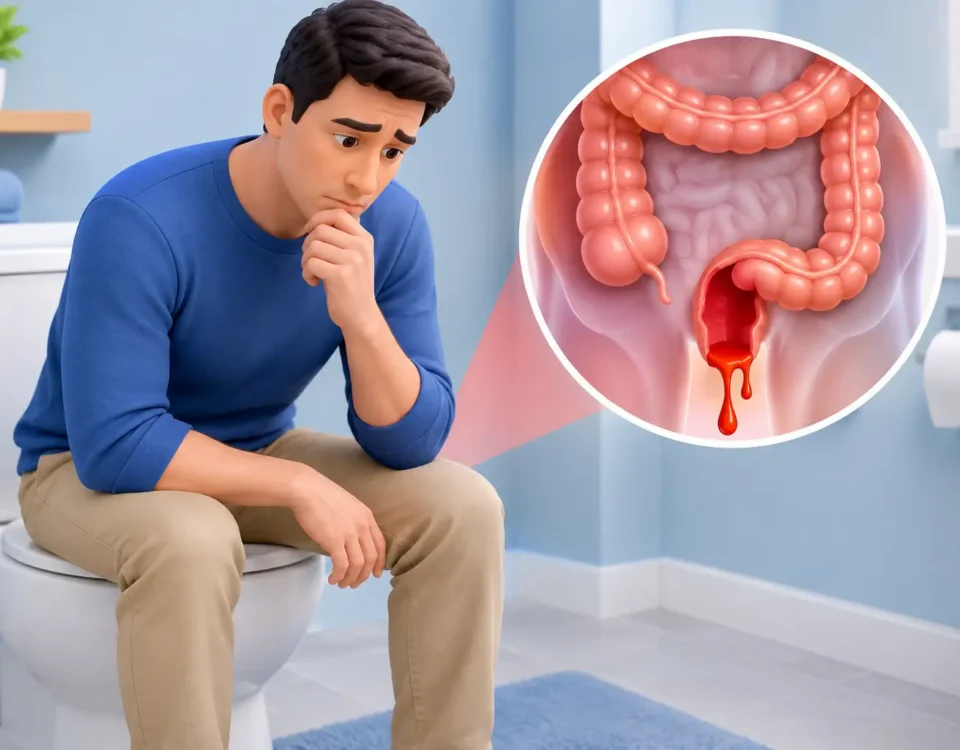
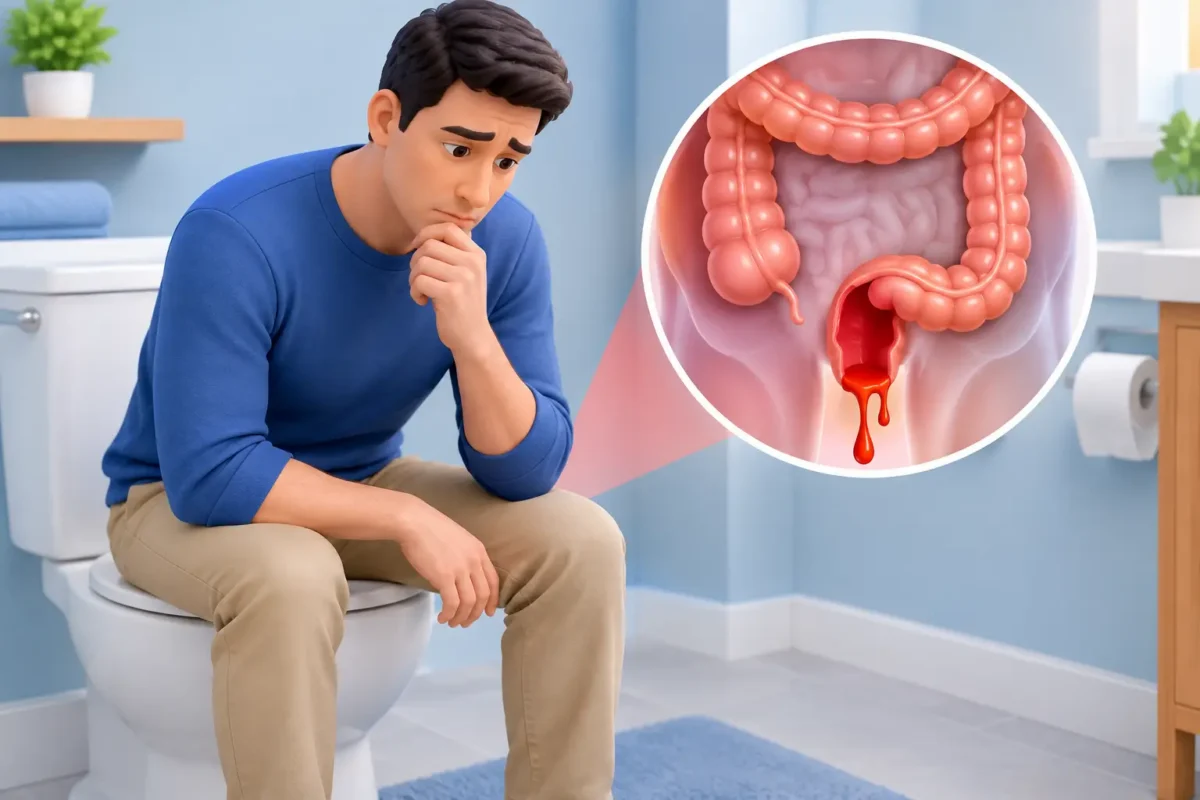
A streak of bright-red blood on toilet paper, itching that will not settle down, or a painful lump can make a routine bathroom visit feel alarming. Hemorrhoid causes explained simply: hemorrhoids develop when pressure causes the veins and supporting tissue in the lower rectum or anus to stretch, swell, and become irritated. They are common, treatable, and nothing to be embarrassed about.
The key question is usually not whether one difficult bowel movement caused the problem. Hemorrhoids often result from repeated pressure over time, combined with bowel habits, lifestyle factors, or changes in the body that make the area more vulnerable. Understanding the cause can help you reduce future flare-ups, but ongoing bleeding or pain deserves an evaluation rather than guesswork.
Hemorrhoid Causes Explained: Pressure Is the Main Factor
Hemorrhoids are normal vascular cushions in the anal canal. They help with bowel control. Problems begin when those cushions enlarge, shift downward, or become inflamed. Internal hemorrhoids occur inside the rectum and may cause painless bleeding or tissue that protrudes during a bowel movement. External hemorrhoids form under the skin around the anus and can itch, swell, or become quite painful, particularly if a clot forms.
The common thread is increased pressure in the lower rectum. That pressure can slow blood flow, enlarge the veins, and strain the tissue that holds them in place. A person may have one clear trigger, such as pregnancy or chronic constipation. More often, several smaller factors build on one another.
Straining and constipation
Straining to pass a hard or dry stool is one of the most common contributors. When bowel movements are infrequent, stool sits in the colon longer and can become harder to pass. Pushing forcefully raises pressure in the rectal veins at exactly the point they are already under stress.
Constipation may be related to a low-fiber diet, not drinking enough fluids, certain medications, reduced activity, or changes in routine. Some people also delay going to the bathroom because they are busy, traveling, or uncomfortable using public restrooms. Repeatedly ignoring the urge can make stool harder and may contribute to a cycle of straining and irritation.
Diarrhea can cause problems too
Hemorrhoids are not only a constipation issue. Frequent loose stools can irritate the anal area and lead to repeated wiping, urgency, and time on the toilet. Chronic diarrhea may be associated with diet, medications, infections, irritable bowel syndrome, or other digestive conditions.
The goal is not to force a bowel movement or to chase a perfect schedule. It is to work toward stools that pass comfortably without prolonged sitting or straining. If diarrhea persists, especially with bleeding, abdominal pain, fever, or weight loss, it needs medical attention.
Long periods on the toilet
Many people spend extra time on the toilet scrolling on a phone, reading, or waiting for a bowel movement to happen. Sitting in that position for a long time can increase pressure on hemorrhoidal tissue. The same is true for repeatedly returning to the bathroom to try again.
A short, unhurried bowel movement is different from staying seated for 15 or 20 minutes. When the urge is not there, it is usually better to get up and try later rather than force the issue.
Life Stages and Daily Habits That Raise Risk
Pregnancy is a frequent cause of new or worsening hemorrhoid symptoms. The growing uterus places added pressure on pelvic veins, hormone changes can slow digestion, and constipation becomes more likely. Pushing during delivery can also trigger a flare. Symptoms often improve after childbirth, but persistent bleeding, swelling, or pain should still be assessed.
Aging can play a role as well. Over time, the connective tissue supporting the veins in the rectum and anus can weaken. That does not mean hemorrhoids are inevitable, but it helps explain why they become more common with age.
Heavy lifting may contribute when it involves repeatedly holding your breath and bearing down. Jobs or workouts that require lifting are not automatically off-limits. Proper breathing, sensible technique, and treating constipation can reduce unnecessary strain. If a particular activity consistently triggers bleeding or painful swelling, that pattern is worth discussing with a specialist.
Sitting for much of the day is sometimes blamed as a direct cause, but the relationship is more complicated. Desk work alone does not guarantee hemorrhoids. However, long periods of inactivity can contribute to constipation and make bowel regularity harder to maintain. Regular movement supports digestion and overall circulation.
Body weight, family tendency, and pelvic floor function may also affect risk. No single factor tells the whole story. Someone who eats well and exercises can still develop hemorrhoids during pregnancy or after a period of constipation. Symptoms are not a sign of poor hygiene or personal failure.
What Hemorrhoids Do Not Always Explain
Bright-red rectal bleeding is often attributed to hemorrhoids, especially when it appears on toilet paper or in the bowl after a bowel movement. But bleeding should not be automatically self-diagnosed. Anal fissures, polyps, inflammatory conditions, infections, and colorectal cancer can also cause bleeding.
An anal fissure is a small tear in the lining of the anus. It commonly causes sharp or burning pain during and after a bowel movement, sometimes with a small amount of bright-red blood. A fissure and hemorrhoids can occur at the same time, which is one reason an accurate exam matters.
Seek prompt medical care for heavy bleeding, black or tarry stools, dizziness, fainting, severe pain, fever, or a new painful swelling. You should also schedule an evaluation if bleeding continues, symptoms keep returning, bowel habits change without a clear reason, or over-the-counter products have not helped. Getting checked is a practical step, not an overreaction.
Reducing the Triggers You Can Control
You cannot change pregnancy, age, or every aspect of your medical history. You can often reduce the pressure that keeps symptoms active. Focus on making bowel movements easier and avoiding habits that prolong strain.
Aim for enough dietary fiber from foods such as vegetables, fruit, beans, and whole grains, increasing gradually to limit gas or bloating. Fluids help fiber do its job, though individual hydration needs vary. Regular walking or other movement can also support more predictable bowel habits.
When you feel the urge to have a bowel movement, go without rushing or forcing. Avoid sitting on the toilet longer than necessary. A footstool can help some people find a more comfortable position, but it is not a substitute for addressing constipation, diarrhea, or persistent symptoms.
Warm baths and carefully selected over-the-counter products may provide temporary comfort for mild irritation. They do not remove enlarged internal hemorrhoids or correct every source of bleeding. Repeated use of some topical products can also irritate sensitive skin, so persistent symptoms call for a more targeted plan.
When Non-Surgical Treatment Can Help
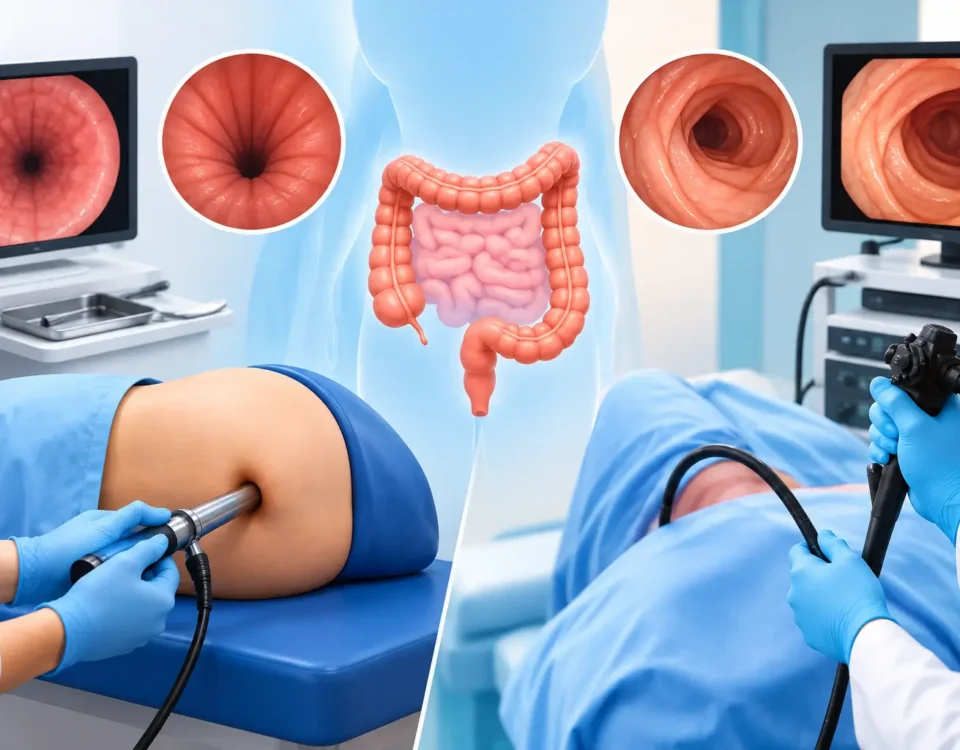
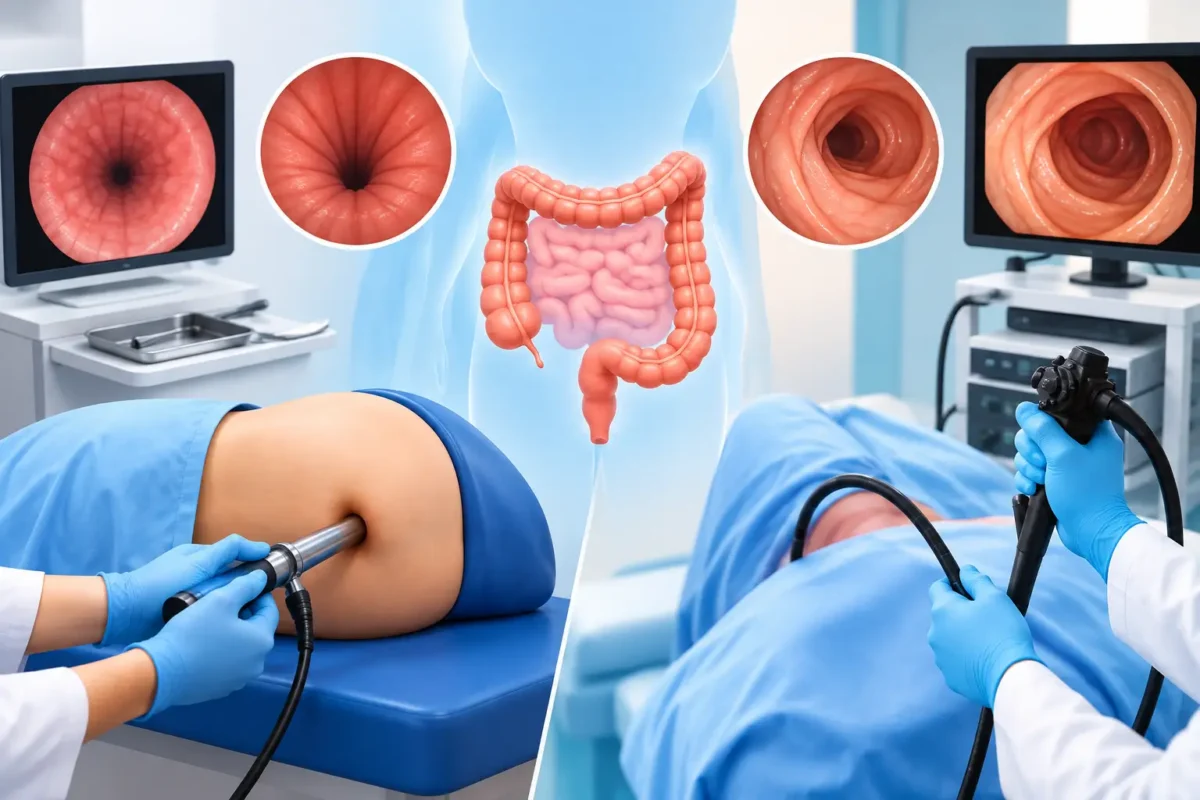
Home measures can be useful for prevention and mild flare-ups, but they are not always enough. Internal hemorrhoids that bleed, protrude, or repeatedly cause discomfort may respond well to office-based treatment. Hemorrhoid banding is a common non-surgical option for appropriate internal hemorrhoids. A small band is placed at the base of the hemorrhoid, cutting off its blood supply so the tissue shrinks over time.
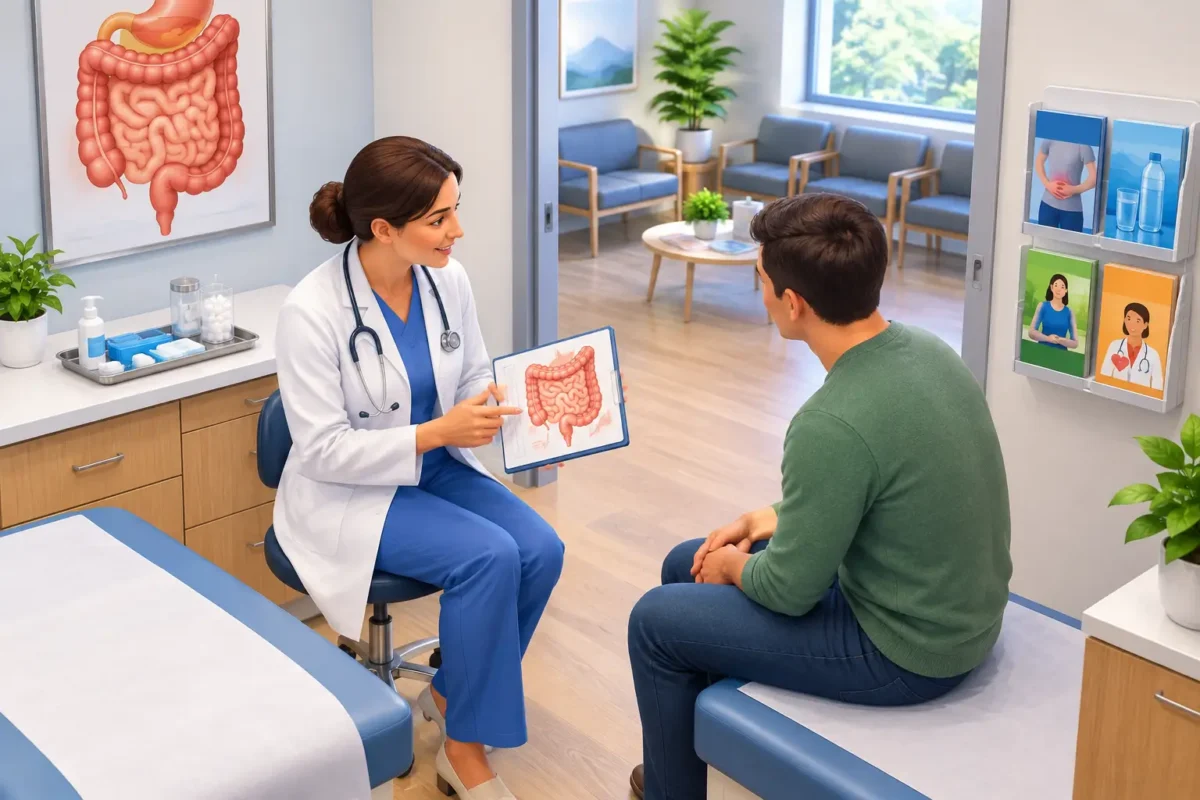
Not every hemorrhoid should be banded, and external hemorrhoids, fissures, clotting, and other conditions require different approaches. That is why a focused examination comes first. At Hemorrhoid Centers of America, board-certified providers evaluate the source of symptoms and build a treatment plan designed to provide relief without traditional surgery when appropriate.
Many patients delay care because they expect anesthesia, a hospital visit, or a long recovery. For suitable patients, office-based treatment can often be completed efficiently, with a return to normal daily activity the same day. The right option depends on the type and severity of the condition, your symptoms, and your medical history.
You do not need to wait until discomfort disrupts work, sleep, travel, or everyday routines. A timely evaluation can clarify what is causing the problem and help you move forward with a treatment plan that fits your life.