

How to Reduce Hemorrhoid Swelling Without Surgery
September 6, 2026
Your Guide to Hemorrhoid Treatment Costs
September 10, 2026
A prolapsed hemorrhoid can make ordinary moments feel impossible. Sitting at work, driving home, or having a bowel movement may bring pressure, itching, swelling, bleeding, or the unsettling feeling that tissue is bulging from the anus. This hemorrhoid prolapse guide explains what that symptom can mean, when it needs medical attention, and how specialized office-based care may provide meaningful relief without traditional surgery.
What Is a Prolapsed Hemorrhoid?
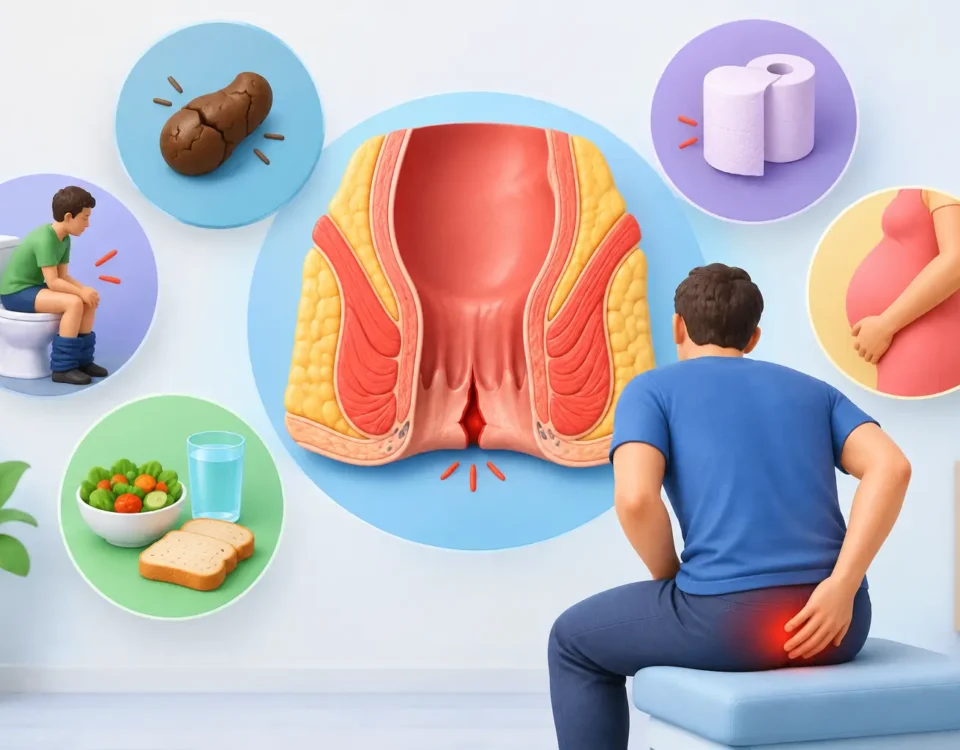
Hemorrhoids are swollen veins in and around the anus and lower rectum. Internal hemorrhoids begin inside the rectum, where they often cause painless bright-red bleeding. As an internal hemorrhoid enlarges or the supporting tissue weakens, it can move downward and protrude through the anal opening. This is called prolapse.
A prolapse may look like a small lump or feel like tissue that appears during or after a bowel movement. Some people notice it only when wiping. Others experience ongoing swelling, mucus, irritation, or difficulty cleaning the area. Symptoms can vary significantly, which is one reason an accurate examination matters.
External hemorrhoids, which occur beneath the skin around the anus, can also swell and become painful. They are different from a prolapsed internal hemorrhoid, though the symptoms can overlap. A clinician can determine what is causing the bulge and whether hemorrhoids are actually the source of the problem.
Hemorrhoid Prolapse Grades and What They Mean
Providers commonly describe internal hemorrhoid prolapse in four grades. The grade helps guide treatment, but it is not the only factor. Bleeding, pain, the size and location of the hemorrhoid, and your response to conservative care also matter.
Grade 1: No Prolapse
A grade 1 internal hemorrhoid remains inside the rectum. It may bleed during bowel movements or cause mild irritation, but it does not protrude outside the anus.
Grade 2: Prolapse That Goes Back In on Its Own
With grade 2 hemorrhoids, tissue may come out during straining or a bowel movement, then return inside without assistance. This can feel alarming even when the prolapse is brief.
Grade 3: Prolapse That Requires Gentle Manual Reduction
Grade 3 hemorrhoids protrude and do not return inside on their own. A person may be able to gently push the tissue back in. Recurrent prolapse, discomfort, and hygiene problems are common at this stage.
Grade 4: Prolapse That Stays Outside
A grade 4 hemorrhoid remains prolapsed and cannot be pushed back in. It may be persistently swollen, irritated, or painful. Prompt evaluation is appropriate, particularly if there is severe pain, dark discoloration, or heavy bleeding.
These grades are useful shorthand, not a diagnosis you need to make at home. A lump, bleeding, or anal pain can also be related to an anal fissure, skin tag, abscess, rectal prolapse, inflammatory condition, or another issue that deserves a professional assessment.
Why Hemorrhoids Prolapse
Prolapse often develops after repeated pressure on the veins and tissues of the lower rectum. Constipation and straining are common contributors, especially when stools are hard or bowel movements take a long time. Frequent diarrhea can be just as irritating because repeated wiping and urgency inflame the area.
Pregnancy, heavy lifting, prolonged sitting, aging, and a low-fiber diet can also play a role. Sometimes there is no single cause. The more useful question is often what keeps the cycle going: hard stools, long toilet sessions, frequent straining, or delaying care while symptoms worsen.
Symptoms That Should Not Be Ignored
Hemorrhoids are common, but rectal bleeding should not automatically be assumed to be hemorrhoids. Bright-red blood on toilet paper, in the bowl, or on stool can occur with hemorrhoids, yet other conditions can produce similar symptoms. A focused examination provides clarity and prevents months of self-treatment for the wrong problem.
Schedule an evaluation if bleeding continues, prolapse keeps returning, pain interferes with daily life, or over-the-counter products have not resolved the issue. Seek urgent medical care for heavy bleeding, dizziness or fainting, black or tarry stool, fever, escalating pain, or a rapidly enlarging painful lump. Those symptoms may signal a problem requiring more immediate attention.
What You Can Do While Waiting for Care
Short-term home measures can reduce irritation, particularly when symptoms are mild. The goal is to make bowel movements easier and avoid further straining.
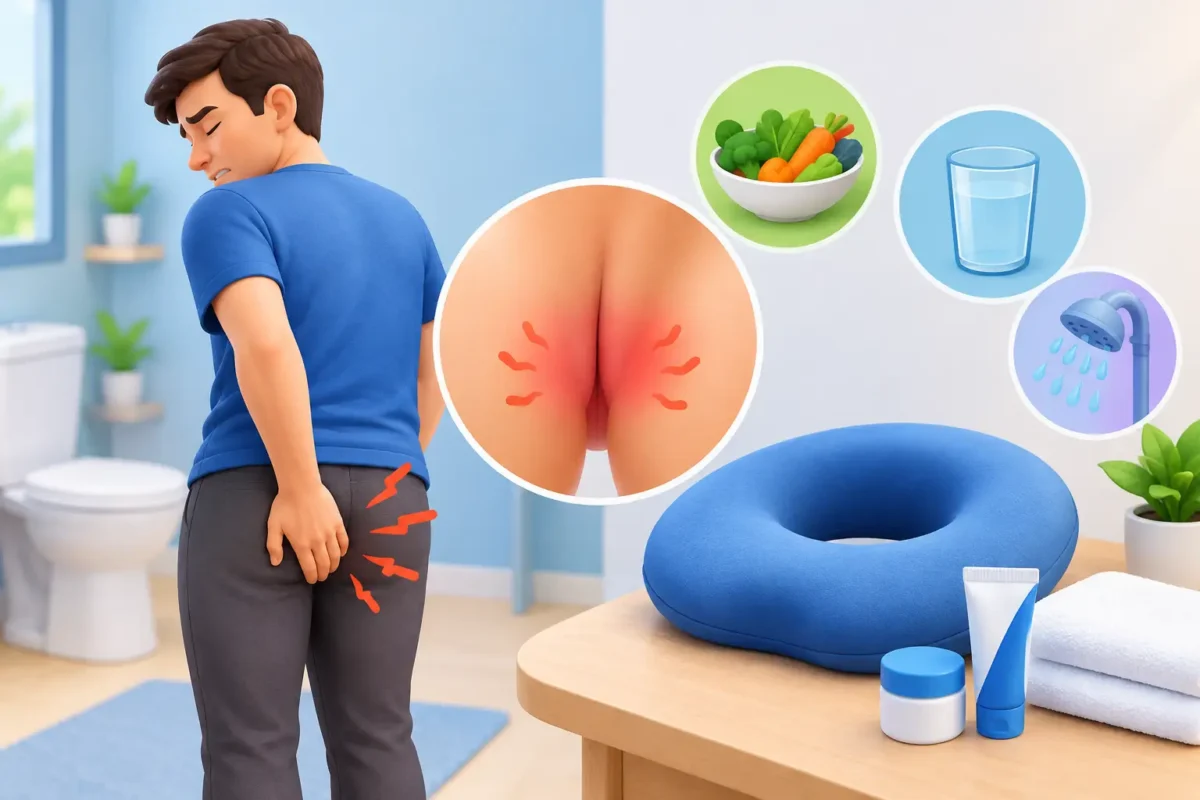
Increase fiber gradually through foods or a fiber supplement, and drink enough water to help stools pass comfortably. Avoid sitting on the toilet for extended periods or pushing forcefully. Go when you feel the urge, but do not turn the bathroom into a place to scroll and wait.
Warm sitz baths may soothe soreness and swelling. Gentle cleansing with water or unscented wipes can be more comfortable than vigorous wiping, but avoid fragranced products that can irritate sensitive skin. Brief use of certain over-the-counter creams may help symptoms for some people, although they do not remove the underlying hemorrhoid and should not replace an examination when bleeding or prolapse persists.
If tissue has prolapsed and is painful, do not force it back in. Gentle pressure may be appropriate only if it is comfortable and the tissue is not severely painful, firm, dark, or bleeding heavily. When in doubt, contact a medical provider.
When Office-Based Treatment Makes Sense
Lifestyle changes are valuable, but they may not be enough for hemorrhoids that repeatedly prolapse, bleed, or interfere with work and daily comfort. This is where specialized, non-surgical treatment can make a practical difference.
For many internal hemorrhoids, office-based banding is an effective option. During hemorrhoid banding, a small band is placed around the base of the internal hemorrhoid. The band reduces blood flow to the tissue so it shrinks over time. Because internal hemorrhoids are treated above the pain-sensitive area, many patients tolerate the procedure well and can return to usual activities the same day.
The right treatment depends on the hemorrhoid grade, anatomy, symptoms, medical history, and whether another condition is present. Some patients benefit from medication protocols to calm inflammation and manage associated symptoms. Others may need more than one treatment session. A specialized provider can explain the likely timeline clearly instead of leaving you to guess whether another tube of cream will help.
At Hemorrhoid Centers of America, board-certified surgeons focus specifically on non-surgical hemorrhoid and anal fissure care. The goal is straightforward: diagnose the source of your symptoms, provide efficient treatment when appropriate, and help you get back to normal life with as little disruption as possible.
What to Expect After Treatment
Recovery varies by treatment and by patient, but office-based hemorrhoid care is designed to avoid the extended downtime associated with traditional surgery. After banding, some people feel mild pressure, fullness, or temporary discomfort. Your provider may recommend changes to fiber intake, hydration, activity, and bowel habits to support healing and lower the chance of recurrence.
You should receive specific instructions about what symptoms are expected and when to call. Follow-up matters because hemorrhoids can occur in more than one location, and persistent bleeding should always be reassessed. The best outcome is not simply getting through one painful week. It is establishing a plan that addresses the current prolapse and the habits that may be fueling it.
A Better Next Step Than Waiting It Out
Embarrassment causes many people to wait far longer than they need to. Hemorrhoid symptoms are medical symptoms, not a personal failure, and prolapse is a treatable concern. If bleeding, swelling, or tissue protrusion is disrupting your routine, a focused evaluation can replace uncertainty with a clear, discreet path toward relief.