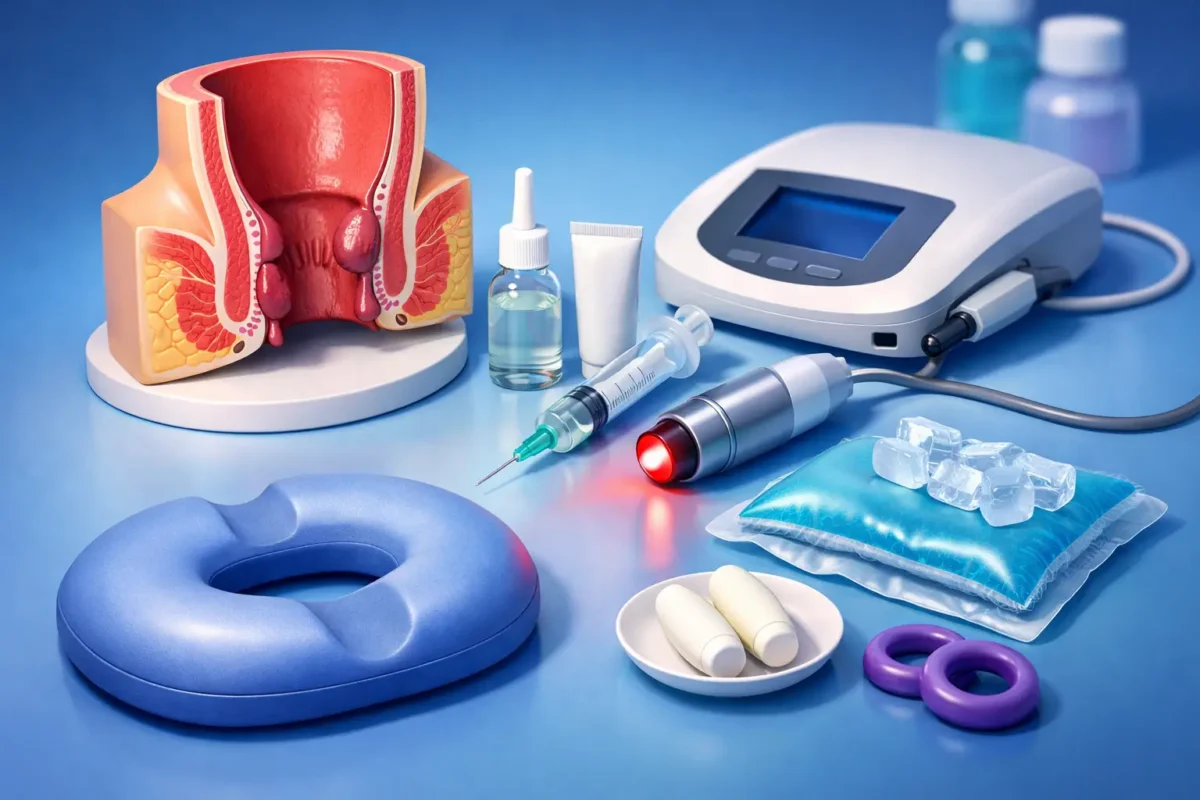


Best Treatment for External Hemorrhoids
March 15, 2026
What Is Rubber Band Ligation?
March 18, 2026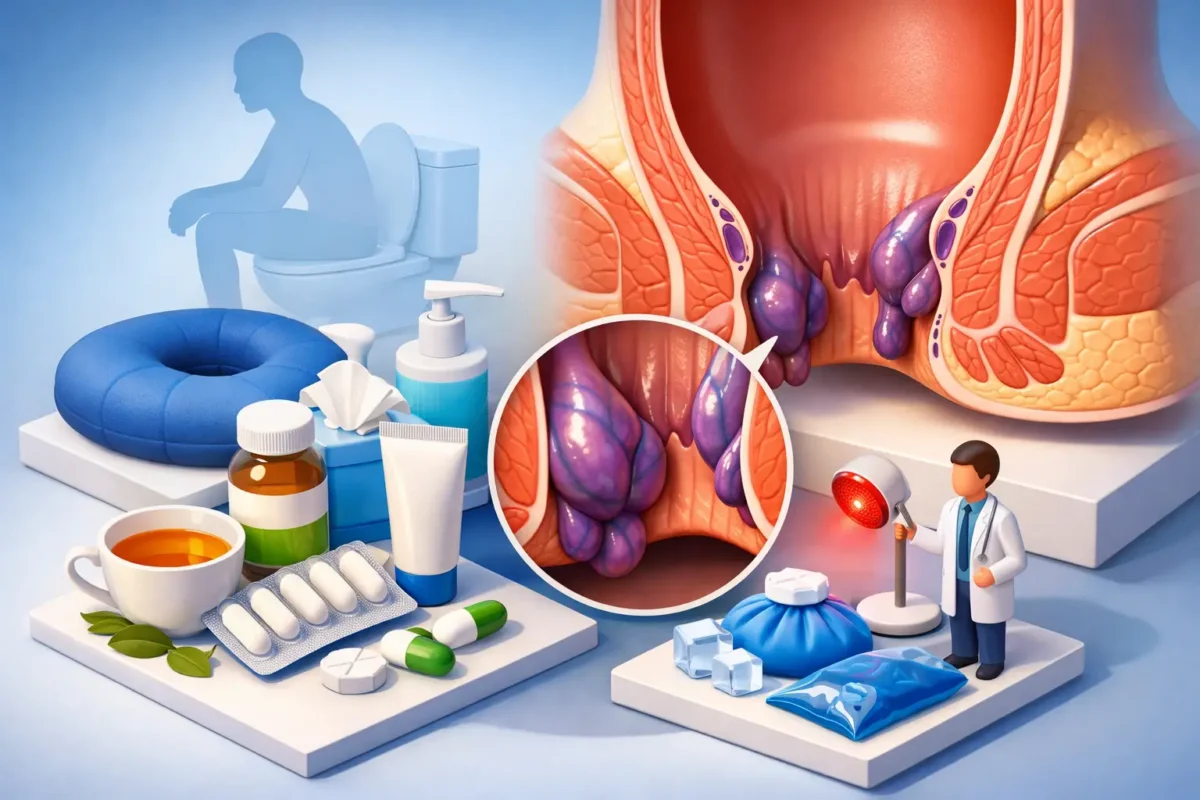
Seeing blood after a bowel movement gets your attention fast. For many adults, that moment starts a cycle of waiting, hoping it goes away, and trying over-the-counter products that help a little but not enough. The good news is that internal hemorrhoid treatment without surgery is not only possible, it is often the most practical and effective path.
Internal hemorrhoids form inside the rectum, where swollen veins can cause bleeding, pressure, irritation, and sometimes prolapse, which means tissue pushes outward during bowel movements. Because they are internal, they do not always cause sharp pain the way external hemorrhoids can. That can make it easier to put off treatment, even when symptoms keep returning.
When internal hemorrhoids need more than home care
Not every case needs a procedure right away. Mild symptoms may improve with conservative care, especially if constipation or straining is the main trigger. But recurring bleeding, bulging, mucus leakage, itching, or the feeling that something is not quite right after a bowel movement usually means the problem is not fully resolved.
That is where many patients get stuck. They assume the only next step is surgery, anesthesia, time off work, and a difficult recovery. In reality, many people are candidates for non-surgical treatment performed in an office setting.
The best option depends on the size and grade of the hemorrhoid, how often symptoms occur, whether tissue prolapses, and whether another condition could be causing similar symptoms. Rectal bleeding should never be self-diagnosed indefinitely. Hemorrhoids are common, but they are not the only cause.
Internal hemorrhoid treatment without surgery
For early or mild internal hemorrhoids, treatment often starts with reducing pressure on the area. That usually means increasing fiber, improving hydration, avoiding long periods on the toilet, and treating constipation directly. Stool softeners may help some patients, especially during symptom flare-ups, but they are not a cure for enlarged hemorrhoidal tissue.
Topical products can also play a role, though their limits matter. Creams, suppositories, and wipes may temporarily reduce irritation or swelling, but internal hemorrhoids that continue to bleed or prolapse often need more targeted treatment. If symptoms keep returning after home remedies, the issue is usually structural, not just inflammatory.
For patients who want more definitive relief without traditional surgery, office-based procedures are often the most effective next step. These treatments are designed to address the hemorrhoid itself while avoiding the operating room.
Rubber band ligation for internal hemorrhoids
Rubber band ligation, often called hemorrhoid banding, is one of the most common non-surgical treatments for internal hemorrhoids. During the procedure, a provider places a small band around the base of the internal hemorrhoid. This cuts off blood flow to the excess tissue, which then shrinks and falls away over time.
This approach is especially useful for internal hemorrhoids that bleed or prolapse. It is performed without the kind of surgical incision patients usually fear, and it typically does not require anesthesia. Most people are able to return to normal daily activity quickly, which is a major reason this treatment is so appealing to working adults and anyone trying to avoid a hospital-based experience.
Not every hemorrhoid can be treated the same way. Some patients need more than one banding session, particularly if they have multiple columns of enlarged tissue or more advanced prolapse. That does not mean treatment is failing. It usually means the care plan is being matched to the actual severity of the problem.
Medication and symptom control
Medication can support healing and comfort, particularly when hemorrhoids are inflamed or when anal irritation is contributing to symptoms. In a specialized setting, this may include a custom plan rather than a one-size-fits-all cream from the pharmacy shelf.
Medication alone, however, is not always enough for ongoing internal hemorrhoids. If bleeding continues or tissue regularly protrudes, symptom relief without a procedural step may be temporary. This is one reason specialized evaluation matters. The right treatment is not just about reducing discomfort today. It is about preventing the same cycle from repeating next month.
Why patients choose non-surgical care
The appeal is straightforward. Patients want relief, but they do not want the disruption that can come with surgery. Office-based treatment offers a different path. There is no hospital admission, no broad surgical recovery, and in many cases no need to put life on hold.
That matters if you have a job, a commute, family responsibilities, or simply no interest in turning a treatable condition into a major medical event. It also matters emotionally. Many people delay care because hemorrhoids feel embarrassing to discuss. Knowing there are providers focused specifically on non-surgical treatment often makes it easier to act.
A specialized center can also move faster from diagnosis to treatment. That is important when symptoms are affecting work, sleep, exercise, travel, or confidence. Bleeding and prolapse have a way of making daily routines feel unpredictable. Patients are usually not looking for a long theoretical discussion. They want to know what is causing the problem and how quickly it can be treated.
What to expect at your visit
A proper evaluation starts with confirming that internal hemorrhoids are actually the source of symptoms. That may involve a focused history, review of bowel habits, and an in-office exam. If internal hemorrhoids are present, the provider will usually determine their grade and whether they are likely to respond to conservative care, banding, medication, or a combination.
This is also the time to discuss symptoms honestly. Bleeding, itching, leakage, pressure, and prolapse all help guide treatment. So does your experience with past remedies. If you have already tried fiber supplements, Preparation H, or sitz baths without lasting improvement, that is useful information.
For many patients, the most reassuring part of the visit is learning that treatment can often happen without surgery and without major downtime. At Hemorrhoid Centers of America, the focus is exactly that – fast, effective, office-based care designed to relieve symptoms without unnecessary surgical intervention.
Recovery and results after non-surgical treatment
Recovery depends on the treatment used and the severity of the hemorrhoid, but non-surgical care is generally much easier on patients than operative hemorrhoid surgery. After banding, some people notice a feeling of pressure or fullness for a short period. Mild spotting can also happen. Most patients are able to continue with normal routines, though providers may recommend simple steps such as staying well hydrated, using fiber consistently, and avoiding straining.
Results are often very good, especially when treatment is paired with bowel habit changes that reduce pressure on the rectal veins. That is an important point. Even the best procedure works better when constipation is controlled. If chronic straining continues, new hemorrhoids or recurrent symptoms can still develop.
There are also cases where a patient is not the right candidate for a purely non-surgical approach. Large external components, severe prolapse, thrombosis, or other anorectal conditions may change the plan. That is not the most common outcome for patients seeking care for internal hemorrhoids, but it is why individualized assessment matters.
When to stop waiting
If you have seen bleeding more than once, if you keep needing creams that never fully solve the issue, or if something protrudes during bowel movements, it is reasonable to get evaluated now rather than later. Waiting does not make internal hemorrhoids less established. In some cases, it just gives them more time to become harder to manage with simple measures.
The right non-surgical treatment can be both effective and efficient. For many patients, the biggest relief is not just physical. It is realizing they can address the problem privately, quickly, and with a clear plan from a provider who treats this condition every day.
Hemorrhoids are common, but repeated symptoms should not become your normal. When expert care is focused on stopping bleeding, reducing swelling, and helping you get back to regular life fast, treatment starts to feel a lot more manageable.