

How to Treat Anal Fissures Effectively
April 1, 2026
Why Do Hemorrhoids Keep Bleeding?
April 5, 2026
If you have been putting off treatment because you are worried about pain, you are not alone. One of the most common questions patients ask is, is hemorrhoid banding painful? The short answer is that most patients do not describe banding as sharply painful during the procedure, but they may feel pressure, fullness, or cramping afterward for a short time.
That distinction matters. People often imagine hemorrhoid banding as a surgical procedure, but it is not traditional surgery. It is an office-based treatment designed to treat internal hemorrhoids without incisions, anesthesia, or a long recovery. For many patients, that means the anticipation is worse than the procedure itself.
Is hemorrhoid banding painful during the procedure?
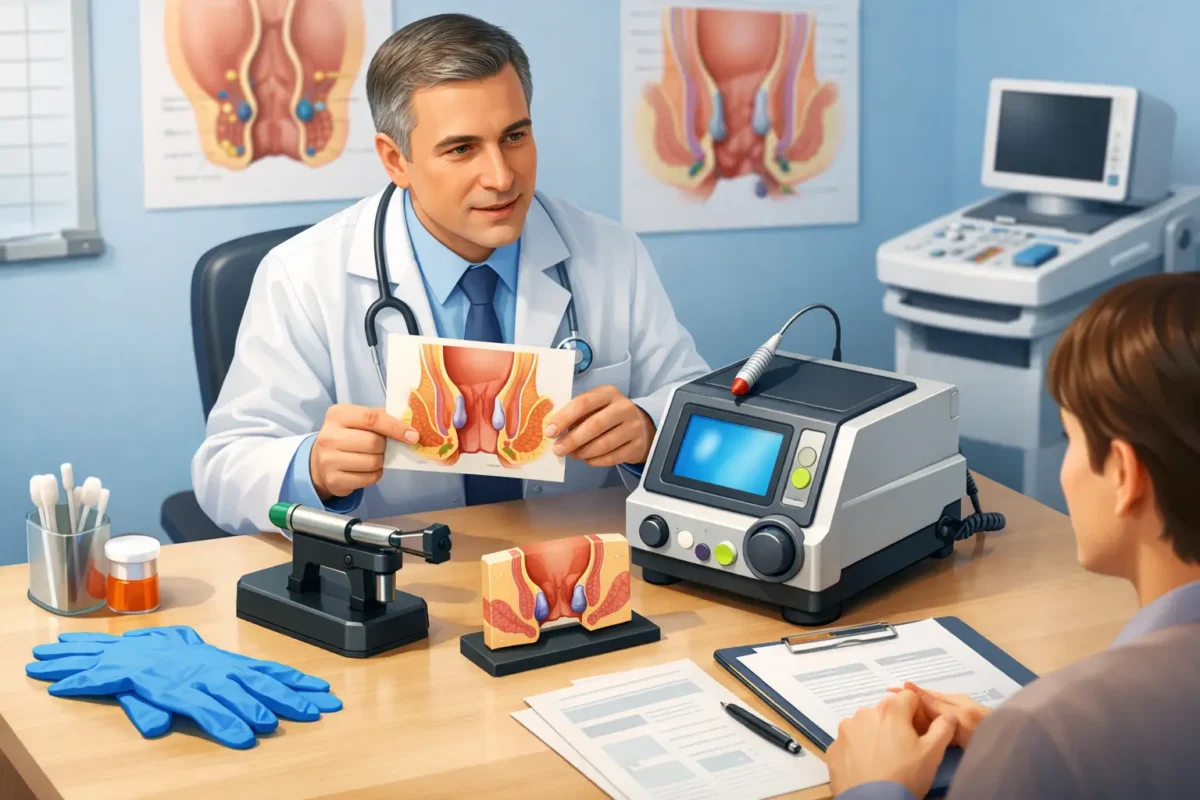
In most cases, hemorrhoid banding is more uncomfortable than painful. The procedure works by placing a small rubber band around the base of an internal hemorrhoid. This cuts off blood flow so the hemorrhoid shrinks and eventually falls away.
Because internal hemorrhoids are located in an area with fewer pain-sensitive nerves than external hemorrhoids, proper band placement should not cause sharp pain. Patients often describe the feeling as pressure, a sense of fullness, or the urge to have a bowel movement. Some feel mild cramping. Many are surprised by how quick the treatment is.
If a patient does feel significant pain during banding, that is not something to ignore. It can mean the band is too close to a pain-sensitive area and needs adjustment. In a specialized setting, the provider can address that right away. That is one reason experience matters with this procedure.
Why pain levels vary from person to person
Not every patient has the same experience, and that is true of almost any medical treatment. The size and position of the hemorrhoid matter. So does whether you have one hemorrhoid treated or more than one area addressed over time.
Your baseline symptoms also make a difference. If you already have irritation, swelling, constipation, or straining, you may be more sensitive afterward. Some patients come in with bleeding but very little pain. Others are already uncomfortable every day, so any pressure in the area feels more noticeable.
There is also an important difference between internal hemorrhoids and external hemorrhoids. Banding is typically used for internal hemorrhoids. If someone thinks they have hemorrhoids but actually has an anal fissure, an external hemorrhoid, or another anorectal condition, the discomfort pattern can be very different. That is why a proper diagnosis matters before deciding what to expect.
What hemorrhoid banding feels like afterward
For most patients, the more relevant question is not whether banding hurts during the procedure, but what recovery feels like over the next day or two.
A temporary feeling of pressure is common. Some people describe it as fullness in the rectal area, mild aching, or the sensation that they still need to go to the bathroom. That can last several hours and sometimes up to a couple of days. Mild cramping is also possible.
What is less common is severe pain. If pain is intense, worsening, or paired with symptoms such as fever, inability to urinate, or heavy bleeding, that deserves prompt medical attention. A specialized hemorrhoid practice will tell you exactly what is normal, what is not, and when to call.
The reason many patients tolerate banding well is that recovery is usually manageable and does not involve the kind of downtime people associate with surgery. Many return to normal daily activity the same day, with a few practical precautions.
What helps reduce discomfort after banding
The biggest driver of post-procedure discomfort is often not the band itself. It is straining, hard stools, and irritation during bowel movements. Keeping recovery smooth usually comes down to protecting the area while the treated hemorrhoid resolves.
Hydration helps. So does avoiding constipation. Many patients are advised to increase fiber and use a stool-softening strategy if appropriate for them. The goal is simple: make bowel movements easy, not forceful.
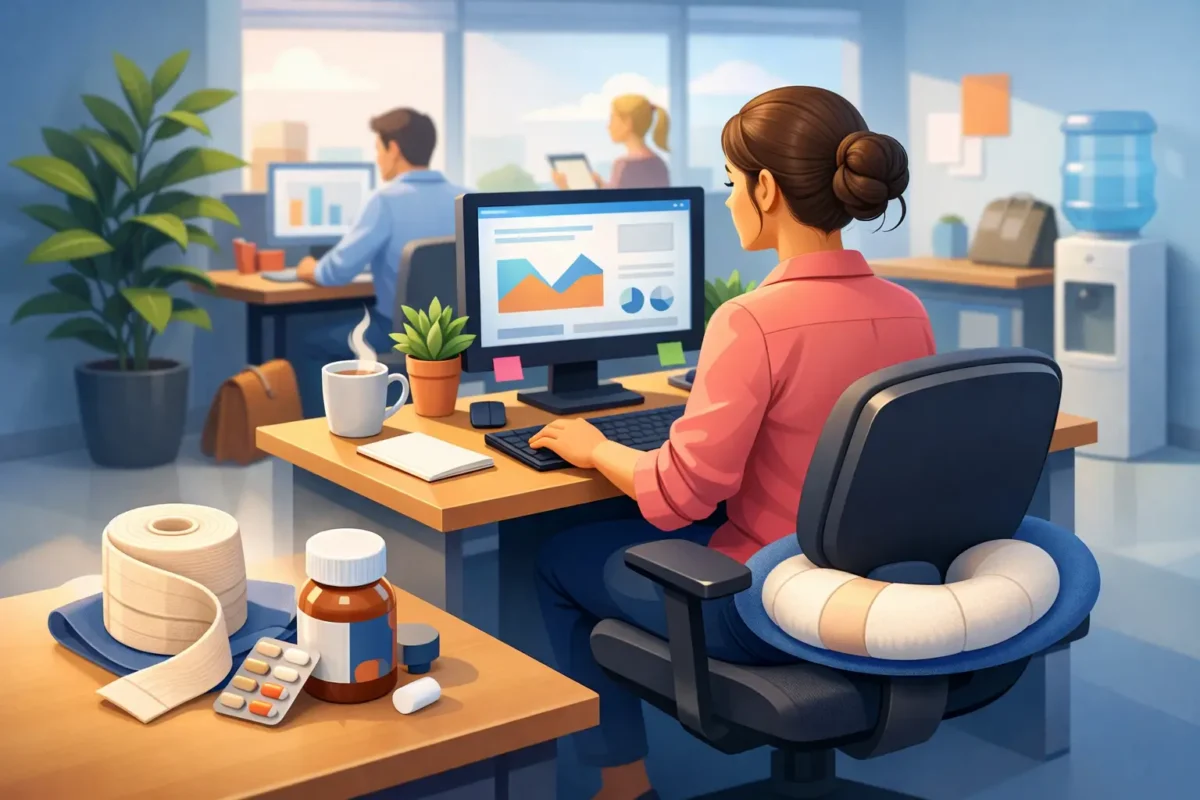
It is also wise to avoid heavy straining or prolonged sitting on the toilet. Those habits increase pressure in the veins and can aggravate symptoms. Gentle movement is usually fine, and many people can go back to work quickly, especially if their job does not involve heavy lifting.
Some patients have concern about exercise. Light activity is usually easier to resume than intense workouts. If your routine includes weightlifting or high-impact training, your provider may recommend a brief pause while the area settles down.
When patients say banding was painful
There are cases where patients report more pain than expected, and it is worth being honest about that. Hemorrhoid banding is not the same experience for everyone.
Sometimes the issue is technique and placement. Sometimes the hemorrhoid is more advanced or inflamed. Sometimes the patient has another condition contributing to pain, such as a fissure. Anxiety can also heighten the experience of pressure and cramping, especially in a very sensitive area of the body.
This is why specialized evaluation matters more than online horror stories. A lot of fear around hemorrhoid treatment comes from reading isolated experiences without knowing the full medical context. The better question is whether you are a good candidate, how the procedure is performed, and what support you will have afterward.
How banding compares with leaving hemorrhoids untreated
Patients sometimes focus so much on the fear of a procedure that they overlook the pain and disruption they are already living with. Ongoing hemorrhoids can cause bleeding, itching, swelling, irritation, hygiene issues, and pain with bowel movements. For some people, symptoms slowly become part of daily life.
Banding is often considered because it offers a non-surgical way to treat the underlying internal hemorrhoid rather than just temporarily calming symptoms with creams or wipes. That does not mean every case should be banded immediately. Mild symptoms may improve with conservative care. But if symptoms keep returning, the brief discomfort of treatment may be far less disruptive than months or years of recurring flare-ups.
Is hemorrhoid banding painful compared with surgery?
For patients trying to avoid a hospital-style procedure, this is often the real concern. Compared with traditional hemorrhoid surgery, banding is generally associated with much less pain, far less downtime, and a faster return to normal life.
That is one reason many patients seek office-based treatment first when they are candidates. There are no surgical incisions. General anesthesia is not typically needed. Recovery is shorter and simpler for most people.
That said, not every hemorrhoid problem is the same. Some advanced cases may need a different treatment plan. The goal should not be to force every patient into the same procedure. It should be to match the treatment to the condition in a way that gives relief with the least disruption possible.
Why provider experience affects comfort
Banding sounds simple, but proper patient selection and proper placement are critical. An experienced provider knows how to confirm that the hemorrhoid being treated is internal, identify whether another condition is involved, and place the band where it should be.
That expertise can affect both comfort and results. It can also help prevent unnecessary treatment. If your symptoms are actually being driven by a fissure or another source of anorectal pain, hemorrhoid banding may not be the right answer.
This is where a focused practice can offer real value. At Hemorrhoid Centers of America, patients are evaluated specifically for non-surgical hemorrhoid and fissure treatment, with the goal of getting relief quickly and avoiding more invasive care when it is not needed.
When to stop wondering and get evaluated
If you are asking whether hemorrhoid banding is painful, there is a good chance symptoms have already lasted longer than you wanted. Maybe you have tried creams, changed your diet, or waited for things to settle down on their own. Maybe you are managing bleeding or irritation but do not want to admit how much it is affecting your day.
The most reassuring answer usually comes from an exam, not from guessing. Once a specialist confirms what is causing your symptoms, you can get a realistic explanation of whether banding fits your case, what the procedure would feel like, and how quickly you could get back to normal.
A lot of patients expect the worst and then find the process much easier than they imagined. If fear of pain has been the reason for waiting, it may help to know that the procedure is designed to be quick, office-based, and manageable. Relief often starts with finally getting a clear answer.