
How Office Hemorrhoid Banding Works
March 28, 2026
How to Treat Anal Fissures Effectively
April 1, 2026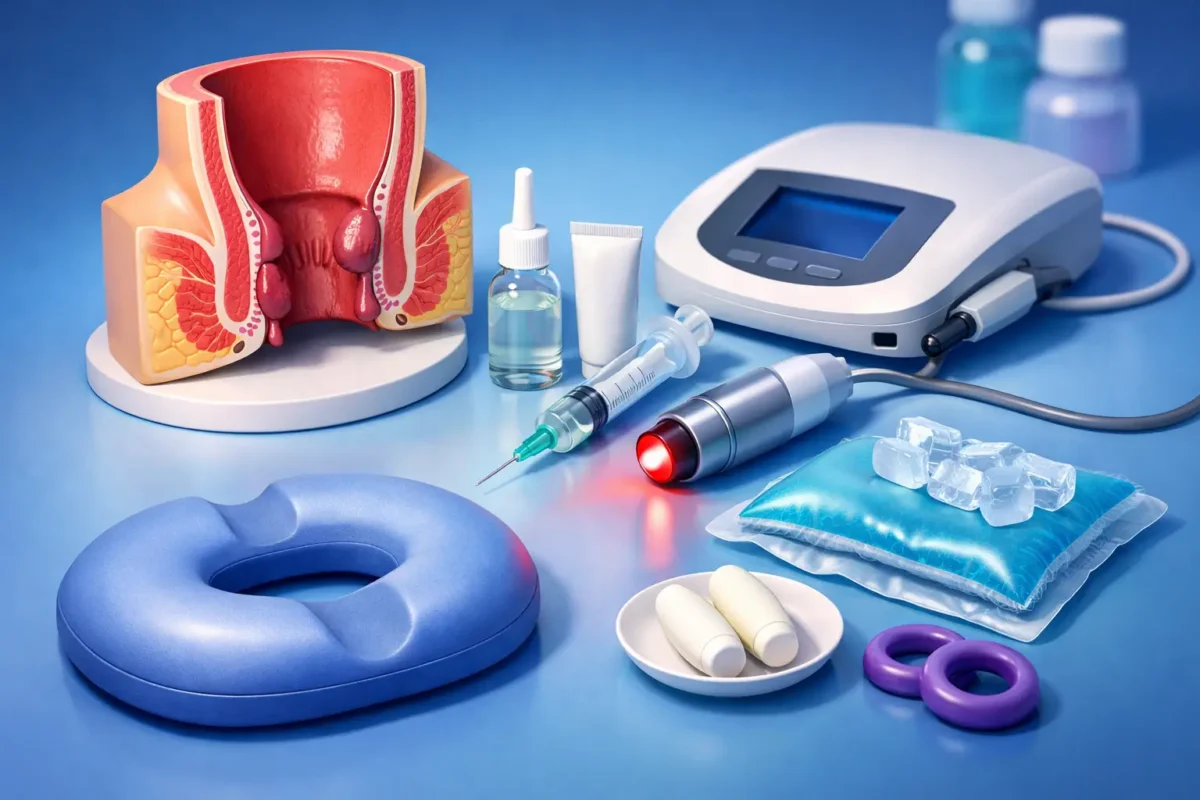
If you are searching for the best non surgical hemorrhoid treatments, you probably want two things at once: real relief and a way to avoid the pain, downtime, and anxiety that many people associate with surgery. That is a reasonable goal. In many cases, hemorrhoids can be treated effectively without traditional surgery, but the right option depends on your symptoms, how long they have been going on, and whether the problem is internal hemorrhoids, external hemorrhoids, or another condition entirely.
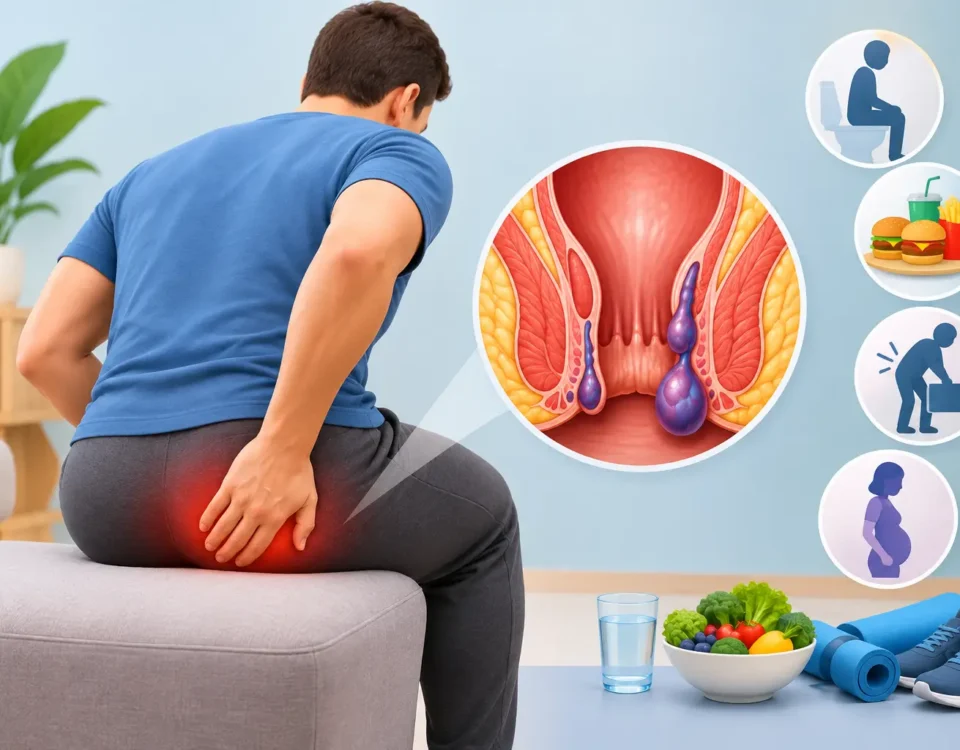
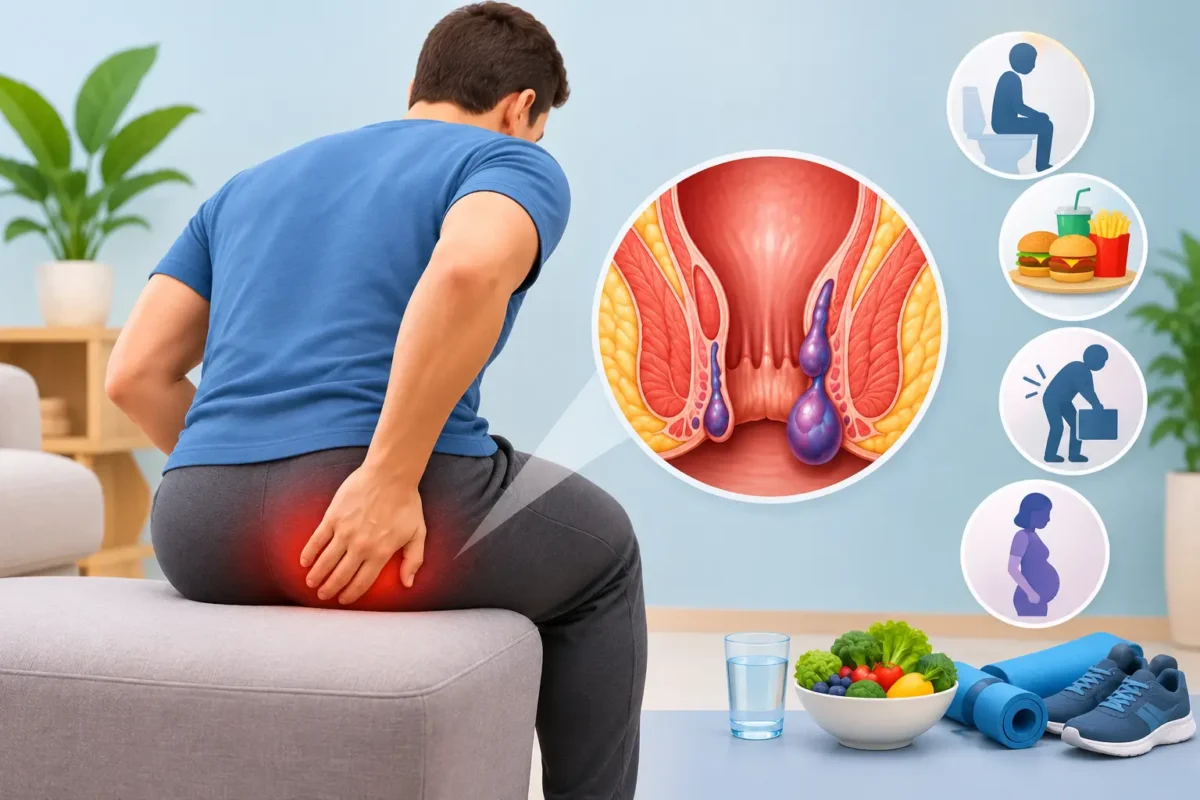
Hemorrhoids are swollen veins in or around the rectum and anus. They can cause bleeding, itching, irritation, pressure, swelling, and pain. Some flare up for a few days and calm down. Others keep returning, especially after bowel movements, long periods of sitting, pregnancy, constipation, or straining. The mistake many patients make is assuming all treatments work the same. They do not. Some are meant to calm a flare. Others are designed to fix the underlying problem more definitively.
What counts as the best non surgical hemorrhoid treatments?
The best treatment is not always the newest product on a pharmacy shelf. It is the option that matches the severity of the hemorrhoid and gives you the fastest, most reliable relief with the least disruption to your life.
For mild symptoms, conservative care may be enough. For ongoing bleeding, prolapse, or symptoms that keep coming back, office-based procedures usually offer better results than creams alone. That distinction matters because many patients spend months trying temporary remedies when they actually need a targeted procedure.
Home-based treatment can help, but it has limits
For early or mild hemorrhoids, non-surgical care often starts at home. Increasing fiber and water intake can reduce straining and make bowel movements easier. Sitz baths can soothe irritation. Short-term use of topical creams or suppositories may reduce itching and swelling. Stool softeners can also help when constipation is part of the problem.
These approaches can be useful, especially during a flare. But they are symptom-management tools, not always long-term solutions. If you have repeated bleeding, tissue that protrudes during bowel movements, or symptoms that return as soon as you stop using over-the-counter treatment, home care may not be enough.
There is also a safety issue. Rectal bleeding is often blamed on hemorrhoids, but that is not always the cause. Persistent bleeding should be evaluated by a qualified medical provider rather than self-treated indefinitely.
The most effective office-based non surgical hemorrhoid treatments
When patients ask about the best non surgical hemorrhoid treatments, office procedures are usually where the conversation becomes more practical. These treatments are done without traditional surgery, usually without anesthesia, and with little to no downtime.
Hemorrhoid banding
For many internal hemorrhoids, banding is one of the most effective non-surgical options. During this office-based procedure, a small band is placed around the base of the internal hemorrhoid. This cuts off its blood supply, causing the tissue to shrink and fall away over time.
The reason banding is often recommended is simple: it treats the hemorrhoid itself rather than just masking symptoms. It is especially helpful for internal hemorrhoids that bleed, prolapse, or keep recurring. Patients generally return to normal activity quickly, which is a major advantage for people who do not want hospital-based treatment or a long recovery.
Banding is not ideal for every case. It is primarily used for internal hemorrhoids, not painful external hemorrhoids or every advanced presentation. That is why a proper exam matters.
Custom medication protocols
Not every patient needs a procedure right away. In some cases, a physician-directed medication plan can calm inflammation, reduce discomfort, and support healing. This is very different from randomly trying one over-the-counter product after another.
A tailored treatment approach may include prescription-strength topical therapy or medications selected for your specific symptoms. This can be especially helpful when hemorrhoids overlap with anal fissure symptoms such as sharp pain during bowel movements or prolonged burning afterward.
The benefit here is precision. The trade-off is that medication-based care may relieve symptoms without fully resolving hemorrhoids that continue to bleed or prolapse.
Minimally invasive procedural care
Specialized hemorrhoid practices often combine examination findings, symptom history, and office-based treatment options into a stepwise plan. That plan may include banding and other non-surgical interventions based on what is actually causing the symptoms.
This kind of focused care can be more effective than a general approach because not all anorectal complaints are hemorrhoids, and not all hemorrhoids should be treated the same way. A patient with itching alone may need a different strategy than someone with frequent bleeding or protruding tissue.
How to know when non surgical treatment is enough
A lot depends on what you mean by enough. If your goal is short-term relief for mild irritation, home care may be enough. If your goal is to stop recurring bleeding or avoid another painful flare next month, an office procedure may be the better answer.
In general, non-surgical treatment is often appropriate when symptoms are caused by internal hemorrhoids, when there is no need for emergency intervention, and when the problem can be handled effectively in an outpatient setting. Many patients are surprised to learn that they can receive expert treatment and go back to normal daily activity the same day.
On the other hand, very large external hemorrhoids, thrombosed hemorrhoids, severe prolapse, or symptoms that suggest another diagnosis may require a different plan. That does not always mean surgery, but it does mean you should not guess.
Signs you should stop waiting
Embarrassment keeps a lot of people in the cycle of self-treatment. So does the hope that the next cream will finally solve it. But there are a few signs that it is time to be evaluated by a specialist.
If you are seeing repeated blood on the toilet paper or in the bowl, if bowel movements are increasingly painful, if tissue is bulging or needs to be pushed back in, or if symptoms are interfering with work, exercise, travel, or sleep, it is reasonable to move beyond pharmacy care. The longer hemorrhoids stay active, the more disruptive they tend to become.
It is also worth getting checked if you are not sure whether the problem is hemorrhoids at all. Conditions such as anal fissures can cause similar symptoms, but they are treated differently.
What patients usually care about most
Most people are not asking for the perfect textbook treatment. They are asking practical questions. Will it hurt? How long will it take? Will I need anesthesia? Can I go back to work?
That is where office-based non-surgical hemorrhoid care stands out. In many cases, treatment is fast, does not require hospital scheduling, and allows patients to return to regular activity quickly. For adults with demanding jobs, caregiving responsibilities, or limited time, that matters as much as the medical outcome.
It also helps to see a provider who treats hemorrhoids routinely rather than occasionally. Focused expertise can make the diagnostic process more efficient and the treatment plan more specific. Hemorrhoid Centers of America is one example of a specialty practice built around that model, with care designed to help patients avoid unnecessary surgery and get relief without major interruption to daily life.
Choosing among the best non surgical hemorrhoid treatments
If your symptoms are mild and new, start with conservative measures and pay attention to whether they actually help. If symptoms are persistent, bleeding is ongoing, or flare-ups keep returning, it may be time to skip the trial-and-error phase and get evaluated for office treatment.
The best non surgical hemorrhoid treatments are the ones that fit the real problem. Creams can calm irritation. Fiber can reduce straining. But for many internal hemorrhoids, banding offers a more definitive path to relief without the burden of traditional surgery.
You do not need to accept constant discomfort just because hemorrhoids are common. You also do not need to jump straight to the idea of surgery. There is a middle ground, and for many patients, that is exactly where lasting relief begins.
If symptoms have been running your schedule, changing how you sit, or making every bathroom visit stressful, getting a focused evaluation can be the first real step toward feeling normal again.