
How Doctors Diagnose Internal Hemorrhoids
May 27, 2026
Can Hemorrhoids Cause Rectal Pain?
May 31, 2026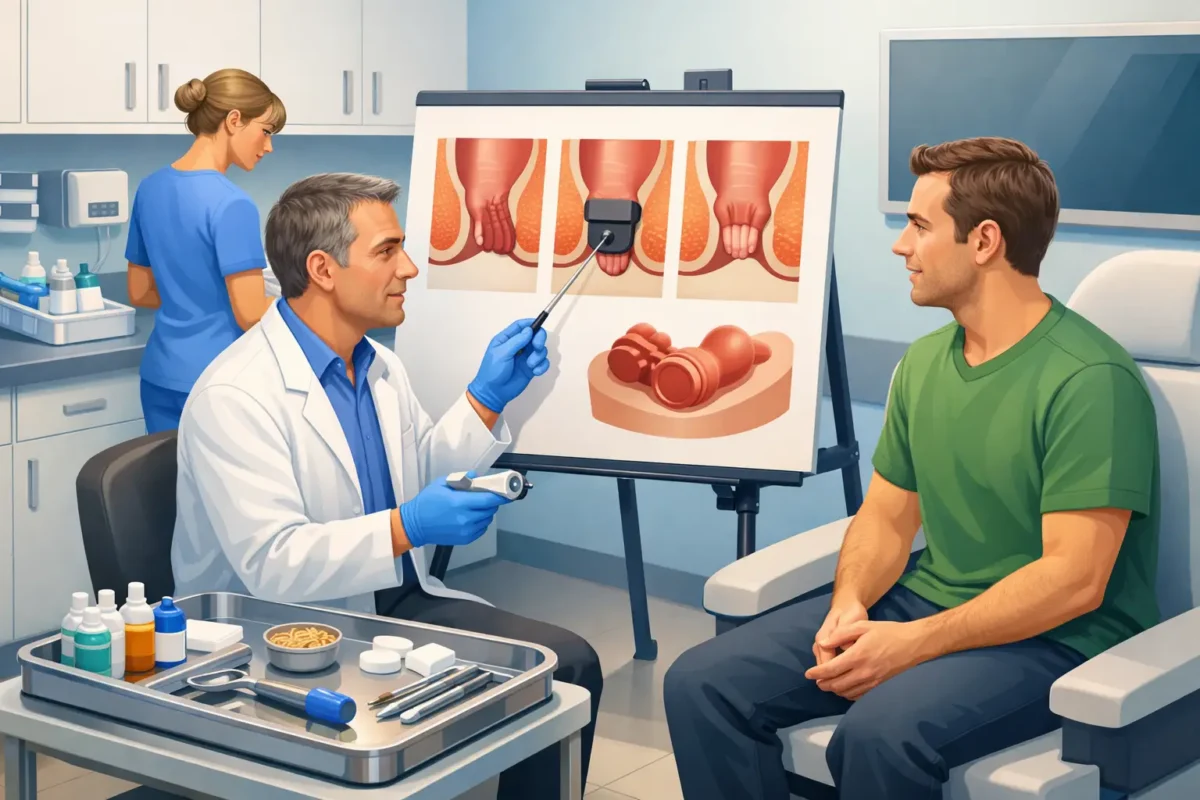
If you are reading a rubber band ligation review, chances are you are tired of planning your day around bleeding, itching, swelling, or pain. Most patients do not want a hospital procedure. They want something effective, fast, and realistic for a normal workweek. That is exactly why rubber band ligation is often one of the first office-based treatments discussed for internal hemorrhoids.
Rubber band ligation is a non-surgical procedure used to treat internal hemorrhoids, usually those that bleed, protrude, or cause irritation despite diet changes and over-the-counter products. A provider places a very small rubber band around the base of the hemorrhoid inside the rectum. That band cuts off blood flow to the tissue, and over the next several days the hemorrhoid shrinks and falls away. No large incision is involved, and patients are typically able to return to routine activity quickly.
For the right patient, the appeal is straightforward. The procedure is brief, performed in the office, and does not require the kind of recovery people associate with hemorrhoid surgery. But a fair rubber band ligation review should also cover the trade-offs. It is highly effective for many internal hemorrhoids, but it is not the right answer for every type of hemorrhoid problem.
Rubber band ligation review: why patients choose it
The main reason patients consider banding is simple: they want relief without surgery. Internal hemorrhoids can cause recurring bleeding, pressure, mucus, irritation, and tissue that slips out during bowel movements. These symptoms may improve temporarily with creams, fiber, hydration, and stool softeners, but when they keep returning, many people want a treatment that does more than manage the problem.
Rubber band ligation fills that middle ground between home care and surgery. It is more definitive than another round of ointments, but less disruptive than an operation. For working adults, parents, and older patients who do not want anesthesia or days away from normal life, that matters.
It also helps that the procedure is targeted. The provider treats the specific internal hemorrhoid tissue causing symptoms. In many cases, patients need more than one treatment session, especially if there are multiple hemorrhoids or more advanced internal hemorrhoids. That does not mean the treatment failed. It often reflects a planned, staged approach designed to treat tissue safely and comfortably.
How the procedure usually feels
This is often the first question patients ask, and understandably so. Rubber band ligation is generally described as uncomfortable rather than sharply painful when performed on internal hemorrhoids in the proper location. Internal hemorrhoid tissue sits in an area with fewer pain-sensitive nerves than the external anal skin. That is one reason banding can be done in the office without general anesthesia.
During the procedure, patients may feel pressure, a sense of fullness, or the urge to have a bowel movement. That sensation can last for several hours afterward and sometimes into the next day. Mild cramping is also common. Some patients feel very little. Others are more sensitive and need a day or two of extra caution with sitting, activity, and bowel habits.
The important detail is that severe pain is not expected. If a band is placed too low, where pain-sensitive tissue is involved, it can cause significant discomfort and may need adjustment. That is one reason experience matters. Proper evaluation and technique make a real difference in both comfort and results.
What results can you realistically expect?
A good rubber band ligation review should be honest here: results are usually very good for internal hemorrhoids, but not every symptom disappears overnight.
Bleeding often improves first. Many patients notice less bleeding within days to a couple of weeks. Prolapse and irritation may also improve as the treated tissue shrinks. If more than one hemorrhoid is involved, the provider may treat them over a series of visits rather than all at once.
For grade 1, grade 2, and many grade 3 internal hemorrhoids, banding has a strong track record. It is one of the most commonly used office procedures for a reason. It addresses the source of the symptom rather than just coating the area with temporary relief products.
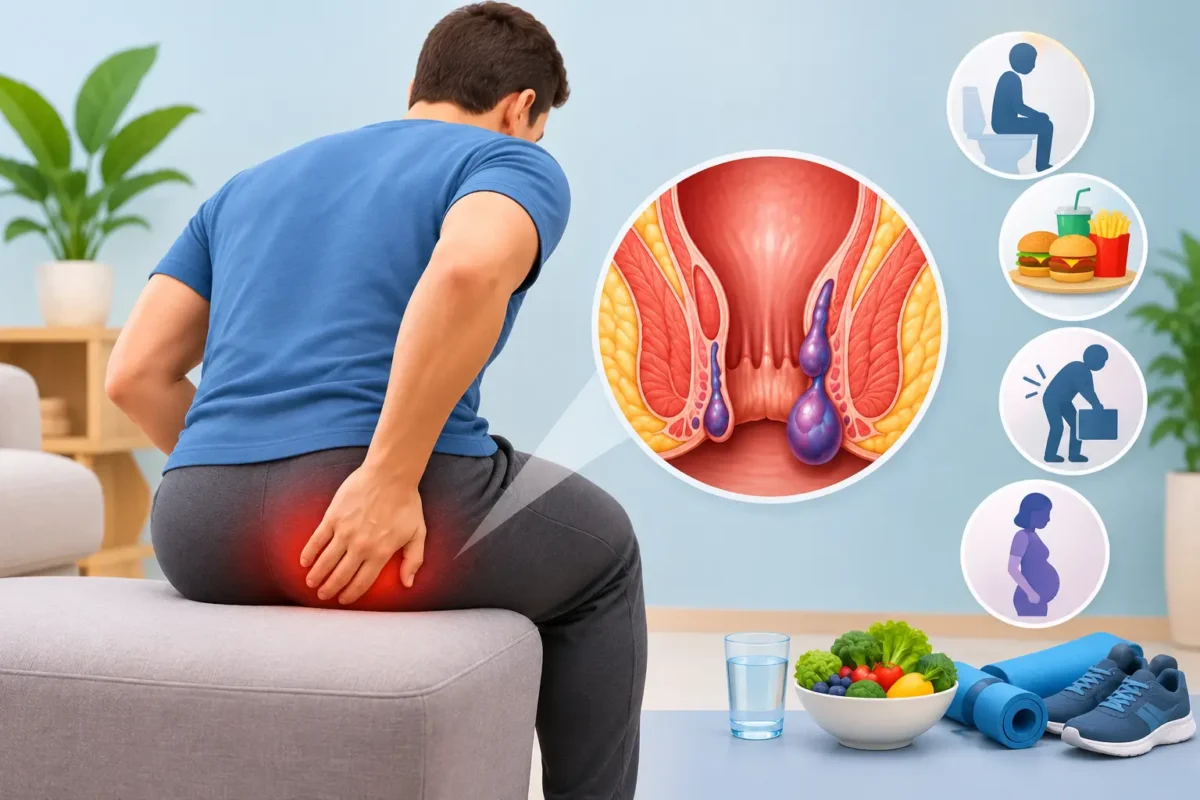
That said, recurrence is possible. Hemorrhoids develop because of pressure, straining, constipation, prolonged sitting, pregnancy, aging tissue support, and other factors. If those issues continue, new hemorrhoids or symptom recurrence can happen even after successful treatment. Banding treats existing problematic tissue, but long-term control still depends on bowel habits and pressure reduction.
Recovery after banding
Most patients want to know when they can get back to work, exercise, errands, and regular life. In many cases, normal daily activity can resume the same day, though that is not the same as saying you will feel nothing.
For the first 24 to 48 hours, a feeling of pressure or fullness is common. Some patients prefer a lighter schedule that day, especially if they have a desk job that requires prolonged sitting. Bowel movements may cause temporary irritation, but they should not be traumatic. Hydration, fiber, and avoiding straining are especially important during recovery.
A small amount of bleeding can happen when the banded tissue separates, usually several days later. Patients should be told to expect that possibility so it does not come as a surprise. Heavy bleeding, severe pain, fever, or difficulty urinating are not routine and should prompt a call to the provider.
The biggest recovery advantage compared with surgical hemorrhoid removal is the lack of a major wound. That is why many patients view banding as a much more manageable path to relief.
Who is a good candidate for rubber band ligation?
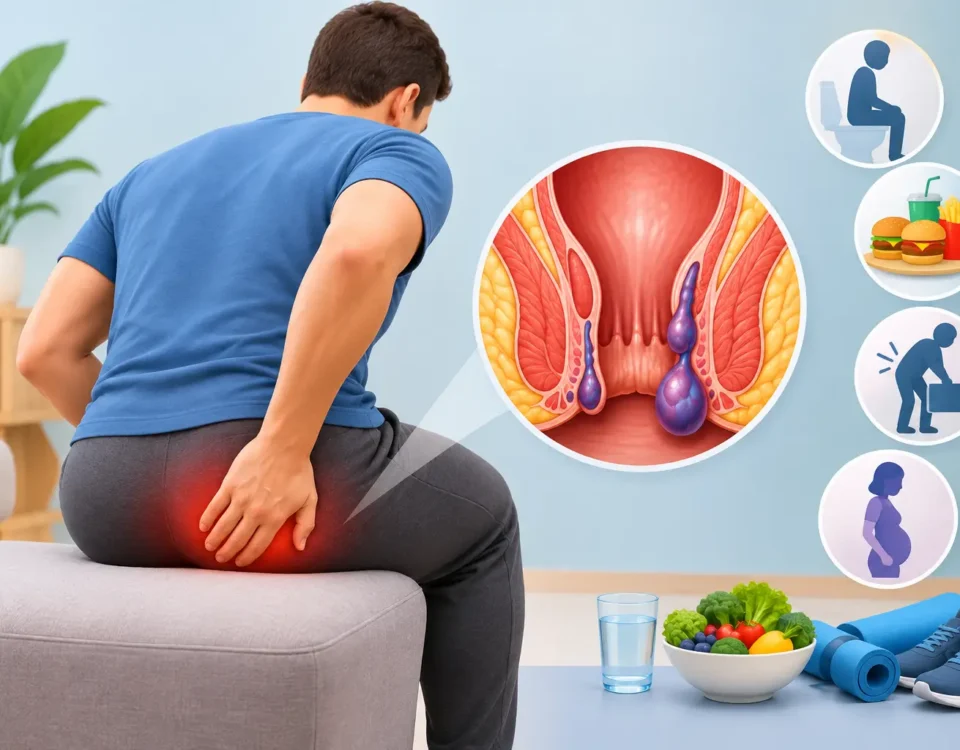
Banding is best suited for internal hemorrhoids, not external hemorrhoids. That distinction matters because patients often use the word hemorrhoids to describe any anal symptom, while the actual source may be internal hemorrhoids, external hemorrhoids, an anal fissure, skin tags, or something else entirely.
Patients with bleeding internal hemorrhoids, bothersome prolapse, recurrent swelling inside the rectum, or irritation that has not improved with conservative care are often good candidates. It is especially attractive for people who want an office-based option and prefer to avoid surgical downtime.
It may not be ideal for large external hemorrhoids, mixed internal-external disease, active fissures, clotting concerns, certain blood thinner situations, or symptoms that suggest another diagnosis entirely. This is where a focused exam matters. Not every patient who assumes they need hemorrhoid treatment actually has hemorrhoids as the main problem.
Rubber band ligation review vs surgery
This is where nuance matters. Banding is less invasive, faster, and easier to recover from than hemorrhoid surgery. For many internal hemorrhoids, that makes it a very strong first procedural option.
Surgery, however, may still be more appropriate for severe prolapse, large mixed hemorrhoids, or cases that do not respond to office treatment. Surgical treatment can be more definitive in advanced disease, but it usually comes with more pain, more downtime, and greater disruption. So the right choice depends on the type and severity of hemorrhoids, not just patient preference.
For many people, the best path is to start with the least invasive effective treatment. If a non-surgical option can control symptoms well, that is often the preferred route. Specialized centers such as Hemorrhoid Centers of America focus on that exact approach: treating the problem effectively while helping patients avoid unnecessary surgery whenever possible.
What patients tend to like – and dislike
Patients who have a positive experience usually mention the same things. The procedure is quick. It does not require a hospital setting. Recovery is manageable. And the bleeding or prolapse that pushed them to seek help often improves without a major interruption to daily life.
The most common frustration is expectation mismatch. Some people expect instant relief after one band. In reality, improvement can be gradual, and some patients need repeat sessions. Others are surprised by the temporary pressure or cramping afterward, even though it is a normal part of recovery.
That is why the best review is not one that promises perfection. It is one that sets realistic expectations. Rubber band ligation is often an excellent treatment for the right internal hemorrhoids, but it works best when the diagnosis is accurate, the technique is precise, and the patient understands what recovery actually involves.
If hemorrhoid symptoms are starting to shape your routine, keep you near a bathroom, or make every bowel movement stressful, you do not have to keep guessing. The most helpful next step is a focused evaluation that identifies exactly what is causing the problem and whether a fast, office-based treatment can get you real relief.