


Pregnancy Hemorrhoids and Anal Fissures: What You Need to Know
Congratulations on your pregnancy! While this is an exciting time, it's common to experience hemorrhoids and anal fissures, especially during the second and third trimesters. This guide explains what they are, why they occur, and how you can manage and prevent them.
What Are Hemorrhoids?
Hemorrhoids are naturally occurring blood vessels around the anus. They help with continence but can become enlarged, causing symptoms like rectal pain or bleeding. There are two types:
- Internal Hemorrhoids
- External Hemorrhoids
What Are Hemorrhoids?
Anal fissures are small tears in the lining of the rectum. Common causes include:
- Constipation (hard, dry, or large stools)
- Diarrhea
- Anal intercourse or use of anal toys
Symptoms may include sharp burning pain, bleeding, or a lump near the tear. About half of those with fissures also have hemorrhoids.
Are Hemorrhoids Dangerous During Pregnancy?
Hemorrhoids and fissures can cause discomfort and bleeding but generally do not harm you or your baby. However, persistent or severe bleeding can lead to anemia. Iron supplements may worsen constipation, and rarely, fissures can cause infections requiring medical attention.
Prevention Tips
You can reduce your risk by:
- Avoiding constipation and straining
- Using a footstool or Squatty Potty for better posture during bowel movements
- Limiting time on the toilet (avoid reading or using your phone)
- Increasing dietary fiber (beans, whole grains, vegetables, fruits)
- Staying hydrated (8–12 cups of water daily)
- Exercising regularly (walking, swimming)
- Using fiber-based laxatives (20–30 grams/day) if needed
- Taking food-based prenatal vitamins instead of synthetic ones that may cause constipation
- Taking sitz baths with or without salt
Why Are These Problems More Common in Pregnancy?
- Hormonal changes: Increased progesterone relaxes vein walls, causing swelling.
- Physical pressure: The growing uterus slows blood flow in pelvic veins.
- Increased blood volume: More blood circulates to support your baby.
- Other risk factors: Age over 35, larger babies, prolonged straining during labor, constipation, family history, or previous issues.
Symptoms Checklist
- Rectal pressure
- Bright red blood on wiping, stool, or in the toilet
- Itching
- Protruding anal tissue
- Incomplete evacuation
- Sharp, burning pain (like passing glass)
- Anal bleeding
- Itching
- Lump near the fissure
Symptoms may overlap, and you can have both conditions at once. A specialist can provide a definitive diagnosis.
Self-Help Measures
- Drink 6–8 glasses of water daily
- Eat about 30 grams of fiber per day
- Use stool softeners or MiraLAX if needed
- Apply topical aloe, lidocaine, or hydrocortisone
- Lay on your left side to relieve pressure
- Elevate feet during bowel movements
- Use gentle, unscented wipes
- Take warm sitz baths several times a day
- Avoid heavy lifting and exercises that require straining
- Try low-impact activities (walking, swimming, gentle yoga, Kegels)
- Use Tylenol for pelvic pain if needed
Most symptoms improve after delivery, but some may persist.
When to See a Specialist
If symptoms do not improve with self-care, consult a rectal specialist. Non-surgical treatments like topical nitroglycerin or diltiazem can help reduce pain and bleeding. Surgery is rarely needed, but large, painful external hemorrhoids may require minor office procedures.
Will Hemorrhoids Go Away After Delivery?
Most symptoms resolve within a few days postpartum. However, about 20% of women have persistent symptoms. If symptoms last more than three weeks after delivery, there is a 50% chance they will continue.
Should I Get a Colonoscopy?
Consider a colonoscopy if you experience:
- Unexplained weight loss
- Persistent abdominal pain
- Iron deficiency anemia
- Changes in bowel habits
- Family history of colon cancer
- Bleeding not associated with bowel movements or darker blood
- No clear source of bleeding on examination
Final Advice
If you have persistent pain or bleeding, consult your physician. Early evaluation and treatment can prevent complications and provide peace of mind.
At HCA we only use disposable ligation systems. Dr. Goldman introduced disposable banding to the Southeastern United States in 2006. Dr. Alan Goldman is the Medical Director of Hemorrhoid Centers of America. At HCA we have helped thousands of patients avoid surgery and get the relief they deserve. We will start you on our special hemorrhoid compounds as needed for immediate relief and help you get rid of your hemorrhoids with our ligation system.
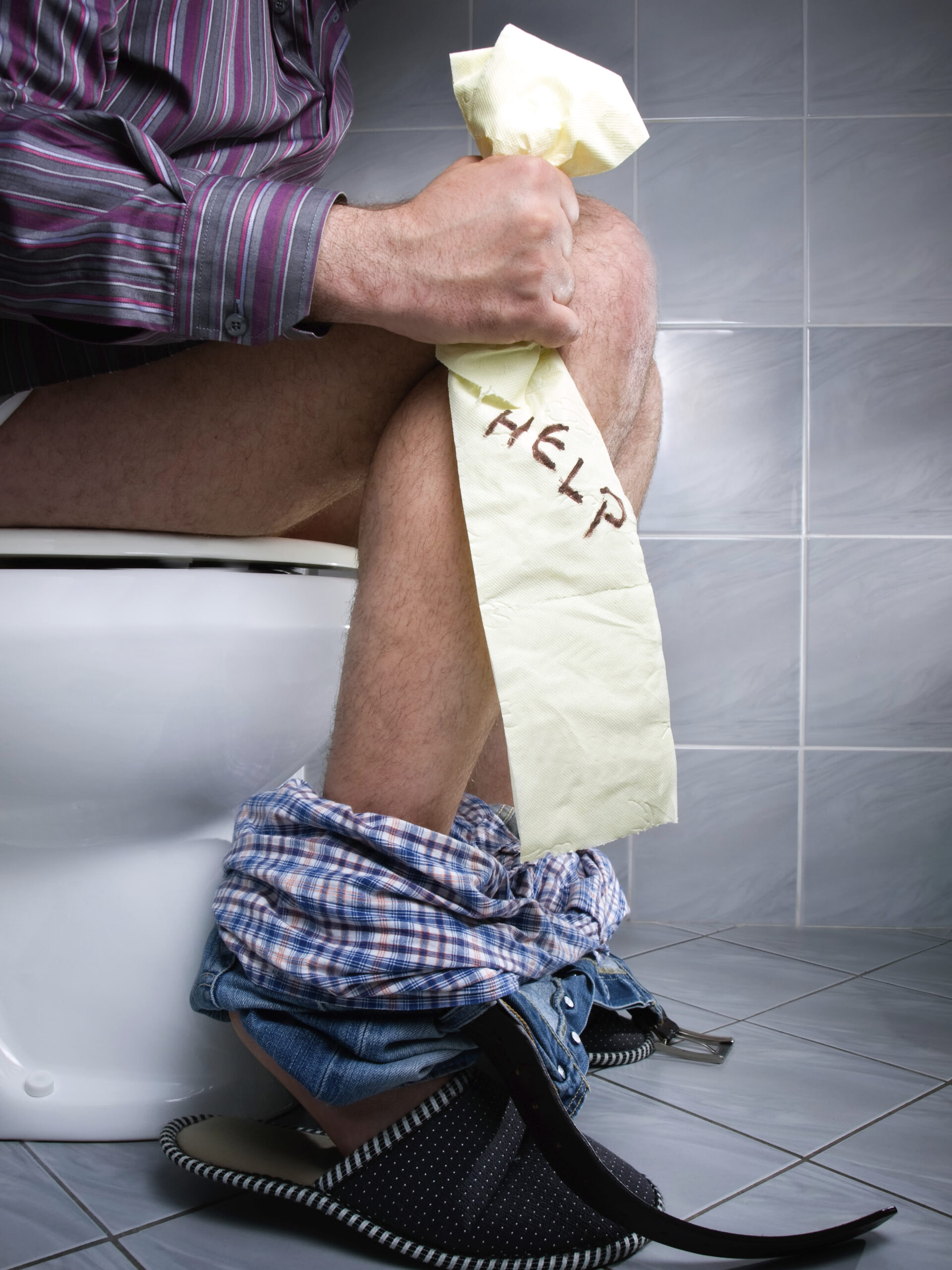
About 1 in 20 Americans have hemorrhoids. You are not alone.