

Best Foods for Fissures That Ease Bowel Movements
November 1, 2026
Managing Painful Bowel Movements at Home
November 5, 2026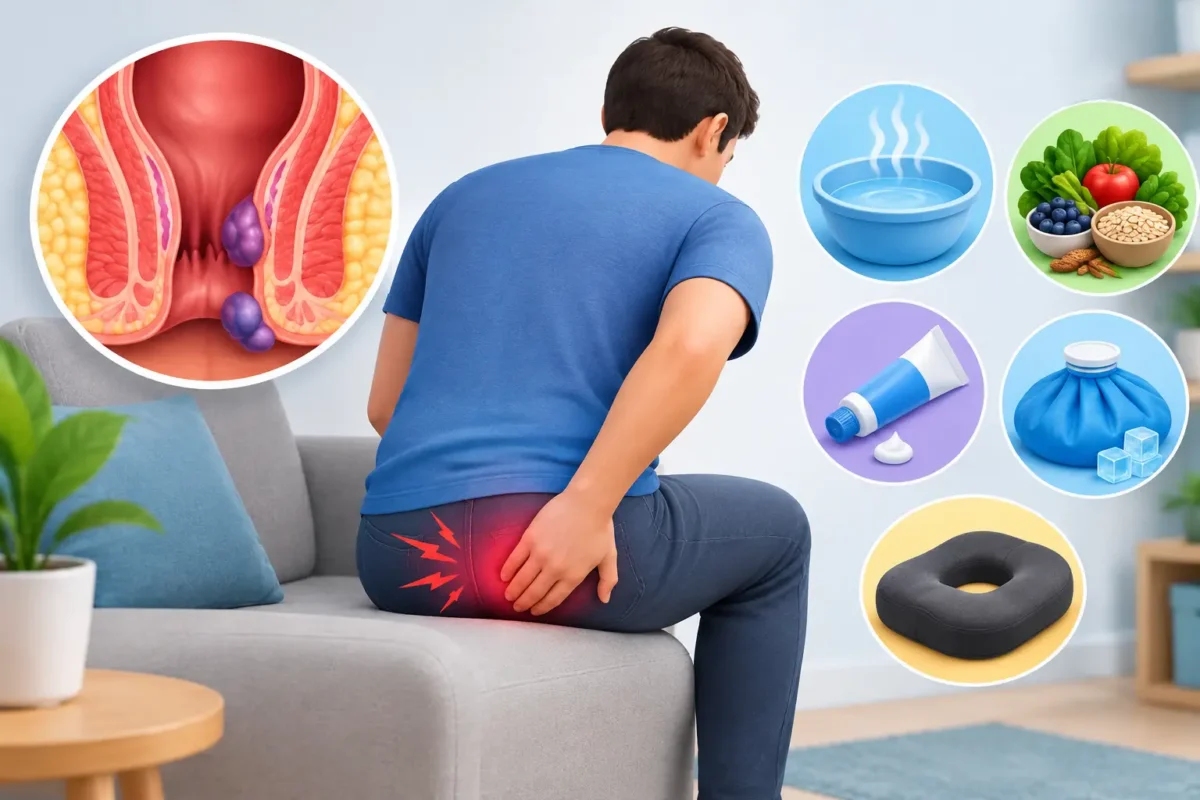
Hemorrhoid pain can make ordinary parts of the day feel unexpectedly difficult. Sitting through a meeting, driving home, exercising, or having a bowel movement may become something you brace for. While many people try to manage symptoms privately, persistent pain deserves a clear diagnosis and focused treatment – especially when it is interfering with your routine.
What hemorrhoid pain can feel like
The location and character of pain can offer useful clues, but symptoms alone cannot confirm the cause. Pain from an external hemorrhoid may feel like tenderness, pressure, swelling, or a painful lump near the anal opening. If a clot forms inside an external hemorrhoid, known as a thrombosed hemorrhoid, pain can become sudden and intense.
Internal hemorrhoids are located inside the rectum and often cause bleeding, prolapse, itching, or a feeling of fullness rather than sharp pain. However, an internal hemorrhoid that protrudes and becomes swollen can be quite uncomfortable. Pain during or after bowel movements may also be caused by an anal fissure, a small tear in the anal lining that is commonly mistaken for a hemorrhoid.
This distinction matters. The right treatment depends on the actual cause of the pain, not just the symptom patients notice first.
Common causes of hemorrhoid pain
Hemorrhoids develop when veins in the lower rectum or around the anus become enlarged. Increased pressure is often part of the picture. Constipation and straining are common contributors, particularly when stools are hard or bowel movements take a long time.
Frequent diarrhea can also irritate the area. Pregnancy, heavy lifting, prolonged sitting, low fiber intake, and spending extended time on the toilet may contribute as well. These factors do not always cause hemorrhoids on their own, but they can aggravate existing tissue and trigger a flare.
Pain may increase when swelling traps an external hemorrhoid outside the anal opening or when a blood clot develops. For some patients, the discomfort is mild but repetitive. For others, it escalates quickly over a day or two. Either pattern can be disruptive, and neither should be dismissed simply because hemorrhoids are common.
Short-term relief you can try at home
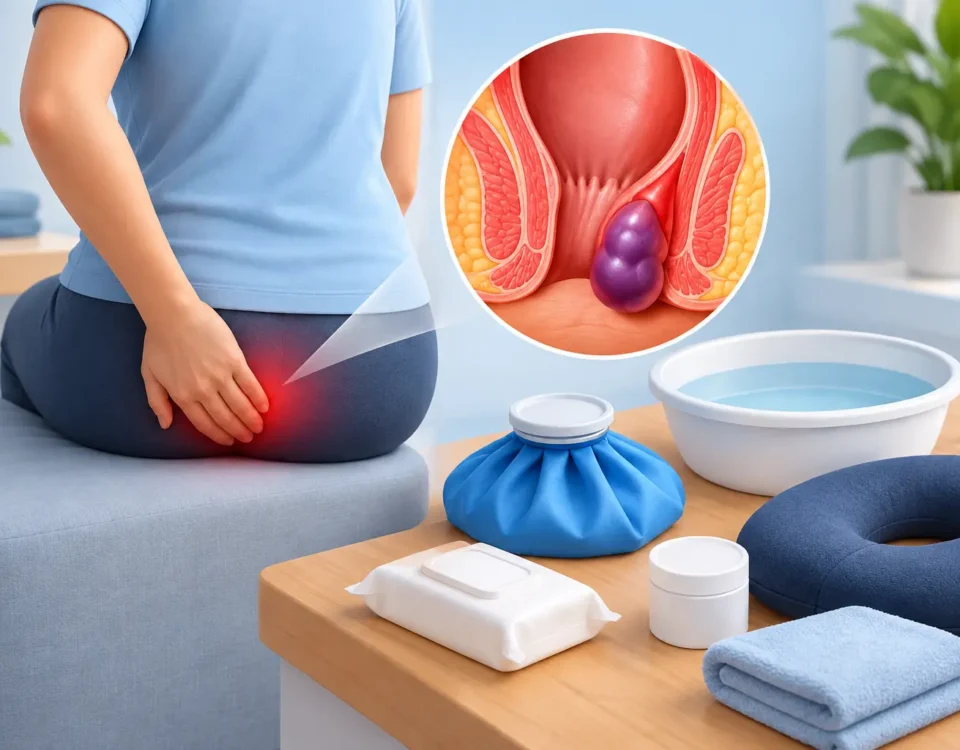
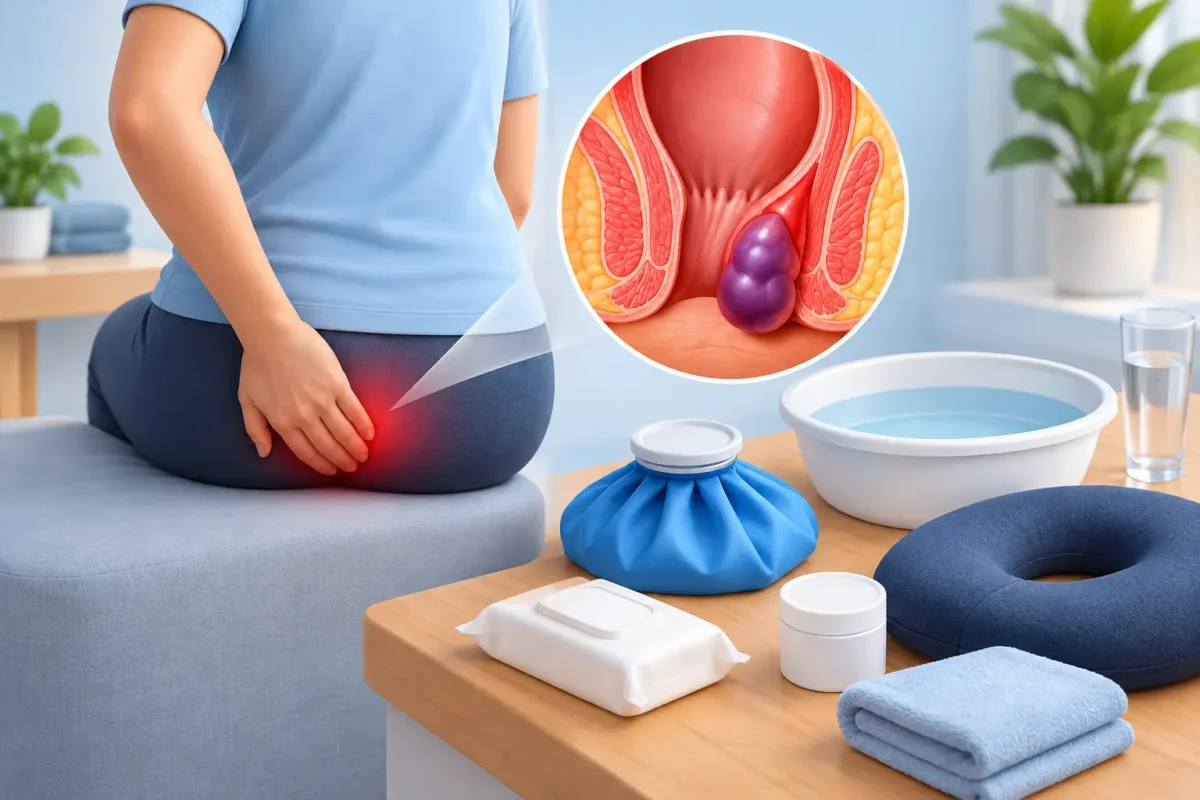
Simple measures can reduce irritation while you arrange an evaluation or recover from a minor flare. A warm sitz bath for 10 to 15 minutes can relax the area and provide temporary comfort. Keep the water plain and avoid harsh soaps, fragrances, or scrubbing, which may worsen irritation.
The goal is also to make bowel movements easier. Drink adequate fluids, add fiber gradually through food or a fiber supplement, and avoid straining. If constipation is a concern, a clinician or pharmacist can help you choose an appropriate stool-softening option. Do not sit on the toilet for long periods waiting for a bowel movement to happen.
Cold packs wrapped in a clean cloth may help reduce external swelling for short intervals. Over-the-counter creams, wipes, and suppositories can provide temporary symptom relief for some people, but they do not remove the underlying hemorrhoid. Use products as directed, and avoid prolonged use of steroid-containing creams unless a clinician advises it.
These steps are reasonable for mild, short-lived symptoms. They are less likely to be enough when pain keeps returning, bleeding continues, a lump is enlarging, or bowel movements have become a source of ongoing fear.
When hemorrhoid pain needs medical attention
Rectal pain and bleeding should not be automatically assumed to be hemorrhoids. A specialized evaluation can identify whether symptoms are coming from internal or external hemorrhoids, an anal fissure, or another condition requiring a different approach.
Schedule prompt care when pain lasts more than a few days, interferes with work or sleep, recurs frequently, or does not improve with conservative measures. Evaluation is also appropriate for a new anal lump, prolapsing tissue, drainage, significant itching, or bleeding with bowel movements.
Seek urgent medical attention for heavy rectal bleeding, black or tarry stools, fainting, fever, severe abdominal pain, or pain that rapidly worsens. These symptoms may indicate a problem beyond routine hemorrhoid irritation and should be assessed without delay.
Age, family history, changes in bowel habits, unexplained weight loss, and anemia can also affect how rectal bleeding should be evaluated. Getting checked is not overreacting. It is the practical way to replace uncertainty with a treatment plan.
Non-surgical treatment can provide targeted relief
Many patients delay care because they assume hemorrhoid treatment means hospital surgery, anesthesia, and a long recovery. That is not always the case. Many internal hemorrhoids can be treated with office-based procedures designed to address the problem without traditional surgery.
Rubber band ligation, often called hemorrhoid banding, is one common option for qualifying internal hemorrhoids. A small band is placed at the base of the hemorrhoid, cutting off its blood supply so the tissue shrinks over time. Because internal hemorrhoids are above the area with pain-sensitive nerve endings, the procedure is often well tolerated when performed for the right type and location of hemorrhoid.
External hemorrhoids and anal fissures require a different plan. A clinician may recommend medication, bowel habit changes, or another targeted treatment based on the source of symptoms. This is why a one-size-fits-all cream or internet remedy can leave patients frustrated. Treating an internal hemorrhoid as though it were a fissure, or vice versa, may delay meaningful relief.
At Hemorrhoid Centers of America, care is centered on identifying the cause of symptoms and using non-surgical treatment pathways whenever appropriate. Patients can be evaluated by board-certified providers in an office setting, without the disruption of a traditional surgical process for many common hemorrhoid concerns.
What to expect at an appointment
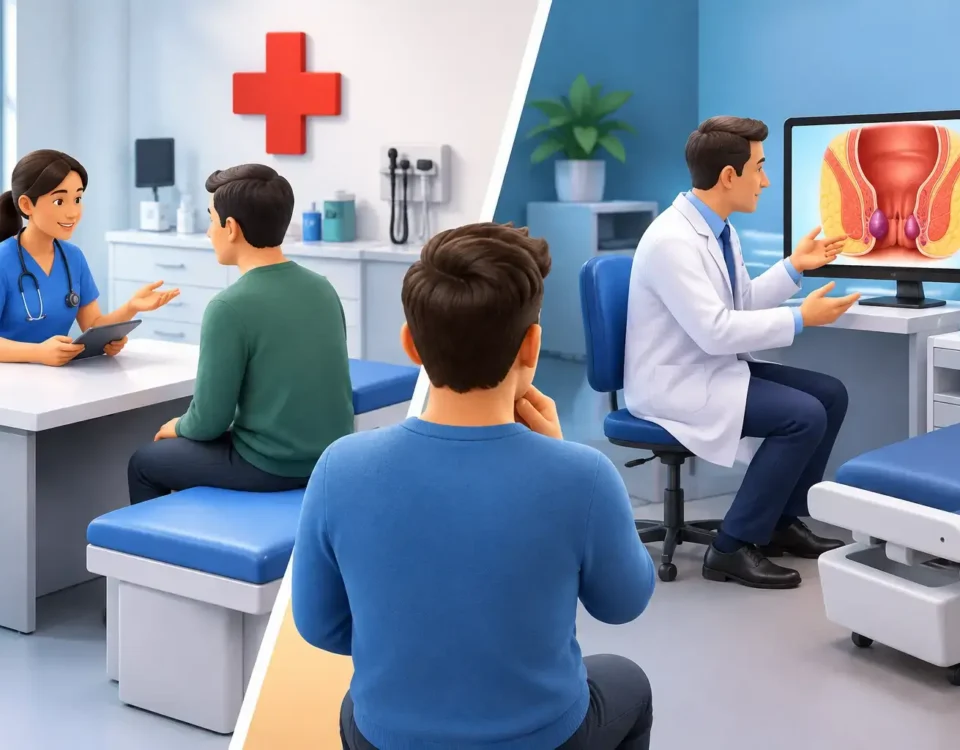
A focused hemorrhoid evaluation is typically straightforward and discreet. Your provider will ask about pain, bleeding, bowel habits, medications, prior treatments, and relevant medical history. They may perform an examination to determine whether the issue involves internal hemorrhoids, external hemorrhoids, an anal fissure, or another cause.
Be candid about your symptoms, even if they feel embarrassing. Details such as whether pain is sharp or throbbing, whether bleeding is bright red, and whether a lump appeared suddenly can guide the assessment. The more accurately the problem is identified, the more efficiently treatment can be matched to it.
If an office procedure is recommended, ask what you may feel during and afterward, whether you need to modify activity, and what changes in symptoms should prompt a call. Many patients can return to normal daily activities quickly, but recovery expectations depend on the condition treated and the specific procedure performed.
Preventing another painful flare
Prevention is not always about doing everything perfectly. It is about reducing repeated pressure and irritation. Aim for soft, formed stools by maintaining consistent fiber and fluid intake. Respond to the urge to have a bowel movement rather than delaying it, and avoid straining or scrolling on the toilet for extended periods.
Regular movement can support healthy bowel habits, particularly for people who sit most of the workday. If heavy lifting consistently triggers symptoms, discuss technique and timing with a clinician. For recurring pain, an evaluation can identify whether there is an untreated hemorrhoid or fissure that home habits alone cannot resolve.
You do not need to keep planning your day around bathroom pain or worrying every time you see blood. A private, specialized evaluation can clarify what is happening and help you move toward relief with a treatment plan that fits your life.