
What to Do in a Thrombosed Hemorrhoid Case
November 23, 2026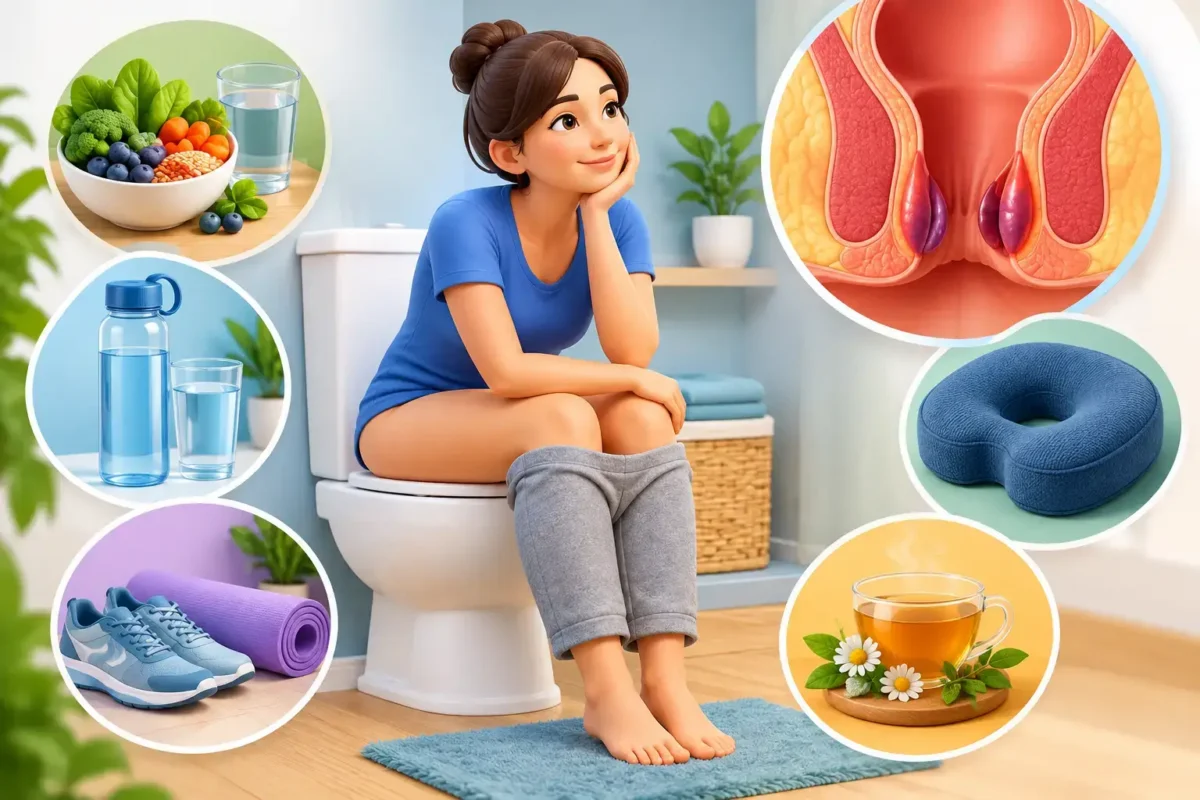
A small amount of irritation can make sitting at work, exercising, driving, and using the bathroom feel far more difficult than it should. Knowing how to prevent hemorrhoid irritation starts with reducing pressure, avoiding friction, and keeping bowel movements soft and easy to pass. These changes can often calm mild symptoms, but ongoing bleeding, pain, swelling, or itching deserves an evaluation from a specialist.
Hemorrhoids are swollen veins in or around the anus and lower rectum. They can become irritated when straining, constipation, diarrhea, prolonged sitting, aggressive wiping, or heavy lifting adds pressure to already sensitive tissue. The goal is not to make your routine complicated. It is to remove the habits that repeatedly inflame the area and seek targeted care when symptoms are not improving.
Prevent Hemorrhoid Irritation by Changing Bathroom Habits
The bathroom is where many hemorrhoid symptoms either improve or get worse. Straining is one of the most common triggers because it increases pressure in the rectal veins. If a bowel movement is not happening easily, do not force it. Get up, move around, drink water, and try again when the urge returns.
Avoid sitting on the toilet for long periods, including while scrolling on your phone. The position and prolonged pressure can worsen swelling, even if you are not actively straining. A few minutes is generally enough. If you regularly need much longer, constipation or a pelvic floor issue may be contributing.
Responding to the natural urge to have a bowel movement also matters. Delaying it can allow stool to become drier and harder, making the next trip to the bathroom more difficult. A consistent routine, often after breakfast or another meal, can help some people avoid rushing or straining.
Keep Stool Soft, but Do Not Overcorrect
Fiber and fluids are central to prevention because they support softer, more regular stools. Adults should aim to add fiber gradually through foods such as vegetables, fruit, beans, whole grains, and nuts. A fiber supplement may be useful for some people, especially when dietary changes alone are not enough.
The key word is gradually. Increasing fiber too quickly may cause gas, bloating, and discomfort. Pair fiber with adequate water, since adding bulk without enough fluid can make constipation worse for some people.
Diarrhea can irritate hemorrhoids too. Frequent loose stools expose the skin to moisture and repeated wiping. If diarrhea is persistent, review possible triggers such as a new medication, supplements, food intolerance, infection, or an underlying digestive condition with a medical professional.
Be Gentle With Cleaning and Skin Care
The skin around the anus is sensitive. Scrubbing, dry wiping, and scented personal-care products can turn mild hemorrhoid symptoms into persistent burning or itching.
After a bowel movement, use soft, unscented toilet paper and blot rather than rub. Some people find that rinsing with lukewarm water, using a bidet, or taking a brief shower is more comfortable. If you use wipes, choose alcohol-free and fragrance-free options, but remember that even gentle wipes can bother sensitive skin when used repeatedly.
Pat the area dry afterward. Leaving excess moisture behind can lead to itching and skin breakdown, while excessive washing can strip the skin of its natural protective barrier. Plain water is usually enough. Avoid perfumed soaps, deodorizing sprays, and harsh cleansers around the anal area unless a clinician has specifically recommended a product.
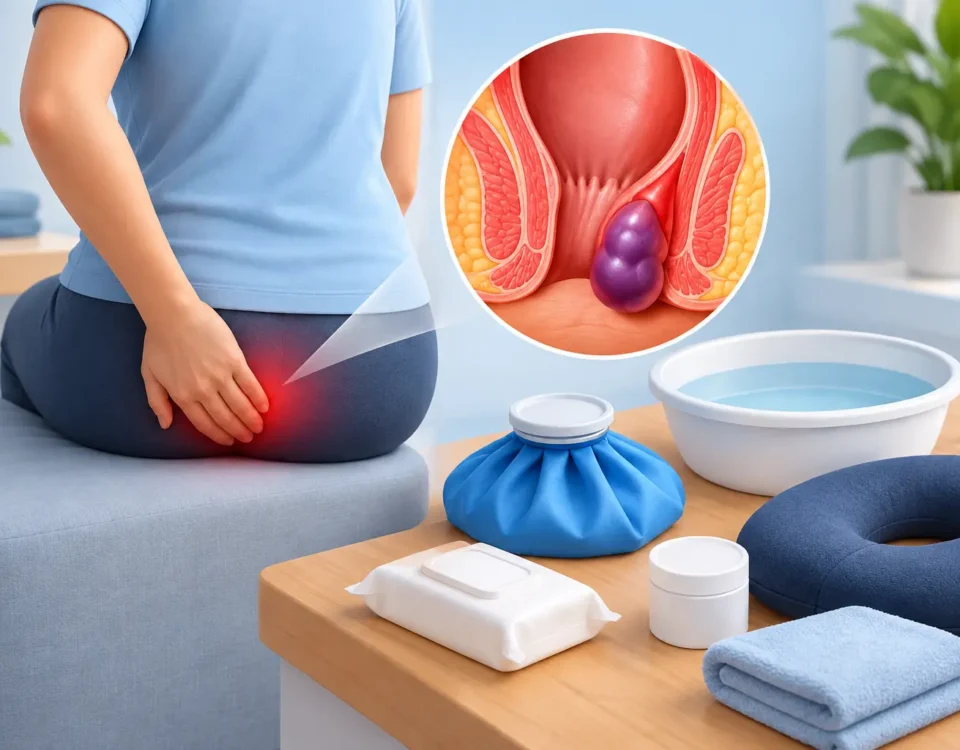
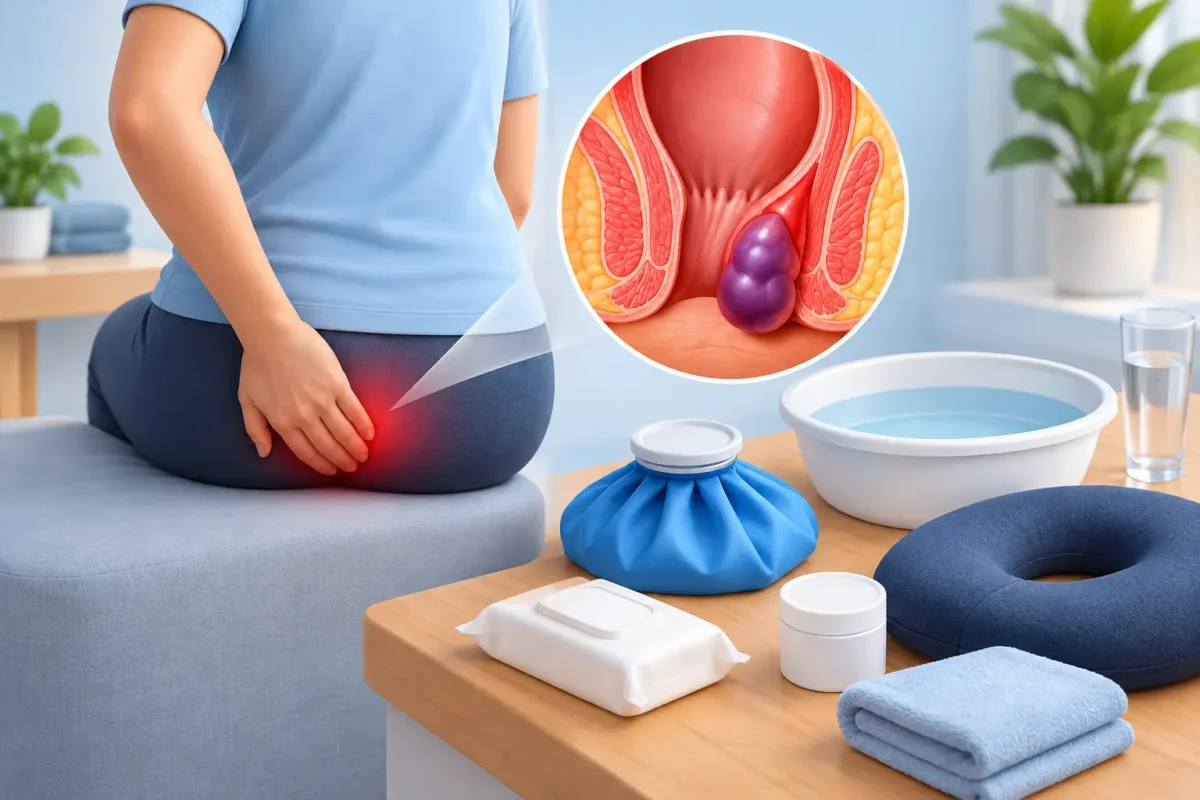
Warm sitz baths can provide short-term comfort during a flare-up. Soaking in a few inches of warm water for 10 to 15 minutes may relax the area and reduce discomfort. The water should be warm, not hot, and additives such as bubble bath or fragrances are best avoided.
Reduce Pressure During the Rest of Your Day
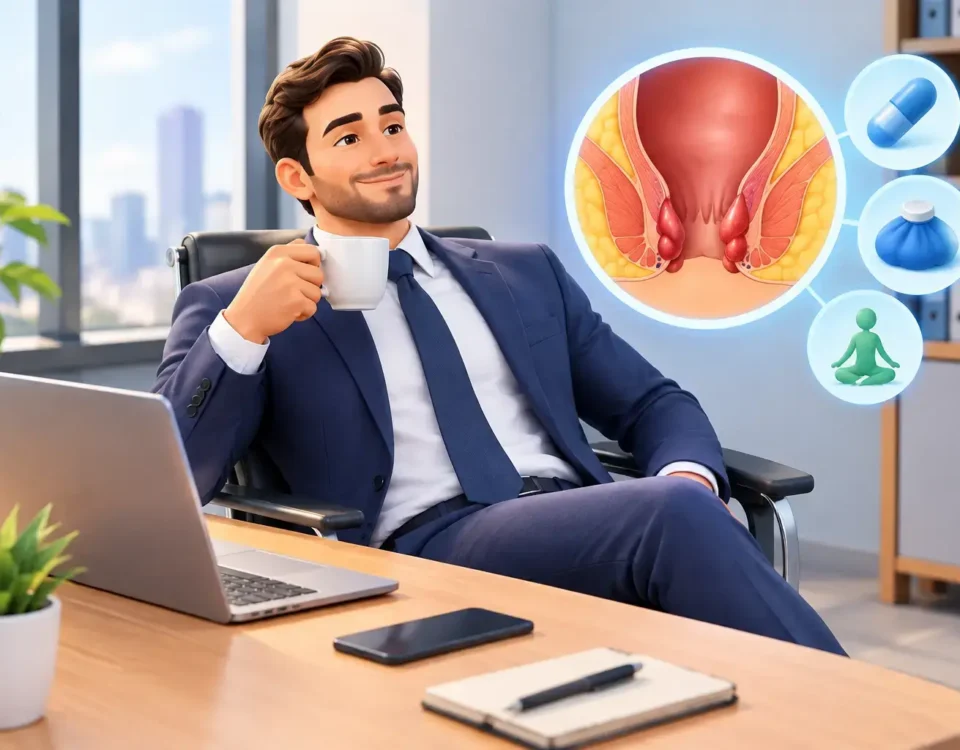
Hemorrhoid irritation is not only a bathroom issue. Long periods of sitting can increase pressure and worsen swelling, particularly for people with desk jobs, long commutes, or limited mobility. Stand, stretch, or walk for a few minutes at regular intervals. Even brief movement breaks can help interrupt sustained pressure.
Regular physical activity also supports bowel regularity. Walking, swimming, and other moderate exercise can be useful choices when symptoms are active. If a particular workout causes pain or a flare-up, scale back until symptoms settle and discuss safe modifications with your provider.
Heavy lifting can increase abdominal pressure, especially if you hold your breath during exertion. Use proper form, exhale through the effort, and avoid pushing through rectal pain or bleeding. This does not mean everyone with hemorrhoids must stop strength training. It means technique, symptom severity, and the type of hemorrhoid should guide the plan.
Clothing can make a difference as well. Breathable, nonrestrictive underwear and pants may reduce heat, moisture, and rubbing. If you sweat during exercise, change out of damp clothing promptly to limit skin irritation.
Use Over-the-Counter Products Carefully
Creams, ointments, suppositories, and pads may offer temporary relief from itching or discomfort. They do not remove the underlying cause of enlarged hemorrhoids, and frequent use can sometimes create new problems. Products containing steroids, for example, are generally intended for short-term use because prolonged use may thin or irritate the skin.
Read labels closely and avoid combining multiple products without guidance. A numbing product may briefly reduce discomfort, but it can also mask worsening symptoms. If over-the-counter treatment has not helped after about a week, or symptoms return as soon as you stop using it, it is time for a medical evaluation rather than another round of self-treatment.
Do not assume rectal bleeding is from hemorrhoids. Bright red blood can occur with hemorrhoids, but it can also be caused by anal fissures, inflammatory conditions, polyps, or other concerns that need different care.
When Prevention Is Not Enough
Lifestyle changes are valuable, but they cannot always resolve symptomatic hemorrhoids. Internal hemorrhoids may cause painless bleeding, prolapse, or a feeling of incomplete evacuation. External hemorrhoids can cause swelling, tenderness, itching, and pain. Anal fissures, which are small tears in the anal lining, can also feel similar to hemorrhoids but often cause sharp pain during or after bowel movements.
Schedule an evaluation if you have bleeding, severe pain, a new lump, symptoms that last more than a week, symptoms that repeatedly return, or changes in your usual bowel habits. Seek prompt medical attention for heavy bleeding, black or tar-like stool, dizziness, fainting, fever, or severe abdominal pain.
A specialist can identify what is actually causing the irritation and recommend treatment based on your symptoms. For many eligible patients, office-based options such as hemorrhoid banding can treat internal hemorrhoids without traditional surgery, general anesthesia, or a lengthy recovery. The right approach depends on the type and grade of hemorrhoid, your medical history, and whether another condition is involved.
A Practical Routine for Fewer Flare-Ups
The most effective approach is usually consistent, not extreme. Eat fiber-rich foods, drink enough water, move your body, go when you feel the urge, and avoid turning toilet time into sitting time. Clean gently and keep the area dry without overwashing.
If irritation continues despite these steps, do not let embarrassment delay care. Hemorrhoid symptoms are common, treatable, and often manageable with focused, non-surgical treatment. A prompt evaluation can replace trial and error with a clear plan for relief and help you get back to your normal routine sooner.