

Urgent Care Versus Hemorrhoid Specialist
November 21, 2026
How to Prevent Hemorrhoid Irritation Every Day
November 25, 2026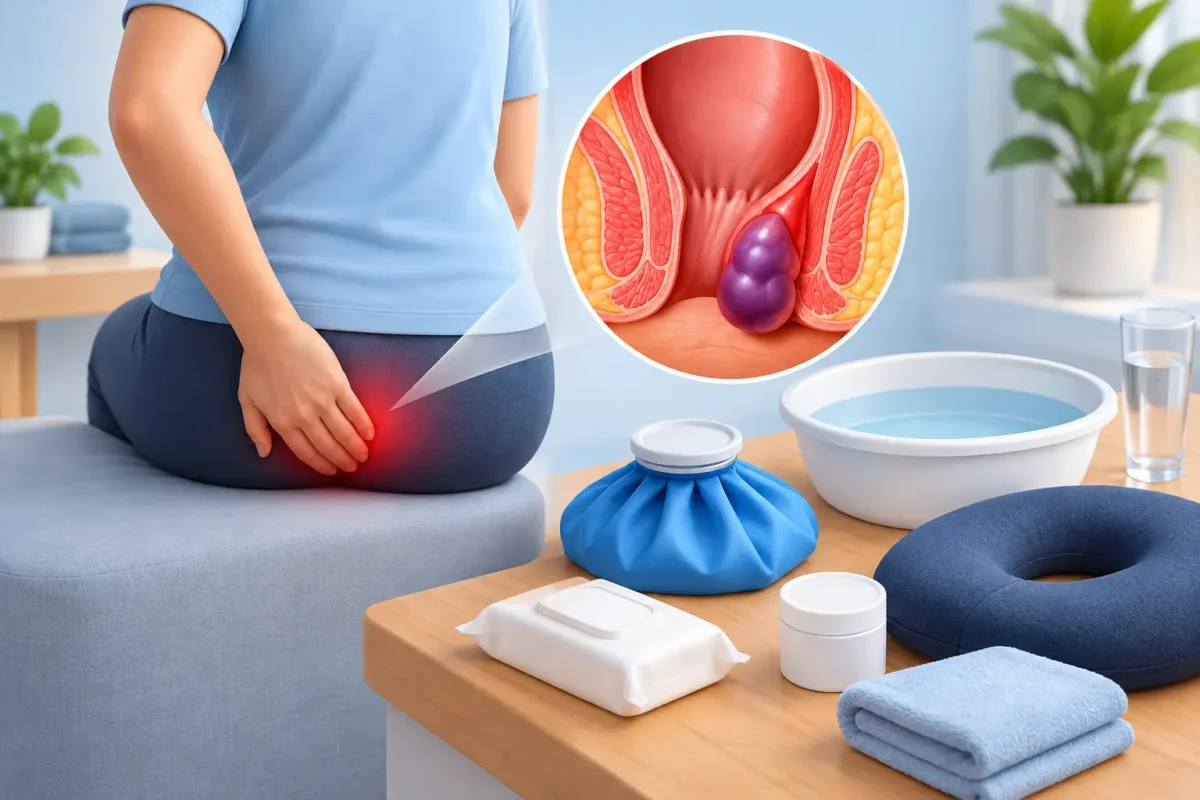
A thrombosed hemorrhoid case often begins with a symptom that is hard to ignore: sudden, intense pain and a tender lump near the anal opening. It can make sitting, walking, working, or having a bowel movement feel overwhelming. Although the word “thrombosed” sounds alarming, this condition is treatable. Prompt evaluation by a provider who treats hemorrhoids every day can clarify what is happening and help you get relief without unnecessary surgery or a long recovery.
What Is a Thrombosed Hemorrhoid?
A thrombosed hemorrhoid is usually an external hemorrhoid in which blood has collected and formed a clot. External hemorrhoids develop under the sensitive skin around the anus. When a clot forms inside one, pressure builds quickly, causing swelling, firmness, and significant pain.
The lump may look blue, purple, or dark red. It can be small or larger than expected, and symptoms may intensify over the first day or two. Some people notice minor bleeding if the skin over the hemorrhoid breaks down, but severe pain is usually the symptom that brings patients in.
This is different from the more familiar pattern of internal hemorrhoids, which often cause painless bleeding, itching, or tissue that protrudes with bowel movements. Because several conditions can cause anal pain or swelling, an examination matters. A painful lump is not something to diagnose based on internet photos or symptoms alone.
Why a Thrombosed Hemorrhoid Case Happens
A blood clot can form when pressure increases in the veins around the anus. Straining with constipation is a common trigger, but it is not the only one. Heavy lifting, prolonged sitting, diarrhea, pregnancy, recent childbirth, dehydration, and long periods on the toilet can all contribute.
Sometimes there is no obvious cause. That does not mean you did anything wrong. Hemorrhoid symptoms often reflect a combination of bowel habits, pressure, anatomy, and timing.
A thrombosed hemorrhoid can also appear after a period of mild irritation that seemed manageable. Patients may have had occasional itching or swelling for months, then develop sharp pain after a difficult bowel movement or an active day. The sudden change is a reason to seek care rather than simply continuing the same home remedies.
When to Seek Care for a Thrombosed Hemorrhoid Case
You do not need to wait until the pain becomes unbearable. A prompt evaluation is particularly helpful when symptoms began within the last 48 to 72 hours, when pain is severe, or when the lump is rapidly enlarging. During that early window, certain patients may benefit from an office-based procedure to remove the clot and reduce pressure.
Treatment decisions depend on your pain level, the size and appearance of the thrombosis, when symptoms started, your health history, and whether another condition may be involved. Not every thrombosed hemorrhoid needs a procedure. If symptoms are already improving or the clot has been present longer, conservative treatment may be the more appropriate path.
Seek urgent medical attention for heavy rectal bleeding, fainting, fever, chills, pus-like drainage, severe abdominal pain, or pain that seems out of proportion to a hemorrhoid. These symptoms can point to a different problem, such as an infection or abscess, and should not be managed at home.
What a Specialist Visit Is Like
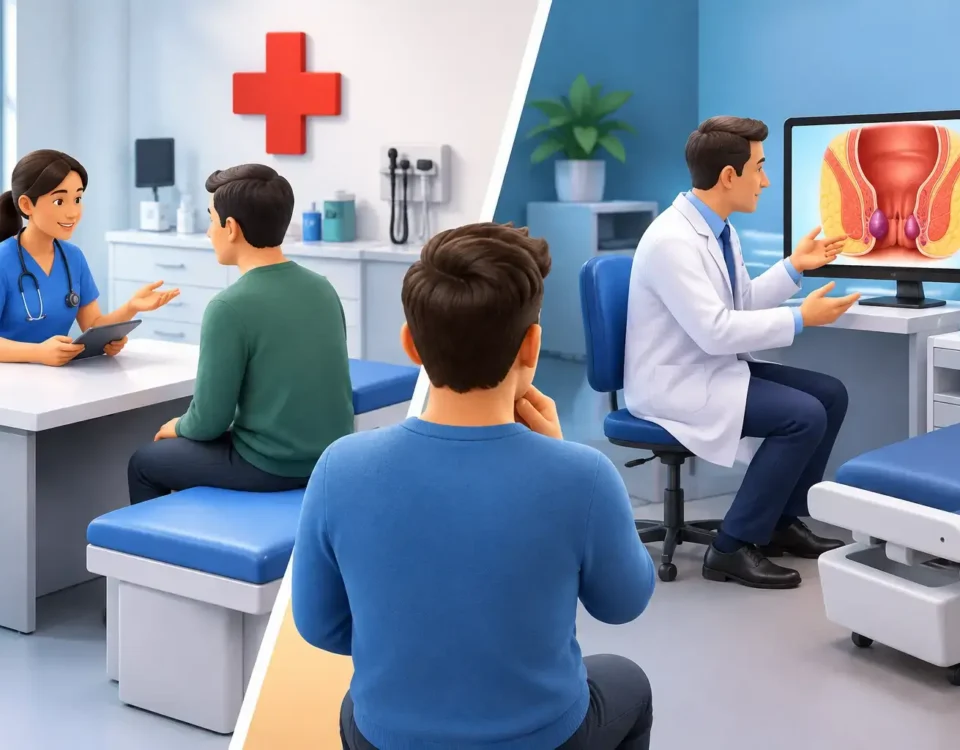
Embarrassment keeps many people from making an appointment, especially when the symptoms involve such a private area. Specialized hemorrhoid care is designed for exactly these concerns. The conversation is direct, respectful, and focused on getting you comfortable.
Your provider will ask about the onset of pain, bleeding, bowel habits, medications, prior hemorrhoid symptoms, and any recent changes in your health. A brief examination helps determine whether the issue is a thrombosed external hemorrhoid, an anal fissure, an internal hemorrhoid, a skin condition, or another cause of pain.
That distinction affects treatment. For example, hemorrhoid banding is a highly effective office treatment for appropriate internal hemorrhoids, but it is not used on a painful thrombosed external hemorrhoid. A focused specialist should explain what they see, what treatment fits your condition, and why.
Treatment Options: Relief Without a Hospital Stay
For a fresh, very painful thrombosed hemorrhoid, a clinician may recommend an in-office procedure to remove the clot. This is typically performed with local numbing medication, not general anesthesia. Removing the clot can relieve the intense pressure that is causing pain and may speed recovery for the right patient.
For others, conservative treatment is effective. The clot is gradually reabsorbed by the body, though the timeline varies. Pain often improves substantially over several days, while the lump may take longer to resolve completely. A small residual skin tag can remain after the swelling goes down.
Conservative care may include a tailored plan for pain control, warm sitz baths, stool-softening strategies, hydration, fiber adjustments, and topical medication when appropriate. The goal is to make bowel movements easier and prevent additional straining while the area heals.
Traditional hemorrhoid surgery is not the default answer for a thrombosed hemorrhoid. It may be considered in select cases, such as repeated severe episodes or extensive hemorrhoid disease that has not responded to less invasive care. For many patients, however, an office-based plan can address the immediate problem with far less disruption to work and daily life.
What to Do at Home While You Arrange Care
Until you are evaluated, keep the area clean and avoid actions that increase pressure. Soaking in warm water for 10 to 15 minutes can ease discomfort. Use plain water or gentle, unscented products rather than harsh soaps or fragranced wipes that can cause more irritation.
Try not to strain during bowel movements or sit on the toilet for extended periods. Drinking water and adding fiber gradually can help create softer, easier-to-pass stool. If constipation is a regular concern, ask a medical professional about the right stool-softening approach for you.
Avoid trying to puncture, drain, or cut the lump yourself. A thrombosed hemorrhoid is not a pimple, and attempting to drain it can cause bleeding, infection, and more pain. Over-the-counter products may provide limited short-term comfort, but they do not remove a clot or rule out another source of symptoms.
Recovery and Preventing Another Episode
Recovery depends on the severity of the thrombosis and the treatment selected. After an office procedure, many patients can return to light daily activities quickly, though your provider may recommend avoiding strenuous activity for a short time. With conservative care, pain commonly eases before the swelling fully disappears.
Prevention focuses less on perfection and more on reducing repeated strain. Keep bowel movements regular, respond when you feel the urge to go, limit prolonged toilet sitting, stay hydrated, and build fiber into your routine at a pace your body tolerates. If loose stools are your usual issue, getting that under control matters just as much as treating constipation.
Recurring anal pain, bleeding, itching, or swelling deserves a specialized evaluation, even if a prior flare improved on its own. Hemorrhoid Centers of America provides focused, office-based care for hemorrhoid symptoms, with treatment plans designed to minimize downtime and avoid unnecessary traditional surgery.
Severe anal pain is not a problem you have to quietly endure. Getting an expert assessment early can replace uncertainty with a clear plan, protect your comfort, and help you get back to normal routines sooner.