

A Guide to Chronic Fissure Treatment Options
August 1, 2026
Best Fissure Creams: What Helps and What Doesn’t
August 5, 2026
Seeing blood in the toilet or on toilet paper can be unsettling, especially when it keeps happening. Can hemorrhoids cause anemia? Yes, but it is uncommon and usually occurs only when hemorrhoids bleed repeatedly or heavily over time. Even then, rectal bleeding should never be assumed to be from hemorrhoids without an appropriate medical evaluation.
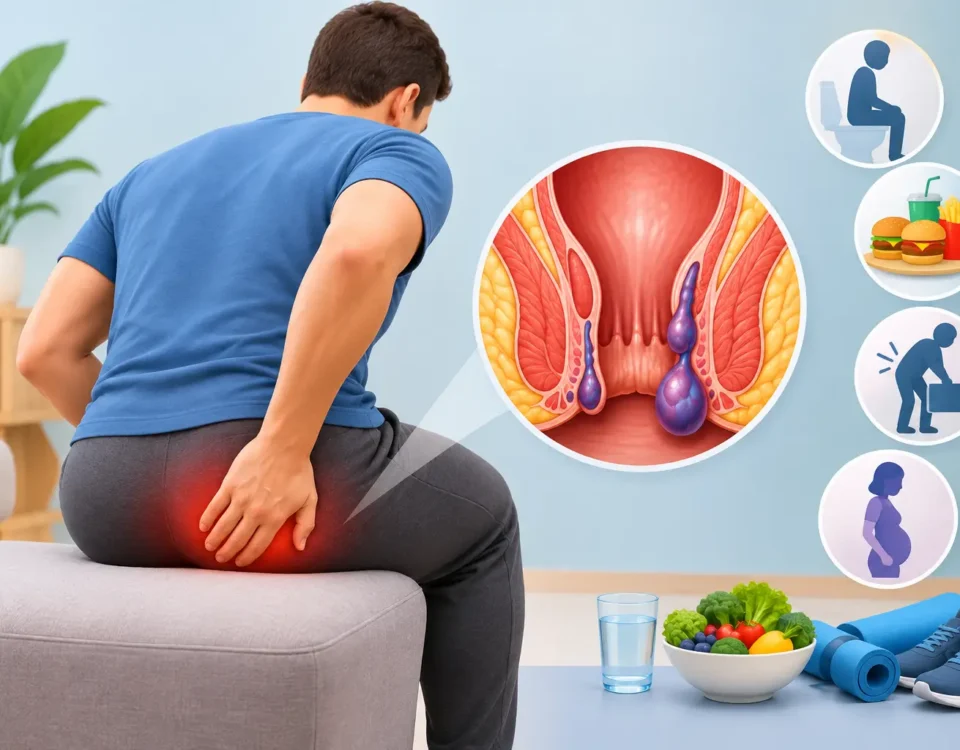
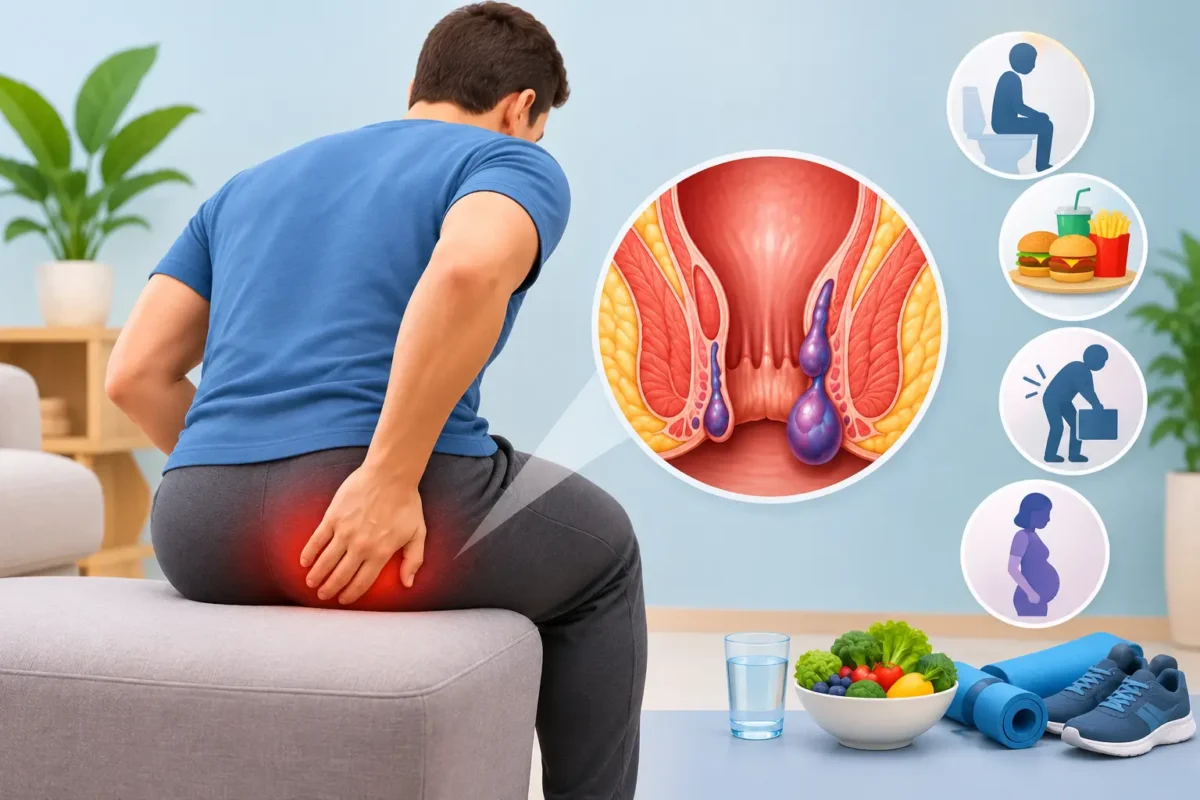
Hemorrhoids are swollen veins in and around the anus. Internal hemorrhoids may bleed bright red blood during bowel movements, often without significant pain. A small, occasional streak of blood is unlikely to cause anemia. Persistent bleeding, however, can gradually deplete the body’s iron stores and affect how you feel day to day.
Can Hemorrhoids Cause Anemia From Blood Loss?
Anemia means your blood does not have enough healthy red blood cells or hemoglobin to carry oxygen effectively. Iron-deficiency anemia is the type most relevant to ongoing bleeding. Your body needs iron to make hemoglobin, and repeated blood loss can eventually leave it without enough iron to keep up.
Hemorrhoid-related anemia tends to develop slowly. It is more likely when bleeding happens with many bowel movements over weeks or months, when blood loss is more than a light smear, or when a person already has low iron stores. People who take blood thinners or medications that affect clotting may also notice more bleeding and should discuss it promptly with their prescribing clinician and a hemorrhoid specialist.
Still, hemorrhoids are not the most common explanation for anemia in adults. Bleeding from other parts of the digestive tract, stomach ulcers, inflammatory bowel disease, polyps, colorectal cancer, heavy menstrual bleeding, nutritional deficiencies, and certain chronic medical conditions can all contribute. That is why a careful assessment matters. Treating presumed hemorrhoids without identifying the source of bleeding can delay care for a more serious condition.
Symptoms That May Point to Anemia
The amount of blood you see does not always reflect the impact of ongoing blood loss. Small amounts that recur frequently can add up. A blood test, usually a complete blood count along with iron studies, is the reliable way to determine whether anemia or low iron is present.
Symptoms that deserve attention include unusual fatigue, reduced exercise tolerance, shortness of breath with routine activity, dizziness, headaches, pale skin, a racing heartbeat, or feeling cold more often than usual. Some people also develop cravings for ice or other nonfood items when iron deficiency is significant.
If you have rectal bleeding along with these symptoms, contact a medical professional promptly. Seek urgent medical attention for heavy or nonstop bleeding, large blood clots, fainting, chest pain, severe weakness, black or tar-like stools, or severe abdominal pain. Bright red bleeding may be caused by hemorrhoids, but it is not a diagnosis on its own.
Why an Accurate Diagnosis Comes First
Hemorrhoid symptoms can overlap with anal fissures and other colorectal conditions. Anal fissures often cause sharp pain during or after a bowel movement, while internal hemorrhoids more often cause painless bright red bleeding, prolapse, itching, or a sense of fullness. External hemorrhoids can cause swelling, irritation, and pain, particularly if a clot forms.
Symptoms can provide useful clues, but they cannot replace an examination. A clinician may review your health history, medications, bowel habits, and family history, then perform an exam to identify hemorrhoids or another likely cause. Depending on your age, symptoms, risk factors, and prior screening history, additional testing may be recommended to rule out bleeding higher in the colon or digestive tract.
This approach is not meant to create unnecessary worry. It is the safest way to give you a clear answer and the right treatment plan. Many patients put off care because the subject feels embarrassing or they assume bleeding is simply part of having hemorrhoids. Specialized care is private, straightforward, and focused on helping you move past the symptoms.
When Hemorrhoid Treatment May Help
If hemorrhoids are confirmed as the source of recurrent bleeding, treating them can help stop the blood loss and reduce the risk that bleeding continues. Mild symptoms may improve with simple measures that make stools easier to pass, such as adequate fluid intake, gradual increases in dietary fiber, avoiding prolonged straining, and limiting time sitting on the toilet.
Those steps can be helpful, but they do not always resolve a hemorrhoid that continues to bleed. Over-the-counter creams and suppositories may temporarily reduce irritation, yet they generally do not correct the underlying enlarged internal hemorrhoid. If bleeding returns again and again, a more definitive office-based option may be appropriate.
Rubber band ligation, often called hemorrhoid banding, is a common nonsurgical treatment for qualifying internal hemorrhoids. During the procedure, a small band is placed around the base of the hemorrhoid to cut off its blood supply. The tissue shrinks and typically falls away over time. The procedure is performed in the office, does not require traditional surgery or general anesthesia, and many patients return to normal daily activities the same day.
Not every hemorrhoid requires banding, and not every patient is a candidate. The right plan depends on the hemorrhoid type, severity of symptoms, bleeding pattern, medical history, and use of blood-thinning medication. A focused evaluation helps determine whether medication, dietary changes, office treatment, or another approach is most likely to bring relief.
Managing Anemia While the Bleeding Is Addressed
Stopping the source of bleeding is central, but iron deficiency may also need treatment. Your clinician may recommend blood work to monitor hemoglobin and iron levels and may suggest dietary changes or an iron supplement. Do not start high-dose iron on your own without guidance. Iron can cause constipation, nausea, and darker stools, which may make hemorrhoid symptoms or bleeding concerns harder to interpret.
If anemia is more severe, symptoms are significant, or the source of bleeding is unclear, more urgent evaluation is needed. In some cases, treatment may involve prescription iron, intravenous iron, or other care based on the cause and severity. The goal is not merely to improve a lab number. It is to restore your energy while making sure the bleeding has been properly evaluated and controlled.
Do Not Wait Out Ongoing Rectal Bleeding
A single brief episode of bright red blood may be caused by a minor issue, but recurrent bleeding is a reason to schedule an evaluation. This is especially true if you are over 45, have a personal or family history of colorectal polyps or cancer, notice a persistent change in bowel habits, lose weight without trying, or have anemia symptoms.
At Hemorrhoid Centers of America, board-certified providers focus specifically on diagnosing and treating hemorrhoid and anal fissure symptoms with efficient, nonsurgical options when appropriate. The visit is designed to replace uncertainty with a clear plan, without the disruption of a hospital-based surgical pathway.
You do not have to normalize bleeding, fatigue, or the inconvenience of planning your day around hemorrhoid symptoms. Getting an accurate diagnosis can protect your health, and timely treatment can help you get back to feeling like yourself.