
Hemorrhoid Procedure Without Anesthesia
April 21, 2026
Scottsdale Hemorrhoid Banding Clinic Guide
April 25, 2026
If you are searching for a guide to same day hemorrhoid procedures, you are probably not looking for a long lesson in anatomy. You want to know one thing: can you get relief quickly without surgery, anesthesia, or days away from work and family? In many cases, the answer is yes.
For people dealing with bleeding, itching, swelling, irritation, or painful bowel movements, same-day treatment can be a practical next step when creams, wipes, and home remedies are no longer enough. The key is understanding what these procedures are designed to treat, who is a good candidate, and what the visit actually looks like.
What same day hemorrhoid procedures are designed to do
Same day hemorrhoid procedures are office-based treatments that address symptomatic hemorrhoids without sending patients to an operating room. Instead of traditional surgery, the goal is to reduce the hemorrhoid tissue causing symptoms and help the area heal with less disruption to your routine.
That matters because not every hemorrhoid problem needs a surgical approach. Many patients have internal hemorrhoids that bleed, protrude, or create pressure and irritation but can still be treated effectively in an office setting. When the condition fits that pattern, a same-day procedure may provide faster relief with far less downtime than people expect.
This is also where specialized care makes a difference. Hemorrhoids and anal fissures can cause overlapping symptoms, and treatment works best when the diagnosis is precise. Bleeding is not always from hemorrhoids, and pain is not always from the same source. A proper exam helps make sure the right problem is being treated.
A guide to same day hemorrhoid procedures and who qualifies
The best candidates are often adults with persistent symptoms that interfere with daily life but do not require hospital-based surgery. That includes people with internal hemorrhoids causing bleeding, swelling, prolapse, or discomfort during bowel movements.
A same-day office procedure may be appropriate if you have tried over-the-counter products without lasting improvement, if symptoms keep returning, or if you are arranging your schedule around bathroom discomfort. Many patients wait months or even years because they assume treatment will be painful or complicated. In reality, office-based care is often much more straightforward.
That said, it depends on the type and severity of the hemorrhoid. External hemorrhoids, thrombosed hemorrhoids, large prolapsing hemorrhoids, or symptoms caused by another anorectal condition may need a different plan. Some patients benefit most from procedural treatment, while others need a medication protocol, dietary changes, fissure treatment, or a combination approach.
This is one reason a quick internet diagnosis can only take you so far. The symptom may be obvious to you, but the best treatment path still depends on the exam.
What happens at the appointment
Most same-day visits start with a consultation and focused exam. Your provider will ask about bleeding, bowel habits, pain, itching, swelling, constipation, and how long symptoms have been present. They will also want to know what you have already tried and whether symptoms are getting worse.
After the evaluation, the provider determines whether you are a candidate for an office procedure that day. If you are, treatment is often completed during the same visit. This is a major reason patients choose specialty hemorrhoid care. It reduces delays and can move you from uncertainty to treatment in a single appointment.
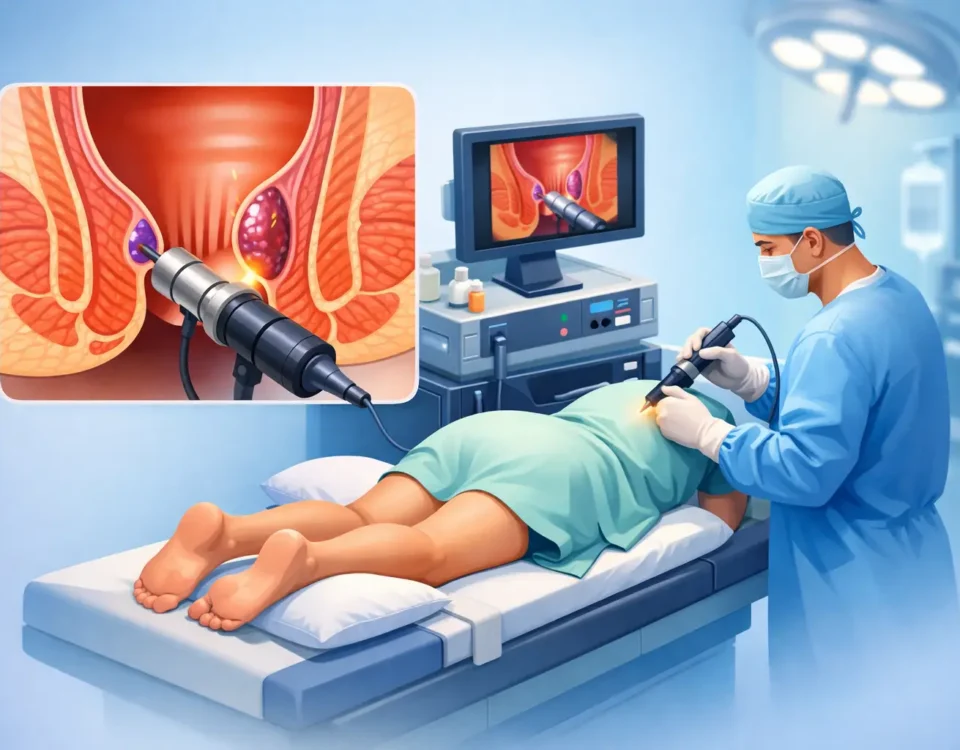
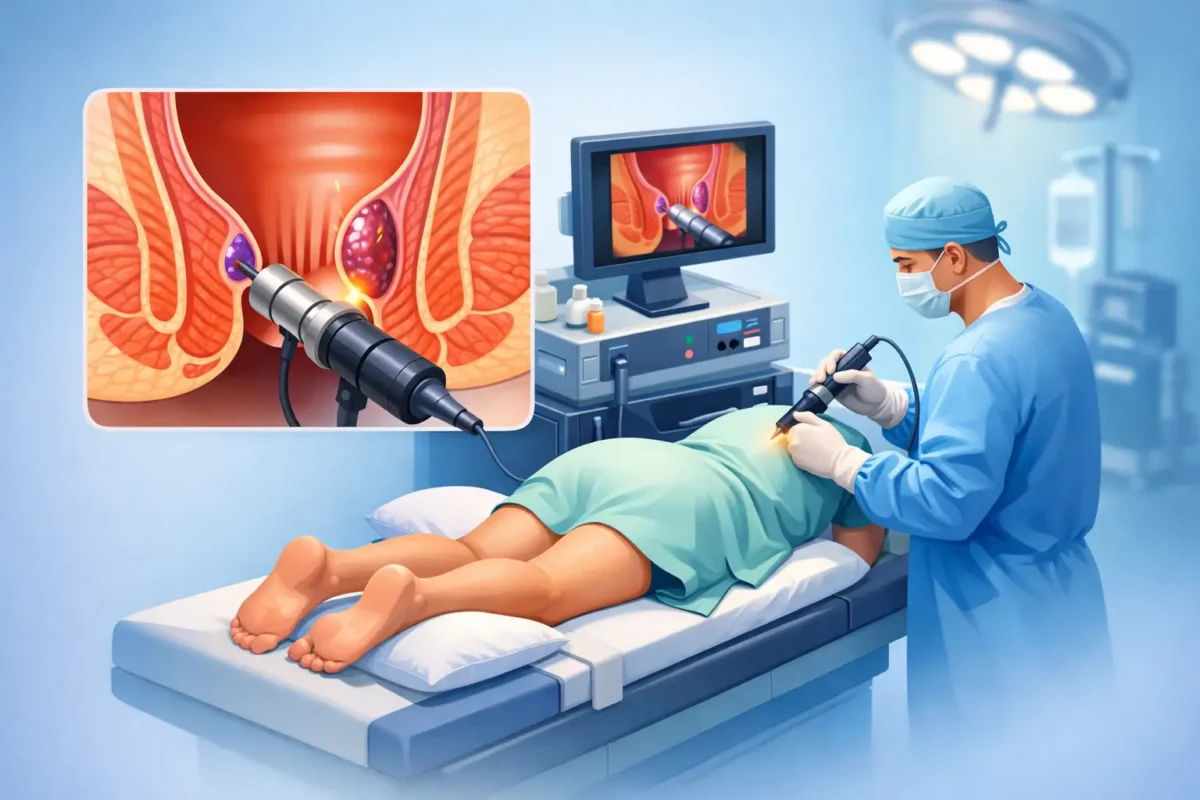
The exact procedure depends on your diagnosis, but one of the most common non-surgical options for internal hemorrhoids is hemorrhoid banding. In simple terms, a small band is placed at the base of the internal hemorrhoid to cut off its blood supply. The tissue then shrinks and resolves over time.
Because internal hemorrhoids are treated above the pain-sensitive area, many patients tolerate banding well without anesthesia. That does not mean you will feel nothing. Some people notice pressure, fullness, or an urge to have a bowel movement afterward. But compared with traditional surgery, discomfort is usually far more manageable.
How long the procedure takes and what it feels like
Most office procedures are brief. The exam and treatment can often be done within a standard office visit, which is one reason same-day care appeals to busy adults.
Patients usually want a clear answer about pain. The honest version is this: most people describe these procedures as uncomfortable rather than sharply painful. You may feel pressure during treatment and mild soreness afterward. Some people go back to work the same day. Others prefer to take the rest of the day a little easier, especially if they have a physically demanding job or a long commute.
There is no single recovery experience for everyone. Pain tolerance varies. The severity of the hemorrhoid matters. So does whether you also have constipation, straining, or an anal fissure contributing to symptoms. A good provider will set realistic expectations instead of promising a completely sensation-free experience.
Recovery after same day hemorrhoid procedures
One reason patients seek out same-day treatment is recovery. In most cases, you can return to normal non-strenuous activity quickly. That is a meaningful advantage over traditional surgical hemorrhoidectomy, which can involve more pain and a longer recovery period.
Even with a minimally invasive approach, aftercare still matters. Bowel habits can either support healing or aggravate the area. Patients are typically advised to avoid straining, stay hydrated, keep stools soft, and follow any medication or topical treatment instructions closely.
You may notice mild pressure, a feeling of fullness, or light spotting after treatment. For many patients, that is temporary. What you should not do is assume every symptom is normal forever. Worsening pain, heavy bleeding, fever, or trouble urinating should be reported promptly.
The timeline for improvement can vary. Some patients feel better quickly, especially if bleeding has been the main issue. Others improve more gradually as tissue shrinks and inflammation settles down. If hemorrhoids are more advanced, more than one treatment session may be necessary. That is not a failure of care. It is often simply the right way to treat the condition effectively while still avoiding surgery.
Why people choose office-based care instead of surgery
For the right patient, the benefits are practical and immediate. Office-based treatment avoids general anesthesia, does not require a hospital setting, and usually means less interruption to your schedule. For patients who have put off care because they cannot afford a long recovery, that difference matters.
There is also the issue of overtreatment. Not every hemorrhoid needs to be cut out. In a specialty setting focused on non-surgical care, the treatment plan is built around relieving symptoms with the least invasive effective option first.
That does not mean surgery is never appropriate. There are situations where it is necessary, especially for severe or complex cases. But many people assume surgery is the only definitive solution when that is simply not true.
Questions to ask before scheduling
If you are comparing providers, ask whether the practice focuses specifically on hemorrhoids and fissures, whether office-based procedures are performed on site, and whether treatment is typically available the same day as the consultation. You can also ask who performs the procedure and what recovery usually looks like for patients with symptoms like yours.
This is not just about convenience. It is about getting a diagnosis from a provider who sees these conditions every day and can separate hemorrhoids from other causes of rectal pain or bleeding.
At Hemorrhoid Centers of America, that specialized approach is central to care. The goal is not to send every patient toward surgery. It is to identify the source of symptoms and deliver effective, non-surgical treatment whenever appropriate.
When to seek care sooner rather than later
Rectal bleeding should not be ignored, even if you suspect hemorrhoids. Ongoing bleeding, worsening pain, a new lump, drainage, or symptoms that keep returning deserve a medical evaluation. Waiting too long can mean more discomfort, more anxiety, and sometimes a more complicated treatment plan.
There is also a quality-of-life issue that patients often minimize. If you are planning your day around pain, carrying creams everywhere, or dreading every bowel movement, the condition is already affecting more than your physical comfort. Prompt treatment is not only about symptom control. It is about getting back to normal life without constant distraction.
The right next step is usually simpler than people fear. A same-day evaluation can tell you whether your symptoms are from hemorrhoids, whether office treatment makes sense, and what kind of relief you can realistically expect. If you have been putting this off out of embarrassment or concern about surgery, it may help to know that focused, non-surgical care is specifically designed for patients in that exact position.