

Why Anal Itching Happens and How to Get Relief
October 6, 2026
Can Fissures Recur After Healing? What to Know
October 10, 2026
A full day at a desk, behind the wheel, or on the couch can leave the rectal area sore, itchy, or swollen. Hemorrhoids from sitting too long are a common concern, especially when symptoms appear after long workdays or travel. Sitting is not always the sole cause, but prolonged pressure can aggravate hemorrhoids that are already present and make discomfort harder to ignore.
The good news is that many people can reduce irritation with practical changes and prompt care. If symptoms keep returning, worsen, or include rectal bleeding, a focused evaluation can identify the cause and provide relief without automatically leading to surgery.
Can Sitting Too Long Cause Hemorrhoids?
Hemorrhoids are swollen veins in and around the anus and lower rectum. They can develop internally, where they may cause painless bleeding, or externally, where swelling, itching, tenderness, and pain are more common.
Long periods of sitting can increase pressure on the veins in this area. That pressure may worsen swelling and make existing hemorrhoids more symptomatic. It can also contribute to a cycle that is especially familiar to office workers and frequent drivers: discomfort makes you less likely to move, and less movement can make the discomfort linger.
Still, it depends on the whole picture. Sitting alone does not explain every case. Hemorrhoids are more likely when prolonged sitting occurs alongside constipation, straining during bowel movements, pregnancy, heavy lifting, chronic diarrhea, obesity, aging, or a family tendency toward vein problems. Spending extended time sitting on the toilet can also place unnecessary pressure on the area.
Why Prolonged Sitting Can Make Symptoms Worse
Pressure and reduced movement
When you sit for hours without changing position, the tissues around the rectum remain under pressure. This may increase congestion in hemorrhoidal veins and contribute to fullness, aching, or swelling. A firm chair, a long commute, or a work schedule that discourages breaks can all make symptoms more noticeable.
Movement helps more than many people realize. Regular walking and position changes support circulation and can reduce the pressure that builds during a sedentary day. This does not mean you need an intense workout to help your hemorrhoids. Short, consistent movement breaks are often more realistic and more useful than waiting for one long exercise session.
Constipation and straining
A sedentary routine can also affect bowel habits. Some people become constipated when they are less active, do not drink enough water, or delay going to the bathroom because they are busy. Hard stools and straining are major contributors to hemorrhoid irritation.
The goal is not to force a bowel movement or sit longer waiting for one. Respond when you feel the urge, avoid pushing, and give yourself enough time to go without rushing. If you regularly strain or have hard stools, addressing that pattern is one of the most effective ways to prevent recurring symptoms.
Time on the toilet
Phones have made it easy to turn a bathroom visit into a 20-minute break. Unfortunately, sitting on the toilet for extended periods can worsen hemorrhoidal pressure. Try to keep toilet time brief and focused. If a bowel movement does not happen without straining, get up and try again later rather than continuing to push.
Symptoms That Deserve Attention
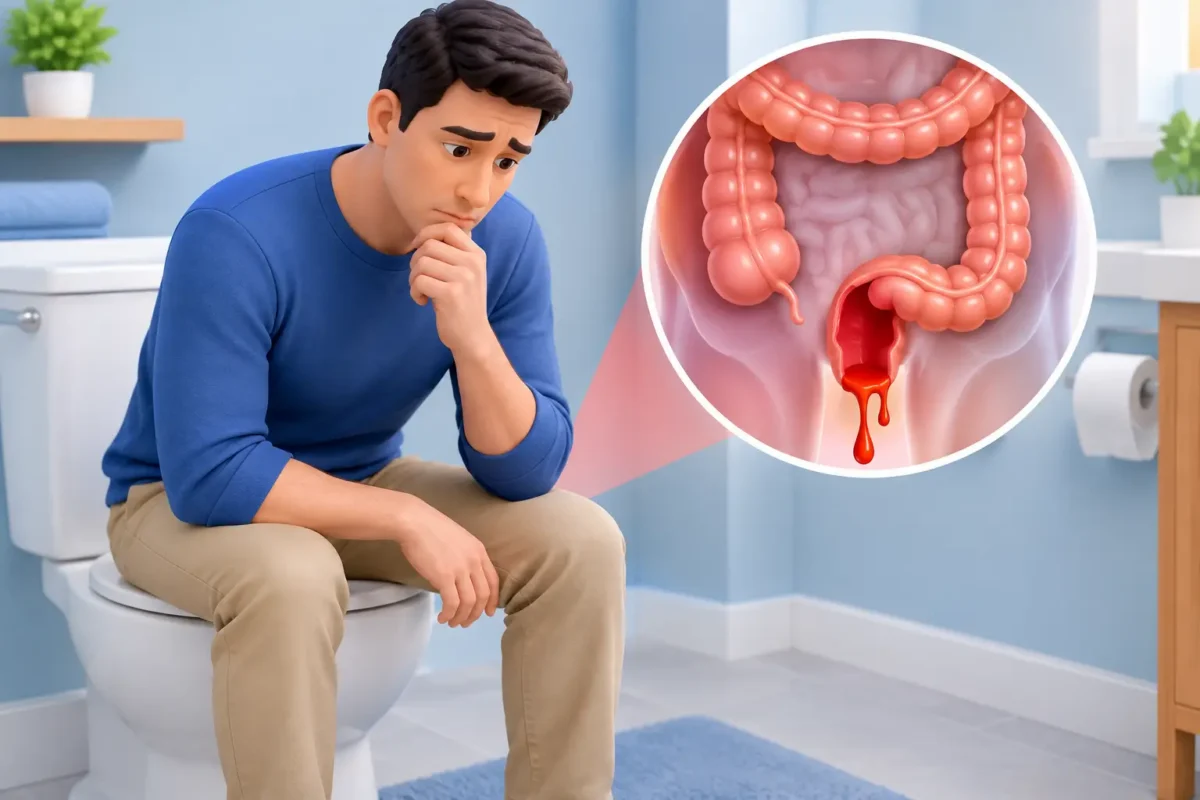
Hemorrhoid symptoms vary depending on the type and severity. You may notice itching, burning, swelling, a tender lump near the anus, discomfort while sitting, mucus, or bright red blood on toilet paper or in the bowl. Internal hemorrhoids may bleed without causing much pain, while a thrombosed external hemorrhoid can cause sudden, significant pain and a firm lump.
It is tempting to assume every symptom is a hemorrhoid, particularly if you have had them before. But rectal bleeding and anal pain can have other causes, including anal fissures, inflammatory conditions, polyps, or more serious disease. A fissure is a small tear in the anal lining that often causes sharp pain during or after a bowel movement. It needs a different treatment approach than a hemorrhoid.
Seek prompt medical evaluation for heavy bleeding, dizziness, black or tarry stool, fever, worsening severe pain, drainage, or a new change in bowel habits. These symptoms should not be managed by self-diagnosis.
What to Do if Sitting Is Aggravating Hemorrhoids
Start by changing the parts of your routine that add pressure and straining. Stand up at least once an hour if your work allows it. A brief walk to refill water, take a call, or stretch can be enough to interrupt prolonged sitting. On road trips, plan reasonable stops so you can walk for a few minutes.
At your desk, aim for a comfortable, supportive chair and avoid staying in one position all day. Some people find temporary relief by shifting positions or using a soft cushion, though a cushion will not treat the underlying hemorrhoid. Avoid donut-shaped cushions unless a clinician recommends one, because they can sometimes concentrate pressure around the anal area rather than relieve it.
Bowel habits matter just as much as sitting habits. Drink adequate fluids, gradually add fiber-rich foods such as fruits, vegetables, beans, and whole grains, and consider a fiber supplement if your clinician recommends it. A sudden large increase in fiber may cause gas or bloating, so gradual changes are usually easier to maintain.
For mild irritation, warm baths, gentle cleansing with water, and short-term over-the-counter treatments may provide comfort. Avoid harsh soaps, aggressive wiping, and products that cause burning or a rash. Over-the-counter creams and suppositories can be useful for temporary symptom control, but they may not resolve a persistent hemorrhoid. Long-term use of certain products, especially topical steroids, should be discussed with a medical professional.
When Home Care Is Not Enough
If symptoms have lasted more than a few days, return frequently, interfere with sitting or working, or include bleeding, it is reasonable to schedule an evaluation. You do not need to wait until symptoms become unbearable. Earlier treatment can prevent weeks or months of managing discomfort around your schedule.
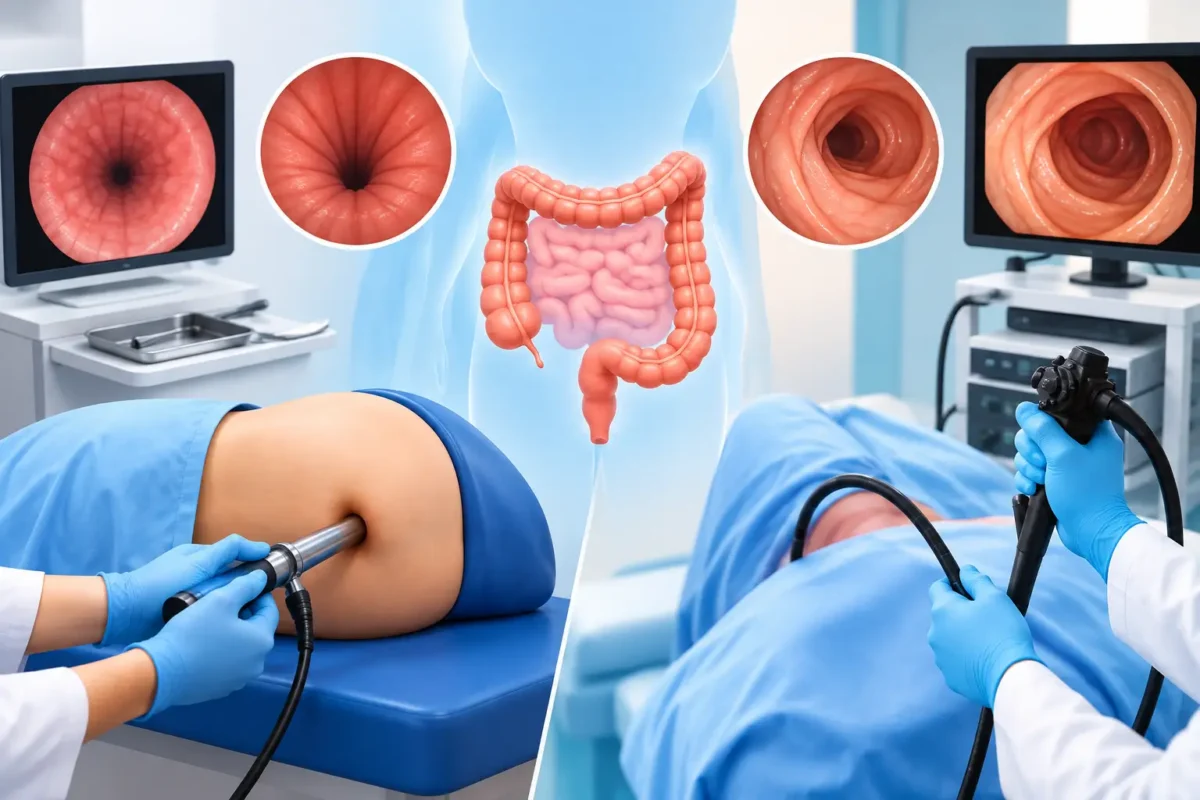
An exam also clarifies what you are treating. Hemorrhoids, anal fissures, skin irritation, and other anorectal conditions can feel similar, but the most effective treatment differs. A specialized provider can determine whether the hemorrhoid is internal or external, whether an anal fissure is involved, and whether office-based treatment is appropriate.
Non-Surgical Relief for Persistent Hemorrhoids
For many internal hemorrhoids, office-based hemorrhoid banding can be an effective non-surgical option. During banding, a small band is placed around the base of an internal hemorrhoid to cut off its blood supply. The treated tissue shrinks over time. The procedure is typically performed in an office setting and does not require traditional surgery or general anesthesia.
Not every hemorrhoid should be treated with banding. External hemorrhoids, thrombosed hemorrhoids, fissures, and more advanced conditions may require a different plan. That is why an accurate diagnosis comes first. Depending on your symptoms, care may include targeted medication, bowel-habit support, office procedures, or referral for additional evaluation when needed.
Hemorrhoid Centers of America focuses on diagnosing and treating hemorrhoids and anal fissures with non-surgical approaches designed to minimize downtime. For patients who have put off care because they are worried about surgery or time away from work, a specialized office-based evaluation can be a practical next step.
You should not have to organize your workday, commute, or social plans around pain, itching, or bleeding. If sitting has made symptoms hard to manage, getting a clear diagnosis can replace guesswork with a treatment plan that helps you get comfortable moving through your day again.