
Guide to Anal Fissure Recovery
May 11, 2026
A Guide to Prolapsed Hemorrhoid Care
May 15, 2026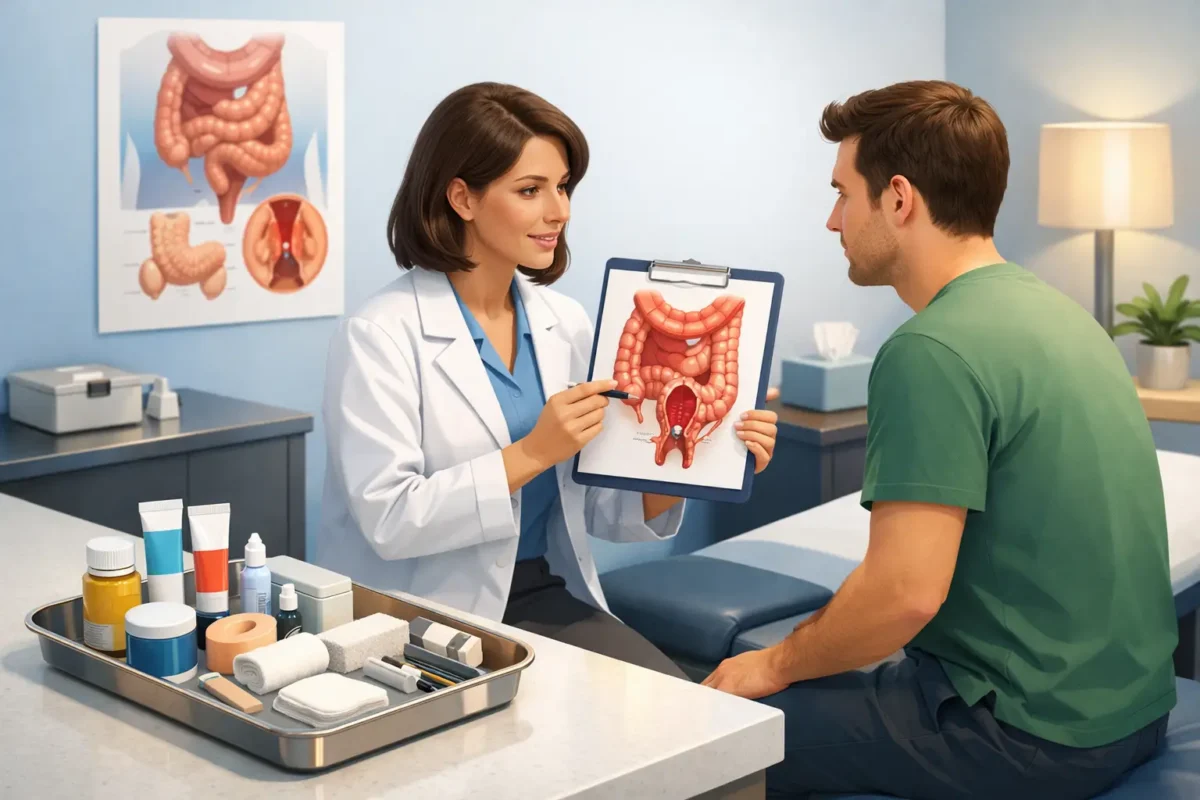
If you are searching for how to shrink prolapsing hemorrhoids, you are probably dealing with more than mild irritation. Prolapsing hemorrhoids can swell, bulge outside the anus, bleed, itch, and make sitting or using the bathroom feel like a daily problem. The good news is that many cases can improve, and when home care is not enough, effective non-surgical treatment is available.
Prolapsing hemorrhoids are internal hemorrhoids that have pushed downward and begun to protrude through the anal opening. Sometimes they go back in on their own. Sometimes they need to be gently pushed back. In more advanced cases, they stay outside and continue to swell. That progression matters because the best way to reduce them depends on how severe the prolapse is, how often it happens, and whether bleeding or significant pain is part of the picture.
How to shrink prolapsing hemorrhoids at home
The first goal is simple: reduce pressure, reduce irritation, and reduce swelling. Hemorrhoids enlarge when the veins in the lower rectum and anus are under repeated strain. Constipation, prolonged sitting, hard stools, pregnancy, heavy lifting, and frequent straining are common triggers. If those causes continue, the tissue stays irritated and the prolapse tends to recur.
For many patients, the fastest home-based relief starts with improving bowel movements. Softer, easier stools mean less force pushing against swollen hemorrhoidal tissue. Drinking more water, increasing fiber gradually, and using a stool softener when appropriate can make a real difference. Fiber works best when it is consistent, not occasional. If you add too much too quickly, you may feel bloated, so a gradual increase is usually easier to tolerate.
Warm sitz baths can also help shrink irritated tissue by relaxing the area and easing muscle spasm. They will not cure a prolapsing hemorrhoid, but they often reduce discomfort and make swelling more manageable. Ten to fifteen minutes in warm water a few times a day, especially after bowel movements, is a common and reasonable approach.
Cold compresses can be helpful when swelling is more prominent. This is especially true after a bowel movement or a long period of sitting. A wrapped ice pack used briefly can calm inflammation, although too much cold or direct ice on the skin can irritate the area.
Over-the-counter creams, wipes, and suppositories may provide temporary symptom relief, especially for itching and burning. They can be useful for short-term control, but they do not remove the underlying prolapsing tissue. That distinction is important. Many patients keep rotating through products for weeks or months, only to find that the hemorrhoid continues to protrude because the structural problem has not been addressed.
When gentle reduction helps
If the hemorrhoid prolapses during a bowel movement and remains outside, gently pushing it back in may reduce swelling and discomfort. This should only be done with clean hands, light pressure, and patience. Forcing it can worsen irritation. Some people find it easiest after a warm bath, when the tissue is less tense.
That said, not every prolapsing hemorrhoid should be manually reduced. If the area is severely painful, firm, discolored, or suddenly much more swollen, something more than routine prolapse may be happening. Those situations deserve prompt medical evaluation rather than more home attempts.
What makes prolapsing hemorrhoids worse
A common reason symptoms linger is that everyday habits keep feeding the problem. Straining is one of the biggest factors. So is sitting on the toilet for long stretches, even if you are not actively having a bowel movement. The longer you sit there, the more pressure builds in the hemorrhoidal veins.
Heavy lifting can also aggravate prolapse, particularly when it involves bracing and bearing down. If your work or exercise routine includes this kind of strain, technique and timing matter. You may not need to stop all activity, but avoiding forceful straining while symptoms are active can help the tissue settle down.
Chronic diarrhea can be just as irritating as constipation. Frequent wiping, repeated bowel movements, and ongoing inflammation can all keep hemorrhoids enlarged. That is why treatment is not only about shrinking the tissue itself. It is also about correcting the pattern that keeps inflaming it.
How to shrink prolapsing hemorrhoids when home care is not enough
If a hemorrhoid keeps prolapsing, bleeds often, or does not improve with home treatment, office-based care is often the next step. This is where many patients get stuck because they assume the only option is surgery. In reality, many prolapsing internal hemorrhoids can be treated effectively without traditional surgery, anesthesia, or a long recovery.
One of the most common non-surgical options is hemorrhoid banding. In this procedure, a specialist places a small band around the internal hemorrhoid tissue. That cuts off blood flow to the targeted area, and over time the hemorrhoid shrinks and resolves. For the right type of prolapsing hemorrhoid, banding is often highly effective and can be performed in an office setting.
This approach tends to be a good fit for internal hemorrhoids that bleed or prolapse but are not best treated with creams alone. It is not the answer to every anorectal problem, and external hemorrhoids or other conditions may require a different plan. That is one reason an accurate diagnosis matters. Not every lump, bleed, or painful flare is actually a prolapsing hemorrhoid.
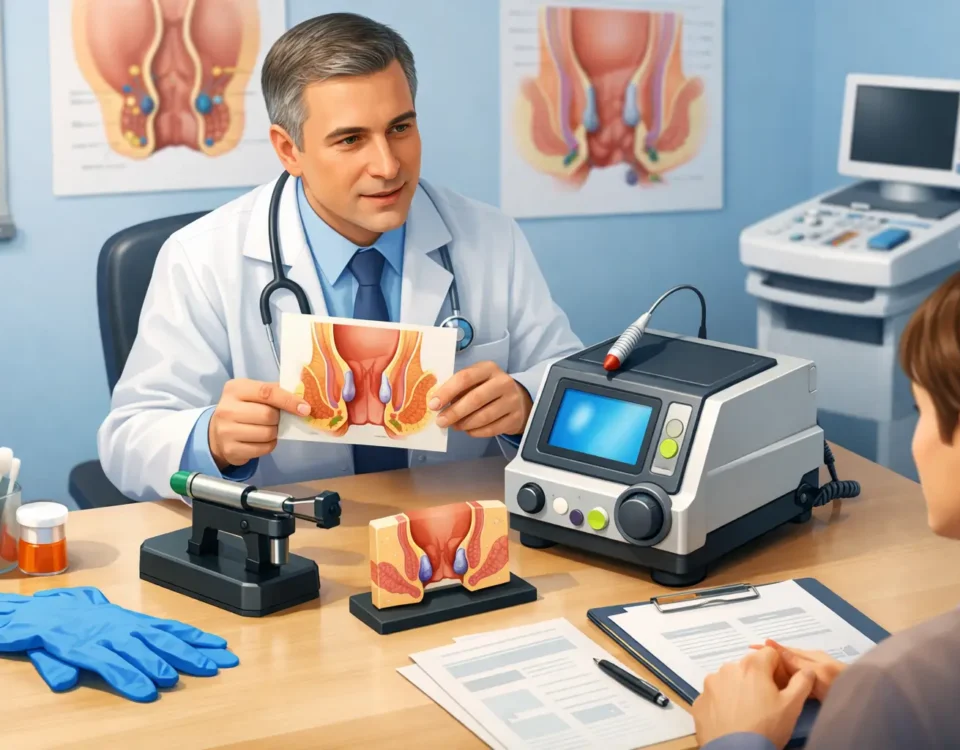
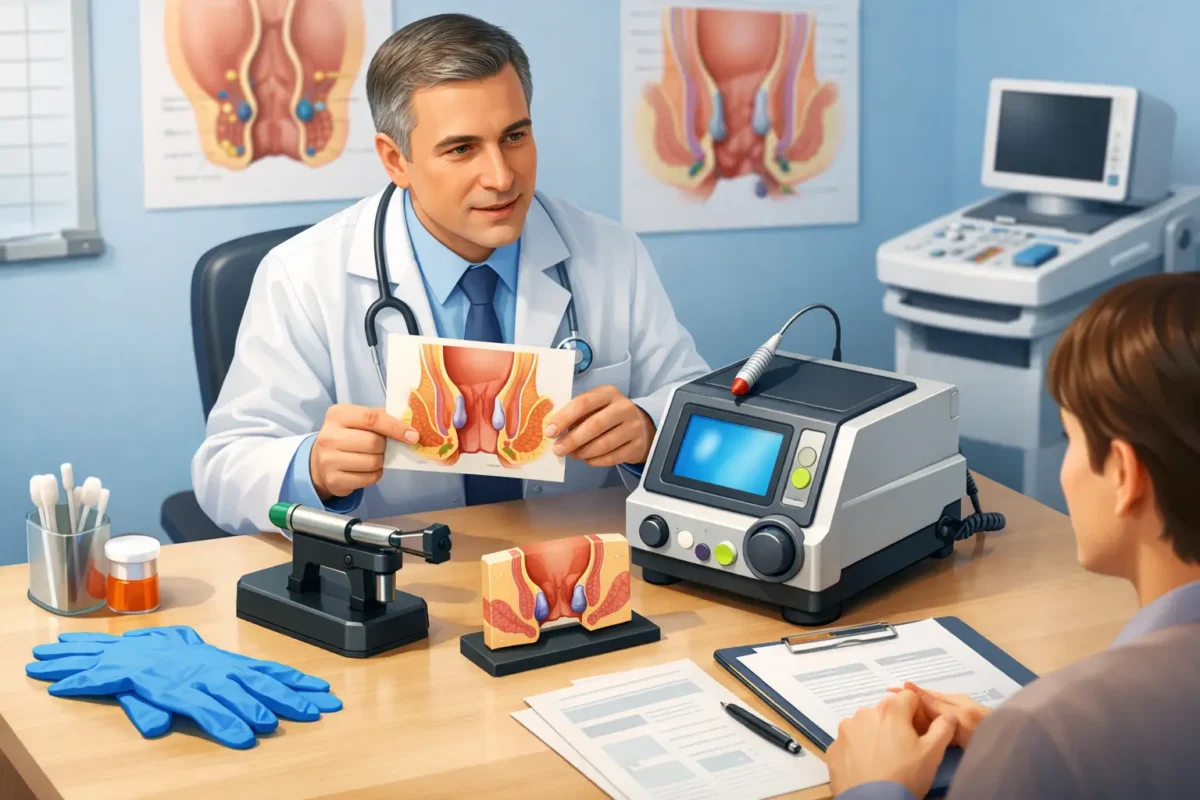
At a specialized practice such as Hemorrhoid Centers of America, evaluation is focused on identifying exactly which hemorrhoids are causing symptoms and whether non-surgical treatment is likely to provide meaningful relief. That focused approach matters when patients want a fast, practical solution and do not want to spend weeks guessing.
Signs you should stop self-treating
There is a point where continuing home remedies becomes more frustrating than helpful. If you have recurrent prolapse, regular bleeding, persistent pain, or symptoms that interfere with work, sleep, exercise, or travel, it is reasonable to be evaluated. The same is true if you have already tried fiber, hydration, topical products, and behavior changes without lasting improvement.
Bleeding should never be dismissed automatically as hemorrhoids, especially if it is new, heavy, or accompanied by changes in bowel habits. Rectal bleeding has multiple possible causes. A specialist can determine whether hemorrhoids are actually the source.
Pain is another important signal. Internal hemorrhoids often cause pressure, bleeding, and prolapse, but severe pain can suggest thrombosis, strangulation, fissure, or another issue entirely. If pain is intense or sudden, prompt care is the safer choice.
What to expect from treatment
Patients often worry that hemorrhoid treatment will be painful, embarrassing, or require significant downtime. That fear keeps many people waiting longer than they should. In practice, non-surgical hemorrhoid treatment is designed to be efficient and targeted. When the problem is correctly identified, treatment can often be completed in the office, and many patients return to normal activity quickly.
The right treatment plan depends on the size and grade of the hemorrhoid, whether it is internal or external, how much prolapse is occurring, and what symptoms matter most to you. Someone with occasional minor prolapse and little bleeding may start with conservative management. Someone with repeated prolapse and ongoing bleeding may be a better candidate for a procedure-based solution sooner rather than later.
That is the trade-off to keep in mind. Home care can calm mild or early symptoms, but it does not always solve prolapsing tissue that has become structurally enlarged. Waiting too long can mean more discomfort, more frustration, and more disruption to daily life.
The practical next step
If you want to know how to shrink prolapsing hemorrhoids, start by reducing strain, softening stools, and calming inflammation. Those steps are worthwhile and often helpful. But if the hemorrhoid keeps coming back out, keeps bleeding, or never really improves, the problem may need more than temporary symptom control.
You do not have to accept prolapse, pain, and bleeding as something to work around. The right evaluation can clarify what is happening and whether a non-surgical treatment can shrink the hemorrhoid more effectively than home remedies alone. Relief is often more straightforward than patients expect, and getting answers early can spare you a lot of unnecessary discomfort.