

Hemorrhoid Treatment That Fits Real Life
July 26, 2026
Hemorrhoid Specialist Benefits for Faster Relief
July 30, 2026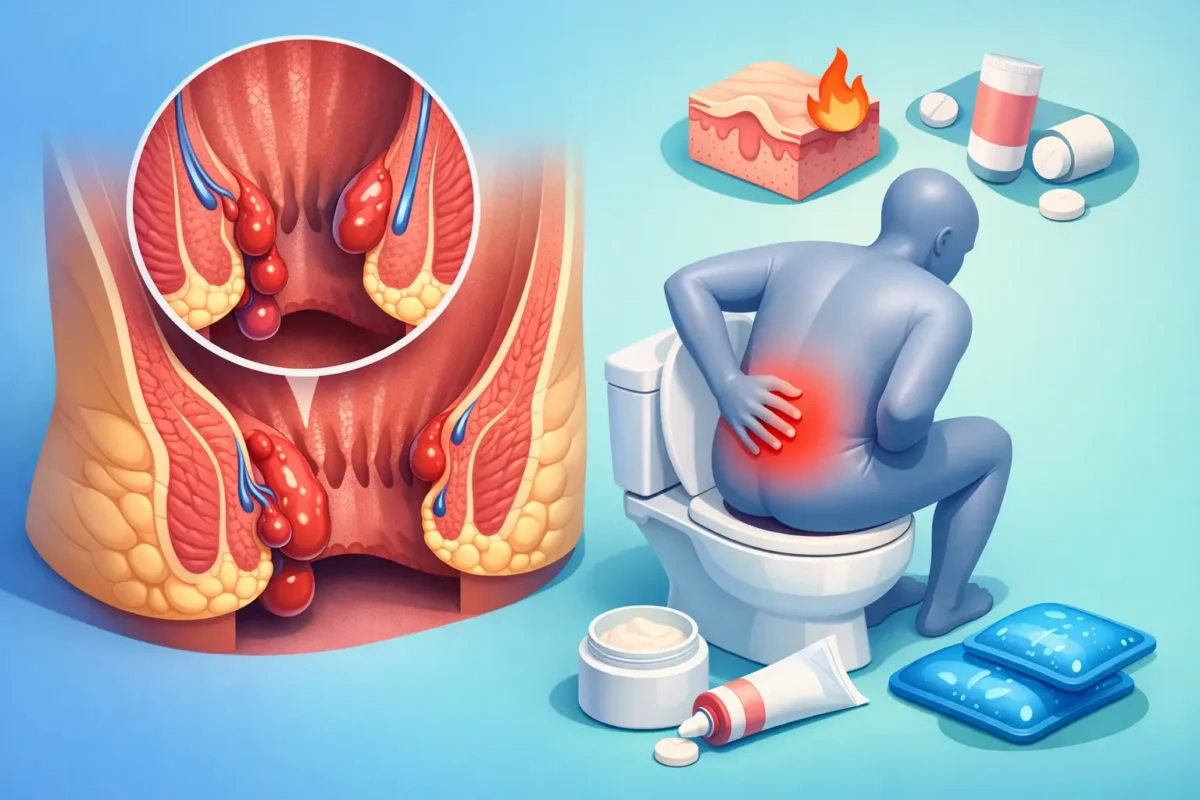
That persistent itch can be more disruptive than pain. It can make sitting through a meeting, sleeping comfortably, exercising, or simply getting through the day feel difficult. If you are asking, “why do hemorrhoids itch so much,” the short answer is that swollen hemorrhoid tissue can irritate the highly sensitive skin around the anus. Moisture, mucus, bowel habits, and repeated wiping often make the problem worse.
Hemorrhoid itching is common, but it is not something you have to quietly tolerate. Understanding what is irritating the area can help you choose the right short-term measures and recognize when it is time for specialized treatment.
Why do hemorrhoids itch so much?
Hemorrhoids are swollen veins in and around the rectum and anus. Internal hemorrhoids form inside the rectum, while external hemorrhoids form under the skin around the anal opening. Either type may contribute to itching, although the reason is not always the same.
The skin around the anus has many nerve endings and is easily irritated. When hemorrhoids swell, they can alter the normal fit and function of the anal tissue. A small amount of mucus, stool residue, or moisture may remain on the skin after a bowel movement. That moisture can trigger itching and a burning, raw sensation.
Internal hemorrhoids that prolapse, meaning they bulge outside the anal opening during or after a bowel movement, are especially likely to cause irritation. The exposed tissue can produce mucus and make cleaning more difficult. External hemorrhoids may itch because swelling stretches the surrounding skin or because the area becomes inflamed from friction.
Scratching can create a frustrating cycle. It may briefly relieve the urge to itch, but it can damage the delicate skin, increase inflammation, and make the itch return more intensely.
Common reasons hemorrhoid itching gets worse
Hemorrhoids may be the source of the problem, but daily habits often amplify the irritation. Loose stools and frequent bowel movements can leave the skin damp and inflamed. Constipation can be just as troublesome because straining and hard stools aggravate swollen hemorrhoid tissue.
Aggressive cleaning is another common issue. Dry toilet paper, repeated wiping, scented wipes, fragranced soaps, and harsh cleansing products can strip or irritate the skin. Even products marketed as gentle may contain ingredients that cause contact irritation in a sensitive area.
Heat and sweat also matter. Long periods of sitting, tight clothing, strenuous workouts, and warm weather can trap moisture around the anus. If hemorrhoids are already swollen, that extra friction and dampness can make itching more noticeable.
Some people develop an itch after using topical products for too long. Over-the-counter hemorrhoid creams can provide temporary symptom relief, but they do not treat every cause of anal itching. Products containing steroids should generally not be used continuously for extended periods unless a clinician directs you to do so, because they may thin sensitive skin over time.
Itching is not always caused by hemorrhoids
Itching can overlap with hemorrhoid symptoms, but it does not confirm a hemorrhoid diagnosis. Anal fissures, skin irritation, fungal infections, eczema, diarrhea, pinworms, and certain digestive conditions can also cause itching. Bleeding, pain, or a lump should not automatically be assumed to be hemorrhoids either.
That distinction matters because the treatment depends on the cause. A focused evaluation can identify whether hemorrhoids are driving the symptoms and whether another condition needs attention. This is particularly important if symptoms are new, severe, persistent, or changing.
What can help relieve hemorrhoid itching at home?
The goal is to reduce inflammation while protecting the skin from moisture and friction. Start by making bowel movements easier. Drinking adequate fluids and adding fiber gradually can help create softer, more regular stools. If fiber causes bloating, increase it slowly rather than making a sudden change.
After a bowel movement, clean gently with water or an unscented, alcohol-free wipe, then pat dry instead of rubbing. A brief warm sitz bath may soothe the area, especially after a bowel movement. Avoid hot water, prolonged soaking, and heavily scented bath products, which can worsen irritation for some people.
Keeping the area dry is equally useful. Breathable cotton underwear and loose-fitting clothing can reduce sweat and friction. If moisture is a recurring problem, a clinician may recommend a protective barrier product to shield the skin.
It is also wise to avoid straining or spending long periods on the toilet. Scrolling on a phone may seem harmless, but prolonged sitting on the toilet can increase pressure on hemorrhoidal veins. Go when you feel the urge, do not force a bowel movement, and give your body time to respond to dietary changes.
Temporary over-the-counter options may help some people, particularly when symptoms are mild and recent. However, itching that continues despite careful self-care deserves a professional assessment. Repeatedly trying creams without knowing what is causing the irritation can delay more effective relief.
When itching signals you should seek care
Schedule an evaluation if itching lasts more than a week or two, keeps returning, interferes with daily activities, or occurs with bleeding, pain, swelling, drainage, or a change in bowel habits. Seek prompt medical care for heavy rectal bleeding, dizziness, fainting, black stools, fever, severe pain, or a rapidly worsening lump.
You should also be evaluated if you are over 45 and develop rectal bleeding for the first time, or if you have a personal or family history of colorectal cancer, inflammatory bowel disease, or unexplained weight loss. Hemorrhoids are common, but they should not be used as a catch-all explanation for every anorectal symptom.
A specialist can often determine the source of symptoms with an office-based examination. For patients with symptomatic internal hemorrhoids, treatment may involve a non-surgical procedure such as hemorrhoid banding. Banding works by placing a small band around the hemorrhoid to cut off its blood supply, allowing the tissue to shrink over time. It is typically performed in the office, does not require traditional surgery or general anesthesia, and many patients return to normal activity the same day.
The right treatment depends on the type, size, and location of the hemorrhoid, as well as whether another condition is present. Some patients improve with medication protocols and bowel-habit changes; others benefit from an office procedure that addresses the underlying hemorrhoid rather than only calming the itch.
Relief starts with treating the source
Itching can feel like a minor symptom, but persistent irritation often affects sleep, concentration, confidence, and quality of life. There is no need to let embarrassment keep you stuck in a cycle of creams, scratching, and temporary relief.
A specialized hemorrhoid evaluation can provide clarity and a treatment plan designed around your symptoms and schedule. When the underlying cause is addressed, the goal is not merely to cover up the itch, but to help you get back to feeling comfortable in your everyday life.