

Why Do Hemorrhoids Itch So Much? Causes and Relief
July 28, 2026
A Guide to Chronic Fissure Treatment Options
August 1, 2026
A painful bowel movement, blood on the toilet paper, or persistent itching can make a normal workday feel much longer. The most meaningful hemorrhoid specialist benefits begin with getting clear answers quickly, then receiving care designed for this specific problem rather than trying another round of temporary home remedies.
Many people wait because they feel embarrassed, assume the symptoms will pass, or worry that treatment automatically means surgery. A focused hemorrhoid evaluation can replace that uncertainty with a practical plan. For many patients, effective office-based treatment is available without anesthesia, a hospital stay, or a lengthy recovery.
Why a Specialist Can Make a Difference
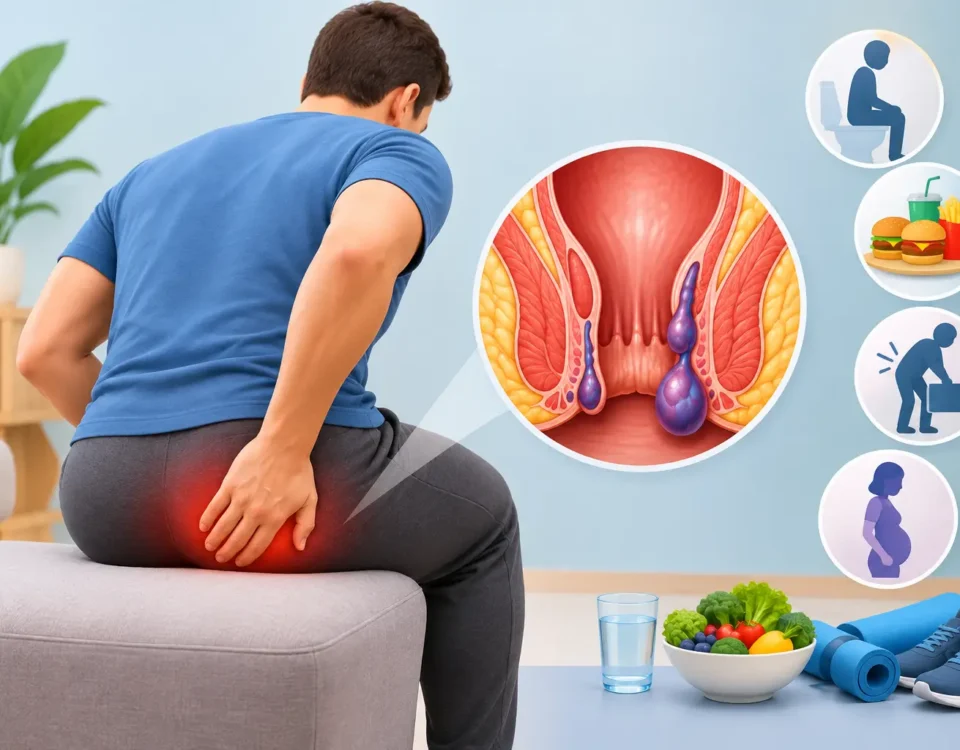
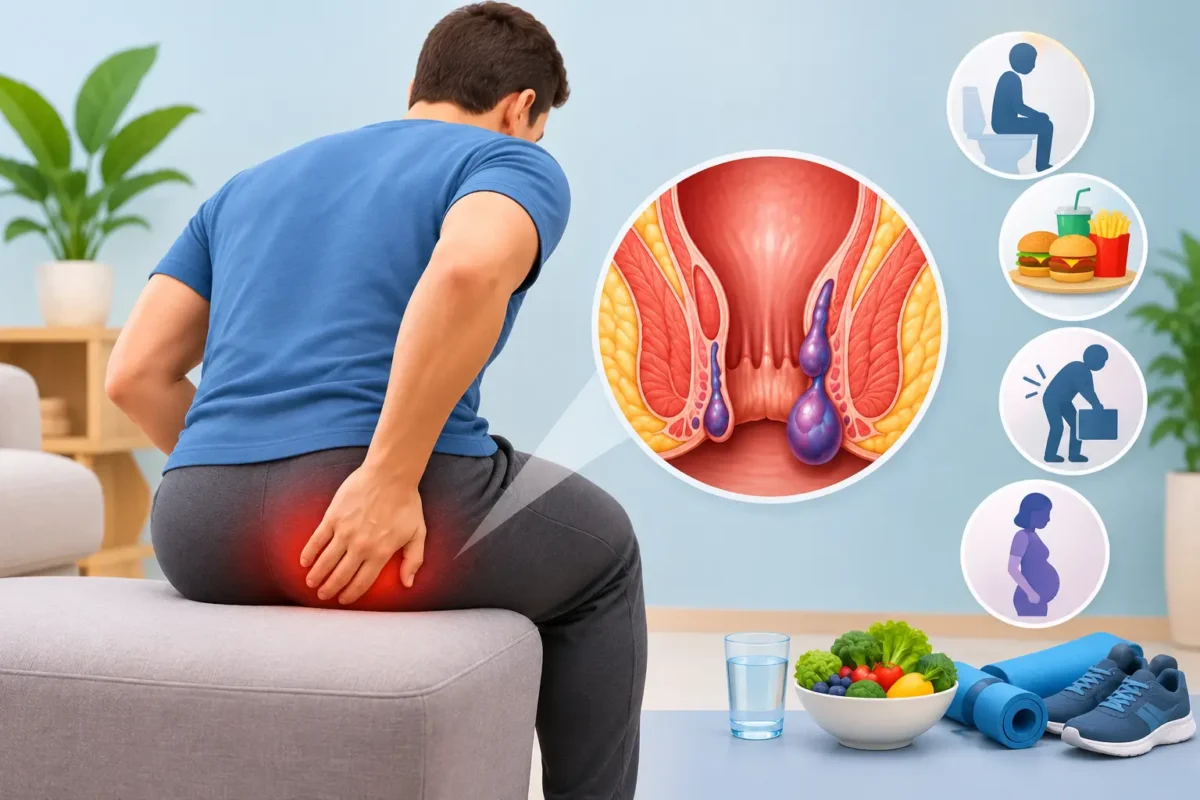
Hemorrhoids are common, but the symptoms are not always simple. Internal hemorrhoids may cause painless bleeding or a feeling of fullness. External hemorrhoids can cause swelling, tenderness, itching, or pain. Anal fissures, which are small tears in the lining of the anal canal, may create sharp pain during and after bowel movements and can be mistaken for hemorrhoids.
A provider who treats these conditions every day is equipped to distinguish among them. That matters because the treatment for bleeding internal hemorrhoids is not necessarily the right treatment for an anal fissure, skin irritation, infection, inflammatory bowel disease, or another cause of rectal bleeding.
Specialized care also means the visit is centered on the concerns patients usually have first: What is causing this? How uncomfortable will treatment be? Can I return to work? Is surgery necessary? Those questions deserve direct answers, not vague reassurance.
Hemorrhoid Specialist Benefits Patients Notice
A more precise diagnosis
The first benefit is knowing what you are actually treating. Over-the-counter creams, wipes, and suppositories may reduce irritation for a short time, but they do not confirm the source of bleeding or pain. They also may not help when symptoms are caused by a fissure or a hemorrhoid that requires a procedure.
A specialist performs a targeted evaluation and considers your symptoms, medical history, and exam findings together. If bleeding is present, it should not automatically be assumed to be from hemorrhoids. A careful assessment helps determine whether further evaluation is appropriate and prevents a common condition from masking a more serious one.
Treatment that is not built around surgery
Traditional hemorrhoid surgery has a role for certain severe or complex cases. It can be appropriate when hemorrhoids are very large, prolapsing, thrombosed, or have not responded to less invasive treatment. But surgery is not the starting point for every patient.
For eligible internal hemorrhoids, office-based banding can be a highly effective non-surgical option. During banding, a small band is placed at the base of the hemorrhoid to reduce its blood supply. The treated tissue shrinks over time. Because internal hemorrhoids are located above the area with pain-sensitive nerve endings, many patients experience pressure or mild discomfort rather than surgical-level pain.
The right approach depends on the type, grade, and location of the hemorrhoid, as well as your symptoms and health history. The value of a specialist is not simply offering one procedure. It is matching the least invasive effective treatment to the problem in front of you.
Less disruption to daily life
Patients often delay care because they cannot step away from family, work, travel, or caregiving responsibilities for weeks of recovery. A major advantage of office-based, minimally invasive treatment is that it is designed around a shorter interruption.
Many patients can return to normal daily activity the same day after hemorrhoid banding, with instructions to avoid heavy lifting or strenuous exercise for a period recommended by their provider. Recovery is still individual. Some people have mild pressure, urgency, or temporary changes in bowel habits, and multiple treatment visits may be needed depending on the number and severity of hemorrhoids.
That is very different from assuming a procedure means being off your feet for an extended time. A focused clinic can explain what is realistic before treatment, so you can plan with confidence.
Care for the symptoms that affect everyday comfort
Hemorrhoid symptoms are not limited to bleeding. Persistent itching can interrupt sleep. Swelling can make sitting uncomfortable. Pain can lead people to avoid bowel movements, which may worsen constipation and create a difficult cycle.
A specialist looks beyond the visible symptom to address contributing factors. This may include guidance on stool consistency, hydration, fiber intake, time spent on the toilet, straining, and medications that can affect bowel habits. When an anal fissure is present, a custom medication protocol may help relax the affected muscle and support healing without surgery.
This combination of procedural care and practical prevention is important. Treating an existing hemorrhoid can bring relief, but reducing repeated straining and constipation can help protect your results over time.
A discreet, efficient care experience
There is no need to minimize how personal these symptoms feel. For many adults, discussing anal pain, itching, or rectal bleeding is uncomfortable even with a trusted physician. A specialty setting is built for these conversations. The staff and providers deal with these concerns routinely and can speak about them directly, respectfully, and without judgment.
Efficiency matters, too. When a practice focuses specifically on hemorrhoids and anal fissures, the patient journey can be more direct: evaluation, diagnosis, treatment recommendation, and, when appropriate, office-based intervention. Rather than being passed through a broad surgical pathway, patients can receive care from board-certified providers whose work is concentrated in this area.
At Hemorrhoid Centers of America, this focused model is intended to help patients get effective non-surgical treatment without turning a common problem into a major life disruption.
When Home Care Is No Longer Enough
Simple measures can help mild symptoms. Drinking enough water, increasing dietary fiber gradually, avoiding straining, and taking warm sitz baths may reduce irritation. Short-term use of appropriate over-the-counter products may also offer relief for some patients.
However, it is time to schedule an evaluation when symptoms keep returning, bleeding continues, pain is significant, a lump develops, or home care has not made a meaningful difference. Recurrent symptoms are especially worth addressing because they can signal an issue that needs more than symptom control.
Seek prompt medical attention for heavy bleeding, dizziness, fainting, black or tar-like stools, fever, severe worsening pain, or an inability to pass stool or urine. These symptoms may not be caused by routine hemorrhoids and should be evaluated without delay.
What to Expect at a Specialty Visit
The visit begins with a conversation about your symptoms, how long they have been present, your bowel habits, previous treatments, and relevant medical history. Your provider may perform a focused examination to identify the source of the problem. While the thought of an exam can feel uncomfortable, it is usually brief and gives the provider the information needed to recommend appropriate care.
If hemorrhoid banding is right for you, your provider will explain the process, expected sensations, activity guidance, and follow-up plan. If banding is not the best option, you should understand why and what alternative treatment is recommended. Clear expectations are part of good care, particularly for a condition that has already caused stress or embarrassment.
A specialist should also tell you what treatment cannot guarantee. Hemorrhoids can recur, especially if constipation, prolonged sitting, heavy straining, pregnancy, or other contributing factors continue. Even so, timely treatment and a prevention plan can make a significant difference in comfort and quality of life.
You do not need to keep arranging your day around pain, bleeding, or the nearest bathroom. A focused evaluation can clarify the cause, identify whether non-surgical treatment is appropriate, and give you a realistic path back to feeling comfortable in your daily routine.