
Best Non Surgical Hemorrhoid Treatments
March 30, 2026
Is Hemorrhoid Banding Painful?
April 3, 2026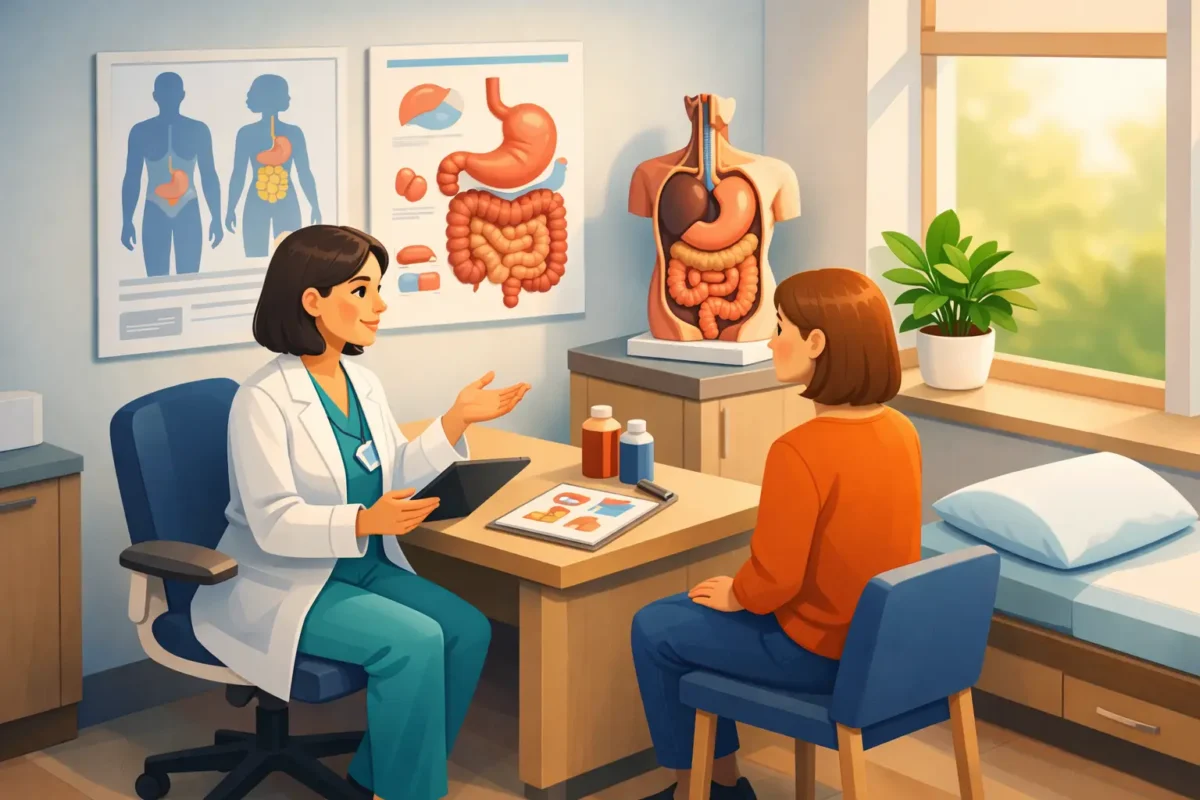
That sharp, tearing pain during a bowel movement is hard to ignore. If you are searching for how to treat anal fissures, you are probably looking for relief that works quickly and does not turn into a long, disruptive medical process.
An anal fissure is a small tear in the lining of the anus, but the symptoms can feel anything but small. Many people notice pain during or after bowel movements, bright red blood on toilet paper, a burning sensation, or ongoing spasm that makes the area feel tight and irritated. The good news is that many fissures improve with the right treatment plan, and when they do not, effective non-surgical care is available.
What helps anal fissures heal
The main goal of treatment is simple: reduce trauma, relax the muscle, and give the tear a chance to heal. That sounds straightforward, but fissures can become stubborn because pain leads to muscle spasm, and spasm reduces blood flow. Less blood flow means slower healing, which leads to more pain the next time you have a bowel movement.
That cycle is why treatment usually focuses on more than one thing at a time. A stool-softening strategy alone may help a mild fissure. A more painful or longer-lasting fissure often needs prescription medication and a more targeted approach.
How to treat anal fissures at home
For a new fissure, home treatment is often the first step. The most important change is making bowel movements easier to pass. If stool is hard, large, or difficult to pass, the tear is more likely to reopen every day.
Hydration matters more than many patients realize. Drinking enough water throughout the day helps keep stool softer, especially if you are also increasing fiber. Fiber can be useful, but it depends on how you use it. For some people, gradual fiber intake improves stool consistency. For others, adding too much too fast causes bloating and discomfort. The goal is not simply more fiber. The goal is soft, formed stool that passes without straining.
A gentle stool softener may also help, particularly if constipation has been part of the problem. Many patients do better when they stop pushing, stop lingering on the toilet, and respond to the urge to go without delay. Repeated straining and long bathroom sitting can keep the fissure irritated.
Warm sitz baths are another common part of fissure care. Sitting in warm water for 10 to 15 minutes a few times a day, especially after bowel movements, can ease muscle spasm and reduce discomfort. This does not close the tear on its own, but it can make healing conditions more favorable.
Pain control should be gentle. Harsh wiping, fragranced products, and aggressive cleaning usually make symptoms worse. Soft toilet paper, water rinsing, or unscented wipes used carefully can reduce additional irritation.
When medication is part of how to treat anal fissures
If symptoms are significant or the fissure is not healing, medication is often the next step. This is where it helps to see a specialist rather than relying on trial and error.
Prescription topical medications are commonly used to relax the internal anal sphincter, which can improve blood flow and reduce spasm. That matters because the internal sphincter is often one of the main reasons a fissure stays painful and refuses to heal. In practice, patients want to know two things: will it help, and how long will it take?
The answer depends on whether the fissure is acute or chronic. A newer fissure may improve relatively quickly with the right medication and bowel management plan. A chronic fissure, especially one that has been present for weeks or months, may take longer and may not fully respond to cream alone.
Topical medications can be effective, but they are not perfect. Some patients experience headaches or local irritation depending on the medication used. Others apply treatment consistently and still have pain because the fissure has become too established. That does not mean you are out of options. It means the treatment plan may need to move beyond home care.
Why some fissures keep coming back
Recurrent fissures are common, especially when the underlying trigger is still present. Constipation is one of the biggest factors, but it is not the only one. Diarrhea, repeated irritation, childbirth, pelvic floor dysfunction, and high sphincter tone can all contribute.
This is also where self-diagnosis becomes tricky. Not every case of rectal pain and bleeding is a fissure. Hemorrhoids, inflammation, skin irritation, and other anorectal conditions can overlap. Some patients treat themselves for hemorrhoids for weeks when the real issue is a fissure. Others assume they have a fissure when a different condition needs attention.
A focused exam can usually clarify what is going on and help avoid losing more time on treatments that do not match the problem.
Non-surgical treatment for persistent fissures
Many patients worry that if home care does not work, surgery is the only next step. That is not always the case. Specialized anorectal practices often use non-surgical treatment pathways designed to relieve pain and promote healing without the disruption of traditional surgery.
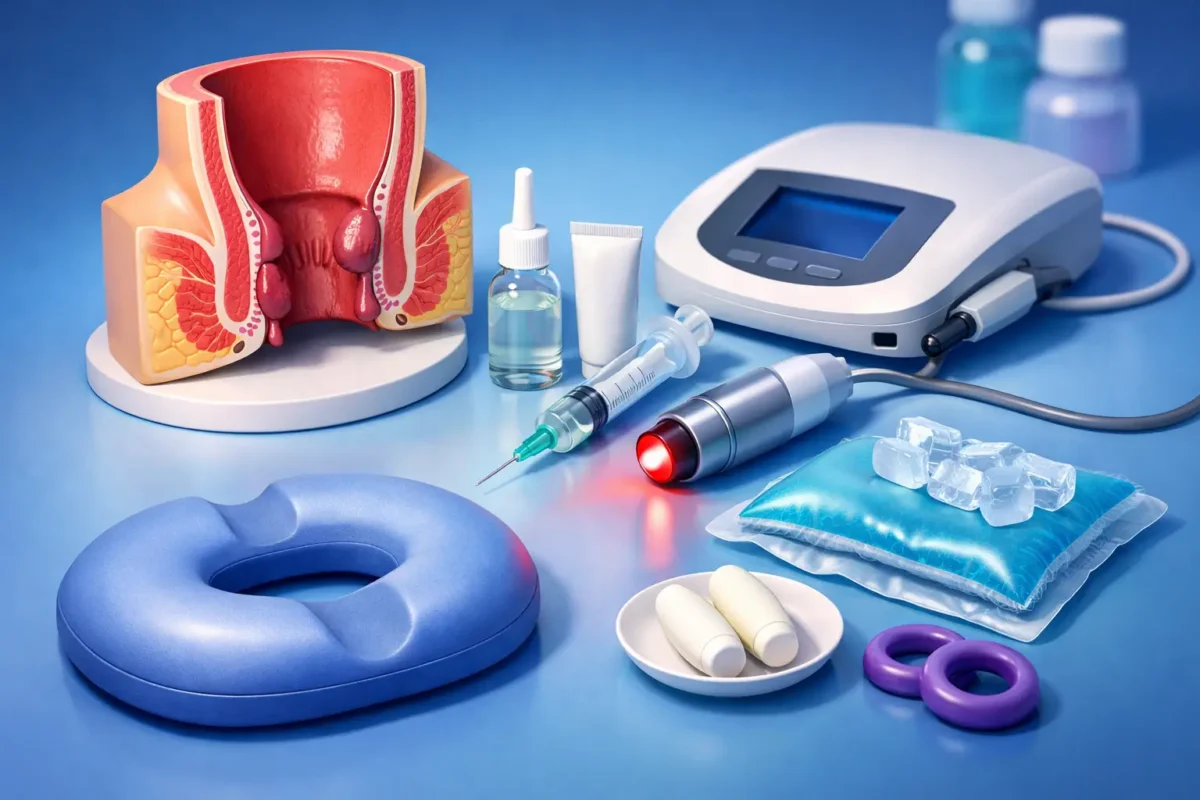
That approach is especially valuable for adults who want prompt relief but do not want anesthesia, hospital scheduling, or a longer recovery. Depending on the fissure and the patient’s symptoms, treatment may include custom medication protocols and office-based care aimed at reducing spasm, irritation, and repeat trauma.
The biggest advantage of specialized care is efficiency. Instead of guessing whether the fissure will eventually settle down, patients can get a clear diagnosis and a targeted plan. In many cases, that means less pain, less bleeding, and a faster return to normal daily activity.
At Hemorrhoid Centers of America, this type of focused care is built around non-surgical treatment and quick access to board-certified specialists, which matters when symptoms are interfering with work, exercise, sleep, or basic comfort.
When to stop waiting and get evaluated
A short period of home care can make sense for mild symptoms, but there is a point where waiting becomes counterproductive. If pain is severe, bleeding is recurring, bowel movements are becoming something you dread, or symptoms have lasted more than a few weeks, it is reasonable to get evaluated.
You should also seek medical care sooner if you have persistent bleeding, significant swelling, drainage, fever, or uncertainty about whether the problem is actually a fissure. These details matter because treatment depends on getting the diagnosis right.
Many people delay care because they are embarrassed or assume the visit will lead straight to surgery. In reality, specialized treatment for fissures is often more straightforward than patients expect. The visit is focused, the discussion is practical, and the goal is to get you comfortable and healing as quickly as possible.
What healing usually feels like
Fissure healing is not always linear. Some patients feel much better within days after starting treatment, then have a setback after one difficult bowel movement. That does not always mean the treatment failed. It may simply mean the area is still vulnerable.
As healing progresses, pain usually becomes less sharp and less prolonged. Bleeding often decreases, and the sensation of tightness or spasm becomes less intense. If you are improving but not fully healed, staying consistent with the plan matters. Stopping treatment too early is one reason symptoms return.
On the other hand, if you are doing all the right things and still feel stuck, that is useful information. It often signals that the fissure needs a more specialized treatment strategy rather than more patience.
The most practical approach
If you want the most practical answer to how to treat anal fissures, start by making bowel movements softer and less traumatic, reduce irritation, and use medical treatment early if pain and spasm are significant. If symptoms persist, do not assume you have to live with them or jump straight to surgery.
Anal fissures are common, painful, and very treatable, but the right treatment depends on how long the fissure has been present, how severe the symptoms are, and whether something else is contributing. The sooner the plan matches the actual problem, the sooner healing can begin.
You do not need to keep organizing your day around pain, bleeding, and fear of the next bowel movement. Relief is often more accessible than people think, especially when care is focused, discreet, and designed to get you back to normal life quickly.