

Is Hemorrhoid Banding Painful?
April 3, 2026
Seeing blood after a bowel movement can be alarming, especially when it keeps happening. If you’re asking, why do hemorrhoids keep bleeding, the short answer is that swollen hemorrhoidal tissue is fragile, easily irritated, and often exposed to repeated strain. The more often that tissue is rubbed, stretched, or pressured, the more likely it is to bleed again instead of fully settling down.
That said, recurring rectal bleeding should never be brushed off as “just hemorrhoids” without proper evaluation. Hemorrhoids are a very common cause, but they are not the only one. Getting the cause right matters, especially when bleeding is frequent, heavy, or paired with pain or other changes.
Why do hemorrhoids keep bleeding after bowel movements?
Most hemorrhoid bleeding happens because the blood vessels inside enlarged hemorrhoidal tissue sit close to the surface. When stool passes, especially if it is hard, large, or requires straining, that tissue can tear or become irritated enough to bleed. Even loose stools can cause repeated irritation if you are wiping often or dealing with urgency.
Internal hemorrhoids are a common source of bright red bleeding. They may not always cause much pain, which can make the bleeding seem more confusing. External hemorrhoids can also bleed, particularly if they become irritated or if a thrombosed hemorrhoid stretches the skin and then breaks down.
Bleeding tends to continue when the underlying pressure has not changed. Constipation, prolonged sitting on the toilet, frequent straining, heavy lifting, pregnancy, and chronic diarrhea can all keep hemorrhoids inflamed. Over-the-counter creams may calm symptoms for a while, but they do not always address the enlarged tissue itself.
The most common reasons hemorrhoids keep bleeding
In many patients, repeat bleeding is not caused by one dramatic event. It is usually the result of ongoing friction and pressure over time.
Constipation and straining
This is one of the biggest drivers. Hard stool scrapes delicate tissue, and straining increases pressure in the rectal veins. That combination makes bleeding more likely and slows healing between bowel movements.
Sitting too long on the toilet
Many people do not realize how much this matters. Spending extra time scrolling on your phone while sitting on the toilet increases pressure on hemorrhoidal veins. If you already have swollen tissue, that pressure can keep the cycle going.
Chronic diarrhea or frequent bowel movements
Bleeding is not only a constipation problem. Repeated bowel movements, urgency, and excessive wiping can all inflame hemorrhoids. The tissue does not get a chance to recover when irritation is happening multiple times a day.
Incomplete treatment
Home care may reduce symptoms temporarily, but some hemorrhoids continue to bleed because the underlying enlarged vessels remain in place. If symptoms return again and again, it may be a sign that the hemorrhoid needs more targeted treatment rather than another round of creams or wipes.
Pregnancy or pelvic pressure
Pregnancy can increase pressure in the pelvic and rectal veins, which often leads to hemorrhoids or worsens existing ones. The same basic issue can happen with obesity or any condition that increases abdominal pressure.
Blood thinners or easier bleeding
If you take aspirin, warfarin, clopidogrel, apixaban, rivaroxaban, or similar medications, even mild hemorrhoid irritation may bleed more noticeably. This does not mean hemorrhoids are harmless in that setting. It means you should be evaluated carefully.
When bleeding may not be from hemorrhoids
This is the part many people delay. Bright red blood can come from hemorrhoids, but it can also come from anal fissures, inflammation, polyps, colorectal cancer, and other gastrointestinal conditions. Anal fissures, in particular, are often confused with hemorrhoids because they can also cause bleeding with bowel movements.
A fissure is a tear in the lining of the anus. It often causes sharp pain during or after a bowel movement, while internal hemorrhoids more often cause painless bleeding. But symptoms can overlap, and some patients have both conditions at the same time.
If the diagnosis has never been confirmed, recurring bleeding deserves an exam. Assuming the cause is hemorrhoids can lead to weeks or months of delay.
When hemorrhoid bleeding is a reason to seek care promptly
Not every episode is an emergency, but there are times when you should move quickly. Bleeding that is heavy, happens between bowel movements, causes weakness or lightheadedness, or turns the toilet water red repeatedly should be evaluated. The same is true if you have black stools, abdominal pain, unexplained weight loss, or a change in bowel habits.
You should also be seen if bleeding keeps returning despite home treatment, or if you are over 45 and have not had appropriate colorectal screening based on your medical history and risk factors. Persistent bleeding is not something to monitor forever.
What actually helps stop repeat hemorrhoid bleeding
If hemorrhoids are confirmed as the source, treatment should match the severity and pattern of symptoms. For mild cases, bowel habit changes can make a meaningful difference. Softer stools reduce friction. Less straining reduces pressure. Shorter toilet time reduces ongoing vein swelling.
That usually means increasing fiber gradually, drinking enough water, and using a stool softener if your clinician recommends one. Warm sitz baths may help with irritation. Gentle cleaning matters too. Aggressive wiping can keep tissue inflamed, so many patients do better with water-based cleansing or unscented wipes used carefully.
Still, conservative care has limits. If hemorrhoids keep bleeding, the issue may be that the enlarged internal hemorrhoid is still being fed by the same blood supply and still prolapses or rubs with bowel movements. In that situation, symptom control and definitive treatment are not the same thing.
Why do hemorrhoids keep bleeding even with cream?
Topical products can help calm itching, irritation, or short-term swelling, but they often do not remove the source of repeated bleeding. That is why patients sometimes feel temporarily better, then see blood again a few days later.
Creams also work best when the problem is mild and external. Internal hemorrhoids, which are a frequent cause of bright red bleeding, are often less responsive to store-bought treatment alone. If you have used over-the-counter products more than once and bleeding keeps coming back, it is reasonable to move beyond self-treatment.
When office-based treatment makes sense
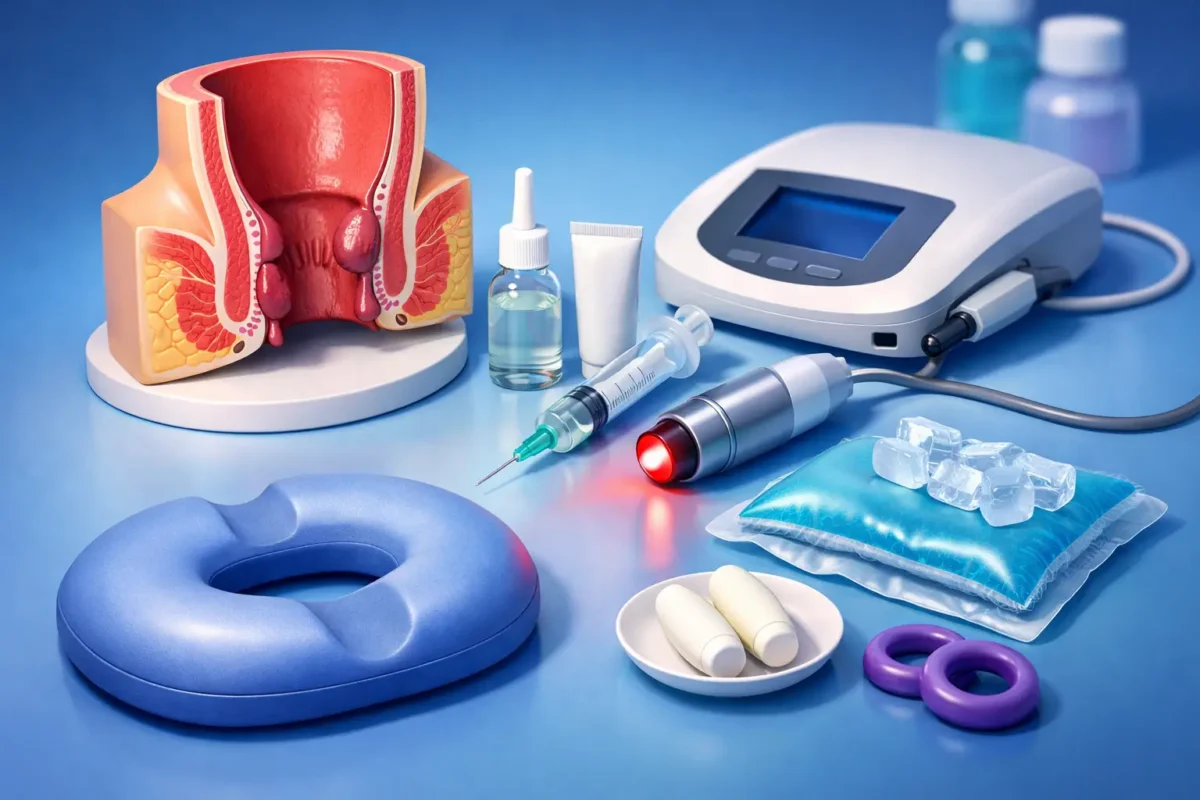
For patients who want relief without traditional surgery, office-based hemorrhoid treatment can be a practical next step. Rubber band ligation, often called hemorrhoid banding, is commonly used for internal hemorrhoids that bleed or prolapse. It works by cutting off blood flow to the problematic tissue so it shrinks and resolves over time.
This approach is often a good fit for adults who have delayed care because they do not want anesthesia, a hospital setting, or a long recovery. In the right patient, it can address the source of repeated bleeding more directly than symptom-only treatments.
A specialized practice can also determine whether hemorrhoids are the full story or whether a fissure, skin irritation, or another anorectal condition is contributing. That matters because treatment is not one-size-fits-all. A patient with bleeding and sharp pain may need a different plan than someone with painless bleeding and prolapse.
At Hemorrhoid Centers of America, this type of evaluation is focused on non-surgical solutions designed to relieve bleeding, pain, swelling, and irritation efficiently, without sending patients down a traditional surgical pathway when it is not necessary.
A practical way to think about recurring bleeding
If bleeding happened once after obvious constipation, home care may be reasonable while symptoms improve. If it keeps happening, the question shifts from “How do I calm this down today?” to “Why is this still happening at all?”
That shift is important. Recurrent hemorrhoid bleeding usually means the tissue is still being irritated, still enlarged, or possibly not the real source of the problem. The sooner that is clarified, the sooner you can stop guessing and start treating the actual cause.
No one should have to organize life around bathroom bleeding, extra laundry, or the stress of not knowing what they will see after the next bowel movement. If hemorrhoids keep bleeding, it is worth getting a focused evaluation from a provider who treats these conditions every day. Relief is often more straightforward than patients expect, and it does not always require surgery.
A good next step is not to wait for the “perfect time” or for the bleeding to become impossible to ignore. It is to get clear answers while the problem is still manageable.