

Hemorrhoid Appointment Expectations, Explained
October 28, 2026
Best Foods for Fissures That Ease Bowel Movements
November 1, 2026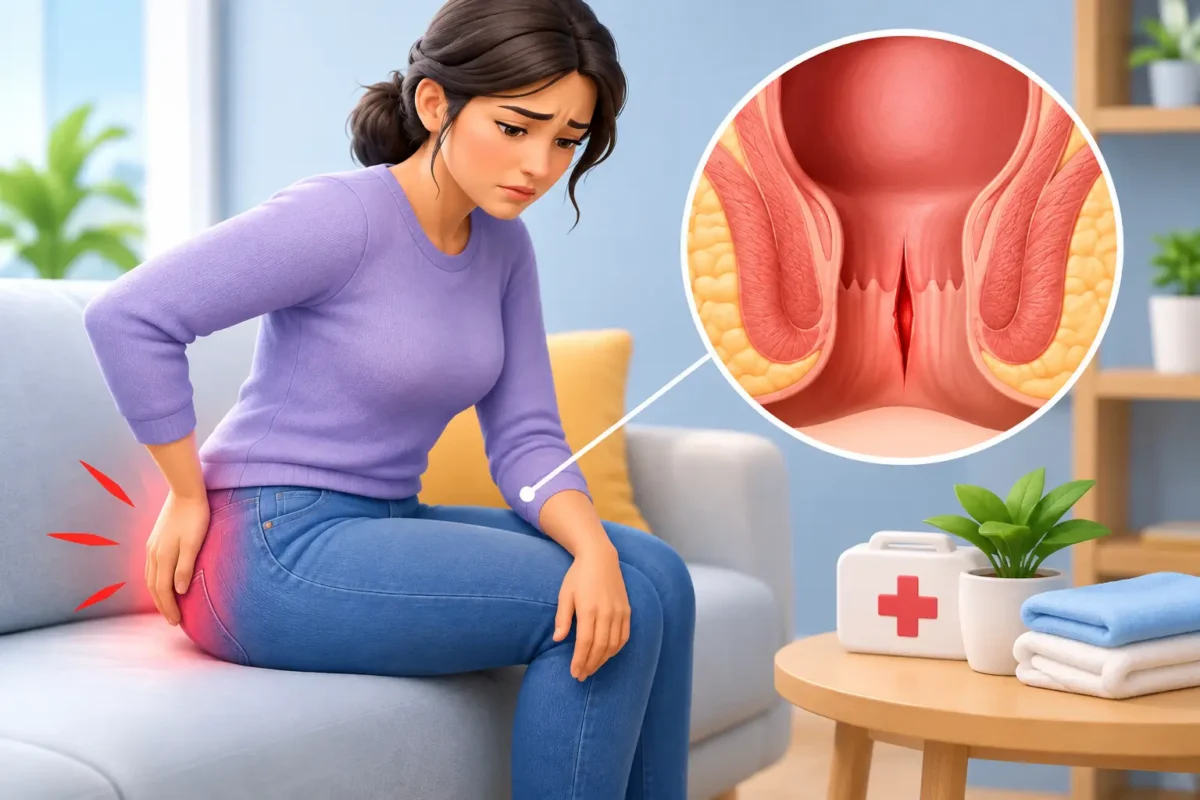
A sharp, tearing pain during a bowel movement can make even a routine trip to the bathroom feel overwhelming. If you are asking, are fissures dangerous, the short answer is usually no: an anal fissure is rarely life-threatening. But it can be intensely painful, slow to heal, and easy to mistake for another condition that needs different care.
An anal fissure is a small tear in the thin lining of the anal canal. It commonly occurs after a hard or large bowel movement, but diarrhea, straining, childbirth, and ongoing irritation can also contribute. Many fissures improve with early treatment and healthier bowel habits. When symptoms persist, however, getting an accurate diagnosis can prevent weeks or months of unnecessary pain.
Are Fissures Dangerous? Usually Not, but They Should Not Be Ignored
Most anal fissures do not cause dangerous complications. They do not turn into cancer, and they are not typically a sign that something is seriously wrong. Still, the symptoms can disrupt work, sleep, exercise, and daily comfort. The pain may lead people to avoid bowel movements, which can worsen constipation and create a cycle that keeps the tear from healing.
Fresh fissures are often called acute fissures. With the right care, many heal within several weeks. A fissure that lasts longer than about six to eight weeks may be considered chronic. Chronic fissures are less likely to resolve with diet changes alone because the muscle inside the anal canal can remain tight, reducing blood flow to the area and making healing more difficult.
A chronic fissure can develop a small skin tag or a thickened area of tissue near the tear. These changes are not usually dangerous, but they are a sign that the problem may need more than over-the-counter creams. The good news is that effective non-surgical options are available for many patients.
When Bleeding or Pain Needs Prompt Evaluation
Small amounts of bright red blood on toilet paper or on the outside of a stool can occur with an anal fissure. This bleeding is commonly limited and tied to bowel movements. Even so, bleeding should not automatically be assumed to be from a fissure or hemorrhoid.
A specialized evaluation is especially important if symptoms are new, recurring, severe, or not improving. Conditions including hemorrhoids, infections, inflammatory bowel disease, polyps, and, less commonly, colorectal or anal cancer can cause rectal bleeding or pain. A clinician can examine the area and determine whether a fissure is the likely cause.
Seek urgent medical care for heavy rectal bleeding, black or tar-like stools, dizziness, fainting, fever, severe swelling, or pain that rapidly becomes worse. These symptoms are not typical of a simple fissure and need timely attention. You should also contact a medical professional promptly if you have unexplained weight loss, a major change in bowel habits, abdominal pain, or a personal or family history that raises your colorectal cancer risk.
Why an Anal Fissure Can Feel So Severe
The pain from a fissure can seem out of proportion to its size. That is because the anal canal contains many sensitive nerve endings. A bowel movement can reopen the tear and trigger spasm in the internal anal sphincter, the muscle that helps control continence.
That spasm creates a frustrating loop: pain causes muscle tightening, tightening reduces local blood flow, and reduced blood flow slows healing. Some people feel a burning or cutting pain during a bowel movement that continues for minutes or hours afterward. Others notice itching, irritation, or a small amount of bright red blood.
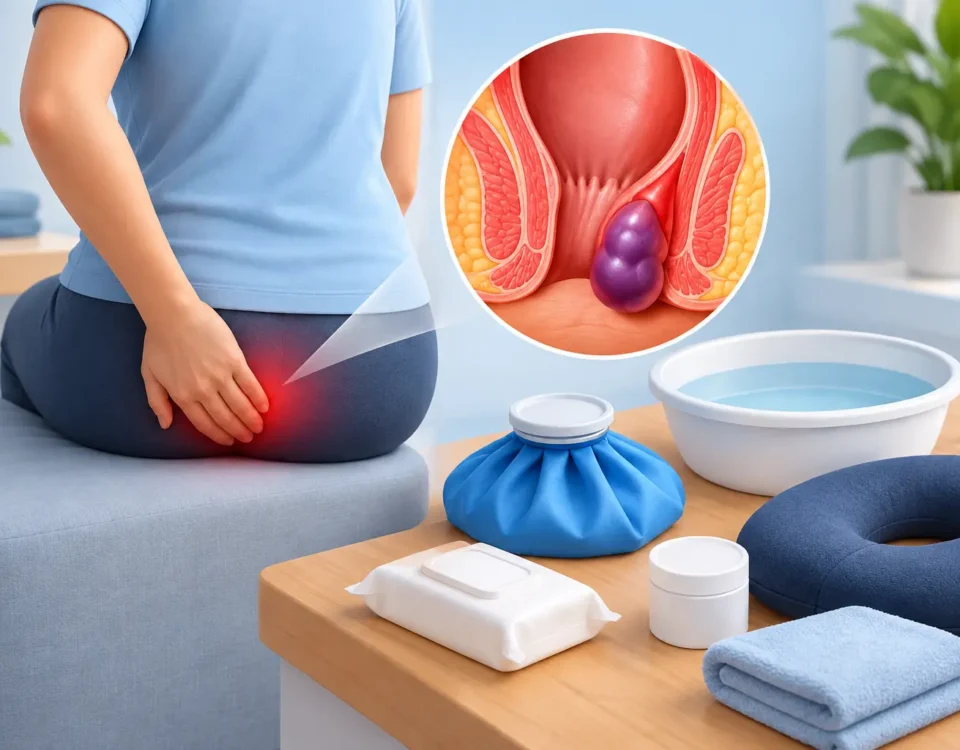
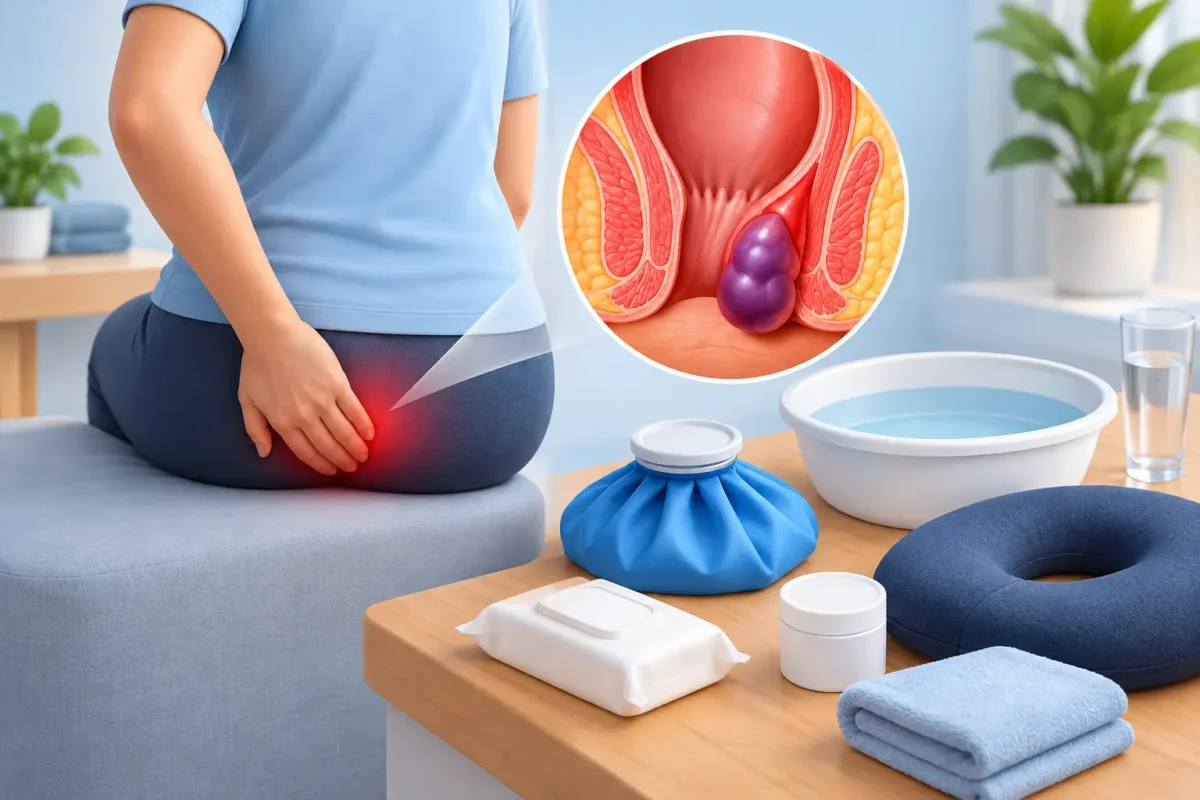
Hemorrhoids and fissures can produce similar symptoms, but they are different conditions. Hemorrhoids are swollen veins in or around the anus, while a fissure is a tear in the tissue. Because treatment is not identical, a proper diagnosis matters. Trying the wrong remedy for too long can delay relief.
What Happens If a Fissure Is Left Untreated?
An untreated fissure may still heal, particularly if it is recent and constipation is corrected quickly. The concern is not that every fissure becomes dangerous. The concern is that ongoing pain and repeated tearing can allow it to become chronic.
Chronic fissures may require prescription treatment to relax the anal muscle and support healing. In some cases, persistent symptoms can lead to anxiety around bowel movements, stool withholding, worsening constipation, and significant interference with normal routines. People often wait because the topic feels embarrassing or because they assume pain and bleeding are simply part of hemorrhoids. Neither reason should keep you from getting answers.
There is also a practical risk in self-diagnosis. Not every painful anal lesion is a fissure. Fissures that occur away from the usual location, multiple fissures, or fissures that do not heal may prompt a clinician to look for an underlying condition. An evaluation is the most direct way to rule out concerns and choose treatment that fits the cause.
Non-Surgical Treatment Can Often Bring Relief
For a recent fissure, treatment often starts by making bowel movements softer and easier to pass. Drinking enough fluids, gradually increasing dietary fiber, avoiding straining, and responding when you feel the urge to have a bowel movement can all help. Warm sitz baths may reduce discomfort and relax the area temporarily.
Over-the-counter products can provide limited symptom relief for some people, but they do not always address the muscle spasm that keeps a fissure open. If pain, bleeding, or tearing continues, a clinician may recommend a prescription topical medication designed to relax the internal sphincter and improve blood flow. The appropriate medication depends on your symptoms, medical history, and examination findings.
Treatment is not one-size-fits-all. Someone with a first-time fissure after constipation may improve with conservative care, while someone who has had severe pain for months may need a more targeted treatment plan. The goal is to heal the tear while avoiding unnecessary surgery whenever possible.
At Hemorrhoid Centers of America, patients can be evaluated by board-certified providers who focus on non-surgical treatment for anal fissures and hemorrhoid symptoms. Office-based care can help patients get a clear diagnosis and a practical path toward relief without the disruption of a traditional hospital surgical experience.
What to Expect at an Evaluation
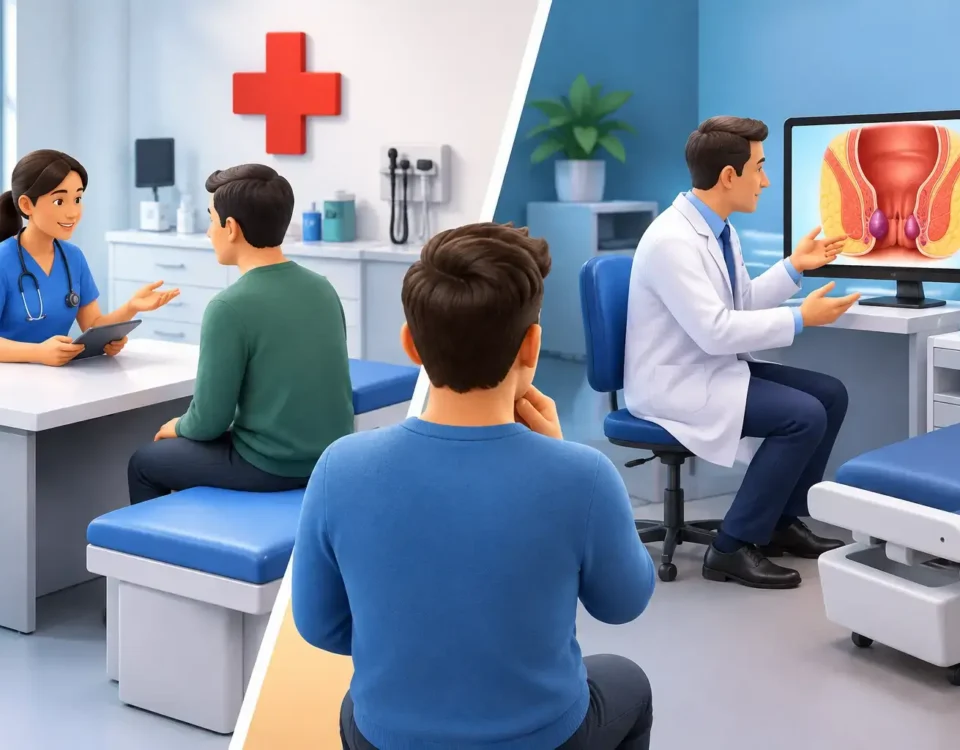
Many people put off an appointment because they worry that the exam will be painful or embarrassing. Specialized anorectal care is designed to be discreet and respectful. Your provider will ask about your symptoms, bowel habits, medications, prior treatments, and health history. They may perform a gentle visual examination and recommend additional evaluation only when needed.
Be ready to describe when the pain started, whether it occurs during or after bowel movements, how much bleeding you have noticed, and whether constipation or diarrhea has been a problem. This information helps distinguish a fissure from hemorrhoids and other causes of rectal symptoms.
You do not need to wait until symptoms become unbearable. Earlier care may mean a simpler treatment plan, faster relief, and less time organizing your day around pain. A fissure is usually treatable, and getting expert guidance can replace uncertainty with a clear next step.