

Prescription Treatment for Anal Fissure
June 6, 2026
Compare Hemorrhoid Treatment Costs
June 10, 2026
Anal itching can go from mildly annoying to impossible to ignore fast. If you are searching for the best ways to relieve anal itching, the first step is understanding that itching is usually a symptom, not the root problem. Hemorrhoids, anal fissures, moisture, irritation from wiping, and skin sensitivity are all common causes. The right relief depends on what is actually driving it.
For many adults, the pattern is familiar. The area starts to itch, you wipe more, use more products, and pay more attention to it – and somehow it gets worse. That cycle matters. Overcleaning, harsh ingredients, and friction can keep the skin irritated even when you are trying to help it heal.
Best ways to relieve anal itching at home
If symptoms are mild and recent, simple care at home may calm the area down. The goal is to reduce irritation, protect the skin, and avoid anything that adds more friction or moisture.
Start with gentler cleaning. After a bowel movement, use soft, unscented toilet paper or rinse with plain warm water. Pat dry rather than rubbing. Fragrance, alcohol, medicated wipes, and heavily scented soaps can make itching worse, especially if the skin is already inflamed.
Keeping the area dry also helps. Moisture trapped against the skin can prolong irritation. After bathing or using the restroom, pat the area dry carefully. Some people do better wearing loose cotton underwear and avoiding tight workout clothing for long periods, especially in hot weather.
A short sitz bath can be useful when itching is tied to irritation, hemorrhoids, or a small fissure. Sitting in warm water for 10 to 15 minutes may soothe the tissue and reduce the urge to scratch. Hot water is not better here. Warm is enough.
It is also worth looking at what happens during bowel movements. Straining, constipation, and repeated wiping often feed the problem. Drinking more water and increasing fiber can help stools pass more easily, which reduces pressure on hemorrhoids and lowers irritation around the anus. If your stools are consistently hard, treating the bowel habit is often part of treating the itch.
Over-the-counter creams can help in some cases, but this is where people often overdo it. A barrier ointment or a short course of a mild anti-itch product may provide relief, but using multiple creams at once can irritate the skin further. If a product burns, stings, or stops helping after a few days, it may be time to stop experimenting and get examined.
When anal itching is really a sign of hemorrhoids or a fissure
Persistent itching is commonly linked to hemorrhoids. Internal hemorrhoids can leak small amounts of mucus, which irritates the surrounding skin. External hemorrhoids can cause swelling, discomfort, and hygiene challenges that leave the area inflamed. In both cases, itching may show up before patients think of hemorrhoids as the cause.
Anal fissures can also trigger itching, although pain is often more noticeable. A fissure is a small tear in the lining of the anus. When that tissue stays irritated, patients may feel burning, stinging, or itching, especially after bowel movements. If you have itching plus sharp pain or streaks of blood on the toilet paper, a fissure becomes more likely.
This is why the best ways to relieve anal itching are not always the same from one person to another. If the problem is skin irritation alone, simple care may be enough. If the itching is coming from hemorrhoids or a fissure, home remedies may only provide partial relief until the underlying condition is treated.
What tends to make itching worse
The biggest trigger is scratching. It gives temporary relief, but it damages the skin and makes itching more persistent. Once the skin barrier is disrupted, even normal moisture and wiping can feel irritating.
Certain foods bother some patients, though this varies. Coffee, spicy foods, acidic foods, and alcohol may aggravate symptoms for some people, especially if they already have hemorrhoids or loose stools. This is not universal, so there is no need to eliminate everything at once. It is usually more helpful to notice patterns than to assume every symptom is dietary.
Diarrhea and stool leakage are another overlooked factor. Even a small amount of residual stool or moisture can keep the skin inflamed. On the other side, constipation creates straining and excessive wiping. Both extremes can lead to the same result.
When to stop self-treating
A short trial of home care makes sense for mild symptoms, but ongoing itching deserves a proper diagnosis. If anal itching lasts more than a week or two, keeps coming back, or is paired with bleeding, pain, swelling, or a lump, it is time to be seen by a specialist.
That matters because not every case of anal itching is caused by hemorrhoids. Skin conditions, infections, hygiene-related irritation, and less common anorectal issues can look similar at first. Guessing can delay relief.
For patients who have already tried creams, wipes, diet changes, and home remedies without success, the issue is often that the underlying cause has not been identified or fully treated. Specialist evaluation can usually clarify that quickly.
Medical treatment can provide more direct relief
If hemorrhoids are causing the itching, treating the hemorrhoids often brings the most meaningful improvement. This is especially true when symptoms keep returning or are accompanied by bleeding, pressure, or prolapse.
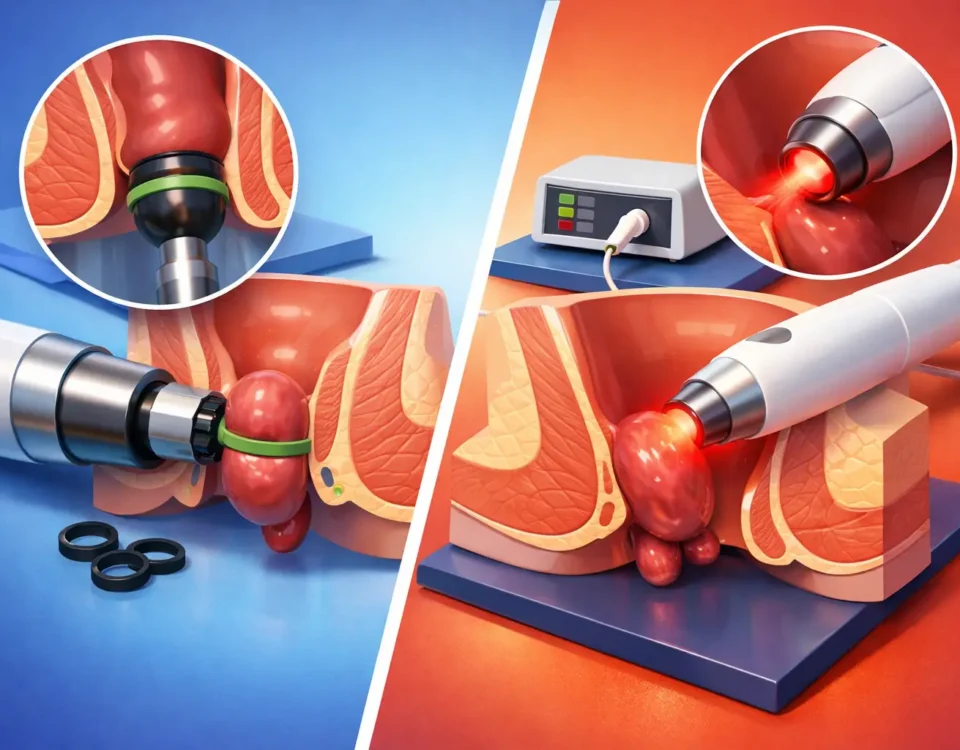
Many patients worry that seeking treatment means surgery, anesthesia, or a major recovery. In reality, that is not always the case. Office-based, non-surgical treatment can often address symptomatic hemorrhoids efficiently, with minimal downtime. For the right candidate, hemorrhoid banding targets the problem tissue directly rather than asking the patient to manage symptoms indefinitely.
If a fissure is the source, treatment may focus on relaxing the area, reducing pain, and helping the tear heal. That can include a customized medication approach along with bowel habit changes that reduce re-injury. Again, the key is precision. You get better results when treatment matches the cause.
At a specialty practice such as Hemorrhoid Centers of America, that focused approach is central. Patients are evaluated for the actual source of symptoms and offered non-surgical treatment pathways designed to relieve pain, bleeding, swelling, and itching without the disruption of traditional surgery.
How to get relief faster
Patients often wait longer than they should because the symptom feels embarrassing or not serious enough. But persistent itching can affect sleep, concentration, exercise, work, and basic comfort. It is not something you need to simply live with.
The fastest path to relief is usually practical. Be gentle with cleaning, keep the area dry, avoid scratching, improve stool consistency, and do not cycle through product after product if nothing is changing. If symptoms are lingering, get an exam. That one step can save weeks or months of frustration.
A few signs that point to specialist care
If you are unsure whether the itching is minor irritation or something more, context helps. Itching that comes with bleeding, swelling, a noticeable lump, pain during bowel movements, or recurrent flare-ups is more likely to reflect an underlying anorectal condition that needs treatment. The same is true if symptoms briefly improve and then return as soon as you stop using creams.
A specialist can also help if you have been told you have hemorrhoids in the past but your symptoms are changing. More itching, more bleeding, or new pain should not be brushed off. These details help determine whether the problem is still hemorrhoids, a fissure, or something else entirely.
Relief is possible, and for many patients it comes sooner once they stop guessing. Anal itching is common, treatable, and often tied to conditions that respond well to focused, non-surgical care. If home measures are not enough, getting the right diagnosis can be the step that finally makes the irritation stop.