

Questions About Hemorrhoid Banding Safety Answered
September 14, 2026
Can Hemorrhoids Cause Blood Clots? What to Know
September 18, 2026
A painful bowel movement that leaves you bracing for the next one is not something you should have to simply tolerate. When an anal fissure is the cause, two prescription topical treatments often come up in the conversation: diltiazem versus nitroglycerin ointment. Both are designed to relax the tight anal muscle that can keep a fissure painful and prevent it from healing, but their side effects and fit for individual patients can be quite different.
For many people, the practical question is straightforward: which treatment is more likely to provide relief without disrupting work, driving, family responsibilities, or daily life? The answer depends on your symptoms, medical history, medication use, and how long the fissure has been present.
Why Anal Fissures Can Be So Difficult to Heal
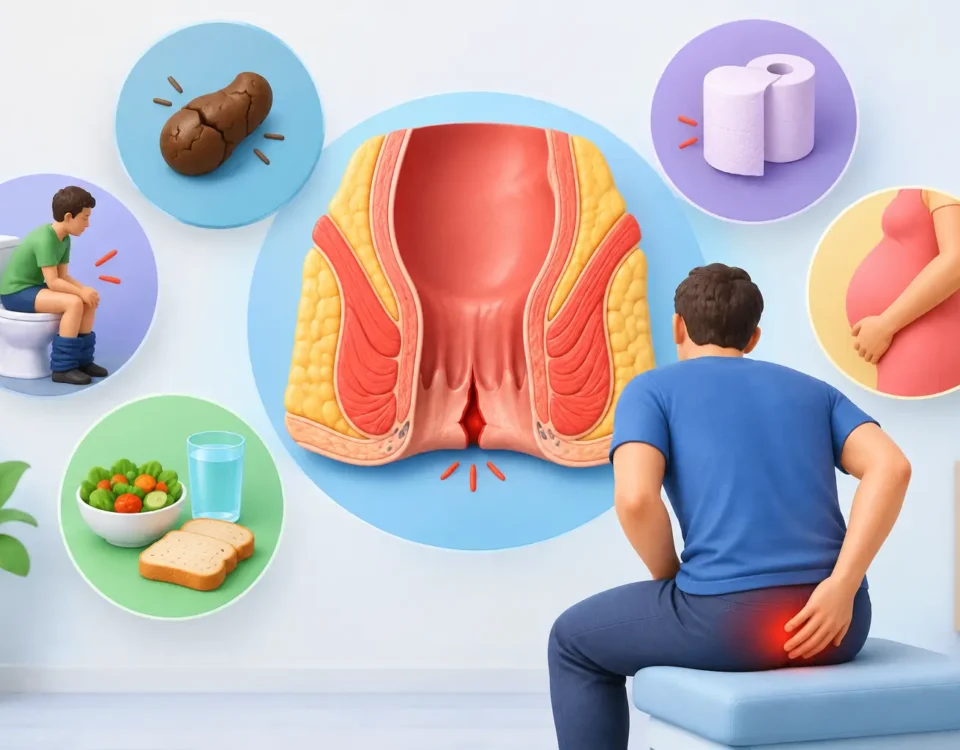
An anal fissure is a small tear in the lining of the anus. It often causes sharp, cutting, or burning pain during a bowel movement, followed by aching or spasms that can last for minutes or hours. Bright red blood on toilet paper may also occur.
The tear itself is only part of the problem. Pain can cause the internal anal sphincter muscle to tighten. That spasm reduces blood flow to the area, making the tissue slower to heal and setting up a frustrating cycle of pain, constipation, and reinjury.
Topical diltiazem and nitroglycerin are commonly used to interrupt that cycle. Neither is a typical over-the-counter hemorrhoid cream, and neither should be used based on a self-diagnosis alone. Hemorrhoids, fissures, infections, inflammatory conditions, and other concerns can share symptoms such as bleeding or discomfort. An accurate exam helps ensure treatment is addressing the real problem.
Diltiazem Versus Nitroglycerin Ointment: How They Work
Both medications work by relaxing smooth muscle in and around the anal sphincter. Relaxing that muscle can reduce painful spasm and improve blood flow, giving a fissure a better opportunity to close.
Diltiazem ointment
Diltiazem is a calcium channel blocker. When prepared as a topical ointment, it can relax the anal sphincter with limited absorption into the bloodstream for many patients. In the United States, topical diltiazem for anal fissures is often prepared by a compounding pharmacy because it is not generally available as a standard commercial fissure product.
Specialists frequently consider topical diltiazem a strong first medication option, particularly for patients concerned about headaches. It may be prescribed in a specific concentration and schedule based on the provider’s assessment. Healing is not immediate. Consistent use, along with stool-softening measures and attention to bowel habits, is usually needed over several weeks.
Possible side effects include local itching, irritation, rash, or burning. Some people may experience dizziness, lightheadedness, flushing, or lower blood pressure, although these effects are generally less common with topical use than with oral diltiazem. A history of low blood pressure, heart rhythm concerns, or use of certain heart medications should be reviewed before starting treatment.
Nitroglycerin ointment
Nitroglycerin ointment works by releasing nitric oxide, which relaxes the internal anal sphincter and improves local blood flow. A prescription nitroglycerin ointment formulated for chronic anal fissures is available in the United States, though the prescribed strength and instructions should come directly from a qualified clinician.
Nitroglycerin can be effective, but headaches are its most well-known drawback. They may be mild and manageable for some patients, while for others they are strong enough to make regular use difficult. Lightheadedness, dizziness, and low blood pressure can also occur.
Nitroglycerin cannot be combined with erectile dysfunction medications such as sildenafil, tadalafil, vardenafil, or avanafil. This combination can cause a dangerous drop in blood pressure. It may also be inappropriate for people taking nitrate medications for chest pain or for those with certain cardiovascular conditions. Be direct with your provider about every prescription, over-the-counter medication, and supplement you use. That information is essential to safe treatment.
Which Ointment Is Better for an Anal Fissure?
There is no single ointment that is right for every patient. Both diltiazem and nitroglycerin can help chronic anal fissures heal without traditional surgery, and both can reduce the muscle spasm that drives ongoing pain.
In many clinical settings, diltiazem is favored because patients often tolerate it better, especially when headaches are a concern. Nitroglycerin remains a reasonable option when it is medically appropriate and well tolerated. The best choice is less about declaring one medication universally superior and more about selecting the treatment you can safely use consistently enough to give it a real chance to work.
A provider may lean toward diltiazem if you have previously stopped nitroglycerin because of headaches. Nitroglycerin may be considered when diltiazem is not suitable, is unavailable through a local compounding pharmacy, or has not produced the desired response. Insurance coverage, prescription availability, and cost can also affect the plan.
Neither medication eliminates the need to keep stools soft and avoid straining. If constipation, hard stools, or frequent diarrhea continue, the fissure can reopen even when the ointment is helping. Your treatment plan may include hydration, dietary fiber, a stool-softening regimen, and guidance on avoiding prolonged time on the toilet.
What Results and Timing Should You Expect?
Some patients notice less pain or spasm within days. Actual healing, however, often takes several weeks. This is one reason it is easy to become discouraged too soon or to stop treatment after symptoms temporarily improve.
Use the medication exactly as prescribed. Applying more than directed will not speed healing and may increase side effects. Wash your hands before and after application, and ask your care team to demonstrate the proper amount and method if the instructions are unclear. There is no reason to feel embarrassed asking. Correct application matters.
Contact your provider promptly if you develop severe headache, fainting, significant dizziness, a widespread rash, worsening pain, fever, drainage, or heavy bleeding. These symptoms may signal a medication reaction or a condition that needs a different evaluation.
When Ointment Is Not Enough
Medication can be an effective nonsurgical starting point, but persistent fissure pain deserves a more complete plan. A fissure that has lasted for weeks, repeatedly returns, or does not improve with appropriate topical treatment may require an office-based procedure or another specialized approach.
That does not automatically mean traditional surgery. Specialty care can identify whether the issue is truly a chronic fissure, a hemorrhoid problem, or another source of rectal symptoms. For eligible patients, targeted treatments can relieve symptoms while avoiding hospitalization, general anesthesia, and a prolonged recovery.
At Hemorrhoid Centers of America, board-certified providers evaluate anal fissures and hemorrhoid symptoms with a focus on practical, minimally invasive care. The goal is to help patients move beyond repeated cycles of temporary relief and get back to comfortable daily activity.
Do Not Assume Rectal Bleeding Is a Fissure
A fissure commonly causes a small amount of bright red bleeding, particularly on toilet paper or on the outside of stool. But rectal bleeding should not be automatically attributed to a fissure or hemorrhoids, especially if it is new, heavy, recurrent, mixed into stool, or accompanied by unexplained weight loss, abdominal pain, fever, fatigue, or changes in bowel habits.
Seek urgent care for severe bleeding, black or tarry stools, fainting, chest pain, or signs of a serious allergic reaction. A prompt medical evaluation is also appropriate when pain is severe enough to interfere with eating, sleeping, or having a bowel movement.
The right ointment can make a meaningful difference, but you do not need to guess through ongoing pain or manage side effects alone. A focused evaluation can clarify whether diltiazem, nitroglycerin, or another nonsurgical treatment offers the clearest path to relief.