

Scottsdale Hemorrhoid Banding Clinic Guide
April 25, 2026
Guide to Hemorrhoid Banding Candidates
April 29, 2026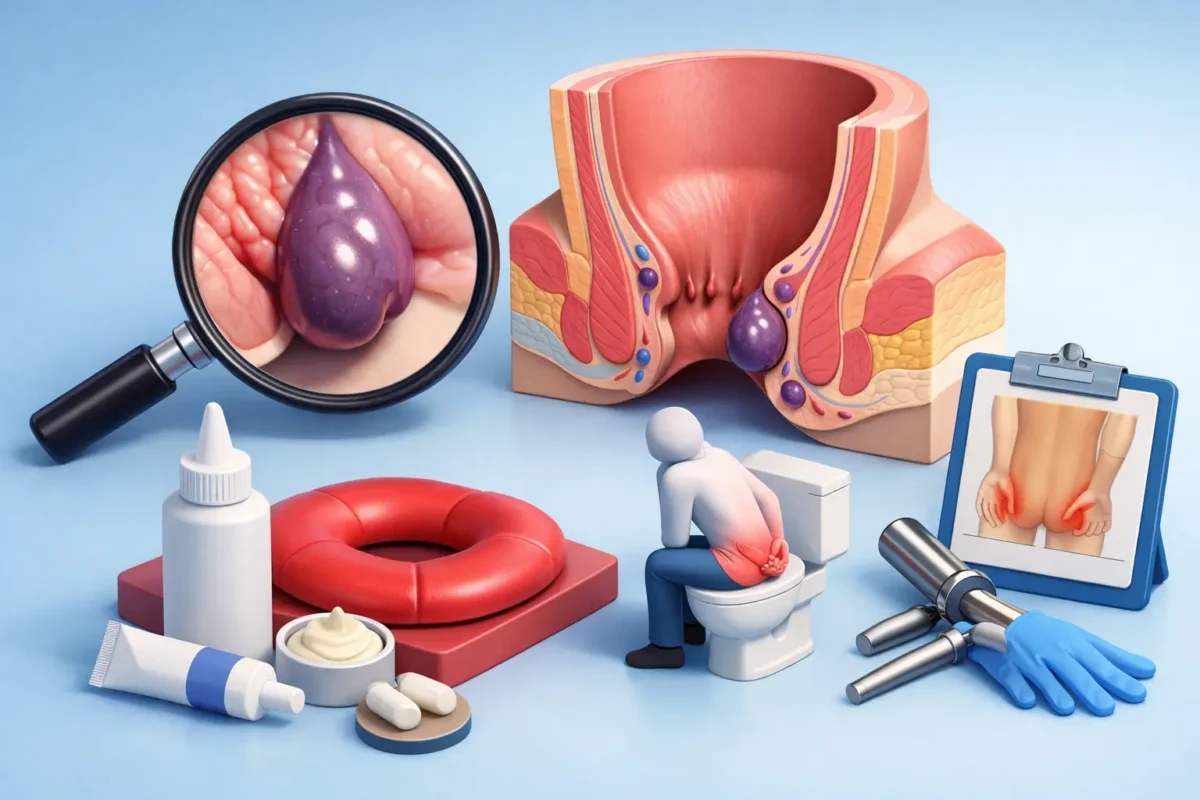
That painful lump you feel after a bowel movement can be hard to ignore, and harder to talk about. This guide to external hemorrhoid symptoms is meant to make the problem clearer, less alarming, and easier to act on. When you know what external hemorrhoids usually feel like, and what signs suggest you need medical care soon, you can stop guessing and start getting relief.
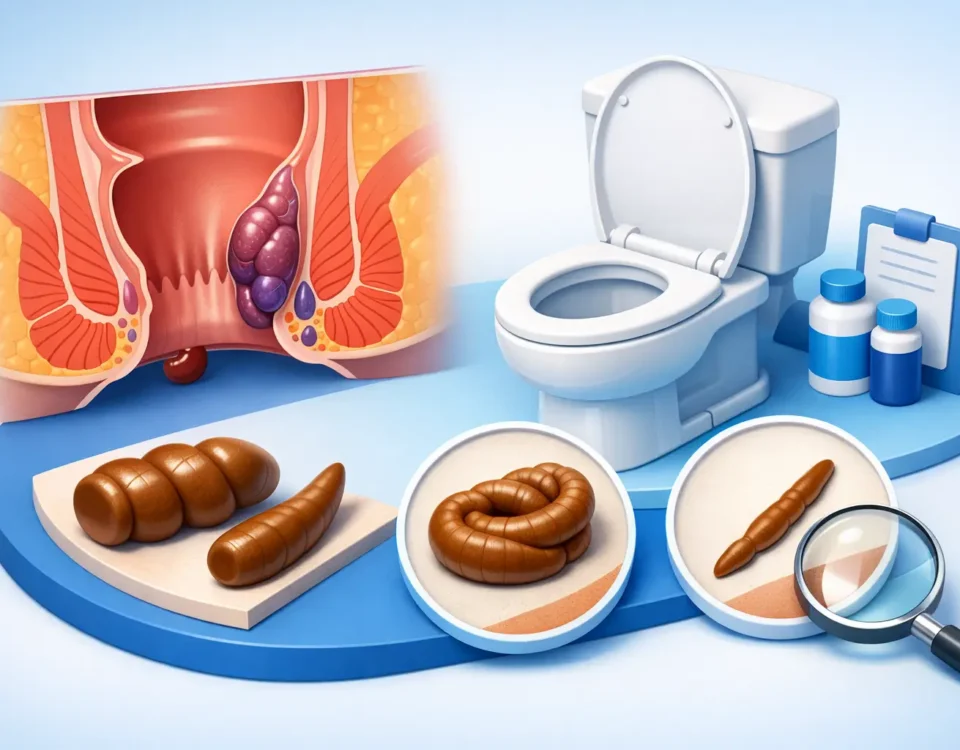
External hemorrhoids are swollen veins that form under the skin around the anus. Because they sit in a sensitive area with many nerve endings, they often cause more noticeable discomfort than internal hemorrhoids. Some people feel them as a small bump. Others notice itching, burning, swelling, or pain when sitting, wiping, or having a bowel movement.
What external hemorrhoid symptoms usually feel like
The most common symptom is a tender swelling or lump near the anal opening. It may feel soft at first, or firm and more painful if a clot forms inside it. Many patients describe a sensation of pressure or fullness, especially after straining, lifting, or sitting for long periods.
Itching is also common. The skin around an external hemorrhoid can become irritated from moisture, friction, and repeated wiping. That irritation can turn into burning or rawness, particularly if the area is already inflamed.
Pain can vary quite a bit. Mild external hemorrhoids may be more annoying than painful. A thrombosed external hemorrhoid, which means a blood clot has developed inside the swollen vein, is different. That often causes sudden, more intense pain and a firm, bluish lump. Pain may be worst in the first 48 to 72 hours and can make sitting or bowel movements especially uncomfortable.
Bleeding is possible, but it tends to look different than with internal hemorrhoids. You might see a small amount of bright red blood on toilet paper if the surface gets irritated or breaks down. Heavy bleeding is less typical and should not be assumed to be from hemorrhoids without an exam.
A closer look at a guide to external hemorrhoid symptoms
Not every symptom points to the same level of severity. A small external hemorrhoid may cause intermittent itching and mild swelling, then settle down with less straining and better bowel habits. A larger or thrombosed hemorrhoid can interfere with normal daily life very quickly.
Symptoms often flare after constipation, diarrhea, pregnancy, heavy lifting, or long periods on the toilet. These triggers increase pressure in the veins around the anus. For some patients, the symptoms come and go. For others, the pattern becomes more persistent, especially when the underlying cause is not addressed.
The location of the symptoms matters too. External hemorrhoids affect the skin just outside the anus. That is why pain, tenderness, and discomfort with touch are such common complaints. Internal hemorrhoids usually behave differently and are more likely to cause painless bleeding or prolapse.
When external hemorrhoids become more painful
A thrombosed external hemorrhoid is one of the more painful presentations. This happens when blood pools and clots in the hemorrhoid, creating a tense, swollen lump. Patients often notice the pain suddenly, sometimes after straining or physical exertion.
The lump may appear purple or blue, and the surrounding tissue can become inflamed. While some thrombosed hemorrhoids improve on their own over time, that does not mean the process is easy. The first few days can be quite painful, and not every patient wants to wait through that discomfort if effective treatment is available.
There is also a difference between expected hemorrhoid discomfort and symptoms that feel out of proportion. Severe pain, rapidly increasing swelling, drainage, fever, or redness spreading beyond the area should not be brushed off. Those features can suggest a different problem, such as an abscess or another anorectal condition that needs prompt evaluation.
Symptoms that are often mistaken for hemorrhoids
This is one of the biggest reasons to get examined rather than self-diagnosing for too long. Several conditions can look or feel similar to external hemorrhoids, especially early on.
Anal fissures can cause sharp pain with bowel movements and bright red bleeding, but the pain is usually described as cutting or tearing rather than pressure from a lump. Skin tags may be mistaken for hemorrhoids, though they are typically soft and not inflamed unless irritated. Abscesses can begin with swelling and pain but usually worsen quickly and may come with warmth, drainage, or fever.
Even bleeding that seems minor deserves context. While hemorrhoids are a common cause of bright red rectal bleeding, they are not the only cause. That is particularly true if bleeding is recurrent, mixed with stool, or associated with changes in bowel habits, weight loss, or abdominal symptoms.
When to seek medical care
If symptoms are mild and short-lived, some people start with conservative care at home. But there are clear situations where a medical evaluation makes sense sooner rather than later.
You should seek care if pain is significant, the lump is getting larger, symptoms keep returning, or over-the-counter products are not helping. Bleeding should also be evaluated if it happens more than once, seems heavier than expected, or leaves you uncertain about the cause. If you are avoiding travel, work, exercise, or normal bathroom habits because of discomfort, that is already affecting quality of life enough to justify expert care.
Timing matters. Patients often wait because they hope the issue will resolve on its own or because they are worried treatment means surgery. In many cases, that assumption is what keeps people uncomfortable longer than necessary. A focused anorectal evaluation can clarify what is going on quickly and help determine whether the problem is truly an external hemorrhoid, an internal hemorrhoid, a fissure, or a combination of issues.
What the evaluation typically involves
For most patients, the exam is straightforward and brief. A specialist will review your symptoms, ask when they started, and assess whether you have pain, itching, swelling, bleeding, or prolapse. The physical exam is used to identify the source of symptoms rather than relying on guesswork.
That distinction matters because treatment depends on what is actually causing the problem. External hemorrhoids do not always require the same approach as internal hemorrhoids. Some patients have both, and the most bothersome symptom may not come from the condition they assumed.
At a specialty practice such as Hemorrhoid Centers of America, the goal is not to push patients toward unnecessary surgery. It is to identify the problem accurately and offer efficient, non-surgical treatment when appropriate, with as little disruption to daily life as possible.
What helps, and where home care has limits
Home care can reduce irritation, especially early on. Softer stools, less straining, short warm baths, and gentle hygiene can all help calm symptoms. Avoiding prolonged sitting on the toilet is also worthwhile. These measures address pressure and irritation, which are two of the biggest drivers of flare-ups.
Still, there is a limit to what self-care can do. If the hemorrhoid is thrombosed, if symptoms are recurring, or if the diagnosis is uncertain, home treatment may only delay proper relief. Overuse of creams can also irritate the skin rather than soothe it, especially if products are used for weeks without improvement.
The trade-off is simple. Mild cases may settle with conservative care, but persistent or painful symptoms are usually better managed with a professional diagnosis and a treatment plan that fits the actual condition.
Why early treatment can make recovery easier
Patients often assume they need to wait until symptoms become unbearable. In practice, earlier evaluation can mean less discomfort and a more direct path to relief. It can also prevent repeated cycles of swelling, irritation, and bleeding that gradually become harder to ignore.
For people with internal hemorrhoids contributing to bleeding or prolapse, office-based treatment may resolve the deeper issue that home care cannot reach. For those with painful external symptoms, the value of early care is often certainty. Knowing what you are dealing with, and what options are available, reduces the stress that comes with guessing.
Hemorrhoid symptoms are common, but they should not control your day, your work schedule, or your comfort. If a lump, itching, pain, or bleeding keeps coming back, getting it checked is not overreacting. It is a practical step toward feeling normal again.