
Guide to Internal Hemorrhoid Grades
July 8, 2026
Can a Fissure Heal Without Surgery? What to Know
July 12, 2026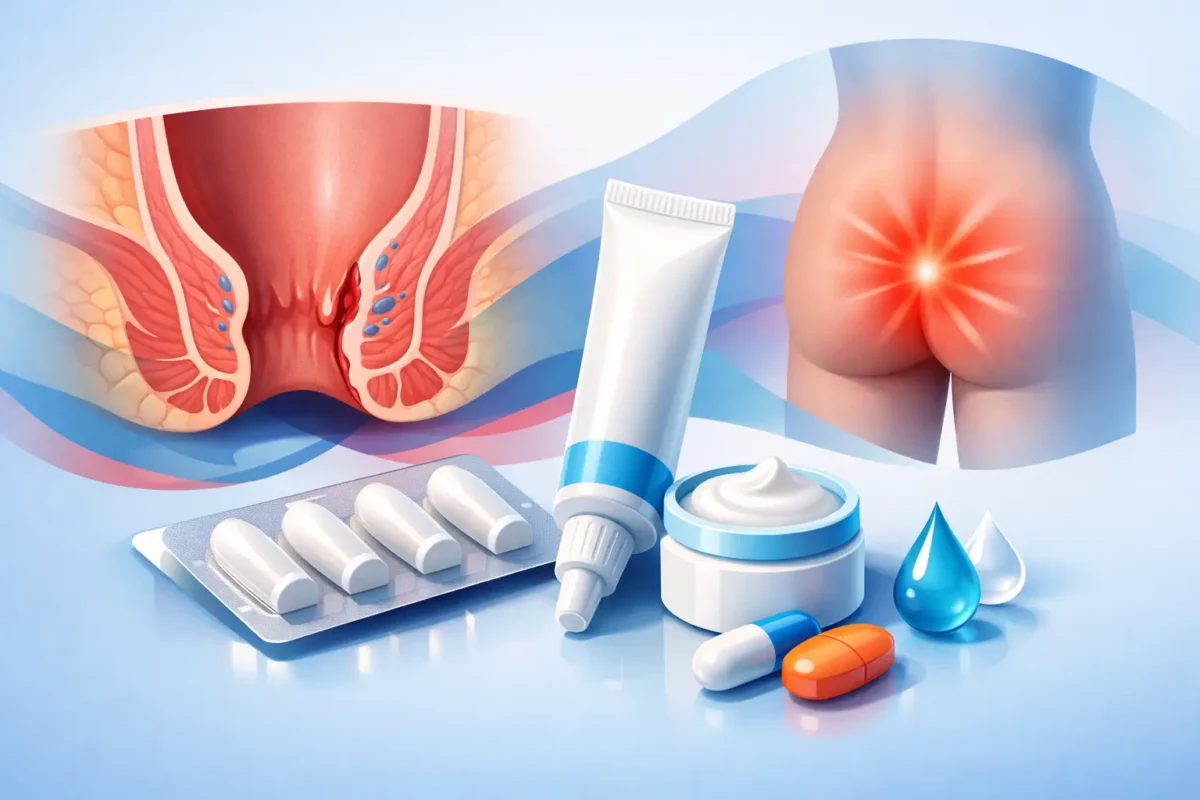
A bowel movement can feel like passing glass when an anal fissure is active. The pain may last minutes or hours afterward, and a small streak of bright red blood can make the experience even more alarming. Understanding how anal fissure medication works can make the next step clearer: the right treatment is designed to interrupt the cycle of pain, muscle spasm, and delayed healing.
An anal fissure is a small tear in the lining of the anal canal. While it may sound minor, the area has a high concentration of nerve endings and a ring-shaped muscle called the internal anal sphincter. When that muscle tightens or spasms, it can reduce blood flow to the tear. Less blood flow means slower healing, while pain makes the muscle tighten even more.
Medication is often used to break that cycle without traditional surgery. The best option depends on how long symptoms have been present, how severe they are, your medical history, and whether the fissure appears acute or chronic.
How anal fissure medication works at the source
Most prescription fissure medications are topical creams or ointments applied to the anal area as directed by a qualified provider. They do not simply numb the pain. Their primary role is to relax the internal anal sphincter enough to reduce pressure and improve circulation around the fissure.
When the muscle relaxes, several helpful things can happen at once. Bowel movements may become less painful, the ongoing spasm can settle, and oxygen-rich blood can better reach the damaged tissue. That gives the tear a more favorable environment to heal.
This approach is especially valuable for chronic fissures, which are generally fissures that have persisted for several weeks or keep returning. A chronic fissure may develop thicker edges or visible changes in the tissue, making it less likely to resolve with diet changes and over-the-counter products alone.
Calcium channel blocker creams
Topical calcium channel blockers, such as diltiazem or nifedipine, are commonly used in custom fissure medication protocols. Applied locally, they help relax the internal anal sphincter. Many patients tolerate these medications well, although some experience mild irritation, itching, or headache.
Because these formulations are often compounded, the exact instructions matter. Use only the amount and schedule prescribed. Applying more than recommended does not make the fissure heal faster and may increase side effects.
Nitroglycerin ointment
Nitroglycerin can also relax the internal anal sphincter by widening blood vessels and improving blood flow to the area. It can be effective, but headaches are a common drawback. For some patients, the headaches are mild and temporary. For others, they are significant enough that another treatment is a better fit.
Nitroglycerin may also lower blood pressure. It should not be combined with certain erectile dysfunction medications or used without reviewing your full medication list with your provider. This is one reason self-treating a suspected fissure with borrowed or leftover prescriptions is not safe.
Pain-relief medications and protective treatments
A topical anesthetic such as lidocaine may provide short-term relief by numbing the area. It can make bowel movements and daily activity more manageable, but it does not correct the underlying sphincter spasm on its own. It is often used as part of a broader plan rather than the entire treatment.
Stool-softening strategies are equally important. If constipation, hard stool, or straining caused the tear, medication cannot succeed fully if each bowel movement reopens the area. Your provider may recommend fiber, adequate fluid intake, a stool softener, or an osmotic laxative based on your bowel habits and health history. The goal is soft, formed stool that passes without straining – not diarrhea, which can also irritate the fissure.
What treatment feels like and how quickly it can help
Pain often begins improving before the fissure is completely healed. Some patients notice less spasm or less intense pain within the first several days of treatment. Full healing can take several weeks, particularly for a chronic fissure.
That timeline can be frustrating, but consistency matters. Fissure medication works best when it is used exactly as prescribed and combined with habits that prevent further trauma to the area. Missing doses, stopping as soon as pain improves, or continuing to strain can allow symptoms to return.
Warm sitz baths may also help relax the muscles and ease discomfort after bowel movements. They are not a substitute for prescription treatment when a fissure is chronic, but they can be a useful comfort measure. Avoid aggressive wiping, fragranced products, and harsh soaps, which can worsen irritation around already sensitive tissue.
Medication is not the same as a one-size-fits-all solution
Not every anal pain or rectal bleeding symptom is an anal fissure. Hemorrhoids, skin irritation, infections, inflammatory bowel disease, abscesses, and other conditions can cause similar symptoms. A focused examination can identify what is actually happening and prevent treatment delays.
Medication also has limits. Some fissures do not heal despite careful topical treatment and bowel management. In those cases, a specialist may discuss other non-surgical or minimally invasive options, such as botulinum toxin injection to relax the internal sphincter. Surgery may be appropriate in select persistent cases, but it is not the automatic next step for every patient.
The trade-off is straightforward: medication avoids an incision, anesthesia, and a surgical recovery period, but it requires daily consistency and may take time to work. A procedure can be considered when symptoms remain severe or healing does not progress, yet the appropriate choice should be based on a clear diagnosis and your individual risk factors.
When to seek prompt medical evaluation
Do not assume all rectal bleeding is from a fissure or hemorrhoid. Seek prompt evaluation if bleeding is heavy, black or tar-like, accompanied by dizziness, or associated with severe abdominal pain, fever, drainage, or a painful lump. These signs may point to a condition that needs more urgent care.
You should also schedule an evaluation if pain is severe, symptoms last more than a few days without improvement, or they repeatedly return. Delaying care because the area is embarrassing to discuss is common, but it can turn a treatable problem into a longer, more painful one.
At a specialty practice such as Hemorrhoid Centers of America, board-certified providers can assess whether your symptoms fit an anal fissure, determine whether medication is appropriate, and create a treatment plan centered on relief without unnecessary surgery. The appointment is focused, discreet, and designed to help you get back to normal activity as quickly as possible.
The most useful next move is not to keep enduring painful bowel movements in silence. A proper diagnosis and a targeted medication plan can give the tissue the conditions it needs to heal – and give you a realistic path back to comfortable daily life.