

How to Manage Thrombosed Hemorrhoids Safely
September 26, 2026
Thrombosed Hemorrhoid Guide for Fast Relief
September 30, 2026
A bowel movement should not feel like a daily test of endurance. When you are pushing hard, holding your breath, or sitting on the toilet waiting for something to happen, pressure builds in the veins and tissues around the rectum. For people dealing with hemorrhoids, that pressure can worsen swelling, bleeding, itching, and pain. Learning how to prevent hemorrhoid straining starts with changing the habits that make bowel movements harder than they need to be.
The goal is not to force a perfectly timed bowel movement. It is to keep stool soft and easy to pass, respond to your body’s natural urge, and recognize when ongoing symptoms need specialized care rather than more time on the toilet.
Why Straining Aggravates Hemorrhoids
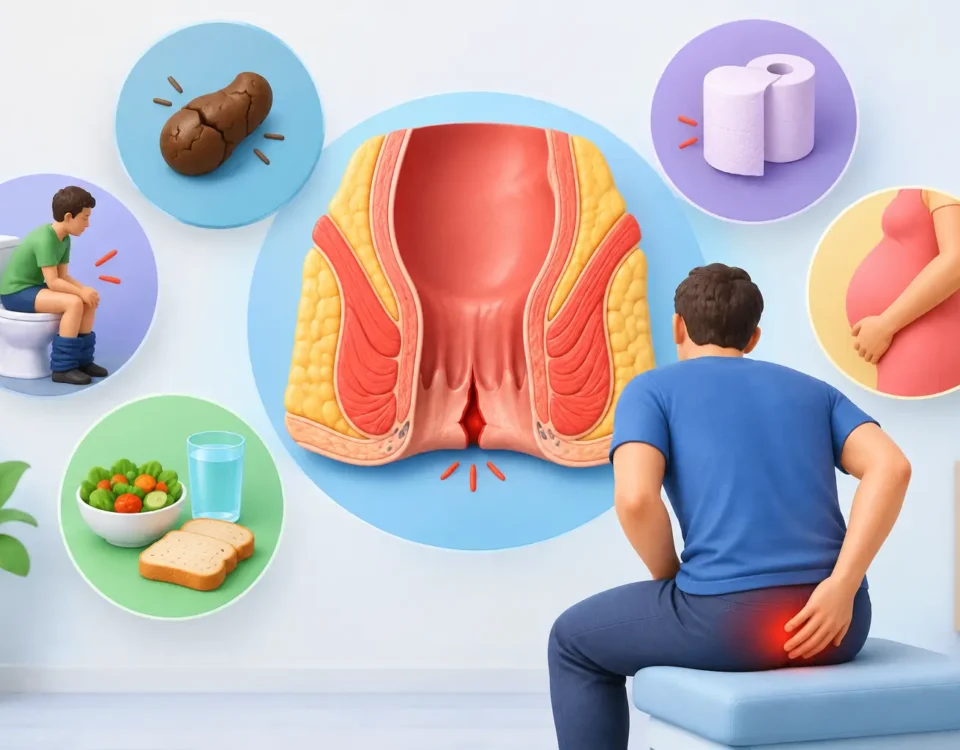
Hemorrhoids are swollen blood vessels in and around the anus and lower rectum. Straining increases pressure in this area, which can enlarge hemorrhoids or make existing symptoms more noticeable. It can also aggravate an anal fissure, a small tear in the lining of the anus that often causes sharp pain during or after a bowel movement.
Constipation is a common driver, but it is not the only one. Some people strain because they routinely delay going to the bathroom. Others spend too long on the toilet, use a position that makes passing stool more difficult, or have stools that are technically regular but still dry and hard. Pregnancy, heavy lifting, certain medications, low fluid intake, and changes in daily routine can also contribute.
A short episode of straining is common. Repeated straining, especially when paired with bleeding or pain, deserves attention. You should not have to plan your day around avoiding a bowel movement.
How to Prevent Hemorrhoid Straining at Home
The most effective prevention strategies work together. A fiber supplement without enough water can leave you feeling bloated. More water without enough dietary fiber may not change stool consistency much. Start with manageable changes and give your body time to adjust.
Keep Stool Soft With Fiber and Fluids
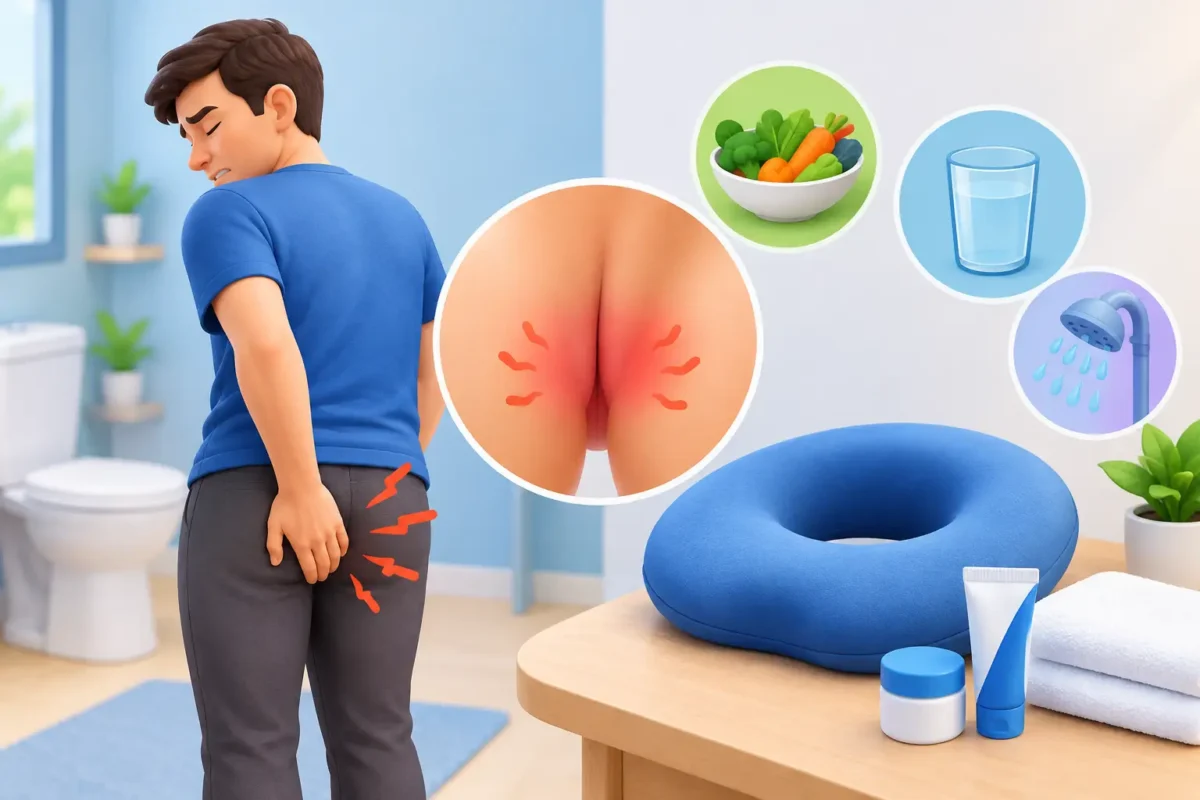
Fiber adds bulk and holds water in the stool, making it easier to pass. Adults often benefit from gradually increasing fiber through foods such as beans, oats, vegetables, fruit, whole grains, and nuts. A fiber supplement can be useful when diet alone is not enough, but introduce it slowly. Adding too much too quickly can cause gas, cramping, or bloating.
Fluids matter because fiber works best when there is adequate water in the digestive system. Plain water is a reliable choice. Your individual needs vary based on activity level, climate, medical conditions, and medications, so people with heart or kidney conditions should follow the fluid guidance provided by their clinician.
Pay attention to the result, not just the number of glasses or grams. The practical target is a soft, formed stool that passes without forcing. Persistently loose stool can also irritate hemorrhoids, so more fiber is not always better. If diarrhea is part of the problem, a medical evaluation may be more helpful than simply increasing supplements.
Go When Your Body Signals You
Ignoring the urge to have a bowel movement can allow stool to sit longer in the colon, where more water is absorbed. That can make it harder and drier by the time you go. When possible, use the restroom when you first feel the need rather than waiting until your schedule is more convenient.
Many people find that a regular time helps. The digestive system is often more active after meals, particularly breakfast. Sitting briefly at the same time each day can support a routine, but do not stay there trying to make something happen. If you do not have an urge after a few minutes, get up and try again later.
Change Your Toilet Position
Standard toilets place the hips at roughly a 90-degree angle, which is not always the easiest position for a bowel movement. Raising your feet on a small, stable footstool can bring your knees above your hips and help relax the muscles involved in passing stool.
Lean forward slightly with your elbows on your knees, keep your abdomen relaxed, and breathe normally. Avoid holding your breath and bearing down. If stool is not passing easily, stop pushing. The solution is rarely to push harder.
Limit Toilet Time and Put the Phone Away
Toilets are not meant to be a place to scroll, read, or catch up on messages. Staying seated for long periods adds pressure to the anal area, even if you are not actively straining. Aim to finish within a few minutes.
If you are still sitting because you feel incomplete, that feeling may be related to constipation, irritated hemorrhoids, pelvic floor muscle tension, or another condition. Repeatedly returning to the toilet and forcing can make symptoms worse. It is better to get up, move around, hydrate, and revisit the issue with a clinician if it continues.
Use Laxatives Carefully
Short-term stool softeners or osmotic laxatives may help some people during a constipation flare, after travel, or while adjusting fiber intake. However, the right option depends on your health history and medications. Stimulant laxatives can be useful in specific situations but are not the best long-term answer for everyone.
If you need laxatives frequently, have constipation that lasts more than a few weeks, or cannot have a bowel movement without significant effort, ask a healthcare professional for guidance. Ongoing straining may have a cause that deserves treatment.
Habits Outside the Bathroom Matter Too
Regular movement supports normal bowel function. Even a daily walk can help stimulate the digestive tract and reduce the sluggishness that often contributes to constipation. Long periods of sitting, especially when combined with low fluid intake and rushed meals, can make symptoms more likely.
Review changes that happened before your symptoms began. Iron supplements, some pain medications, certain antidepressants, and other medications can cause constipation. Do not stop prescribed medication on your own, but tell your prescribing clinician about bowel changes. A different dose, timing, or constipation-prevention plan may be possible.
Heavy lifting can also raise pressure in the abdomen and pelvic area. Use proper form, exhale during effort rather than holding your breath, and avoid pushing through pain. This does not mean you must avoid exercise. In most cases, staying active is beneficial, but severe hemorrhoid symptoms may call for temporary adjustments.
When Home Measures Are Not Enough
Lifestyle changes can reduce straining, but they do not always resolve hemorrhoids that are already enlarged, prolapsing, bleeding, or persistently painful. Over-the-counter creams and wipes may provide temporary comfort, yet they do not address every cause of rectal symptoms. Some products can irritate the skin when used repeatedly.
Rectal bleeding should never be automatically assumed to be hemorrhoids. Bright red blood may occur with hemorrhoids or fissures, but bleeding can have other causes. Schedule an evaluation if bleeding is new, recurrent, heavy, or accompanied by changes in bowel habits, unexplained weight loss, abdominal pain, fatigue, or dark stools.
Seek prompt medical attention for severe rectal pain, fever, dizziness, heavy bleeding, or a painful lump that appears suddenly. These symptoms may require timely assessment.
For ongoing hemorrhoid symptoms, specialized care can offer a more definitive path forward. Office-based options such as hemorrhoid banding may treat eligible internal hemorrhoids without traditional surgery, anesthesia, or an extended recovery period. A focused evaluation also helps distinguish hemorrhoids from anal fissures and other conditions that need a different treatment plan.
A More Comfortable Routine Is the Goal
Preventing straining is not about following rigid rules or forcing a daily schedule. It is about creating conditions where your body can work normally: softer stool, enough fluid, prompt response to the urge, a better position, and less time sitting and pushing. If those changes are not bringing relief, discreet, expert care can help you move beyond temporary workarounds and get back to your normal day with greater comfort.