

How to Prevent Hemorrhoid Straining and Pain
September 28, 2026
How to Recognize Fissure Symptoms and Get Relief
October 2, 2026
A painful lump near the anus that seems to appear overnight can be alarming. This thrombosed hemorrhoid guide explains what may be happening, what you can do for comfort now, and when an in-office evaluation is the fastest path toward relief.
A thrombosed hemorrhoid is common, treatable, and nothing to be embarrassed about. The defining feature is often sudden, intense pain that makes sitting, walking, or having a bowel movement difficult. While home care can help some people manage symptoms as the area heals, severe pain deserves prompt attention from a clinician experienced in hemorrhoid care.
What Is a Thrombosed Hemorrhoid?
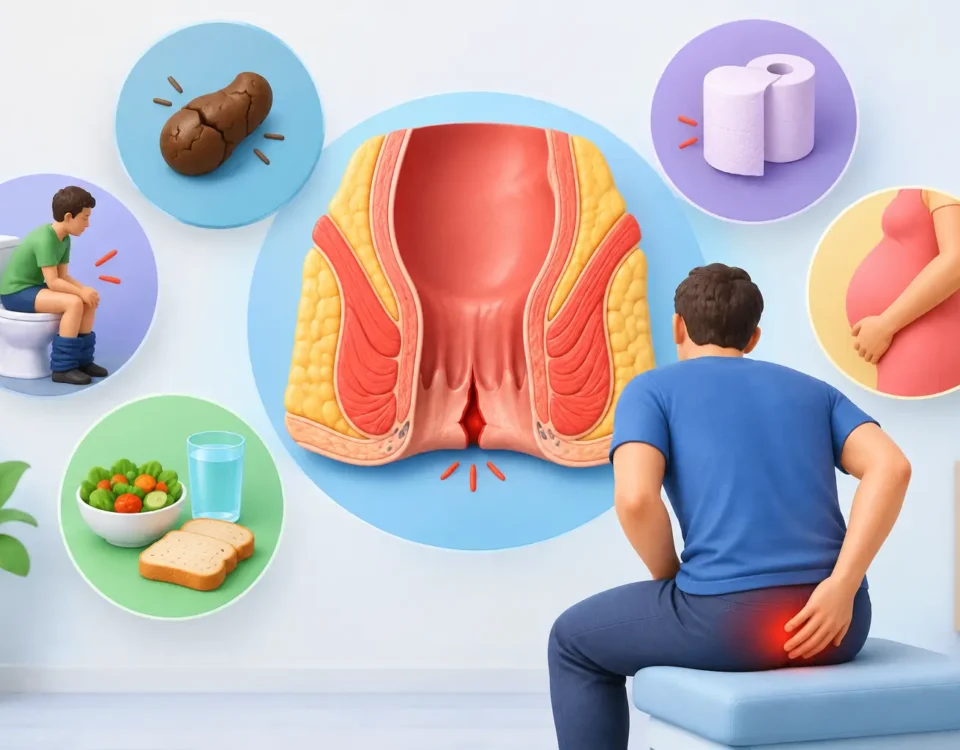
Hemorrhoids are swollen veins in or around the anus and lower rectum. A thrombosed hemorrhoid occurs when a blood clot forms inside an external hemorrhoid. The trapped blood creates a firm, tender lump, often with a blue, purple, or dark red appearance.
This is different from most internal hemorrhoids, which are located inside the rectum and more commonly cause painless bleeding, pressure, or tissue that protrudes during a bowel movement. A thrombosed external hemorrhoid is typically painful because the skin around the anus contains many sensitive nerve endings.
The pain is often at its worst during the first 48 to 72 hours. After that, the body may gradually reabsorb the clot and swelling can improve over days to a few weeks. That timeline varies. Some people feel noticeably better with conservative care, while others continue to have pain or are bothered by the remaining skin tag after the swelling resolves.
Symptoms That Suggest a Thrombosed Hemorrhoid
The most common sign is a sudden, hard lump at the anal opening accompanied by sharp or throbbing pain. You may notice swelling, tenderness when cleaning the area, and discomfort that worsens with sitting or bowel movements. Minor bleeding can occur, especially if the skin over the hemorrhoid becomes irritated.
Not every painful anal lump is a thrombosed hemorrhoid. An anal fissure, abscess, skin infection, or other condition can cause similar symptoms. That is why an accurate exam matters, particularly when pain is severe or you have not had symptoms like this before.
What causes the clot?
Pressure in the veins around the anus can contribute to hemorrhoids and clot formation. Straining during constipation, prolonged sitting on the toilet, heavy lifting, pregnancy, diarrhea, and long periods of sitting can all play a role. Sometimes there is no obvious trigger.
The practical goal is not to blame yourself for the episode. It is to address the pain, avoid more straining, and identify habits that may reduce the chance of another flare.
Thrombosed Hemorrhoid Guide: What to Do at Home
If symptoms are mild to moderate and you do not have warning signs, several measures can reduce irritation while you arrange care or see whether symptoms settle.
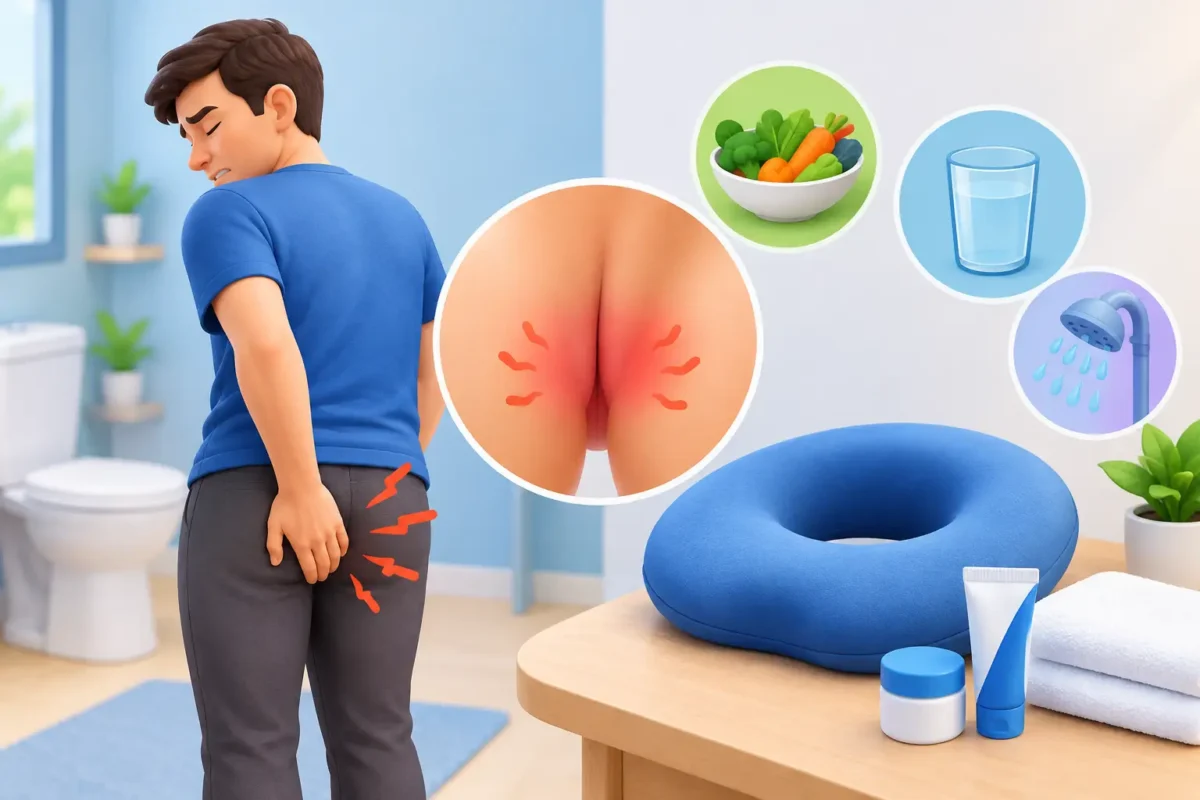
Warm sitz baths can relax the area and provide short-term comfort. Soaking in plain warm water for 10 to 15 minutes a few times daily and after bowel movements is usually sufficient. Avoid very hot water, fragranced products, or harsh soaps, which can further irritate sensitive skin.
Cold packs wrapped in a clean cloth may temporarily reduce swelling. Use brief intervals rather than placing ice directly on the skin. Over-the-counter pain relievers may also help when they are safe for you to take. Ask a clinician or pharmacist before using medication if you take blood thinners, have kidney disease, ulcers, liver disease, or other medical conditions that affect your options.
Keeping stool soft is equally useful. Drink water regularly, increase fiber gradually through food or a fiber supplement, and consider a stool softener if recommended by a healthcare professional. The goal is a bowel movement that passes without prolonged straining. Do not sit on the toilet scrolling or waiting for a bowel movement. If it is not happening, get up and try later.
Gentle hygiene can prevent extra irritation. Rinse with water, pat dry rather than rubbing, and choose unscented products. Topical hemorrhoid creams may offer limited, temporary symptom relief, but they do not remove a clot. Avoid using steroid-containing creams for extended periods unless a clinician advises it, as they can thin the skin.
When Prompt Medical Care Can Help
A thrombosed hemorrhoid is not usually dangerous, but the pain can be disruptive enough to merit same-day or next-day evaluation. This is especially true when pain is severe, the lump is rapidly enlarging, or your symptoms began within the last few days.
For select patients with a very painful, newly thrombosed external hemorrhoid, a clinician may discuss a small office procedure to remove the clot or excise the hemorrhoid. This can provide faster relief than waiting for the body to reabsorb the clot. Timing, clot size, pain level, your medical history, and medications all affect whether this is the right choice.
There is a trade-off. A procedure involves a local anesthetic and a short recovery period, while conservative care avoids an incision but may mean tolerating discomfort longer. A focused exam lets your provider explain the expected benefit in your specific situation rather than applying a one-size-fits-all approach.
Non-surgical hemorrhoid treatments such as banding are generally designed for internal hemorrhoids, not for an acutely thrombosed external hemorrhoid. If an exam shows internal hemorrhoids are also contributing to bleeding, prolapse, or recurring symptoms, a specialized provider can discuss the appropriate treatment sequence.
Do Not Ignore These Warning Signs
Seek urgent medical evaluation for heavy rectal bleeding, dizziness, fainting, fever, chills, drainage of pus, spreading redness, inability to urinate, or pain that becomes extreme. These symptoms may point to something other than a simple thrombosed hemorrhoid and should not be managed with home remedies alone.
You should also be evaluated for any new rectal bleeding, particularly if you are over 45, have a personal or family history of colorectal cancer or inflammatory bowel disease, have unexplained weight loss, or notice a lasting change in bowel habits. Hemorrhoids are common, but they should not automatically be assumed to be the source of bleeding.
What Recovery Usually Looks Like
With conservative care, the sharpest pain often eases after the first few days, while the lump may take several weeks to shrink. The skin can remain loose afterward, creating a small skin tag. It is typically harmless, though it can occasionally make hygiene more difficult or become irritated.
After an office procedure, many patients can return to routine activities quickly, but bowel movements may be tender for a short time. Your clinician may recommend warm baths, pain management, fiber, and stool-softening measures during healing. Follow the specific aftercare instructions you receive, since treatment and recovery needs differ from person to person.
Recurring episodes are possible, particularly when constipation, straining, or prolonged toilet time continue. A regular fiber routine, good hydration, physical activity, and responding to the urge to have a bowel movement can make a meaningful difference over time.
Get an Answer Instead of Waiting in Pain
Painful hemorrhoid symptoms can feel too personal to discuss, which leads many people to wait longer than they need to. A private evaluation by a clinician who treats anorectal conditions every day can confirm the cause of the pain and clarify whether home care, medication, or a brief in-office treatment offers the best next step.
You do not need to push through severe discomfort or guess at what a lump or bleeding means. Prompt, specialized care can help you move from uncertainty to a practical plan for relief and a more comfortable return to daily life.