

Thrombosed Hemorrhoid Guide for Fast Relief
September 30, 2026
Top Causes of Anal Fissures and What to Do
October 4, 2026
A sharp, cutting pain during a bowel movement can make even a routine trip to the bathroom stressful. If you are wondering how to recognize fissure symptoms, the most useful clue is often the type and timing of pain. Anal fissures commonly cause intense pain with bowel movements, sometimes followed by burning or throbbing that lasts minutes or even hours.
An anal fissure is a small tear in the lining of the anal canal. It is common, treatable, and nothing to feel embarrassed about. However, fissure symptoms can overlap with hemorrhoids and other conditions, so a focused evaluation is the best way to get the right treatment and avoid letting a painful problem become chronic.
How to Recognize Fissure Symptoms
The classic symptom of an anal fissure is pain that feels sharp, tearing, or like a paper cut as stool passes. Many patients describe anticipating the next bowel movement because the discomfort is so distinct. The pain may continue after the bowel movement as a burning, spasm-like, or aching sensation.
Bright red blood is also common. You may see a small amount on toilet paper, on the outside of the stool, or in the toilet bowl. Fissure bleeding is usually light, but any rectal bleeding deserves medical attention, especially if it is recurring, heavy, dark in color, or accompanied by weakness, dizziness, or abdominal symptoms.
Other possible signs include itching, irritation, tenderness around the anus, or a visible crack in the skin. With a fissure that has lasted for weeks, a small skin tag or raised area may develop near the tear. That does not necessarily mean the condition is severe, but it can be a sign that the fissure has become more persistent and needs professional care.
The Symptom Pattern That Often Points to a Fissure
Timing matters. Hemorrhoids can cause bleeding, itching, swelling, and a feeling of pressure. An anal fissure is more likely to cause severe pain during and after passing stool. The difference is not always clear, especially when hemorrhoids and fissures occur together, but this pain pattern is a meaningful clue.
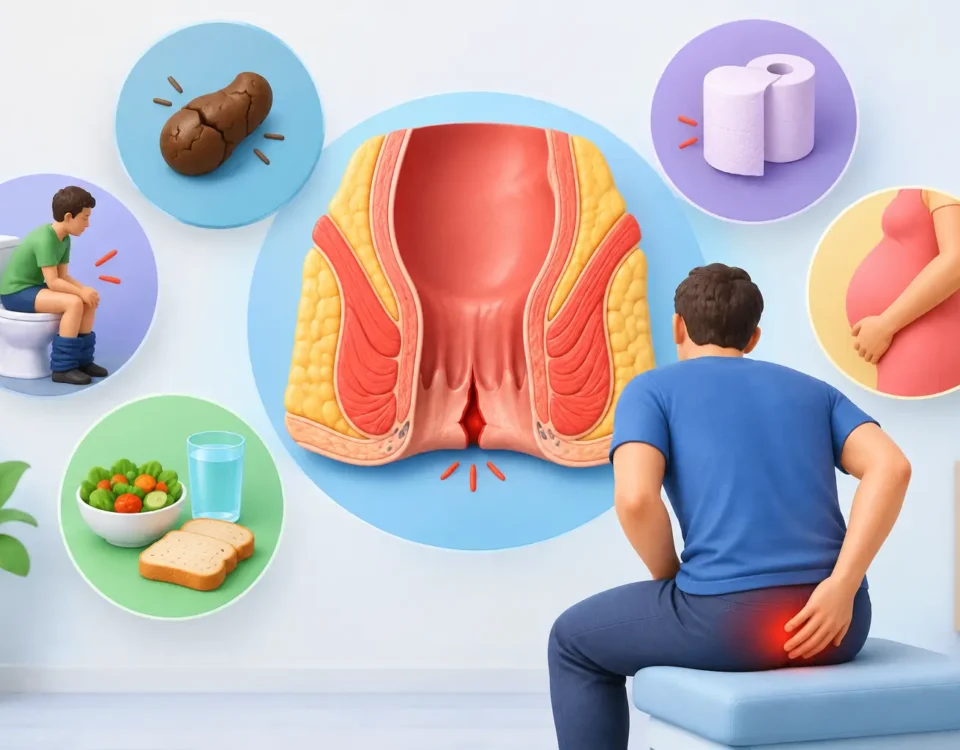
Constipation is a frequent trigger. A hard or large bowel movement can stretch the anal lining and create a tear. Diarrhea, repeated straining, childbirth, and frequent wiping can also irritate the area and contribute to fissure symptoms. Once pain begins, some people hold back bowel movements to avoid discomfort. Unfortunately, that can make stool harder and prolong the cycle.
A fissure may also cause muscle spasm in the anal canal. This spasm can increase pain and reduce blood flow to the area, making it harder for the tear to heal. That is one reason an anal fissure is not always resolved by simply waiting for it to go away.
Fissure or Hemorrhoid: Why the Difference Matters
Both conditions can produce bright red bleeding and anal discomfort, but their treatment approaches may differ. Hemorrhoids are swollen veins in or around the anus. Internal hemorrhoids often bleed without significant pain, while external hemorrhoids may cause a tender lump, swelling, or discomfort. A fissure is a tear in the tissue and is usually more closely associated with sharp pain during bowel movements.
It is not safe to assume rectal bleeding is “just hemorrhoids” or “just a fissure.” Symptoms can be similar across several anorectal conditions, and a proper examination helps rule out other causes. Specialized care also allows your provider to determine whether you have a new fissure that may respond to medication and bowel habit changes or a chronic fissure that may need a more targeted non-surgical treatment plan.
When Symptoms Need Prompt Medical Attention
A new episode of mild discomfort after constipation may improve with conservative measures, but do not wait indefinitely if pain or bleeding continues. Schedule an evaluation if symptoms last more than a few days, keep returning, interfere with work or sleep, or make you avoid bowel movements.
Seek prompt medical care for heavy bleeding, black or tar-like stools, fever, drainage, a painful swelling that is rapidly worsening, unexplained weight loss, or severe abdominal pain. These symptoms are not typical of a simple fissure and should be assessed without delay.
Adults over 45, people with a personal or family history of colorectal cancer, and anyone with a change in bowel habits should be particularly careful about new rectal bleeding. Even when a fissure is present, your provider may recommend additional evaluation based on your age, medical history, and symptoms.
What Happens During a Fissure Evaluation
Many patients put off care because they expect a painful or complicated visit. In reality, an evaluation is usually straightforward and focused on finding the source of your symptoms. Your provider will ask when the pain started, whether you have constipation or diarrhea, what the bleeding looks like, and which treatments you have already tried.
A careful external exam can often identify a fissure. Depending on your pain level and the findings, an internal examination may be limited or postponed. The goal is not to make you endure unnecessary discomfort. The goal is to make an accurate diagnosis and create a plan that addresses pain, healing, and prevention.
At Hemorrhoid Centers of America, patients are evaluated by board-certified providers who focus specifically on hemorrhoids and anal fissures. That focused experience can be especially valuable when symptoms have not improved with over-the-counter creams, dietary changes, or home remedies.
Treatment Can Often Be Non-Surgical
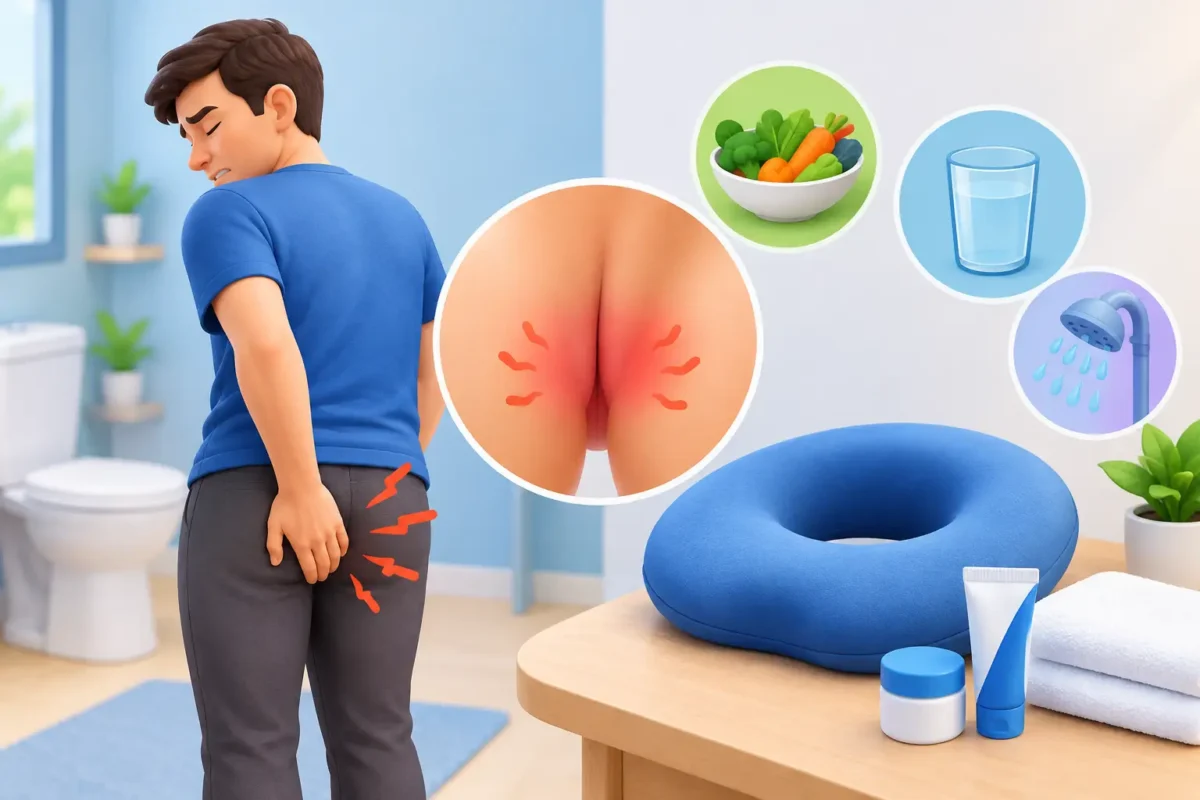
Treatment depends on whether the fissure is acute or chronic, how severe your symptoms are, and whether constipation or another bowel issue is contributing. Early fissures may improve with measures that soften stool, reduce straining, and calm irritation. This may include increasing fluid intake, adding fiber gradually, using a stool-softening regimen when appropriate, and avoiding prolonged sitting or straining on the toilet.
Warm sitz baths can help relax the area and ease discomfort for some patients. Over-the-counter products may temporarily soothe irritation, but they do not always address the muscle spasm or impaired healing that can keep a fissure active. Using multiple creams without a diagnosis can also delay more effective care.
For persistent fissures, prescription topical medications may help relax the anal muscle and improve blood flow so the tear can heal. Some patients need a customized medication protocol or an office-based procedure designed to treat the underlying problem without traditional surgery. The right option depends on your exam findings, medical history, and response to initial treatment.
The benefit of specialized non-surgical care is practical as well as clinical. Many patients want effective treatment that fits their schedule, avoids hospital-based surgery and anesthesia, and allows them to return to normal activity with minimal downtime. A clinician can explain what is appropriate for your specific condition rather than relying on a one-size-fits-all approach.
Do Not Let Embarrassment Delay Relief
Painful bowel movements are disruptive. They can affect concentration at work, travel plans, exercise, sleep, and meals. Yet many people wait because they feel embarrassed discussing symptoms or assume they have to live with the discomfort. Anal fissures are common medical conditions, and specialized providers discuss them every day.
If sharp pain, burning after bowel movements, or recurring bright red bleeding has become part of your routine, it is time to get answers. Prompt evaluation can clarify whether a fissure is causing your symptoms and help you move toward relief before a short-term problem becomes a longer, more painful one.