
How to Recognize Fissure Symptoms and Get Relief
October 2, 2026
Why Anal Itching Happens and How to Get Relief
October 6, 2026
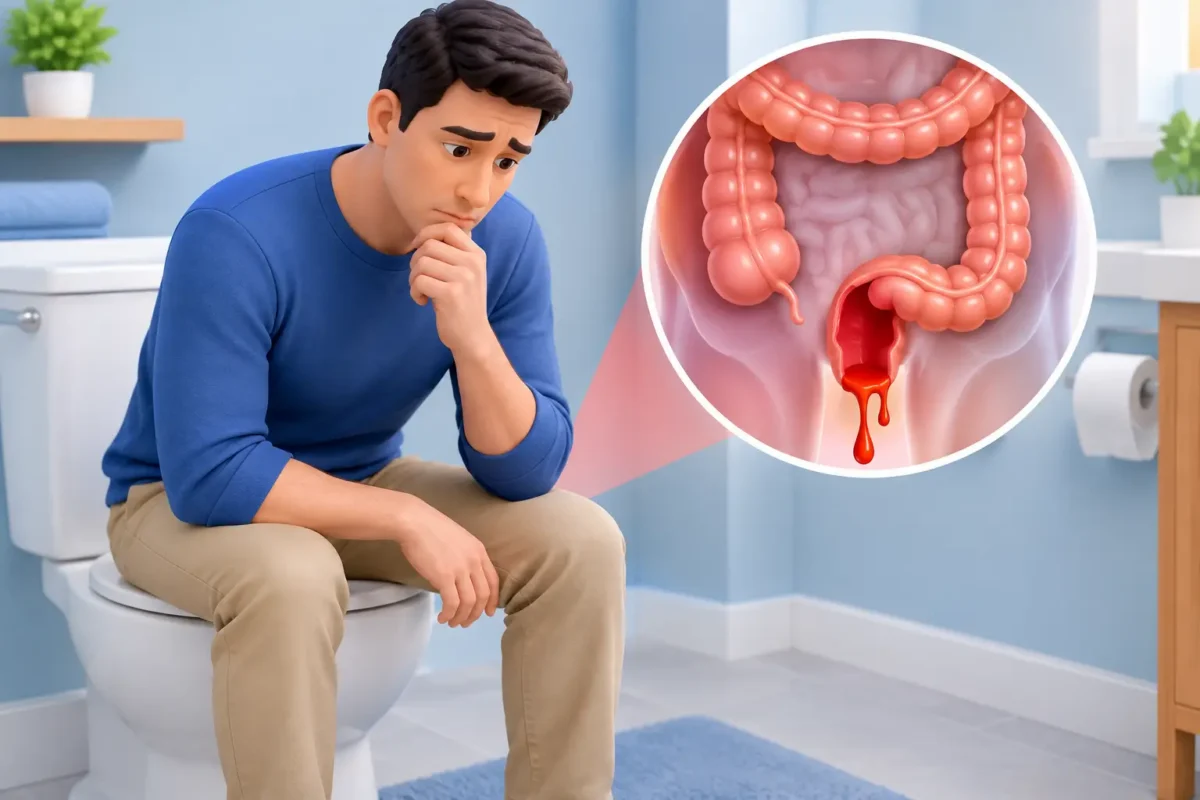
A sharp, tearing pain during or after a bowel movement is not something to ignore or simply push through. The top causes of anal fissures usually involve strain or irritation to the anal canal, but the symptoms can overlap with hemorrhoids and other conditions. Knowing what triggered the problem can help you stop the cycle of pain, muscle tightening, and difficult bowel movements – and get the right care sooner.
An anal fissure is a small tear in the thin lining of the anus. It can cause severe pain, burning, itching, or bright red blood on toilet paper or the stool. Although fissures are common, many people delay seeking help because the symptoms are personal or embarrassing. Prompt evaluation is often the fastest path to relief, especially when symptoms persist or return.
The Top Causes of Anal Fissures
Constipation and hard stools
Constipation is one of the most common causes of an anal fissure. When stool is hard, dry, or unusually large, passing it can stretch the anal opening and tear the sensitive tissue. Straining makes the pressure even greater.
Constipation can develop for many reasons, including a low-fiber diet, not drinking enough fluids, travel, a change in routine, limited physical activity, or delaying the urge to have a bowel movement. Some medications can contribute as well, including opioid pain medicine, certain antacids, iron supplements, and some antidepressants.
One painful bowel movement can be enough to start a fissure. The pain may then cause a person to avoid going to the bathroom, allowing stool to become harder and making the next bowel movement more difficult. Breaking that pattern matters.
Diarrhea and frequent bowel movements
Fissures are not caused only by hard stool. Frequent loose stools and diarrhea can repeatedly irritate the anal lining. Wiping more often, urgency, and repeated trips to the bathroom can leave the tissue inflamed and more vulnerable to tearing.
Short-term diarrhea from a stomach illness may resolve without causing lasting trouble. But diarrhea that continues, keeps returning, or occurs with abdominal pain, weight loss, fever, or fatigue deserves medical attention. Chronic digestive conditions, food intolerances, medication effects, and infections can all play a role.
Straining and prolonged time on the toilet
Straining to force a bowel movement puts direct pressure on the anal canal. Sitting on the toilet for extended periods can also increase pressure in the rectal area, particularly when a person is scrolling on a phone while waiting for a bowel movement to happen.
A bowel movement should not require prolonged effort. If you regularly strain, feel incomplete emptying, or spend a long time on the toilet, addressing bowel habits can reduce the risk of a fissure and other anorectal problems.
Childbirth and pelvic pressure
Pregnancy and vaginal delivery can place substantial pressure on the pelvic floor and anal tissues. Constipation is also common during pregnancy and after delivery, which adds another risk factor. Some women develop an anal fissure in the weeks after childbirth because of hard stools, pushing, or changes in bowel habits during recovery.
Postpartum rectal pain or bleeding is often assumed to be hemorrhoids, but a fissure may be the cause. The distinction matters because the treatment approach can be different. An examination by an experienced provider can identify the source of symptoms and help guide safe treatment.
Tight anal muscles and the pain-spasm cycle
A fissure can lead to spasm in the internal anal sphincter, the muscle that helps control bowel movements. This spasm can reduce blood flow to the injured area, making it harder for the tear to heal. It also causes the intense pain many patients describe after a bowel movement.
This is why some fissures become chronic even after the original trigger, such as constipation, has improved. The ongoing muscle tension and reduced healing create a cycle that home remedies alone may not resolve. Chronic fissures often need focused medical treatment to relax the area, improve healing conditions, and prevent repeated tearing.
Trauma or irritation to the anal canal
Direct trauma can injure the anal lining. This may occur after anal intercourse, use of rectal devices, or a medical procedure involving the rectum. Rough wiping and irritating hygiene products can also worsen already sensitive skin, although they are less likely to cause a deep fissure on their own.
Gentle care is best. Avoid harsh soaps, fragranced wipes, and aggressive scrubbing. If anal pain begins after trauma or does not improve, an examination is the safest way to rule out a more significant injury.
Inflammatory bowel disease and other medical conditions
Most fissures are related to constipation, diarrhea, or local trauma. However, fissures that occur repeatedly, do not heal, appear in an unusual location, or are accompanied by other digestive symptoms may be associated with an underlying condition.
Crohn’s disease is one example. It can cause inflammation anywhere in the digestive tract, including around the anus. Certain infections, skin conditions, and, rarely, cancer can also cause symptoms that resemble or contribute to a fissure. This does not mean every fissure signals a serious disease. It does mean persistent symptoms should not be self-diagnosed indefinitely.
Why Anal Fissures Can Be So Painful
The anus contains a high concentration of nerve endings, so even a small tear can cause significant discomfort. Many people feel cutting pain during a bowel movement followed by burning or throbbing that lasts minutes or hours. Bright red bleeding may be visible on toilet paper, but bleeding is not always present.
Hemorrhoids can also cause bleeding, itching, swelling, and discomfort. A fissure is not the same as a hemorrhoid, though both conditions can occur at the same time. Assuming all rectal bleeding is hemorrhoids can delay appropriate treatment, particularly when pain is severe or symptoms continue.
When Home Care May Not Be Enough
For a new, mild fissure, keeping stools soft and avoiding strain may support healing. Adequate fluids, dietary fiber, regular movement, and responding to the natural urge to have a bowel movement can make a real difference. Warm sitz baths may temporarily ease discomfort for some people.
Still, ongoing pain is a reason to seek care rather than repeatedly trying over-the-counter products. A fissure that lasts more than a few weeks, returns often, or causes significant pain may need prescription medication or an office-based treatment plan. The goal is not just to quiet symptoms temporarily. It is to help the tear heal and reduce the likelihood that it becomes chronic.
Seek prompt medical evaluation for heavy bleeding, black or maroon stools, fever, drainage, a new lump, unexplained weight loss, or severe pain that makes bowel movements difficult. These symptoms may point to a condition other than a routine fissure.
Focused Care Can Help You Heal Without Major Disruption
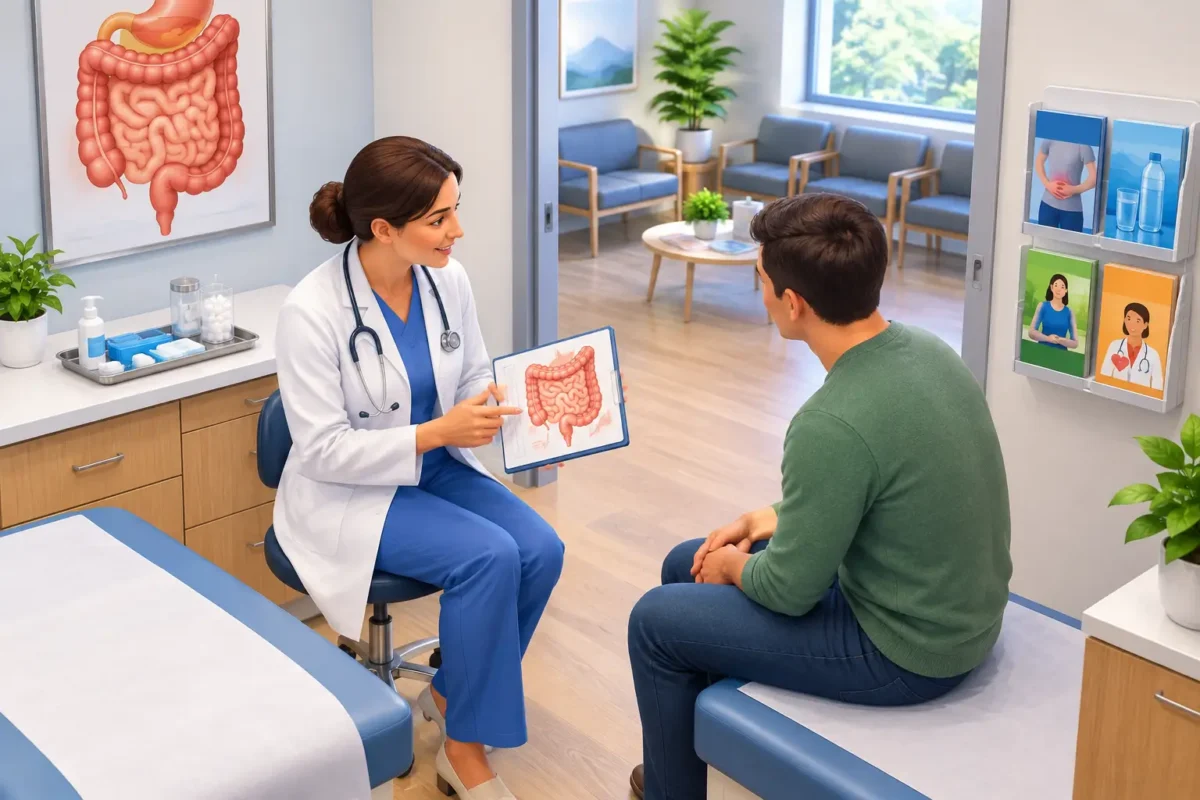
An experienced anorectal provider can usually diagnose an anal fissure through a careful history and examination. Care is tailored to the cause, the duration of symptoms, and whether muscle spasm or another condition is interfering with healing. Many patients can be treated without traditional surgery, anesthesia, or a lengthy recovery.
At Hemorrhoid Centers of America, board-certified providers focus on conditions such as anal fissures and hemorrhoids, helping patients move from uncertainty to a clear treatment plan. If pain, bleeding, or irritation is disrupting your day, you do not need to wait for it to become a larger problem. Getting a precise diagnosis can provide reassurance and put relief within reach.