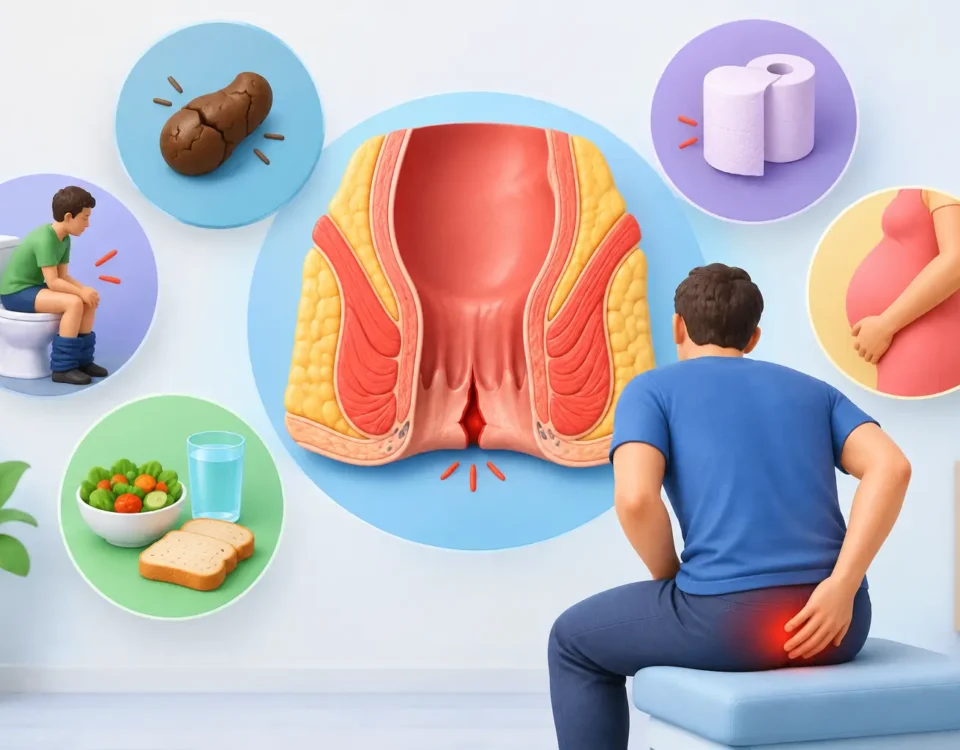


Patient Guide to Fissure Medications and Relief
September 22, 2026
How to Manage Thrombosed Hemorrhoids Safely
September 26, 2026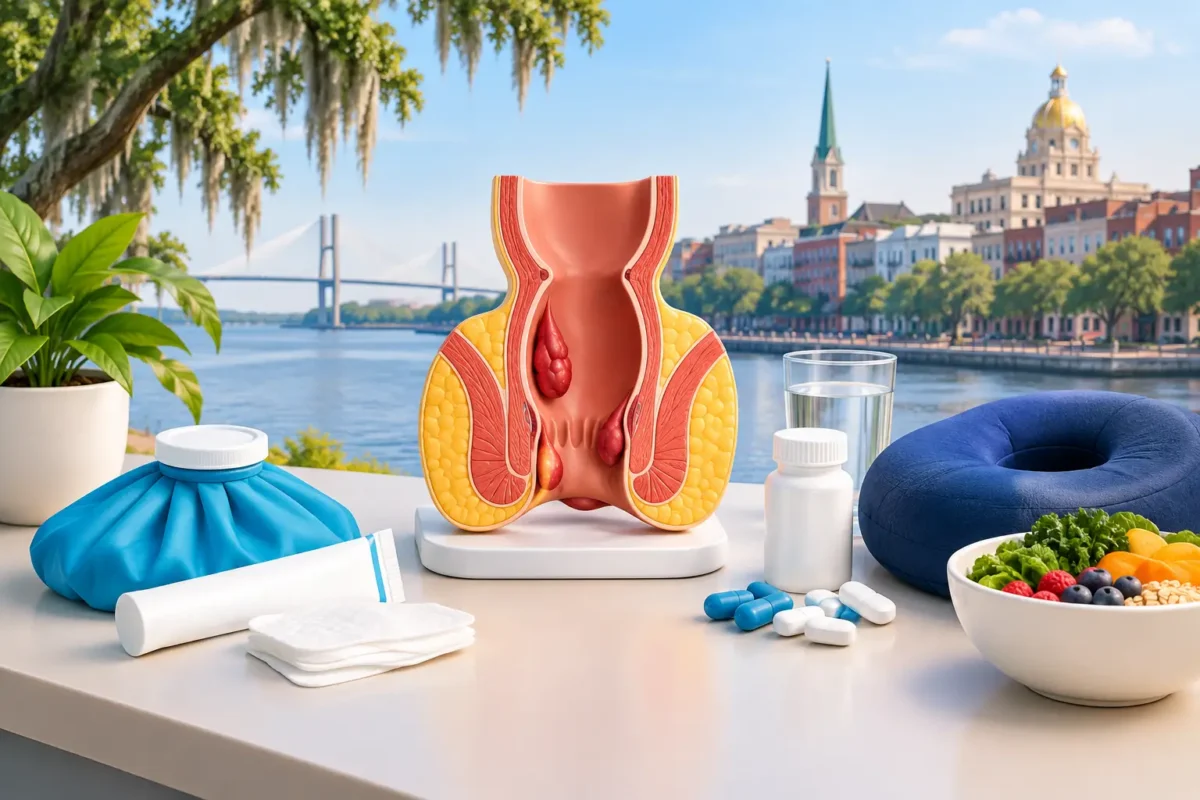
Pain during a meeting. Bleeding after a bowel movement. Itching that makes it hard to focus on anything else. Hemorrhoid symptoms can interrupt daily life, yet many people delay care because they are embarrassed or assume surgery is the only answer. Savannah hemorrhoid treatment options range from short-term symptom relief at home to quick, office-based procedures that address the hemorrhoid directly without traditional surgery.
The right treatment depends on what is causing your symptoms, the type of hemorrhoid involved, and how long conservative measures have helped. A focused evaluation can replace guesswork with a clear plan for relief.
Start With an Accurate Diagnosis
Hemorrhoids are swollen veins in or around the anus. Internal hemorrhoids are inside the rectum and commonly cause painless bright-red bleeding, pressure, or tissue that protrudes during a bowel movement. External hemorrhoids occur under the skin around the anus and may cause itching, swelling, tenderness, or a painful clot known as a thrombosed hemorrhoid.
Symptoms can overlap with anal fissures, skin irritation, infections, inflammatory bowel conditions, and, less commonly, more serious colorectal concerns. Rectal bleeding should not automatically be blamed on hemorrhoids. A medical provider can identify the source of bleeding and recommend treatment that fits the diagnosis rather than simply masking symptoms.
This matters because a patient with a fissure may need a different medication plan than a patient with an internal hemorrhoid that continues to bleed or prolapse. The fastest route to meaningful relief is usually a precise diagnosis first.
Savannah Hemorrhoid Treatment Options: What They Include
Treatment generally progresses from measures that reduce irritation to procedures that treat persistent internal hemorrhoids. Not everyone needs the same approach, and surgery is not the default for many patients.
Home care for mild or occasional symptoms
For mild symptoms, the goal is to make bowel movements easier and reduce pressure on hemorrhoidal tissue. Increasing fiber gradually, drinking adequate water, and avoiding prolonged straining can help prevent constipation and hard stools. Some patients benefit from a fiber supplement or stool-softening strategy recommended by a clinician.
Warm baths may soothe discomfort, while short-term over-the-counter creams, wipes, or suppositories can provide temporary relief for itching and irritation. These products can be useful, but they do not remove the underlying hemorrhoid. Repeated use of certain topical products, especially steroid creams, may irritate or thin sensitive skin if used longer than directed.
Home care makes sense when symptoms are minor and improving. If bleeding, pain, swelling, or protrusion keeps returning, it is time to move beyond temporary measures.
Prescription medication protocols
Medication may be appropriate when inflammation, itching, muscle spasm, or an anal fissure is contributing to symptoms. For fissures, providers may use custom topical medications designed to relax the area and support healing. The medication and duration depend on the diagnosis, medical history, and symptom severity.
Medication can be highly useful for the right condition, but it has limits. A cream cannot reliably resolve an internal hemorrhoid that repeatedly prolapses or bleeds. Patients deserve a plan that addresses the actual source of the problem, not just a refill for recurring discomfort.
Office-based hemorrhoid banding
Rubber band ligation, often called hemorrhoid banding, is a common non-surgical treatment for many internal hemorrhoids. During the procedure, a small band is placed at the base of the hemorrhoid. The band reduces blood flow to the tissue, allowing it to shrink and separate over time.
For appropriate candidates, banding is performed in an office setting and does not require traditional surgery or general anesthesia. Most patients return to routine activity the same day, although providers may recommend avoiding heavy lifting or strenuous exercise briefly. Mild pressure, fullness, or a dull ache can occur afterward. Severe pain is not expected and should be reported promptly.
Banding is not intended for every hemorrhoid. External hemorrhoids and some advanced prolapsing hemorrhoids may need a different approach. Some patients need more than one banding session, particularly when several internal hemorrhoids are present. That is not a failure of treatment. It is often the safest way to treat each area carefully while minimizing recovery time.
Surgical treatment when it is truly needed
Surgery may be recommended for large external hemorrhoids, recurrent thrombosed hemorrhoids, significant prolapse, or cases that have not responded to appropriate non-surgical care. Hemorrhoidectomy and other surgical procedures can be effective, but they typically involve more discomfort and a longer recovery than office-based treatment.
The trade-off is straightforward: surgery can be necessary for certain complex cases, but it should not be assumed to be the first step. A specialist can explain whether your symptoms are likely to respond to non-surgical treatment or whether a surgical consultation is more appropriate.
How to Choose the Right Treatment Path
The best option is not always the quickest-looking option online. It is the one that matches your symptoms and anatomy. A provider will usually consider whether you have bleeding, pain, itching, swelling, bowel habit changes, prolapse, prior treatment, medications that affect bleeding, and any family or personal history that may call for further evaluation.
For example, a person with occasional itching and constipation may improve with bowel habit changes and brief topical treatment. Someone with recurrent bleeding despite fiber and creams may be a better candidate for office-based banding. A person with sharp pain during bowel movements may have a fissure rather than hemorrhoids and may need a targeted medication protocol.
Ask practical questions during your appointment: What is causing my symptoms? Is this an internal hemorrhoid, external hemorrhoid, fissure, or something else? What result should I expect from treatment? How soon can I return to work, driving, exercise, and normal activities? Clear answers make it easier to choose care confidently.
What an Office Visit Can Look Like
A hemorrhoid evaluation is generally brief, private, and focused. Your provider will ask about symptoms, bowel habits, prior treatments, and health history. Depending on your symptoms, the exam may include an external inspection and a gentle internal evaluation to identify the source of bleeding or discomfort.
If office-based treatment is appropriate, it may be available during the same visit or scheduled promptly. The specific plan depends on the diagnosis and your comfort. The goal is not to push every patient into a procedure. The goal is to relieve symptoms with the least invasive effective option.
Specialized practices such as Hemorrhoid Centers of America focus on non-surgical pathways for hemorrhoids and anal fissures, helping eligible patients receive targeted treatment without the disruption of a hospital-based surgical experience.
When to Seek Care Promptly
Schedule an evaluation if bleeding continues, symptoms recur often, over-the-counter treatments are no longer helping, or you notice tissue protruding from the anus. Prompt care is also appropriate when pain makes sitting, sleeping, or having a bowel movement difficult.
Seek urgent medical attention for heavy rectal bleeding, black or tar-like stools, dizziness, fainting, fever, rapidly worsening pain, or severe abdominal symptoms. These signs may not be caused by hemorrhoids and should be evaluated without delay.
You do not have to plan your life around pain, bleeding, or the nearest restroom. A discreet evaluation can identify what is happening and point you toward treatment that fits your condition, schedule, and goal of getting back to normal as quickly as possible.