

How to Avoid Hemorrhoid Surgery
April 11, 2026
When to See a Doctor for Hemorrhoids
April 15, 2026
Seeing bright red blood after a bowel movement can be alarming. When people search for the top treatments for bleeding hemorrhoids, they usually want two things right away: to stop the bleeding and to avoid a painful, disruptive surgery if possible.
Bleeding hemorrhoids are common, but they should not be ignored. Sometimes the cause is an irritated internal hemorrhoid. Sometimes it is an external hemorrhoid, a fissure, or another condition that needs a different treatment plan. The best next step depends on how often you are bleeding, how much blood you are seeing, whether you also have pain or swelling, and how long symptoms have been going on.
What bleeding hemorrhoids usually mean
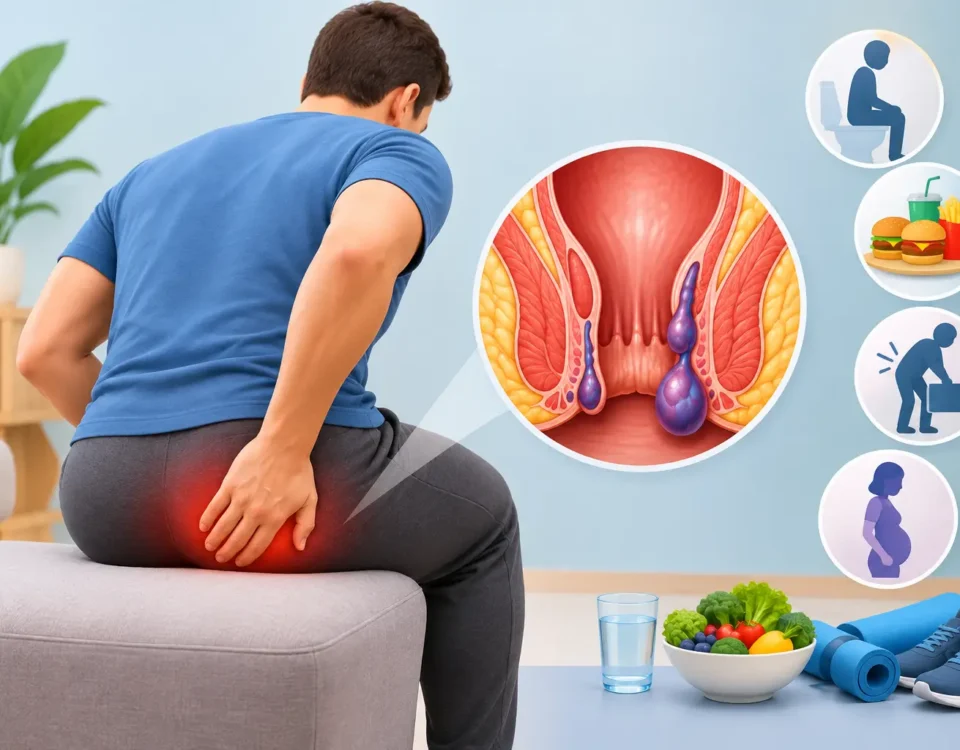
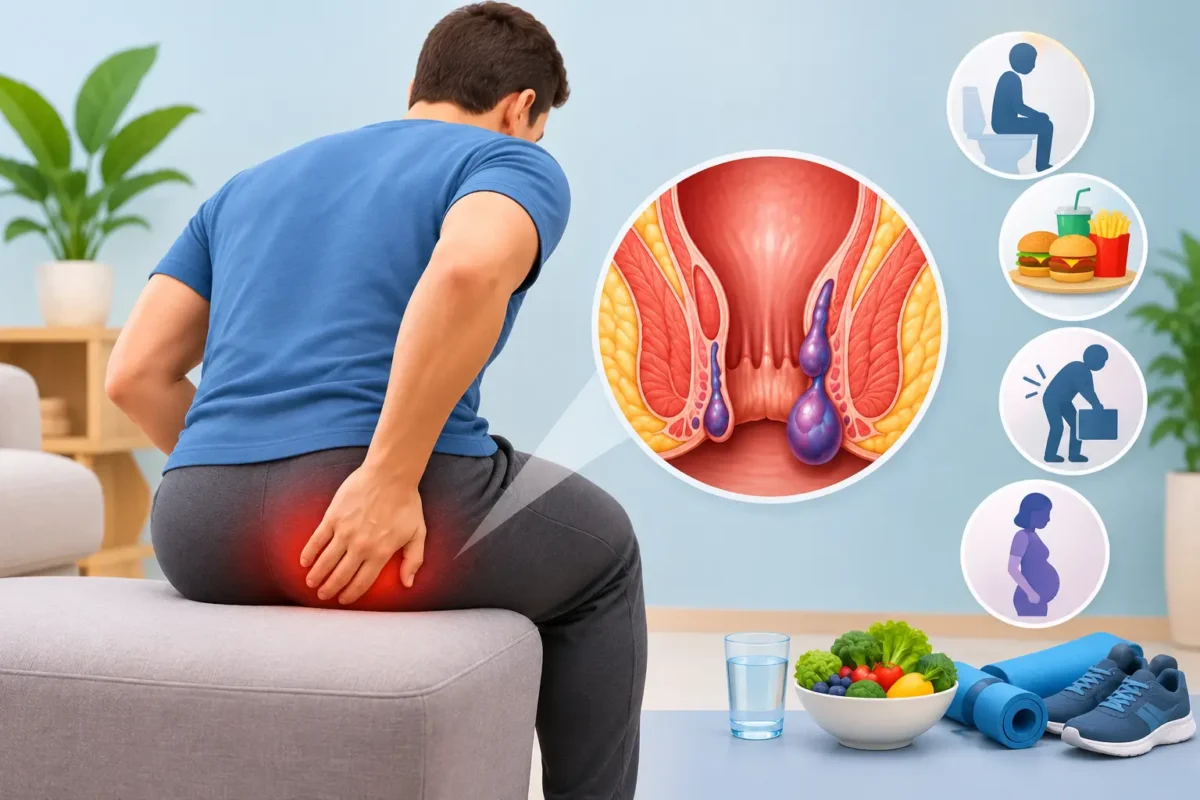
Hemorrhoids are swollen veins in the rectum or around the anus. Internal hemorrhoids often bleed with bowel movements, especially after straining or passing hard stool. The blood is typically bright red and may show up on toilet paper, in the bowl, or on the stool surface.
That pattern is common, but it is not a diagnosis by itself. Rectal bleeding can also come from anal fissures, inflammation, polyps, or more serious gastrointestinal conditions. That is why persistent bleeding should be evaluated by a qualified medical provider rather than treated as a minor inconvenience forever.
The top treatments for bleeding hemorrhoids at home
For mild or occasional bleeding, conservative care may reduce irritation and help the tissue heal. These measures work best when bleeding is tied to constipation, straining, or repeated flare-ups that have not yet become severe.
Stool softening and constipation control
If stool is hard or bowel movements are difficult, hemorrhoids keep getting re-injured. Increasing fiber through food or a fiber supplement can help create softer, bulkier stool that passes with less force. Many patients also benefit from drinking more water and avoiding long delays when they feel the urge to go.
This sounds simple, but it matters. If the root problem is repeated straining, even the best cream will only give partial relief.
Warm sitz baths
A warm sitz bath can calm irritation and reduce sphincter spasm around the anal area. It will not remove a hemorrhoid, but it can make symptoms easier to manage during a flare. This is especially helpful when bleeding comes with burning, swelling, or soreness.
Short-term topical products
Over-the-counter creams, suppositories, and medicated wipes may reduce itching and discomfort. Some products contain hydrocortisone, while others focus on soothing irritated tissue. These can be helpful for temporary symptom control, but they usually do not solve the underlying hemorrhoid if bleeding keeps returning.
Used too long, some products can also irritate the skin. If symptoms are recurring despite self-care, it is time to move beyond home treatment.
When home care is not enough
There is a point where repeated bleeding becomes less of a nuisance and more of a signal that the hemorrhoid needs definitive treatment. If you are seeing blood regularly, if your symptoms are interfering with work or daily routines, or if you have already tried fiber, creams, and hydration without lasting improvement, office-based treatment is often the most effective next step.
This is where specialization matters. A focused hemorrhoid practice can determine whether the problem is an internal hemorrhoid, an external hemorrhoid, a fissure, or a combination of issues, then match treatment to the actual source of the bleeding.
Office-based treatments that can stop bleeding faster
For many patients, the most effective treatments are not home remedies and not traditional surgery. They are targeted, minimally invasive procedures performed in the office.
Hemorrhoid banding
Rubber band ligation, often called hemorrhoid banding, is one of the most established treatments for bleeding internal hemorrhoids. A provider places a small band around the base of the hemorrhoid, cutting off its blood supply. The tissue then shrinks and falls away over time.
For the right patient, banding can be highly effective because it treats the hemorrhoid itself rather than just calming symptoms around it. It is especially useful when bleeding is repetitive and linked to internal hemorrhoids that protrude or become irritated with bowel movements.
The main advantage is that it is office-based, does not require the kind of recovery associated with traditional surgery, and often allows patients to return to normal activity quickly. The trade-off is that not every hemorrhoid is the right fit for banding, and some patients need more than one treatment session depending on severity.
Custom medication protocols
Not all bleeding is caused by the same type of tissue irritation. In some cases, patients also have inflammation, spasm, or coexisting anal fissures. A custom medication approach may be used to reduce irritation, support healing, and make bowel movements less traumatic.
This kind of treatment is more precise than grabbing a random product at the drugstore. The right prescription plan depends on what the exam shows and whether the main problem is hemorrhoidal bleeding alone or bleeding from another anorectal condition.
Combined treatment pathways
Sometimes the best answer is not one treatment but a sequence. A patient may need procedural care for internal hemorrhoids plus medication for associated irritation, or treatment for a fissure that is making every bowel movement more painful and more likely to cause bleeding.
This is one reason patients often do better with a dedicated hemorrhoid center than with piecemeal self-treatment. The goal is not only to stop the current bleeding, but also to prevent the cycle from repeating.
Treatments that are less likely to give lasting relief
Many people delay care because they hope one more cream, one more wipe, or one more week of waiting will fix the problem. Sometimes symptoms do settle down, but frequent bleeding usually means the hemorrhoid is still there and still vulnerable to irritation.
Topical products can help with comfort. They are not usually the best long-term treatment for a hemorrhoid that bleeds over and over. Ice packs may reduce swelling, but they do not address internal bleeding sources. Pain relievers can ease discomfort, but they do not stop the underlying cause.
There is also a practical issue. Recurrent bleeding creates stress. People start worrying every time they use the bathroom, every time they travel, and every time they see blood on the paper. Effective treatment should reduce symptoms and restore confidence.
When bleeding needs prompt medical evaluation
Not every case should wait for routine care. You should seek prompt medical attention if bleeding is heavy, if you feel weak or dizzy, if you are passing clots, if stool looks black or tar-like, or if bleeding is accompanied by significant abdominal pain.
You should also be evaluated if this is a new symptom, if you are over 45 and have not had appropriate colorectal screening, or if you have a family history of colon cancer or inflammatory bowel disease. Bright red blood is often caused by hemorrhoids, but assumptions are not enough when bleeding is ongoing.
What patients often want to know about non-surgical care
The biggest concern for many adults is not whether treatment exists. It is whether treatment will disrupt work, family responsibilities, or normal life. That is why non-surgical options are so important.
For properly selected patients, office-based treatment can offer real relief without hospital-based surgery, anesthesia, or a long recovery. That does not mean every case is simple. Some hemorrhoids are more advanced. Some patients have delayed care for years. But many people are relieved to learn that definitive treatment does not automatically mean a surgical operating room.
At specialized centers such as Hemorrhoid Centers of America, the focus is on identifying the source of bleeding quickly and using non-surgical treatment pathways whenever appropriate. That kind of focused care can make a real difference for patients who want expert treatment without putting life on hold.
Choosing the best treatment for your symptoms
The best treatment depends on what is actually causing the bleeding and how far the condition has progressed. Mild, occasional bleeding tied to constipation may improve with fiber, hydration, and short-term symptom care. Recurrent bleeding, prolapse, irritation, or failed home treatment usually calls for a more definitive office-based approach such as banding or a customized treatment plan.
The key is not to normalize ongoing bleeding. Hemorrhoids are common, but repeated rectal bleeding deserves a proper evaluation and a treatment plan that fits your symptoms, not just your schedule.
If you have been putting this off because you are embarrassed or worried about surgery, that hesitation is understandable. Still, the right treatment can be faster, less invasive, and more manageable than most people expect – and getting answers is often the point where the stress starts to lift.