
What Helps Hemorrhoids From Sitting Too Long?
October 8, 2026
Top Hemorrhoid Remedies That Actually Help
October 12, 2026
Patients often ask, “Can fissures recur after healing?” Yes. An anal fissure can return, especially if another hard bowel movement, episode of diarrhea, or period of straining re-injures the delicate lining of the anal canal. That does not mean you have done anything wrong, and it does not mean surgery is your only option. With the right evaluation and treatment plan, many patients find meaningful relief and reduce the chance of another painful flare.
A fissure can cause sharp pain during or after a bowel movement, burning, and bright red blood on the toilet paper. Because those symptoms can also occur with hemorrhoids and other conditions, it is wise to have persistent or recurring symptoms evaluated by an experienced provider rather than assuming the cause.
Why fissures can recur after healing
An anal fissure is a small tear in the tissue lining the anal canal. Although the tear may close, the area can remain vulnerable for a time. A single difficult bowel movement can stretch the tissue enough to open the same area again or create a new tear nearby.
Constipation is one of the most common reasons fissures recur. Hard, dry stool and straining increase pressure and friction in an already sensitive area. Some people develop a cycle: pain leads them to delay bowel movements, which allows stool to become harder, making the next bowel movement more painful.
Diarrhea can be a trigger as well. Frequent loose stools, urgency, and repeated wiping can irritate the anal lining. This is why recurrence is not only a constipation issue. Changes in diet, travel, dehydration, a stomach illness, certain medications, pregnancy and postpartum bowel changes can all affect bowel habits and raise the risk.
Muscle spasm also plays a role. The internal anal sphincter may tighten in response to a fissure. That tightness can reduce blood flow to the area, slow healing, and make it easier for the fissure to become chronic or reopen. When pain has lasted for several weeks or keeps returning, treating the tear alone may not be enough. The muscle tension and bowel pattern often need attention too.
How to tell a recurrence from another problem
Pain with bowel movements and a small amount of bright red bleeding may suggest an anal fissure, particularly when the pain feels sharp, cutting, or burning and continues afterward. But symptoms alone cannot confirm the diagnosis.
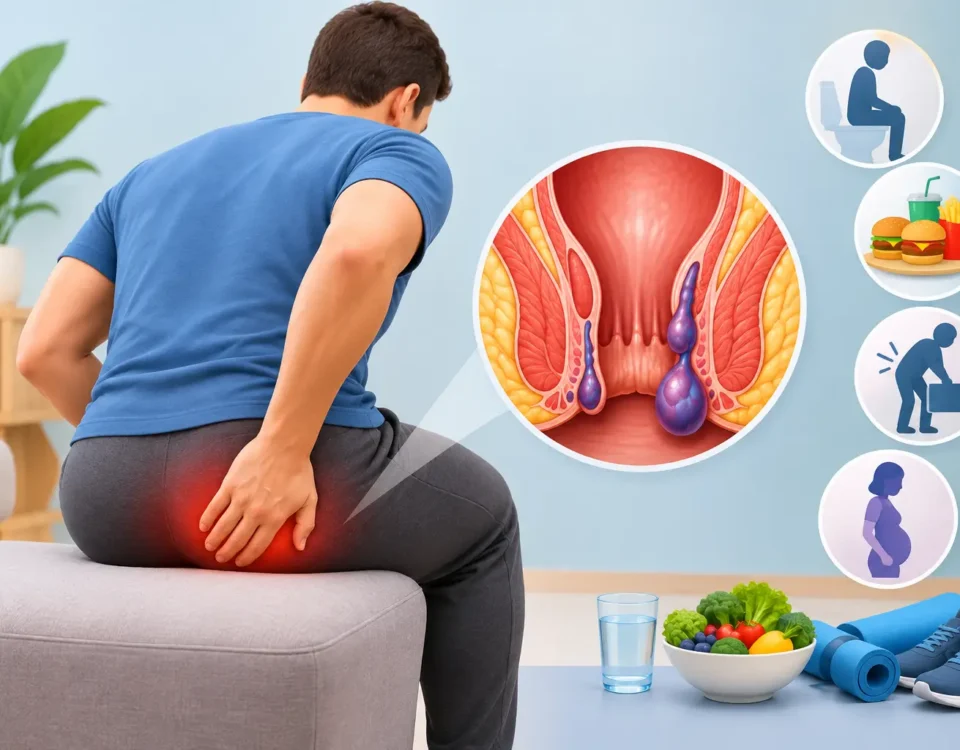
Hemorrhoids can also cause bleeding, itching, swelling, or discomfort. A thrombosed hemorrhoid can cause sudden, significant pain and a tender lump. Skin irritation, infections, inflammatory bowel disease, and, less commonly, other anorectal conditions can produce similar symptoms. A specialist can identify the source and recommend care that fits the condition rather than asking you to keep guessing with over-the-counter products.
Seek prompt medical attention for heavy bleeding, dizziness, black or tar-like stool, fever, worsening swelling, drainage, or severe pain that does not improve. These symptoms need a timely evaluation.
Reducing the chance of another fissure
Preventing recurrence centers on making bowel movements easier and less traumatic. The goal is soft, formed stool that passes without straining. This usually takes consistency rather than a short-term fix after symptoms appear.
Start with fluids, fiber, and regular meals that support predictable bowel habits. Fruits, vegetables, beans, whole grains, and other fiber-rich foods may help, but increasing fiber too quickly can cause bloating or gas. Some patients do better with a gradual increase or a provider-recommended fiber supplement. If constipation is persistent, a stool-softening or osmotic medication may be appropriate, but the best choice depends on your health history and current medications.
Avoid sitting on the toilet for long periods or pushing to force a bowel movement. Responding to the natural urge to go, allowing enough time, and using a small footstool to support a more comfortable position may reduce straining. Gentle cleansing with water or soft, unscented materials can also limit irritation. Aggressive wiping and fragranced products can make burning worse.
Warm baths can relax the area and provide short-term comfort during a flare. They are helpful for symptoms, but they do not replace an evaluation when pain or bleeding persists. Similarly, topical over-the-counter products may soothe irritation, yet they cannot reliably resolve a chronic fissure that is being maintained by muscle spasm or recurring constipation.
When a fissure needs more than home care
Many new fissures improve with bowel habit changes and conservative treatment. A fissure that lasts longer than several weeks, repeatedly reopens, or causes intense pain deserves specialized care. Chronic fissures often have a different pattern than a fresh tear: symptoms may cycle between better and worse, and the tissue may not receive enough blood flow to fully heal.
A focused exam can clarify whether you have a fissure, hemorrhoids, or both. It also gives your provider the chance to rule out conditions that require a different approach. This is particularly valuable if you have tried dietary changes, creams, or home remedies without lasting relief.
Non-surgical treatment may include prescription topical medication designed to relax the internal sphincter and improve blood flow while the tissue heals. Your provider may also recommend a customized bowel regimen to address the trigger that caused the fissure in the first place. The most effective plan is not always the same for every patient. Someone with frequent diarrhea needs a different strategy than someone who has chronic constipation.
For fissures that do not respond to medication, office-based procedures may be considered. The right treatment depends on the fissure’s duration, your symptoms, muscle tone, prior treatments, and overall health. An experienced clinician can explain the expected relief, recovery, and trade-offs of each option without defaulting to traditional surgery.
Can fissures recur after healing even with treatment?
They can, but successful treatment lowers the odds by addressing both the tear and the factors behind it. A healed fissure is not a permanent guarantee that future constipation or diarrhea will not cause another tear. Still, recurrence is often manageable, and early care can prevent a brief flare from becoming a longer, more disruptive problem.
Do not wait until pain is affecting work, sleep, exercise, or your ability to use the bathroom comfortably. Patients frequently delay care because the symptoms are personal or they worry that treatment will involve a hospital stay, anesthesia, or a long recovery. Specialized fissure care is designed to be discreet, efficient, and focused on relief with the least invasive approach appropriate for your condition.
If the familiar pain or bleeding has returned, getting answers early can make a real difference. A prompt evaluation can identify what is causing the symptoms, help protect the healing tissue, and put you on a practical path back to comfortable daily life.